Things to do in Gwalior
Gwalior, located in the central Indian state of Madhya Pradesh, is a city rich in history and culture. Known for its majestic forts, ancient temples, and grand palaces, Gwalior offers visitors a glimpse into India's royal past and architectural grandeur.The city is famous for its strategic hilltop fort, which dominates the skyline, and its vibrant cultural scene including classical music and dance. Gwalior's neighborhoods blend the old with the new, providing a unique experience for travelers interested in history, architecture, and traditional Indian culture.Gwalior Fort
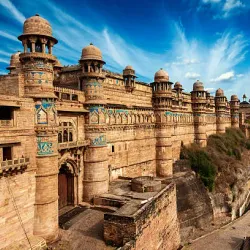
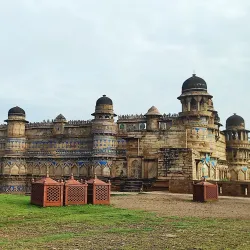
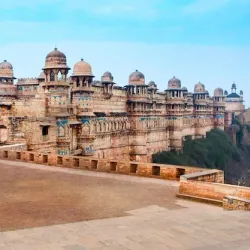
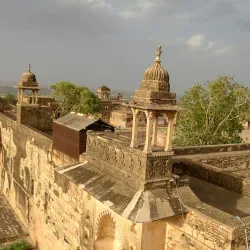
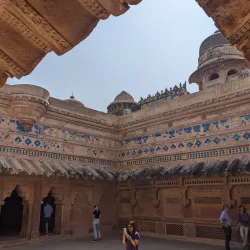
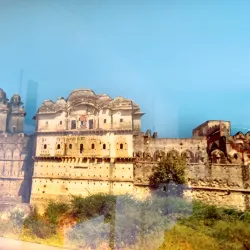
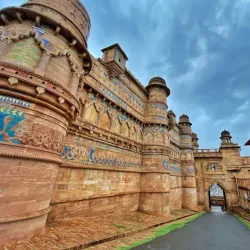
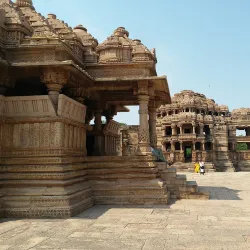
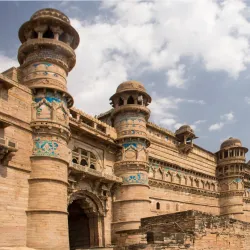
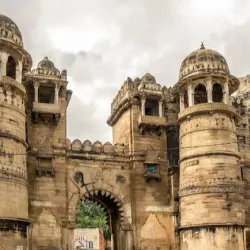
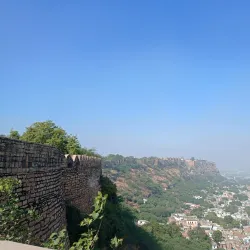
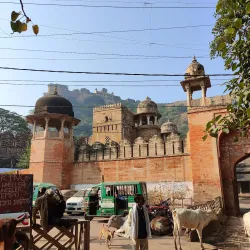
Gwalior Fort is one of the most magnificent forts in India, perched on a hilltop overlooking the city. It has a rich history dating back over a thousand years and features several palaces, temples, and water tanks within its complex.
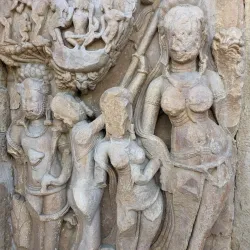
The fort is renowned for its architectural beauty, including the Man Singh Palace with its blue-tiled facade, and the Sas Bahu Temples, which are famous for their intricate carvings and historical significance.
Jai Vilas Palace
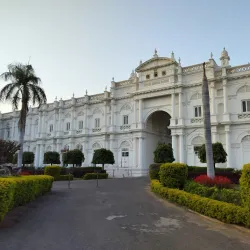
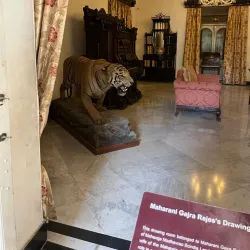
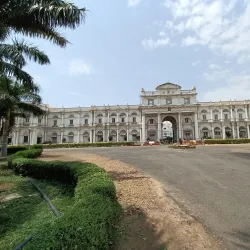
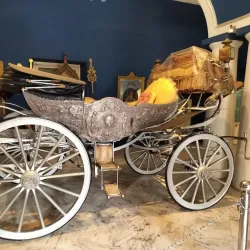
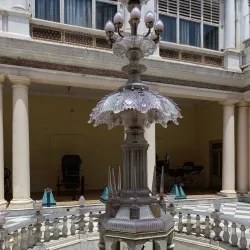
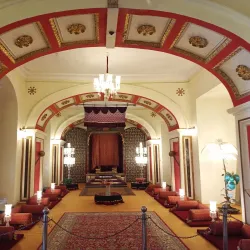
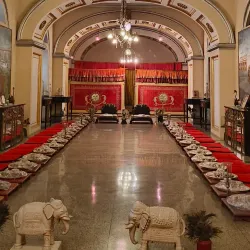
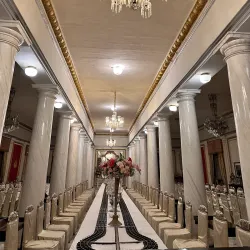
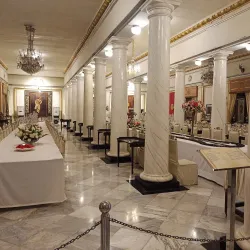
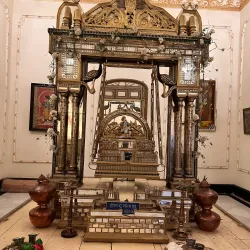
Jai Vilas Palace is a grand 19th-century palace that showcases a blend of European and Indian architectural styles. It was the residence of the Scindia royal family and now houses a museum displaying royal artifacts, vintage cars, and exquisite furnishings.
The palace's Durbar Hall is particularly notable for its opulent decor and the massive chandelier that hangs from the ceiling.
Sas Bahu Temples
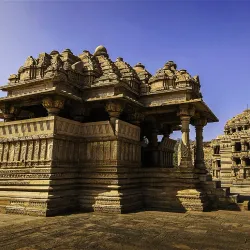
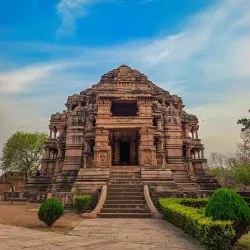
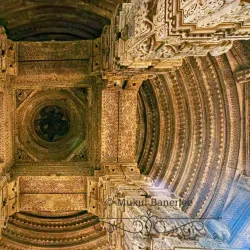
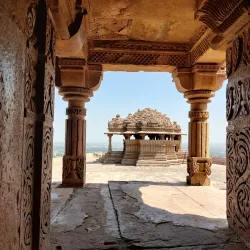
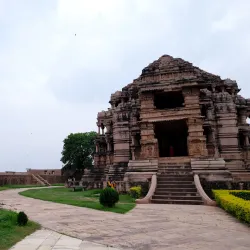
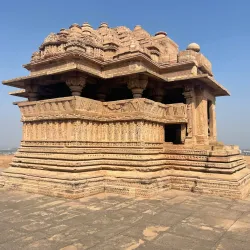
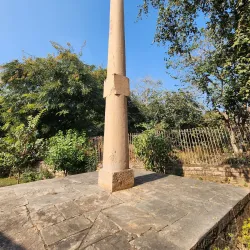
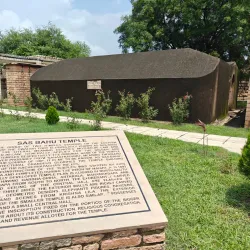
The Sas Bahu Temples are a pair of ancient Hindu temples located within the Gwalior Fort complex. They are dedicated to Lord Vishnu and are known for their detailed and intricate stone carvings.
These temples date back to the 11th century and are an excellent example of early medieval Indian temple architecture.
Teli Ka Mandir
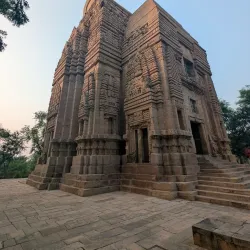
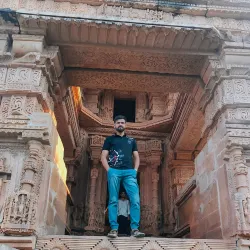
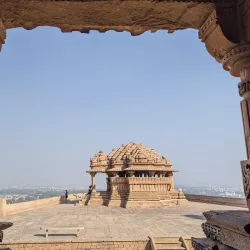
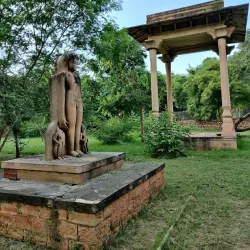
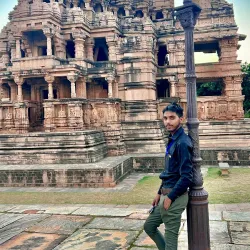
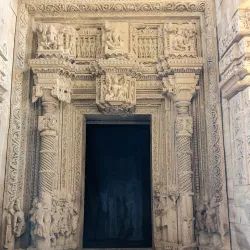
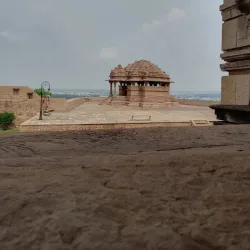
Teli Ka Mandir is a unique temple located inside the Gwalior Fort, distinguished by its unusual architectural style that combines North Indian and South Indian elements.
The temple is dedicated to Lord Vishnu and is one of the tallest structures within the fort, notable for its massive shikhara (spire).
Gujari Mahal Archaeological Museum
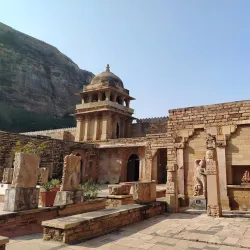
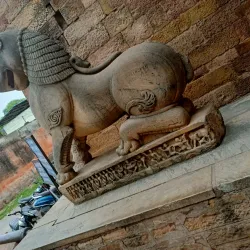
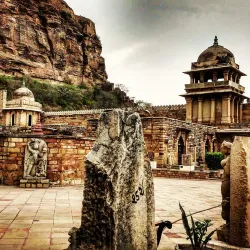
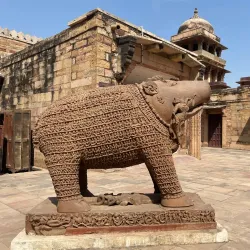
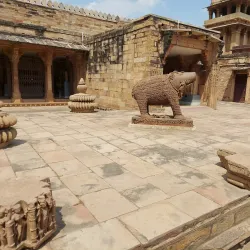
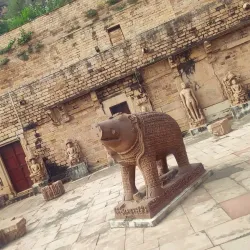
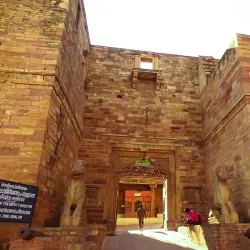
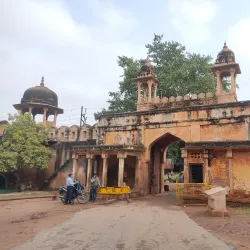
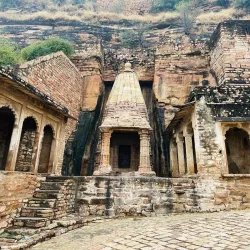
Gujari Mahal was the palace of Queen Mrignayani and now serves as an archaeological museum showcasing artifacts from the region's history, including sculptures, inscriptions, and coins.
The museum provides valuable insights into the cultural and historical heritage of Gwalior and its surroundings.
Sun Temple
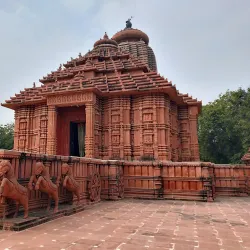
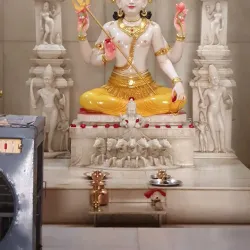
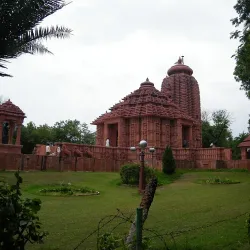
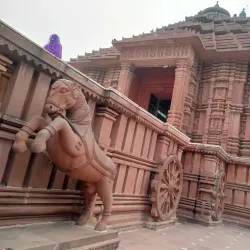
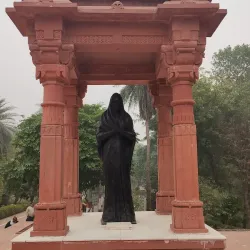
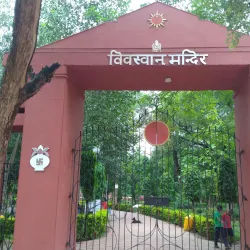
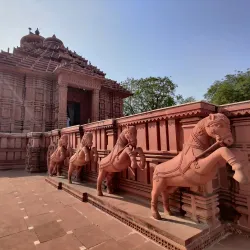
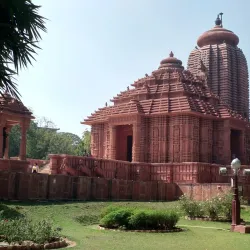
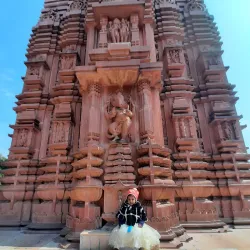
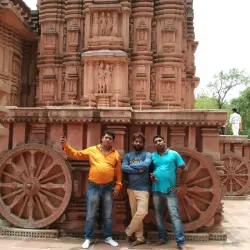
The Sun Temple in Gwalior is dedicated to the Sun God and is known for its intricate carvings and architectural beauty.
It is a significant religious site and attracts devotees and tourists alike, especially during festivals related to the Sun God.
Scindia Museum


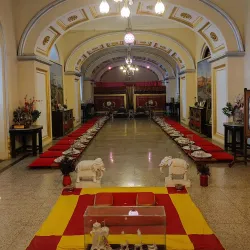

Located within the Jai Vilas Palace complex, the Scindia Museum displays a vast collection of royal memorabilia, including weapons, paintings, and vintage cars.
The museum offers a glimpse into the lifestyle and history of the Scindia dynasty, one of the prominent royal families of India.
Gopachal Rock Cut Jain Temples
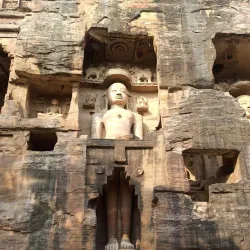
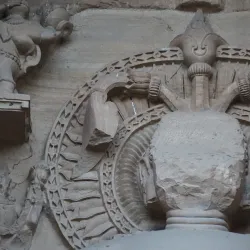
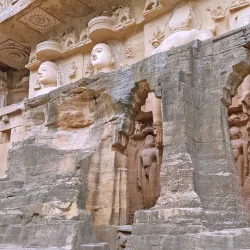
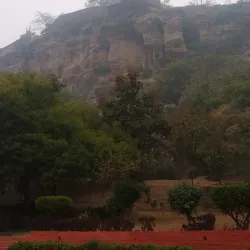
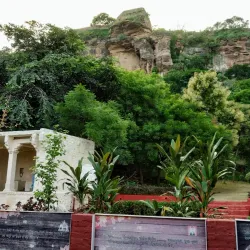
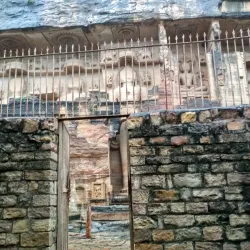
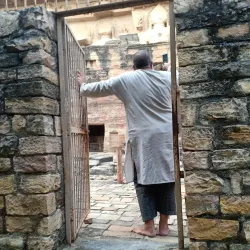
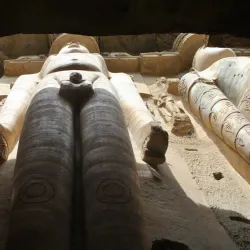
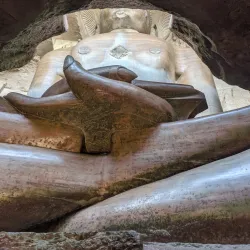
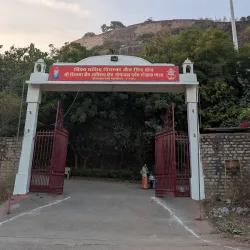
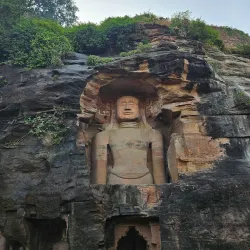
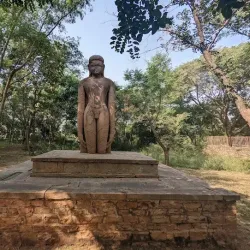
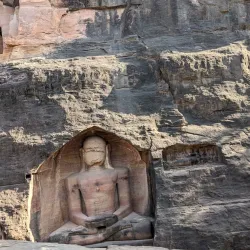
These are a group of ancient Jain rock-cut temples and statues carved into the cliffs near Gwalior Fort. They date back to the 7th to 15th centuries and are significant for their religious and historical value.
The site features large statues of Jain Tirthankaras and intricate carvings, attracting both pilgrims and history enthusiasts.
Tomb of Tansen
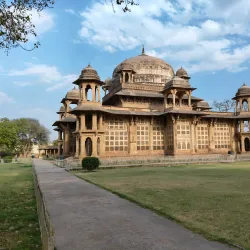
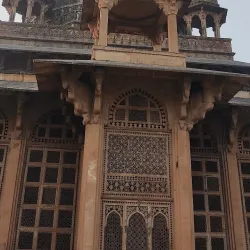
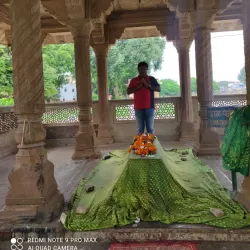
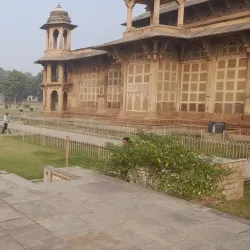
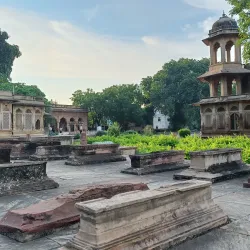
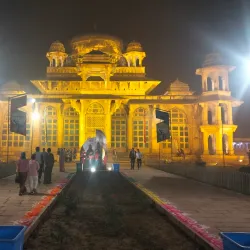
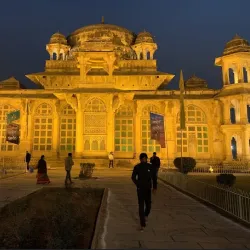
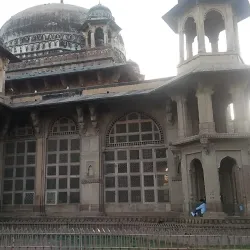
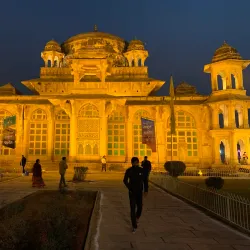
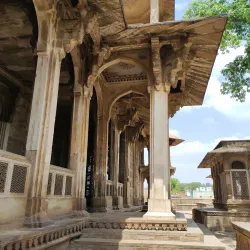
The Tomb of Tansen is dedicated to the legendary musician Tansen, one of the nine gems in Emperor Akbar's court. It is a revered site for music lovers and historians.
The tomb is located near the Gwalior Fort and is surrounded by a beautiful garden, often hosting musical events and festivals.
Gwalior Zoo (Morar Zoo)
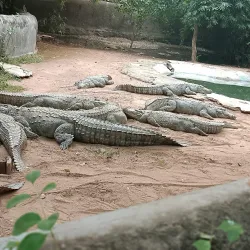
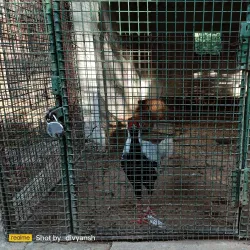
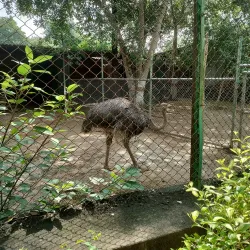
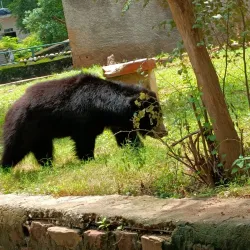
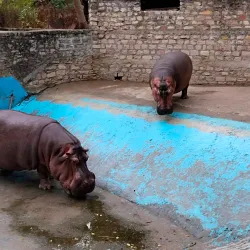
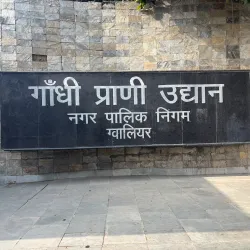
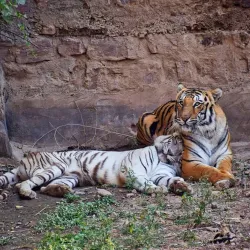
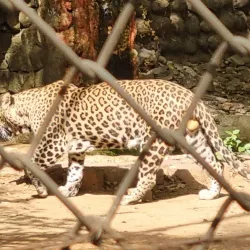
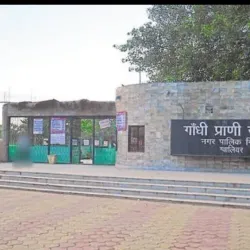
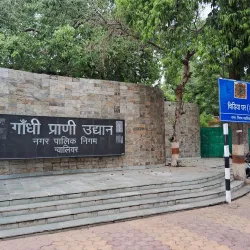
Gwalior Zoo, also known as Morar Zoo, is a popular attraction for families and nature lovers. It houses a variety of animal species and offers a pleasant environment for visitors.
The zoo is well-maintained and provides educational opportunities about wildlife conservation.