Things to do in Murshidabad
Murshidabad, located in the state of West Bengal, India, is a city rich in history and culture. Once the capital of Bengal during the Mughal era, it is known for its grand palaces, historic mosques, and beautiful gardens that reflect its royal past.The city offers a glimpse into the opulent lifestyle of the Nawabs of Bengal, with many well-preserved monuments and museums. Visitors can explore the blend of Mughal and Bengali architecture, enjoy local crafts, and experience the vibrant culture of the region.Hazarduari Palace
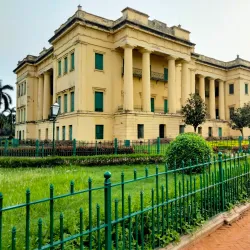
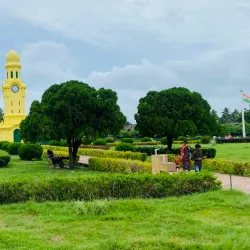
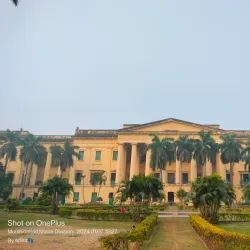
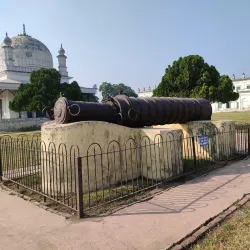
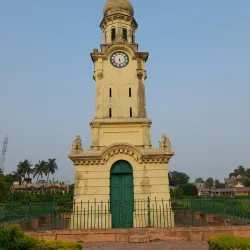
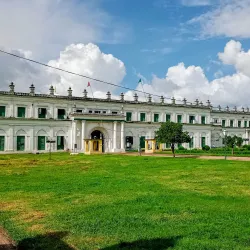
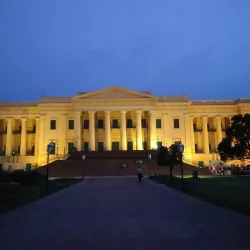
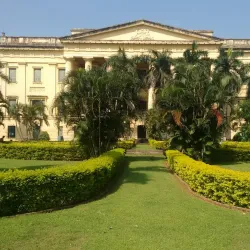
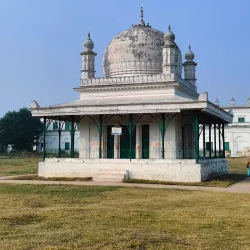
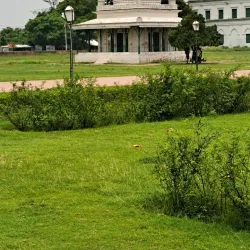
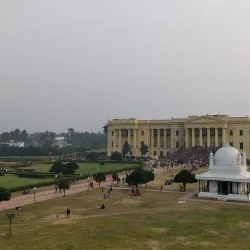
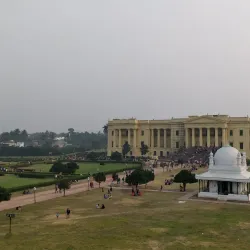
Hazarduari Palace is the most famous landmark in Murshidabad, known for its thousand doors (though only 900 are real). This grand palace was built in the 19th century and served as the residence of the Nawabs of Bengal.
The palace now functions as a museum showcasing artifacts, paintings, and historical memorabilia related to the Nawabs and the region's history.
Katra Mosque
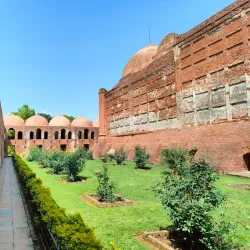
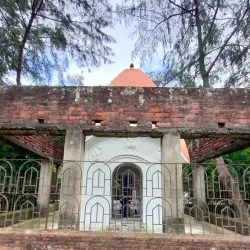
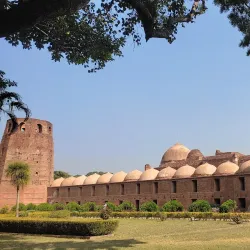
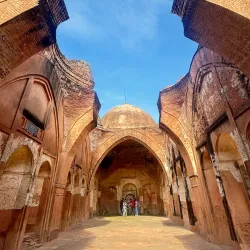
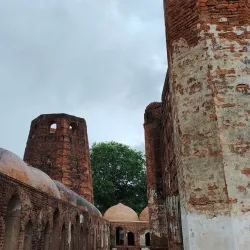
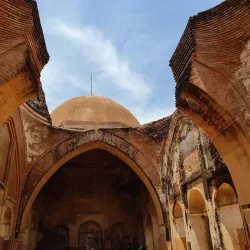
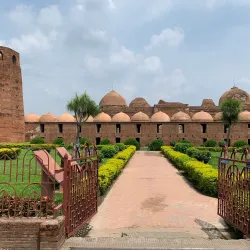
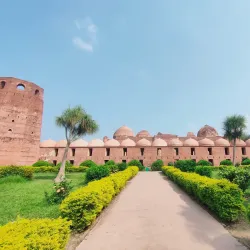
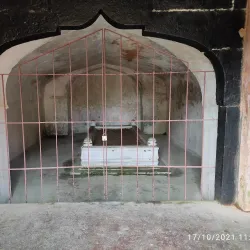
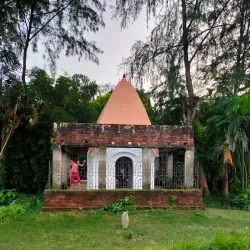
The Katra Mosque is an impressive Mughal-era mosque built in the 18th century. It is notable for its large courtyard and intricate architectural details.
The mosque was part of a caravanserai complex and served both religious and commercial purposes during the Nawabi period.
Nizamat Imambara
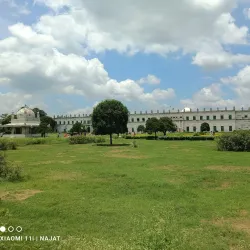
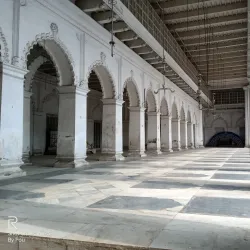
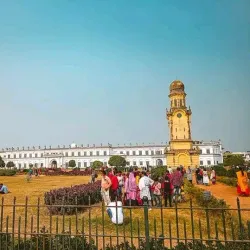
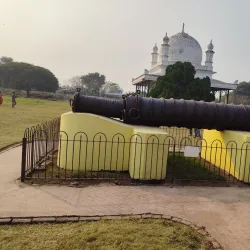
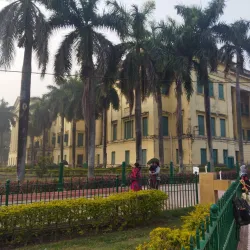
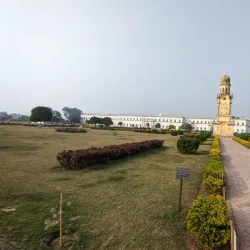
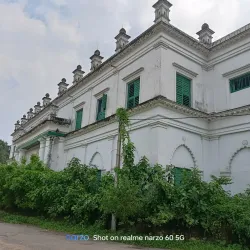

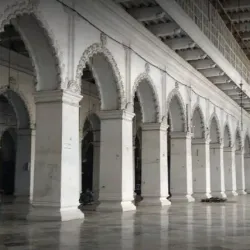
Nizamat Imambara is one of the largest Shia Muslim congregational halls in India. The current structure was rebuilt after a fire in the 19th century and features beautiful Mughal architecture.
It is an important religious site and a symbol of the cultural heritage of Murshidabad.
Khosh Bagh
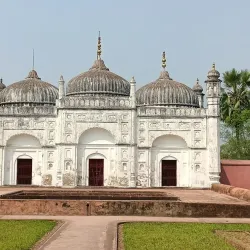
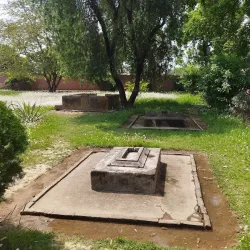
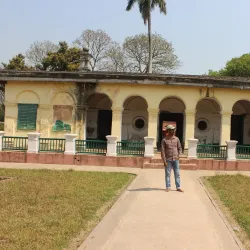
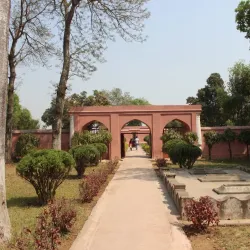
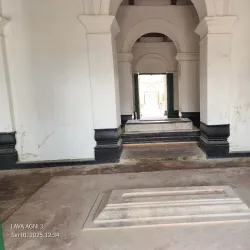
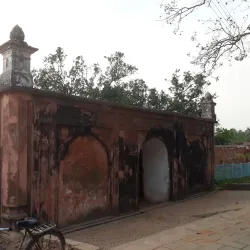
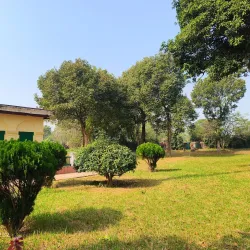
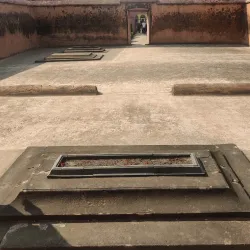
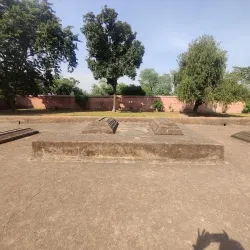
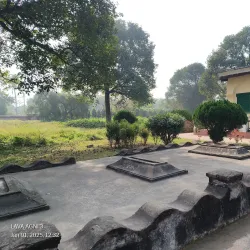
Khosh Bagh is a historic garden and burial site of Nawab Siraj ud-Daulah and his family. The garden is serene and offers a peaceful environment to reflect on the history of the Nawabs.
It is a significant site for those interested in the history of Bengal’s last independent Nawab.
Bara Imambara
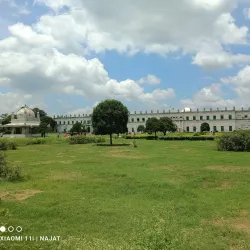
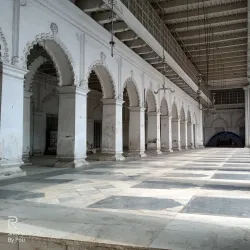
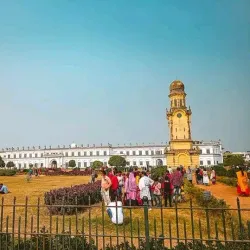
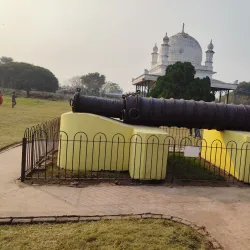
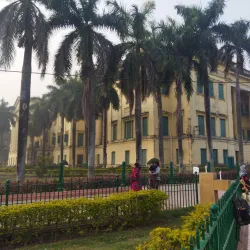
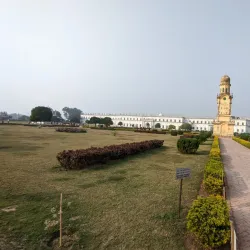
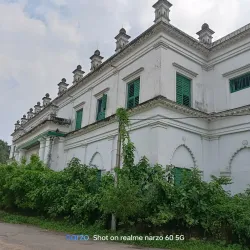

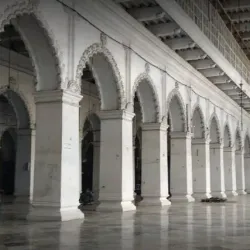
Bara Imambara is another important religious and historical site in Murshidabad. It is known for its large hall and unique architectural style.
The Imambara is a center for Shia religious activities and attracts many visitors for its cultural and historical significance.
Jafarganj Cemetery
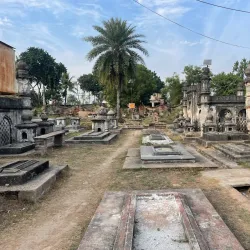
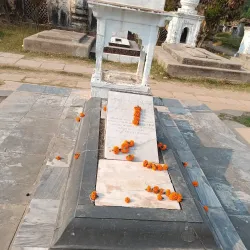
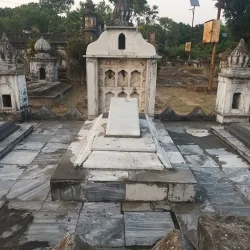
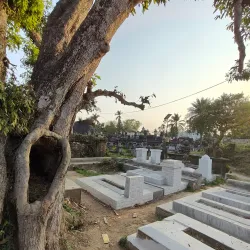
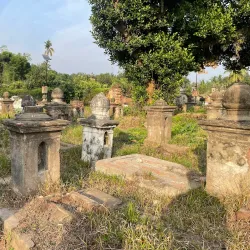
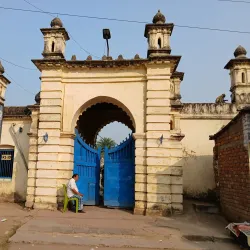
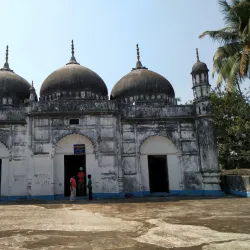
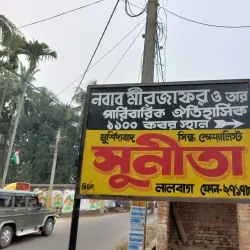
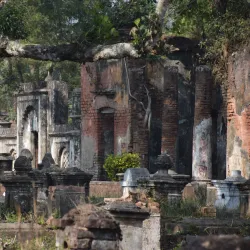
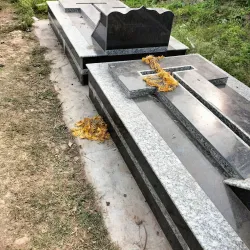
Jafarganj Cemetery is the resting place of many members of the Nawab family, including Nawab Siraj ud-Daulah.
The cemetery is notable for its elaborate tombs and historical significance, offering insights into the region’s past.
Nawab Palace (Nizamat Kila)
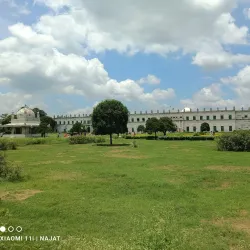
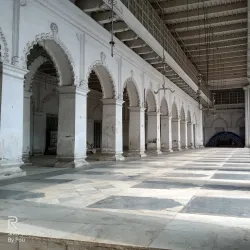
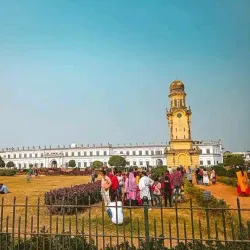
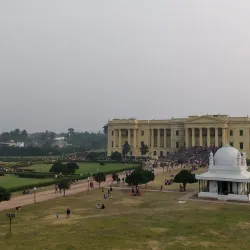
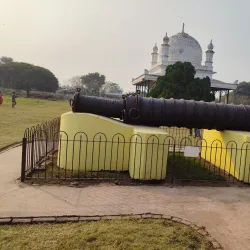
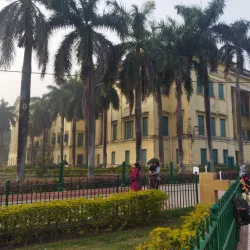
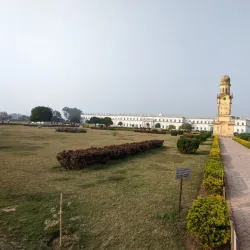
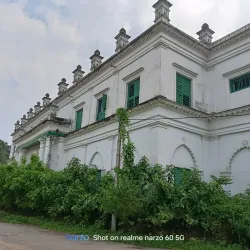

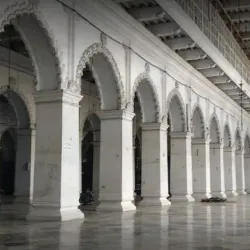
Nawab Palace, also known as Nizamat Kila, was the official residence of the Nawabs of Bengal.
The palace complex includes several buildings and gardens, showcasing the grandeur of the Nawabi era.
Motijheel Park
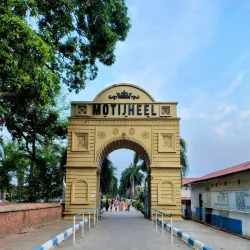
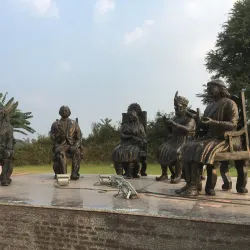
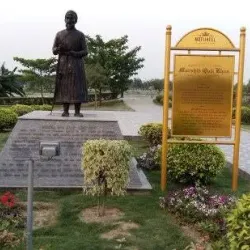
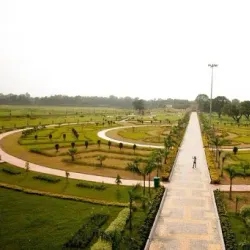
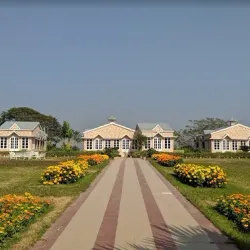
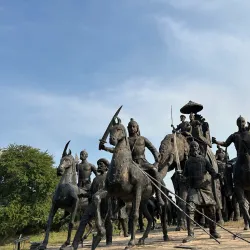
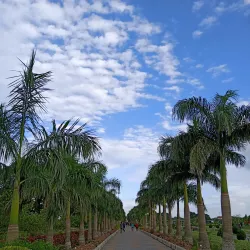
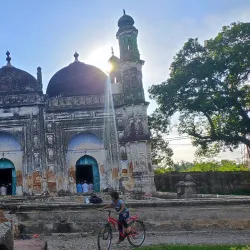

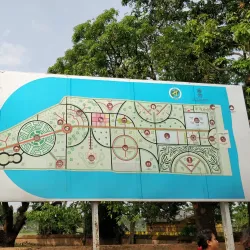
Motijheel Park is a scenic garden area near the Hazarduari Palace, ideal for leisurely walks and relaxation.
The park features beautiful landscaping and views of the nearby river, making it a pleasant spot for visitors.
Murshidabad Museum
The Murshidabad Museum houses a collection of artifacts, paintings, and historical items related to the Nawabs and the region’s history.
It provides educational insights and a deeper understanding of Murshidabad’s cultural heritage.
Nimtita Ferry Ghat
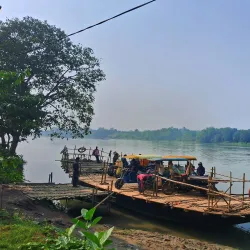



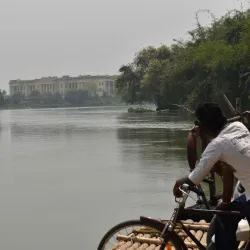

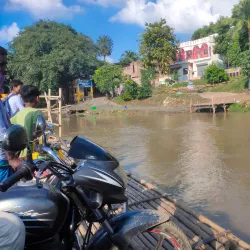

Nimtita Ferry Ghat is a popular spot for river crossings and offers picturesque views of the Bhagirathi River.
It is also a gateway to exploring nearby rural areas and experiencing local life along the riverbanks.