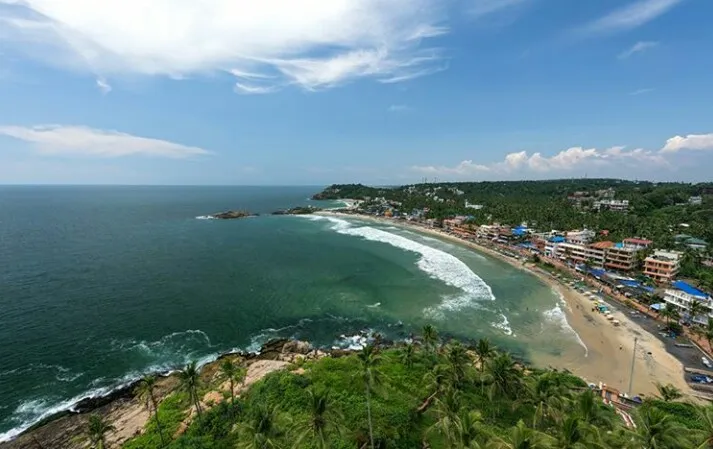
Traffic in Varkala
Varkala, a serene coastal town in India, presents unique transportation dynamics with minimal traffic congestion.Despite the lack of detailed data, Varkala's traffic environment is characterized by low CO2 emissions and efficient travel times.Average Commute Times
More Information
Seasonal Trends
During the tourist season, Varkala experiences a slight increase in traffic, primarily around popular attractions.
Monsoon season sees reduced traffic due to weather conditions affecting travel.
Commuter Pain Points
Limited public transportation options can be a challenge for residents and visitors.
Infrastructure development is needed to support growing tourism and local needs.
Best Travel Times
Early mornings and late evenings are ideal for travel to avoid any potential tourist-related congestion.
Weekdays typically see less traffic compared to weekends, especially near beaches and tourist spots.
Event Impacts
Festivals and local events can lead to temporary road closures and increased traffic near event venues.
Public events often attract visitors, impacting traffic flow in central areas.
Sustainability Efforts
Varkala is focusing on promoting eco-friendly transportation options like cycling and walking.
Initiatives to improve public transport infrastructure are underway to reduce reliance on private vehicles.
Ride-Sharing Impact
Ride-sharing services are gradually gaining popularity, offering convenient alternatives to traditional transport.
These services help reduce the number of private vehicles on the road, contributing to lower emissions.