Things to do in Vidisha
Vidisha is a historic city located in the central Indian state of Madhya Pradesh. Known for its rich cultural heritage and ancient architecture, Vidisha offers visitors a glimpse into India's past through its well-preserved archaeological sites and temples.The city is situated near the famous Buddhist site of Sanchi and is renowned for its ancient stupas, temples, and ruins that date back to the Maurya and Gupta periods. Vidisha's blend of historical significance and serene landscapes makes it a fascinating destination for history enthusiasts and travelers interested in Indian culture.Sanchi Stupa
The Sanchi Stupa is one of the oldest stone structures in India and a UNESCO World Heritage Site. It was originally commissioned by Emperor Ashoka in the 3rd century BCE and is famous for its intricate carvings and gateways depicting various events in the life of Buddha.
This large hemispherical dome is a significant monument of Buddhist architecture and attracts pilgrims and tourists from around the world.
Udayagiri Caves
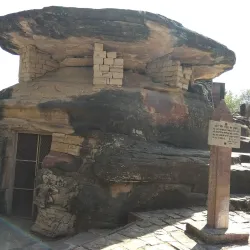
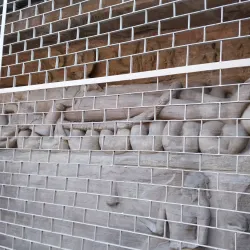
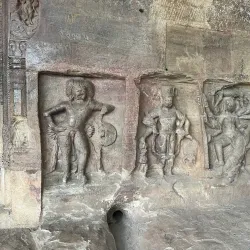
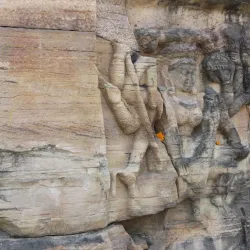
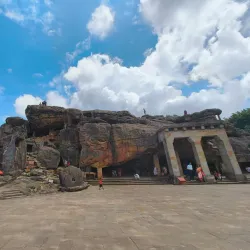
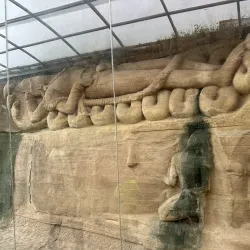
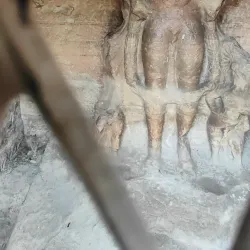
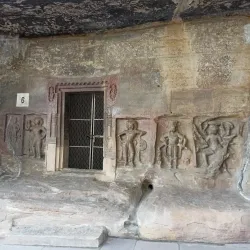
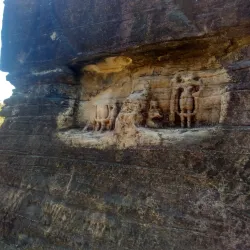
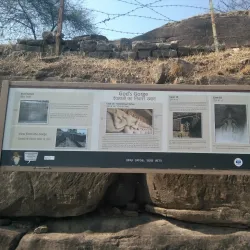
The Udayagiri Caves are a group of rock-cut caves dating back to the Gupta period (4th-5th century CE). These caves are known for their Hindu and Jain sculptures and inscriptions, showcasing the religious diversity of ancient India.
The site includes the famous Varaha Cave, which depicts the boar incarnation of Lord Vishnu, and is an important archaeological and religious site.
Bajramath Temple
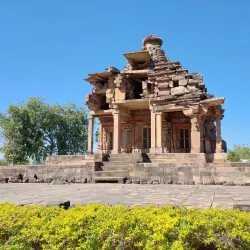
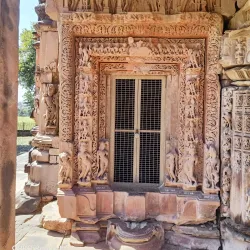
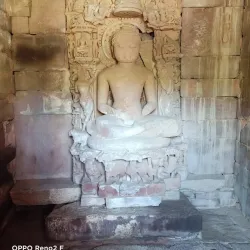
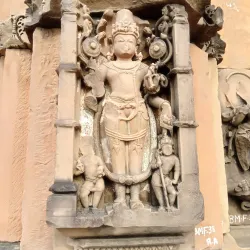
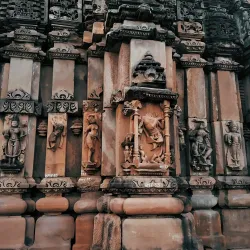
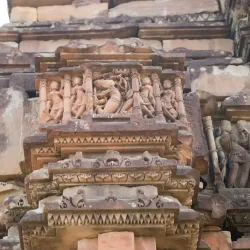
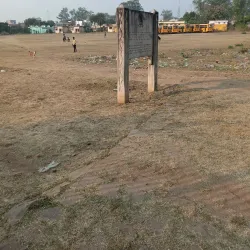
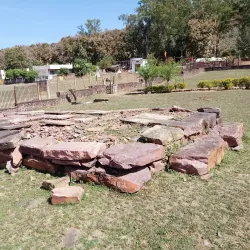
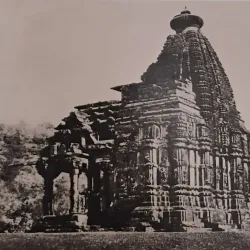
The Bajramath Temple is an ancient temple complex located in Vidisha, dating back to the 9th century CE. It is dedicated to multiple deities, including Vishnu and Shiva, and is noted for its architectural style and detailed carvings.
The temple complex provides insight into the religious practices and temple architecture of the period.
Heliodorus Pillar
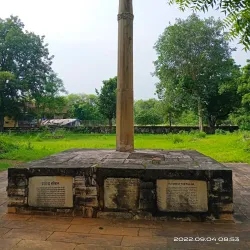
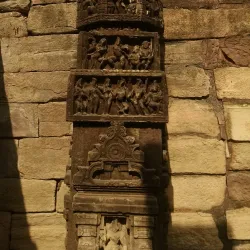
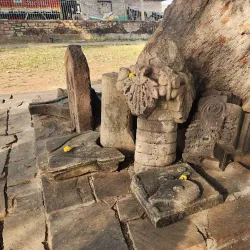
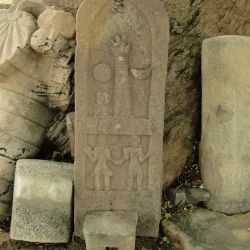
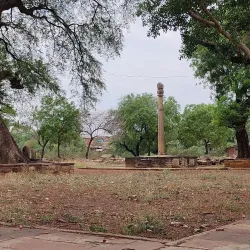
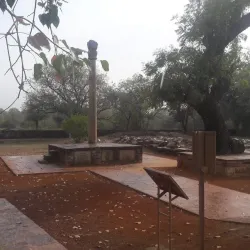
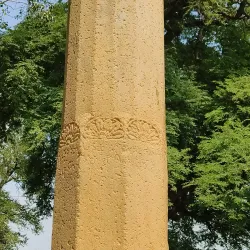
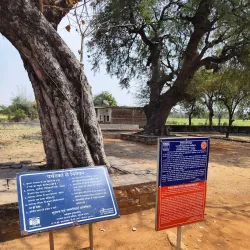
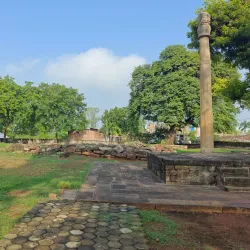
The Heliodorus Pillar is an ancient stone column erected around 113 BCE by Heliodorus, a Greek ambassador to the court of an Indian king. It is one of the earliest known inscriptions related to Vaishnavism (worship of Vishnu) outside of India.
The pillar is an important artifact demonstrating the cultural and religious exchanges between ancient India and the Hellenistic world.
Sanchi Museum
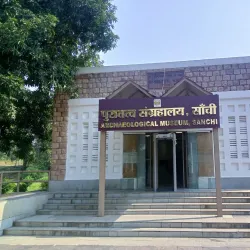
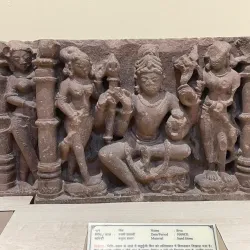
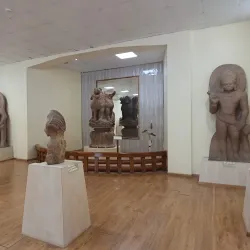
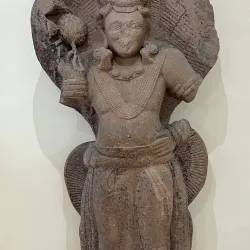
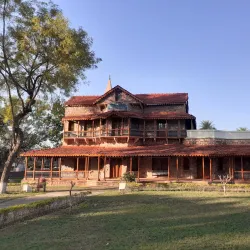
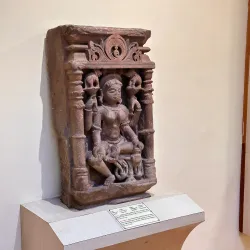
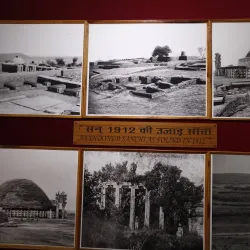
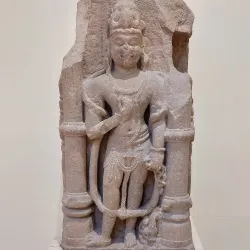
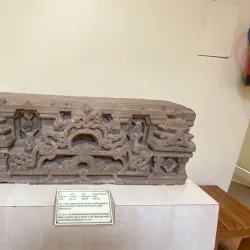
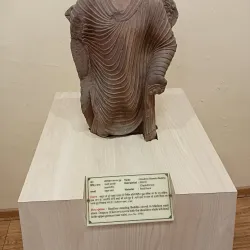
The Sanchi Archaeological Museum houses a collection of artifacts excavated from the Sanchi Stupa and surrounding sites. It includes sculptures, inscriptions, and relics that provide context to the Buddhist heritage of the region.
The museum is a valuable resource for understanding the history and art of ancient Vidisha and its surroundings.
Udayagiri Fort
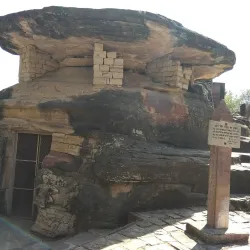
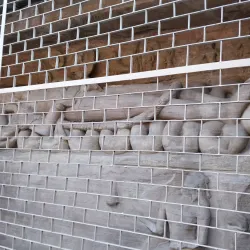
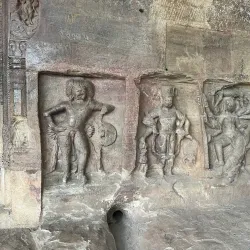
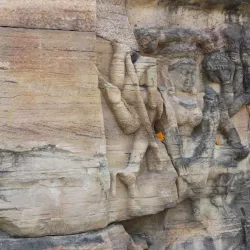
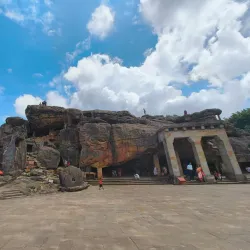
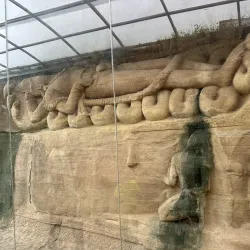
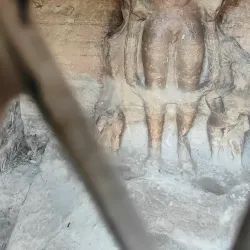
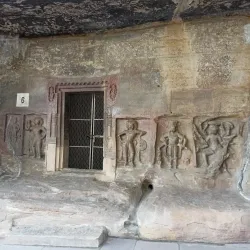
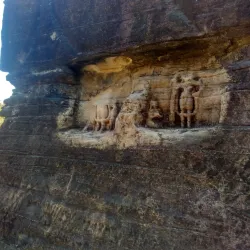
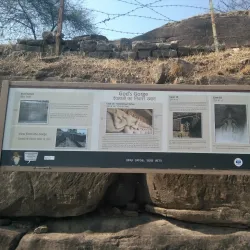
Udayagiri Fort is a historic fortification near Vidisha, offering panoramic views of the surrounding landscape. The fort has historical significance and features remnants of ancient structures and battlements.
Visitors can explore the fort's ruins and enjoy the natural beauty of the area.
Bhimbetka Rock Shelters (nearby)
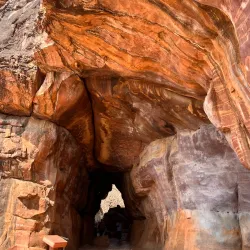
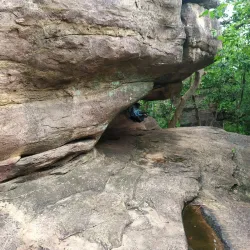
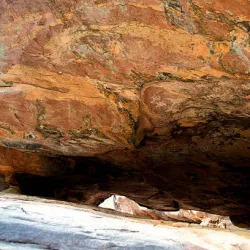
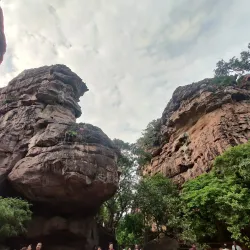
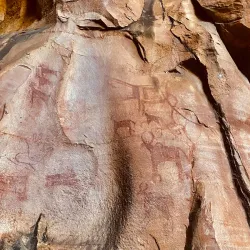
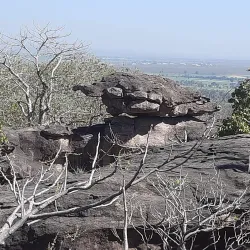
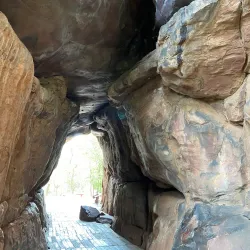
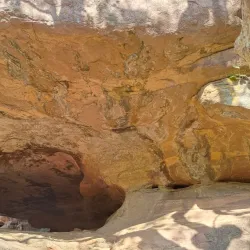
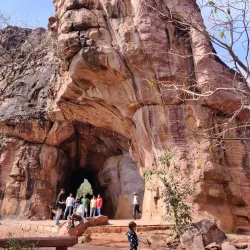
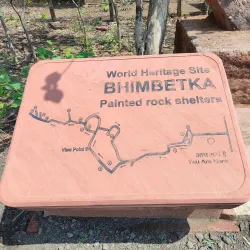
Though slightly farther from Vidisha, the Bhimbetka Rock Shelters are a UNESCO World Heritage Site featuring prehistoric cave paintings dating back to the Paleolithic era.
These shelters provide a unique glimpse into early human life and artistic expression in the Indian subcontinent.
Vidisha Fort
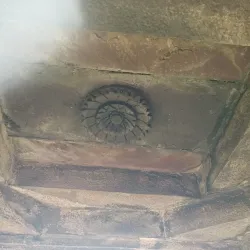
Vidisha Fort is an ancient fortification in the city, reflecting the military architecture of the region. The fort offers historical insights and a chance to explore the old city walls and gates.
It is a notable landmark for those interested in the defensive structures of medieval India.
Gandhi Sagar Dam (nearby)
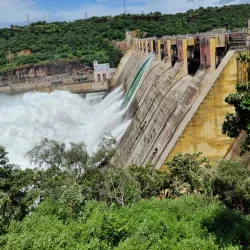
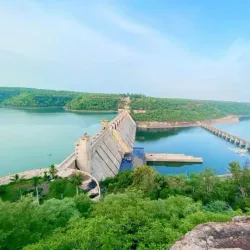
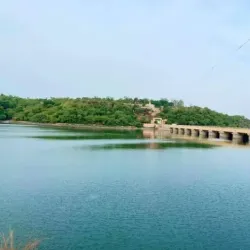
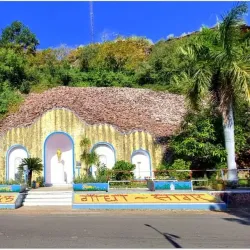
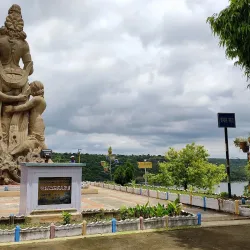
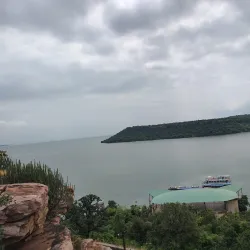
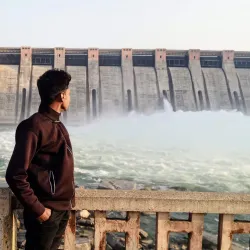
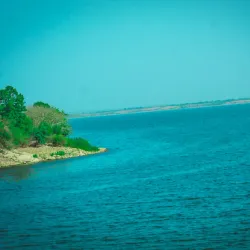
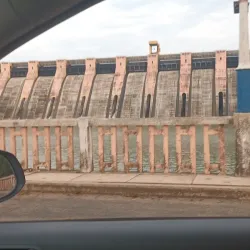
Located near Vidisha, the Gandhi Sagar Dam is built on the Chambal River and is one of the major dams in Madhya Pradesh. It is a popular spot for picnics and nature outings.
The dam and its reservoir support irrigation and hydroelectric power generation in the region.
Laxmi Narayan Temple
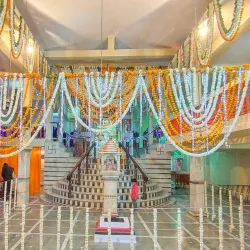
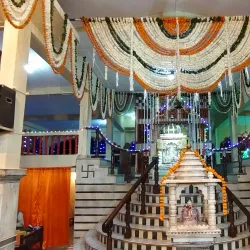
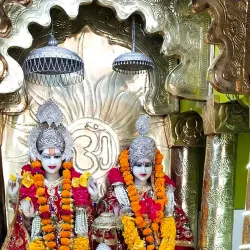
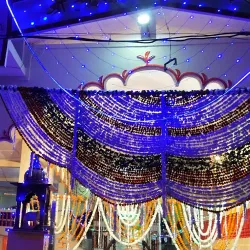
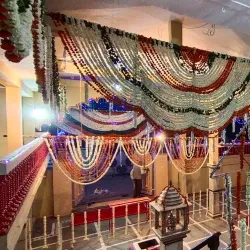
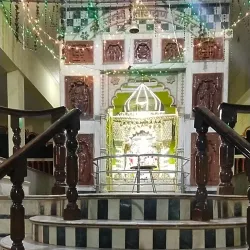
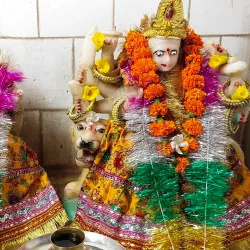
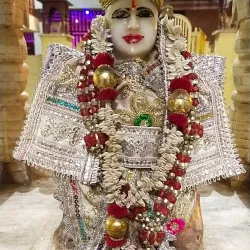
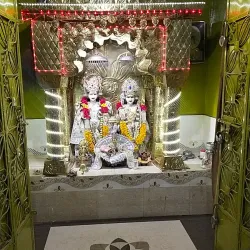
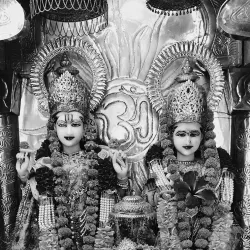
The Laxmi Narayan Temple in Vidisha is dedicated to Lord Vishnu and Goddess Lakshmi. It is known for its beautiful architecture and religious significance in the local community.
The temple is a peaceful place for worship and cultural gatherings.