Things to do in Bajawa
Bajawa is a charming town located in the central part of Flores Island, Indonesia. It is renowned for its stunning natural landscapes, traditional Ngada villages, and rich cultural heritage. The area offers visitors a unique blend of volcanic scenery, ancient megalithic sites, and warm local hospitality.The town serves as a gateway to exploring the surrounding highlands, where travelers can experience traditional ways of life and breathtaking views of mountains and hot springs.Bena Village
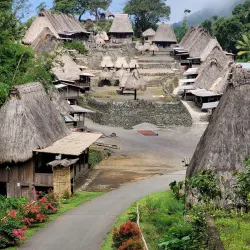
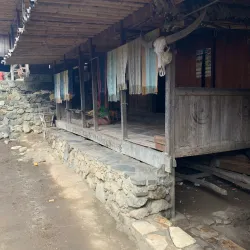
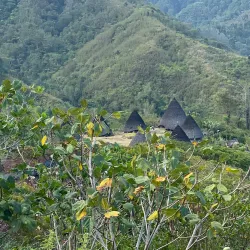
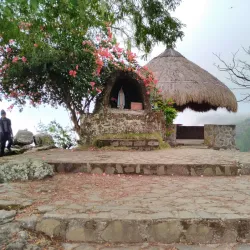
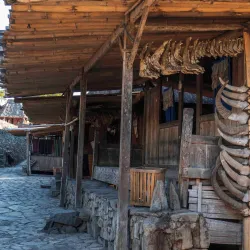
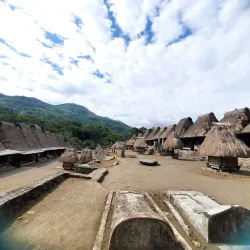
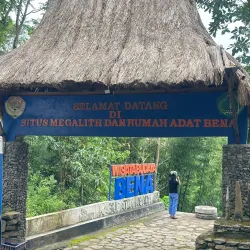
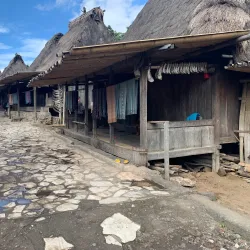
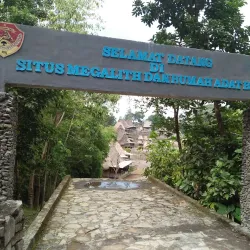
Bena Village is one of the most famous traditional Ngada villages near Bajawa. It is known for its well-preserved megalithic structures and traditional houses with thatched roofs. Visitors can learn about the local customs, rituals, and the unique architecture that has been maintained for centuries.
The village offers stunning views of the surrounding mountains and rice terraces, making it a cultural and scenic highlight of the region.
Mount Inerie
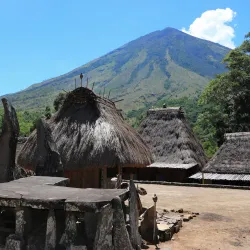
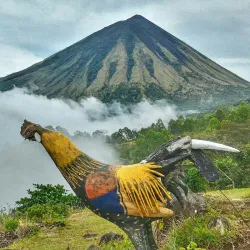
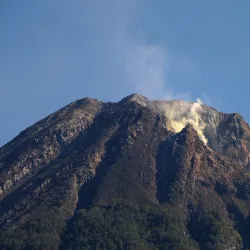
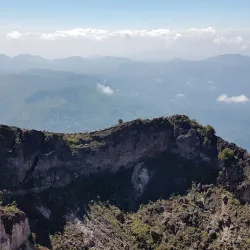
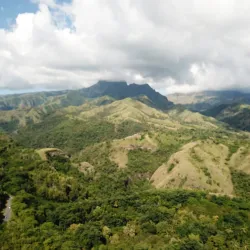
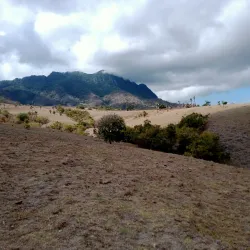
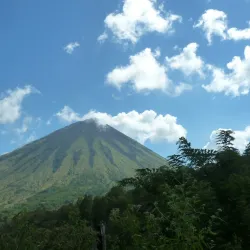
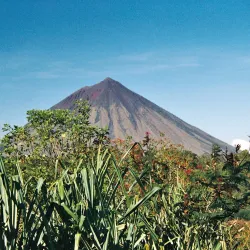

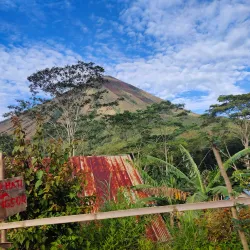
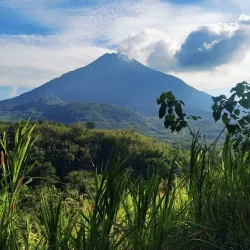
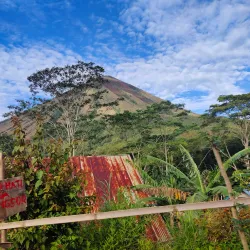
Mount Inerie is an active stratovolcano near Bajawa, known for its symmetrical cone shape and striking presence in the landscape. It is a popular destination for trekking and photography, offering panoramic views from its slopes.
The mountain is a significant natural landmark and provides adventurous visitors with the opportunity to explore volcanic terrain and experience the region's dramatic scenery.
Soa Hot Springs
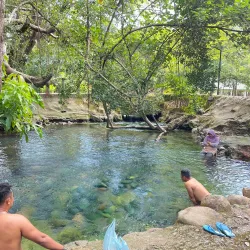
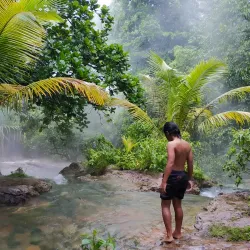
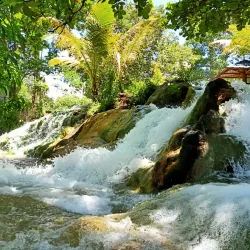
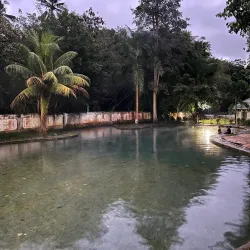
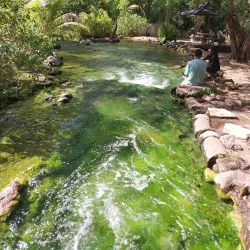
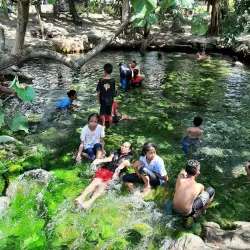
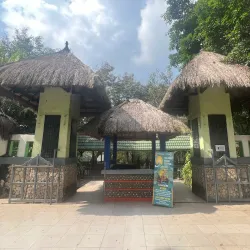
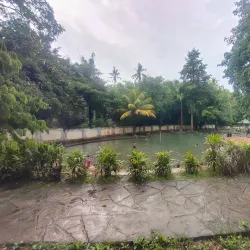
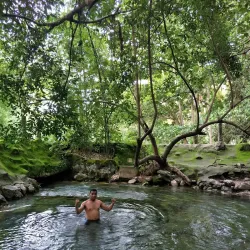
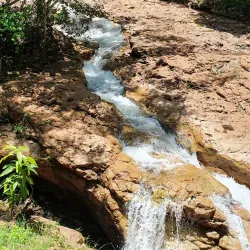
Soa Hot Springs are natural thermal springs located near Bajawa, offering a relaxing experience in warm mineral-rich waters. The springs are surrounded by lush greenery and volcanic landscapes, providing a tranquil setting for visitors.
These hot springs are a perfect spot to unwind after exploring the nearby villages and mountains, and they are believed to have therapeutic properties.
Gurusina Village
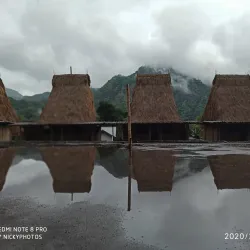
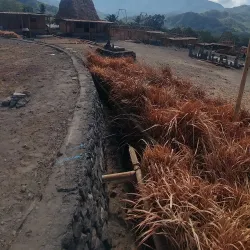
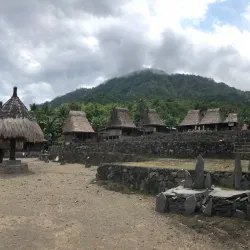
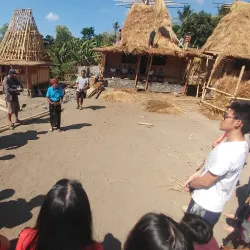
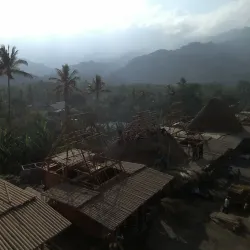
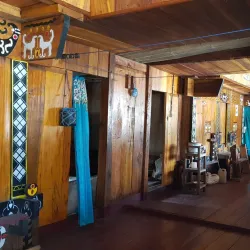
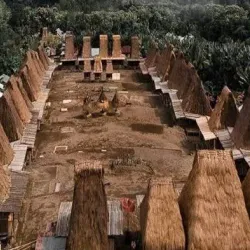
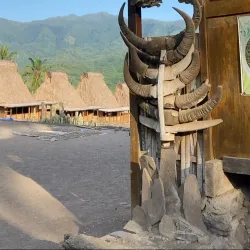
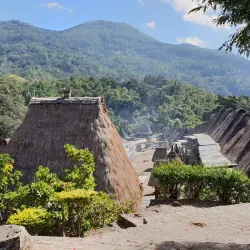
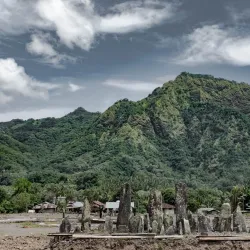
Gurusina is another traditional Ngada village known for its cultural significance and traditional architecture. The village features ancient stone tombs and megalithic sites that reflect the spiritual beliefs of the local community.
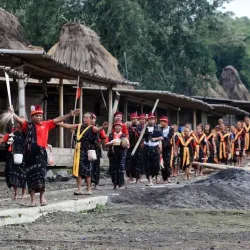
Visitors can experience traditional dances, ceremonies, and the unique lifestyle of the Ngada people, gaining insight into their rich cultural heritage.
Wogo Village
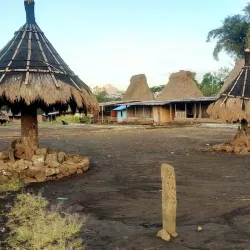
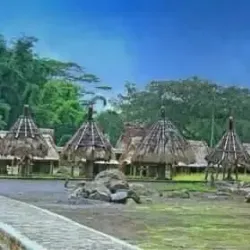
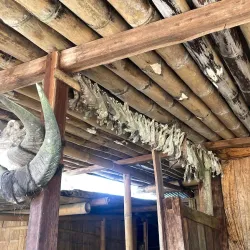
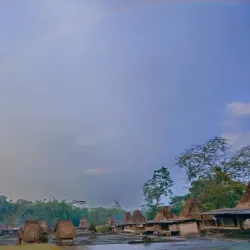
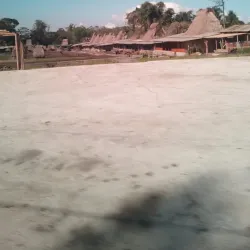
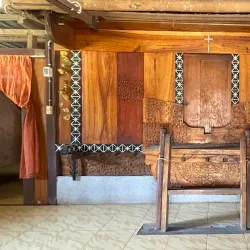
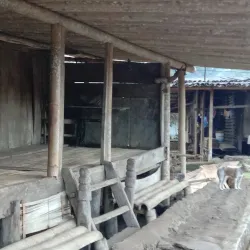
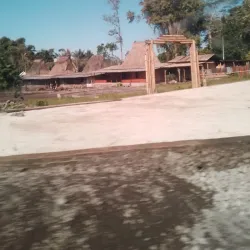
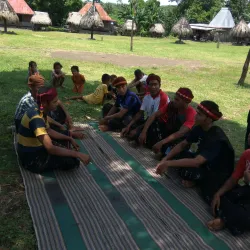
Wogo Village is a small traditional village near Bajawa, offering visitors a glimpse into the daily life and customs of the Ngada people. The village is known for its traditional houses and communal lifestyle.
It is a peaceful place to explore on foot, with opportunities to interact with locals and learn about their agricultural practices and cultural traditions.
Bajawa Market
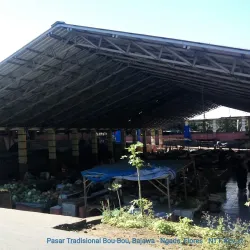
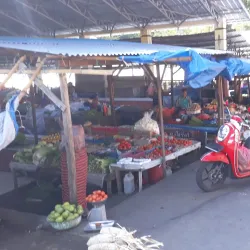
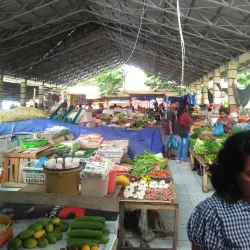
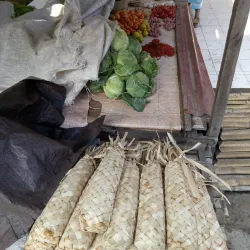
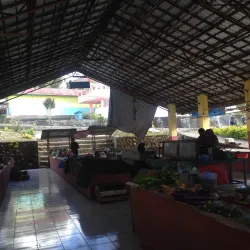
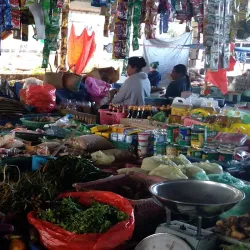

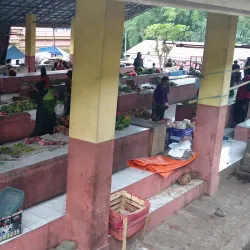
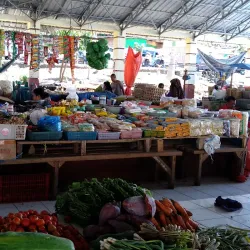

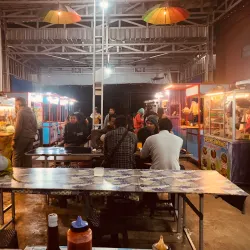
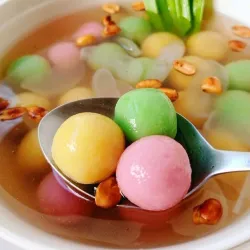
The Bajawa Market is a vibrant local market where visitors can experience the daily life of the town's residents. The market offers a variety of fresh produce, traditional crafts, and local foods.
It is an excellent place to sample regional specialties and purchase handmade souvenirs while observing the lively atmosphere of a traditional Indonesian market.
Ngada Traditional Houses
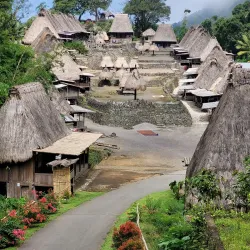
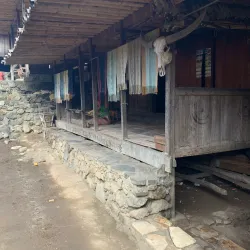
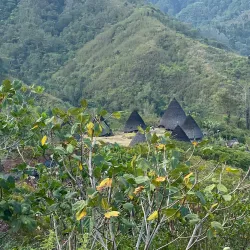
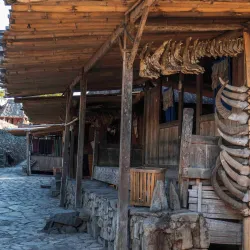
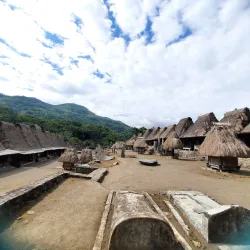
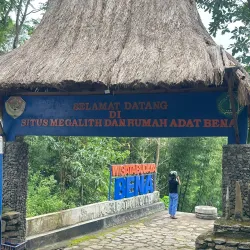
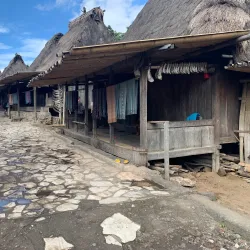
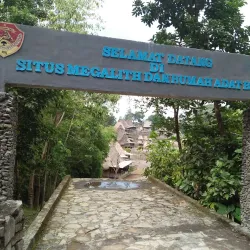
The traditional houses of the Ngada people are notable for their unique architectural style, featuring tall, peaked roofs made from natural materials. These houses are central to village life and cultural identity.
Many villages around Bajawa preserve these houses, allowing visitors to appreciate the craftsmanship and cultural significance behind their construction.
Tololela Village
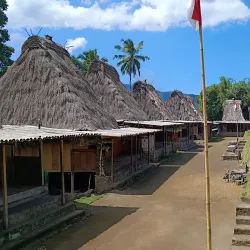
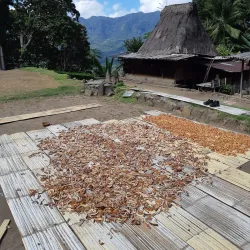
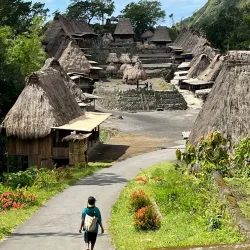
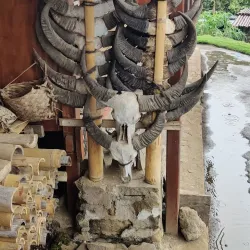
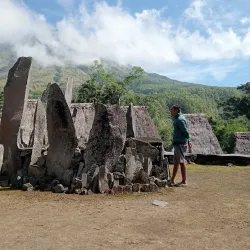
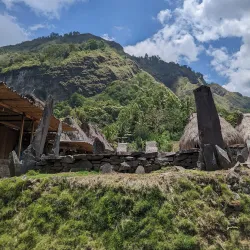
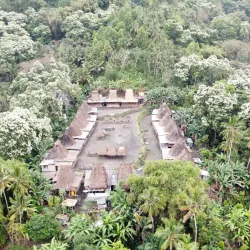
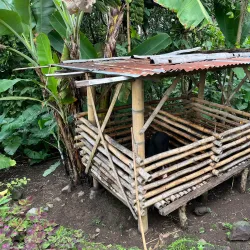
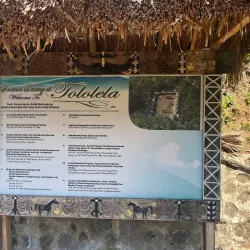
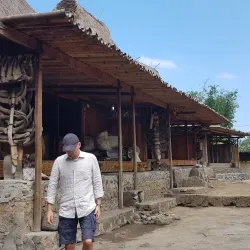
Tololela is a lesser-known traditional village near Bajawa, offering an authentic experience of Ngada culture. The village is surrounded by beautiful natural scenery and features traditional houses and megalithic sites.
Visitors can enjoy peaceful walks and learn about the local customs and history in a quiet, rural setting.
Mount Ebulobo
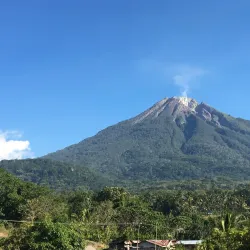
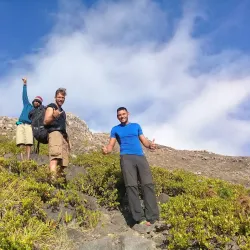
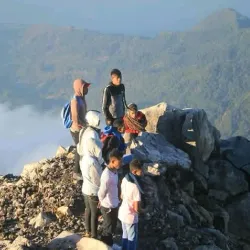
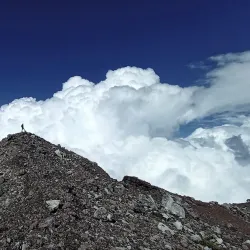
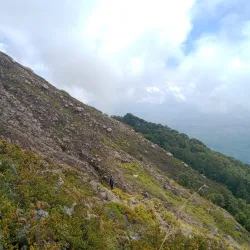
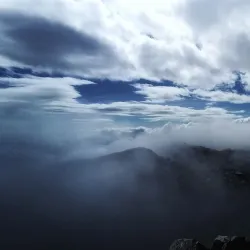
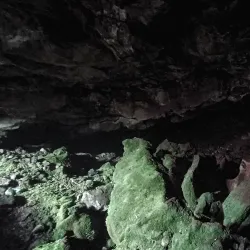


Mount Ebulobo is a volcanic mountain near Bajawa, known for its rugged terrain and scenic views. It is less frequented by tourists, providing a more secluded hiking experience.
The mountain and its surroundings are home to diverse flora and fauna, making it an interesting destination for nature lovers and trekkers.
Bajawa Cultural Festival





The Bajawa Cultural Festival is an annual event celebrating the traditions, music, dance, and crafts of the Ngada people. It provides a vibrant showcase of local culture and heritage.
Visitors attending the festival can witness traditional ceremonies, performances, and participate in cultural activities, gaining a deeper understanding of the community's way of life.