Things to do in Isfahan (Esfahan)
Isfahan, also spelled Esfahan, is a historic city in central Iran renowned for its stunning Persian architecture, beautiful bridges, and vibrant bazaars. Once one of the largest cities in the world, it served as the capital of the Safavid dynasty and remains a cultural and artistic hub.The city is famous for its grand mosques, palaces, and public squares, many of which date back to the 16th and 17th centuries. Visitors to Isfahan can explore its rich history through its well-preserved monuments and enjoy the lively atmosphere of its traditional markets and gardens.Naqsh-e Jahan Square (Imam Square)
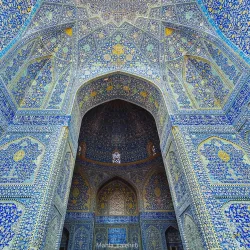


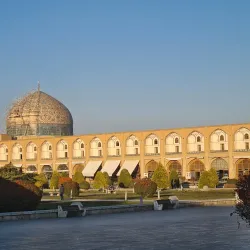

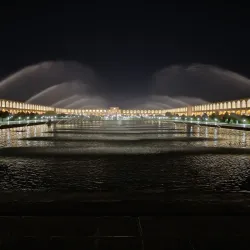
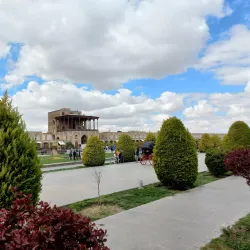

Naqsh-e Jahan Square is one of the largest city squares in the world and a UNESCO World Heritage Site. It is surrounded by significant buildings including the Shah Mosque, Sheikh Lotfollah Mosque, Ali Qapu Palace, and the Grand Bazaar.
The square is a vibrant center of social, cultural, and commercial activities and showcases exquisite Safavid-era architecture and tile work.
Shah Mosque (Imam Mosque)
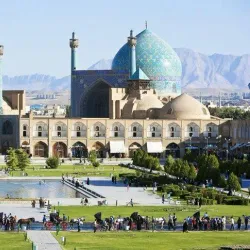
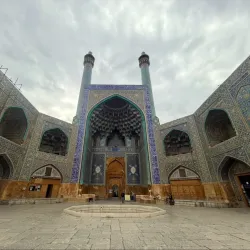
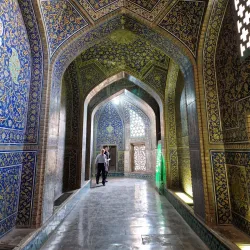
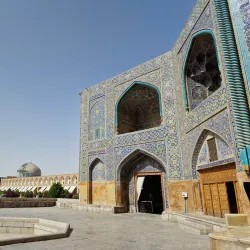
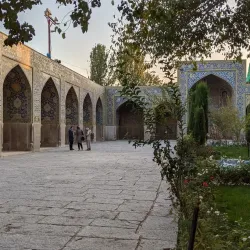
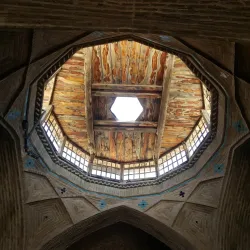
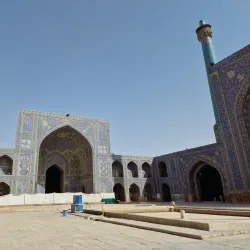
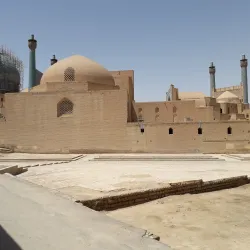
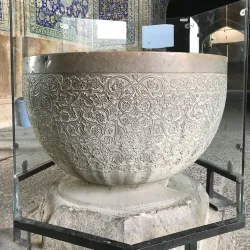
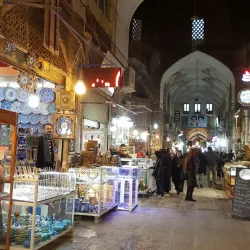
Located on the south side of Naqsh-e Jahan Square, the Shah Mosque is a masterpiece of Persian architecture. It is renowned for its stunning blue tile work, grand entrance portal, and intricate calligraphy.
The mosque's acoustics and the design of its domes are engineering marvels of the Safavid period.
Sheikh Lotfollah Mosque
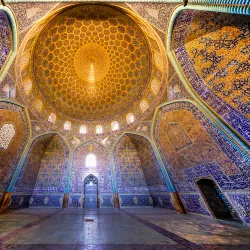
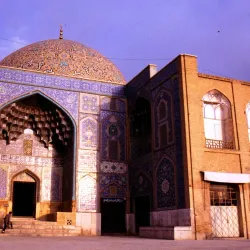
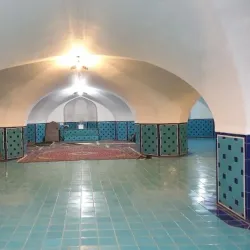
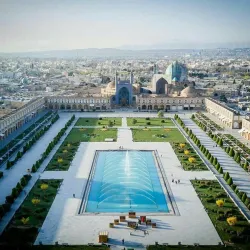
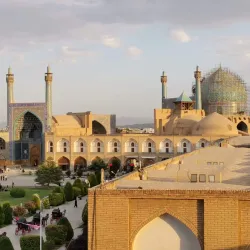
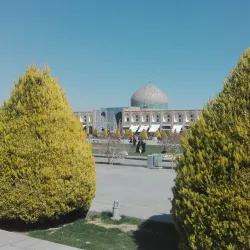
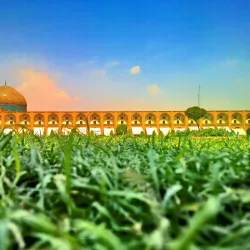
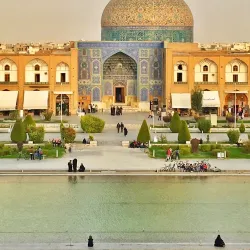
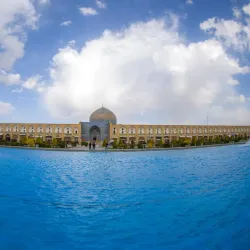
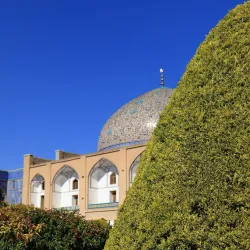
Situated on the eastern side of Naqsh-e Jahan Square, this mosque is famous for its unique architecture and exquisite tile work, especially the dome's interior.
Unlike other mosques, it was built without minarets and was intended as a private mosque for the royal court.
Ali Qapu Palace
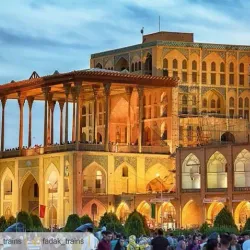
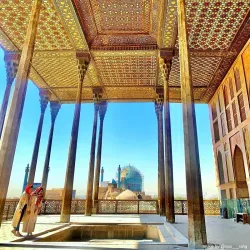
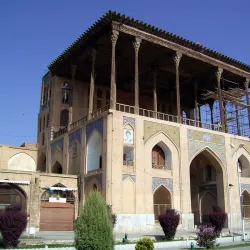
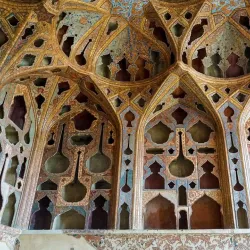
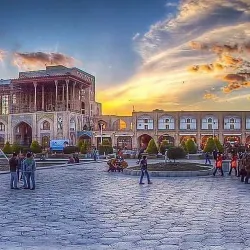
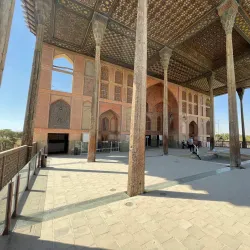
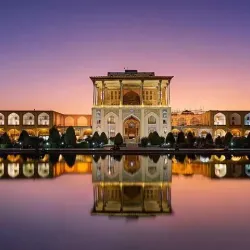
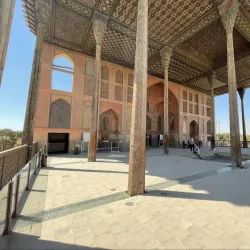
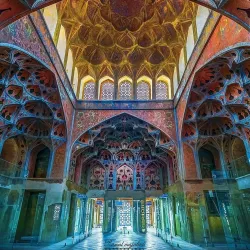
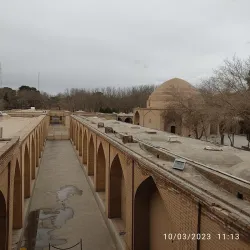
This grand palace stands on the western side of Naqsh-e Jahan Square and served as the residence of Safavid kings. It features a six-story structure with a music room decorated with intricate stucco and frescoes.
The palace offers panoramic views of the square and the city from its upper balconies.
Si-o-se-pol Bridge
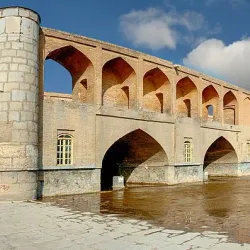
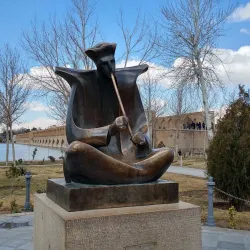
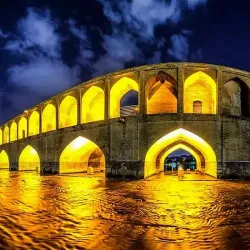
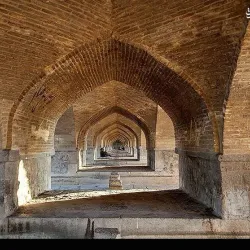
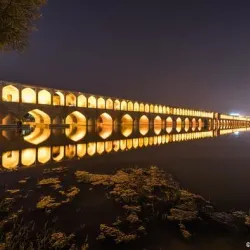
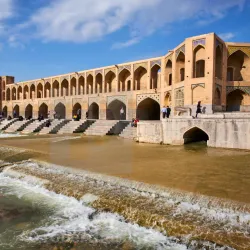
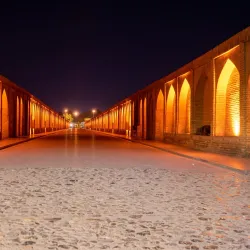
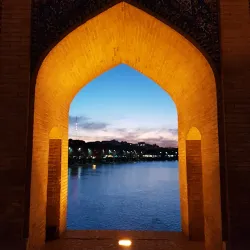
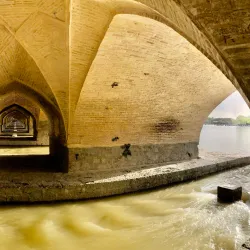
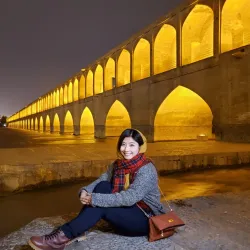
Also known as the Bridge of 33 Arches, Si-o-se-pol is a historic bridge over the Zayanderud River. It is celebrated for its architectural beauty and the role it plays as a social gathering place, especially in the evenings.
The bridge is an iconic symbol of Isfahan and is beautifully illuminated at night.
Khaju Bridge
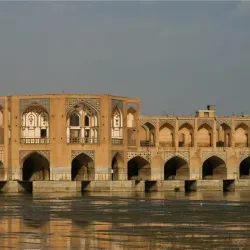
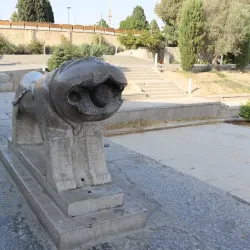
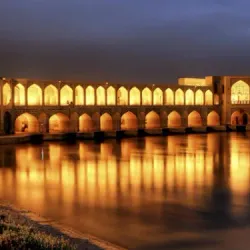
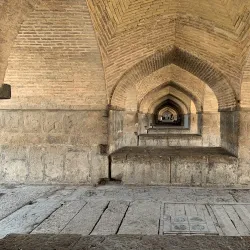
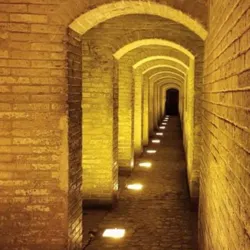
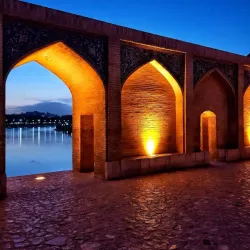
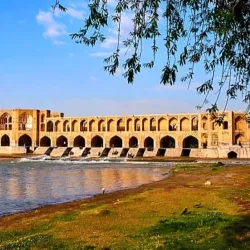
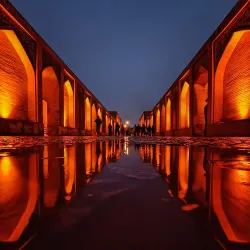
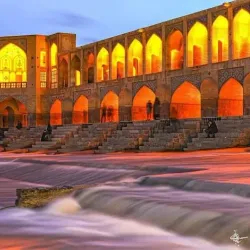
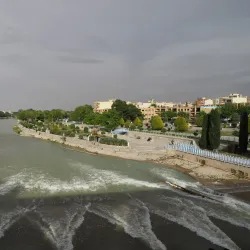
Khaju Bridge is another famous bridge over the Zayanderud River, known for its artistic design and function as both a bridge and a dam.
It features beautiful tile work and serves as a popular spot for locals and tourists to relax and enjoy the river views.
Isfahan Grand Bazaar
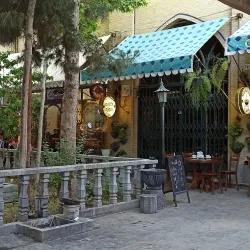

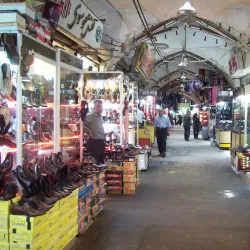
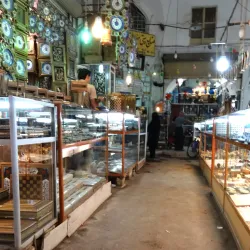
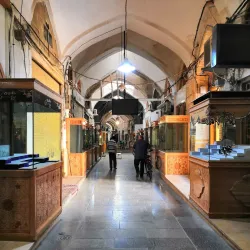
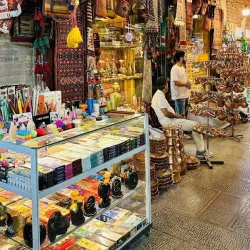
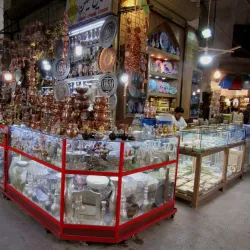
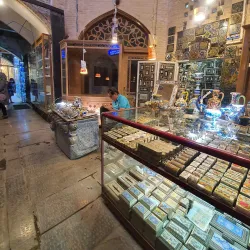
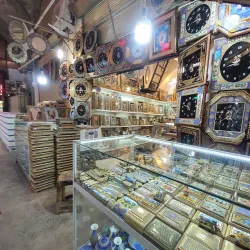
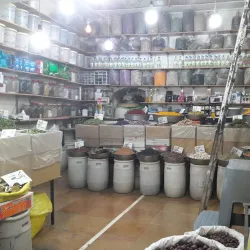
The Grand Bazaar of Isfahan is a sprawling traditional market located near Naqsh-e Jahan Square. It offers a wide range of goods including Persian carpets, spices, jewelry, and handicrafts.
The bazaar is a lively place to experience local culture and commerce, with many historic caravanserais and shops.
Chehel Sotoun Palace
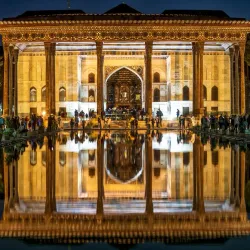
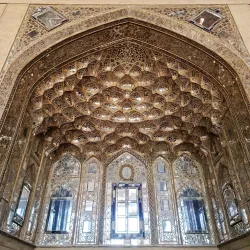
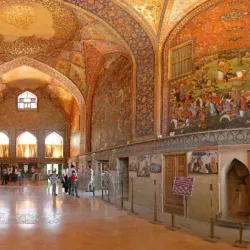
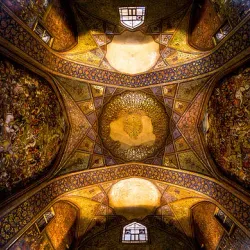
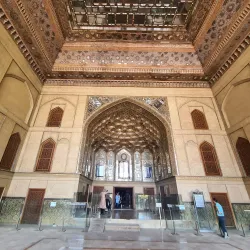
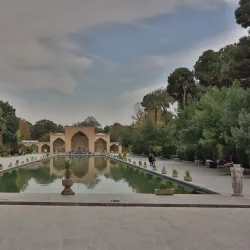
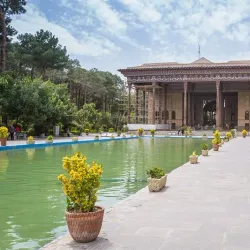
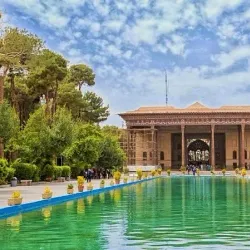

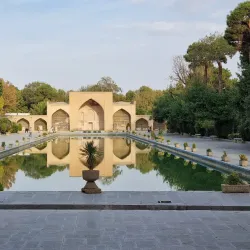
Chehel Sotoun, meaning 'Forty Columns,' is a pavilion in a beautiful garden, built by Shah Abbas II. The palace is known for its elegant wooden columns, frescoes, and mirror work.
It served as a venue for royal receptions and entertainment and is surrounded by a large Persian garden.
Jameh Mosque of Isfahan
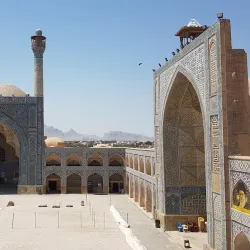
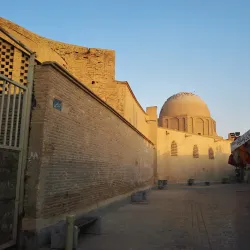
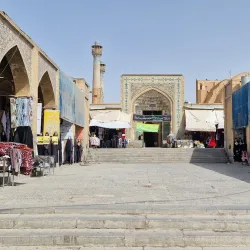
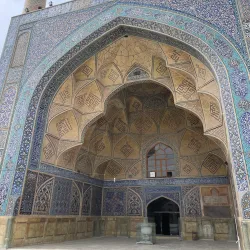
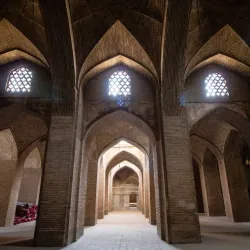
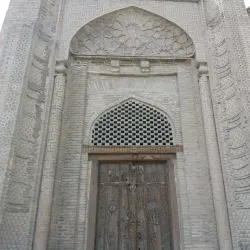
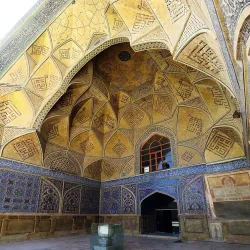
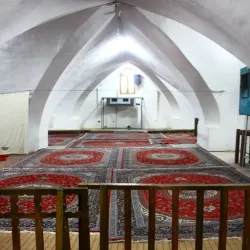
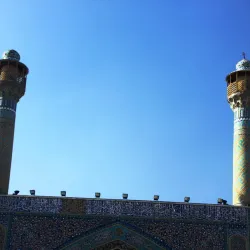
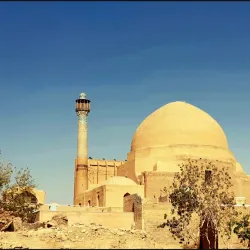
The Jameh Mosque is one of the oldest mosques in Iran and a UNESCO World Heritage Site. It showcases architectural styles from various Islamic periods, reflecting the evolution of Persian mosque design.
The mosque features a large courtyard, four iwans, and intricate tile work, making it a significant religious and historical site.
Vank Cathedral
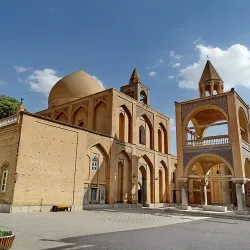
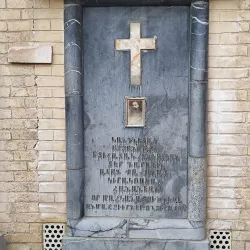
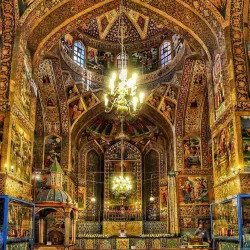
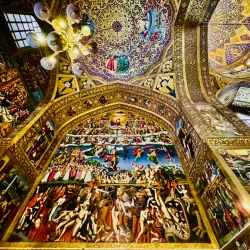
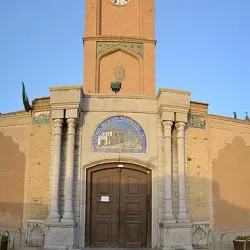
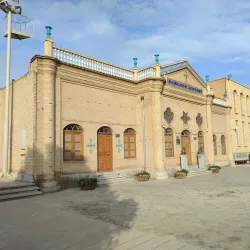
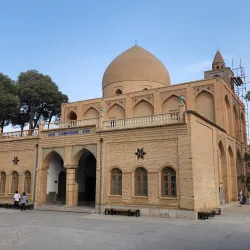
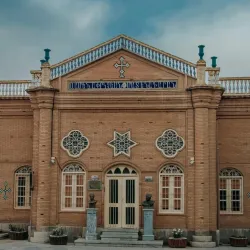
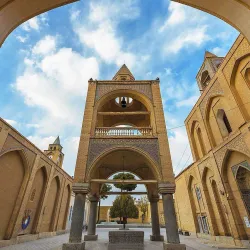
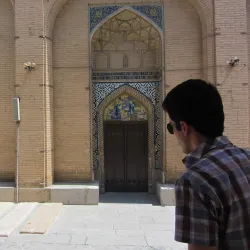
Vank Cathedral is an Armenian church located in the Jolfa district of Isfahan. It combines Armenian and Persian architectural elements and is known for its beautiful frescoes and gilded decorations.
The cathedral also houses a museum that displays Armenian artifacts and the history of the Armenian community in Isfahan.