
Quality of life in Pardis
Cost of Living, Healthcare, Safety, Education, and More
About Pardis
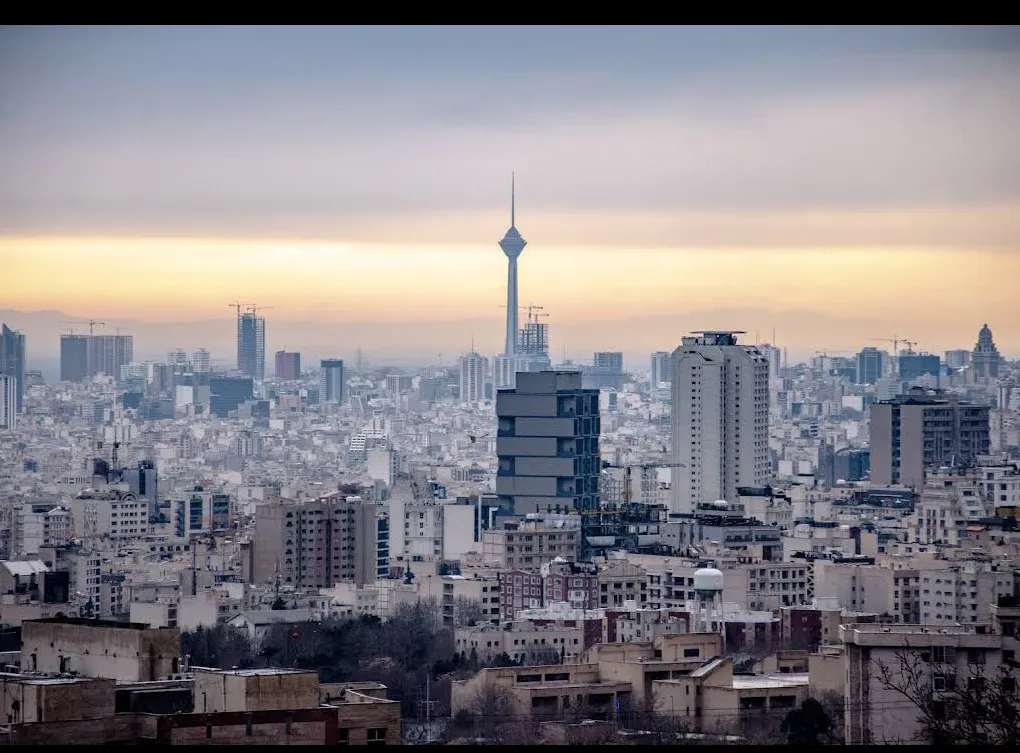
Pardis, a burgeoning city in Iran, is known for its modern infrastructure and strategic location near Tehran. As a satellite city, it offers a blend of urban convenience and suburban tranquility, making it an attractive destination for both residents and visitors.The city is characterized by its rapidly growing residential areas, educational institutions, and industrial zones. Pardis is increasingly becoming a hub for technology and innovation, attracting a young and dynamic population.With its proximity to the capital, Pardis benefits from the cultural and economic activities of Tehran while maintaining its unique identity. The city is also noted for its commitment to sustainable development and green spaces, enhancing the quality of life for its inhabitants.


History and Culture
Pardis is a relatively new city, established as part of Iran's efforts to decentralize the population from Tehran. Its development began in the late 20th century, with a focus on creating a modern urban environment.
The city's culture is a reflection of its diverse population, which includes people from various parts of Iran. This diversity is evident in the local cuisine, festivals, and cultural practices that enrich the community.
Pardis hosts several cultural institutions and events that celebrate both traditional and contemporary Iranian art and culture. The city's commitment to cultural development is seen in its support for local artists and cultural initiatives.
Despite its modernity, Pardis respects and incorporates traditional Iranian architectural styles in its buildings and public spaces, creating a harmonious blend of old and new.
Things to do in Pardis
Visitors to Pardis can enjoy a variety of activities, from exploring its modern shopping centers to relaxing in its well-maintained parks. The city offers a range of dining options, featuring both traditional Iranian dishes and international cuisine.
Cultural enthusiasts can visit local galleries and theaters that showcase the vibrant arts scene of Pardis. The city also hosts several festivals throughout the year, celebrating everything from Persian New Year to local arts and crafts.
For those interested in outdoor activities, Pardis provides access to nearby natural attractions, including hiking trails and scenic landscapes. The city's commitment to green spaces ensures that residents and visitors alike can enjoy a breath of fresh air.
Quality of Life Rankings
Weather in Pardis
Pardis, Iran experiences a semi-arid climate characterized by hot, dry summers and mild, wet winters. The city receives an average annual precipitation of approximately 10 inches (250 mm), with March being the wettest month, averaging around 2 inches (50 mm) of rainfall.
Seasonal Breakdown
- Spring (March to May)Temperatures gradually rise from an average high of 60°F (16°C) in March to 80°F (27°C) in May. Rainfall is highest in March, with the city receiving around 2 inches (50 mm) of precipitation, which decreases as the season progresses.
- Summer (June to August)The hottest months, with average highs ranging from 90°F (32°C) in June to 100°F (38°C) in July and August. Rainfall is minimal during the summer, averaging less than 0.5 inches (12 mm) per month.
- Autumn (September to November)Temperatures gradually decrease from an average high of 85°F (29°C) in September to 65°F (18°C) in November. Rainfall remains low, averaging around 1 inch (25 mm) per month.
- Winter (December to February)The coldest period, with average highs ranging from 50°F (10°C) in December to 55°F (13°C) in February. Rainfall increases slightly, with January receiving about 1.5 inches (38 mm) of precipitation.
Notable Weather Events
- Occasional heatwaves during the summer months, with temperatures exceeding 100°F (38°C).
- Rare instances of frost during the winter months, particularly in January.
- Dust storms can occur, especially during the dry summer months.
Pardis's Political Climate
Pardis, a city located in Iran, is part of the Tehran Province and is known for its rapidly developing urban landscape. The political climate in Pardis is influenced by the broader national political environment of Iran, which is characterized by a theocratic republic framework. The city is governed under the auspices of the central government, with local governance structures that align with national policies.
Historically, Pardis has been a part of Iran's strategic urban development plans, particularly as a satellite city to alleviate the population pressure on Tehran. The political leadership in Pardis is appointed in accordance with the national government's directives, and local policies often reflect the priorities set by the central authorities. Key political issues in Pardis include urban development, infrastructure expansion, and housing projects to accommodate its growing population.
Pardis has seen initiatives aimed at improving sustainability and urban living conditions, although these are often guided by national policies rather than local innovation. The political climate in Pardis, like much of Iran, is influenced by broader socio-political dynamics, including economic sanctions, international relations, and domestic policy reforms. Recent trends indicate a focus on enhancing local infrastructure and public services, aligning with Iran's national development goals.
Political Quick Facts
- Voter TurnoutApproximately 60%
- City GovernanceLocal governance under national oversight
- CompositionMajority conservative with some reformist representation
- Recent Political ChangesIncreased focus on urban development and housing projects
- EngagementModerate, with civic participation primarily in national elections
- Political ScorecardModerate, with emphasis on alignment with national policies
- Legislative PrioritiesUrban development Infrastructure expansion Housing projects
- Public OpinionGenerally conservative with support for national policies
Notable Political Figures
- Ali RezaeiCurrent mayor of Pardis, known for his focus on urban development.
- Fatemeh KarimiLocal council member advocating for improved public services.
- Hossein MohammadiInfluential figure in housing policy reforms.