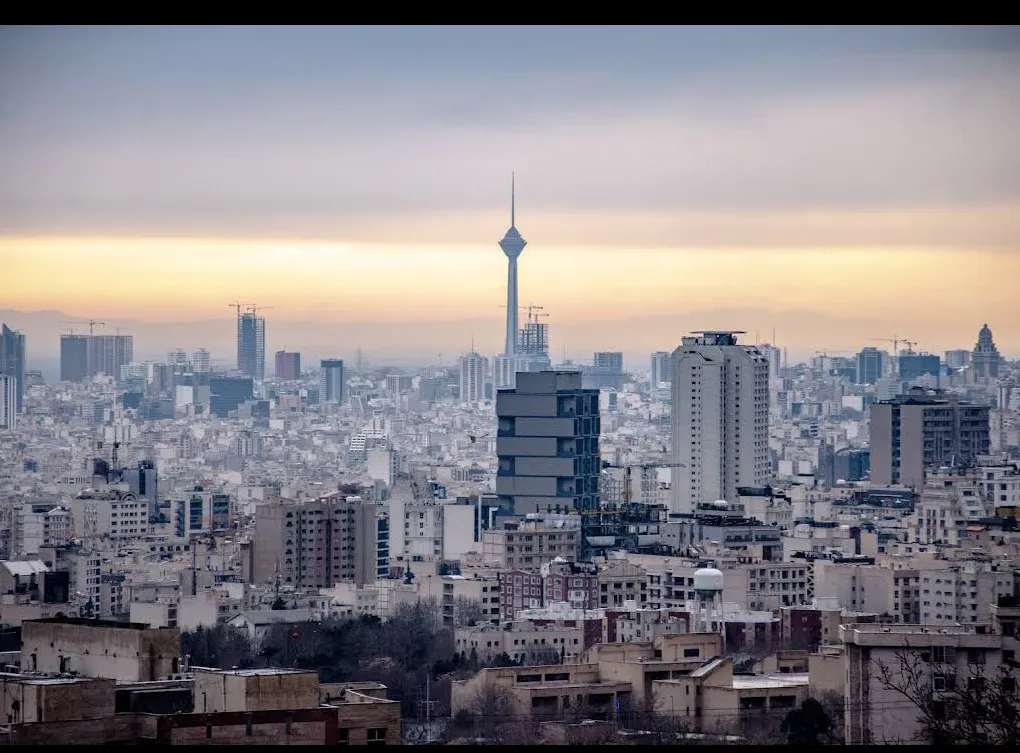
Traffic in Salmas
Salmas, a city in Iran, presents a unique traffic scenario with negligible data on transportation modes and commute times.Efforts to improve data collection and analysis could significantly enhance transportation planning and efficiency in Salmas.Average Commute Times
More Information
Seasonal Trends
Without specific data, it's challenging to determine seasonal traffic trends in Salmas.
Collecting seasonal data could reveal patterns that help in managing peak traffic periods.
Commuter Pain Points
The absence of data makes it difficult to pinpoint specific commuter challenges in Salmas.
Feedback from residents could be valuable in identifying and addressing common traffic issues.
Best Travel Times
Due to the lack of data, recommending optimal travel times in Salmas is not feasible.
Once data is available, analysis could suggest the best times to avoid congestion.
Event Impacts
Public events' impact on traffic in Salmas is not documented due to insufficient data.
Tracking event-related traffic changes could help in planning and reducing congestion during such times.
Sustainability Efforts
Salmas could benefit from initiatives aimed at reducing traffic congestion and emissions.
Promoting public transportation and non-motorized travel could be effective strategies.
Ride-Sharing Impact
The influence of ride-sharing services on Salmas' traffic is not currently measured.
Encouraging ride-sharing could potentially reduce the number of vehicles on the road, easing traffic flow.