Things to do in Salmas
Salmas is a city located in the West Azerbaijan province of Iran, known for its rich history and cultural heritage. It is situated in a region with diverse landscapes, including mountains and plains, offering visitors a blend of natural beauty and historical sites.The city and its surroundings are home to various ancient ruins, religious sites, and traditional bazaars that reflect the local culture and history. Salmas provides a unique experience for travelers interested in exploring less-visited but historically significant areas of Iran.Saint Thaddeus Monastery (Qara Kelisa)
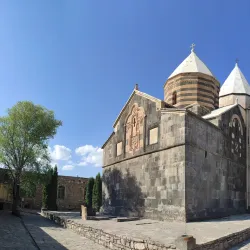
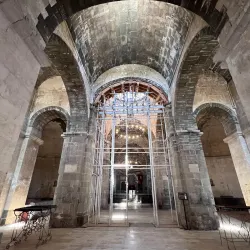
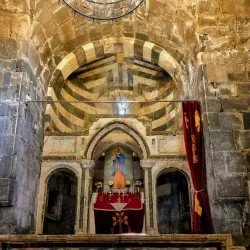
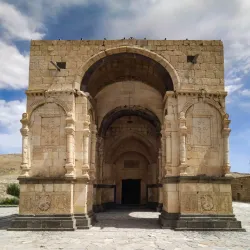
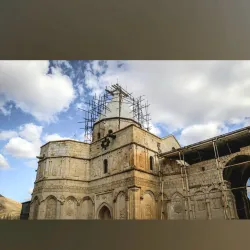
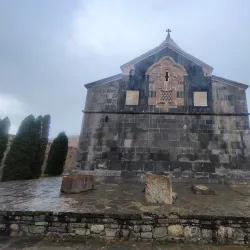
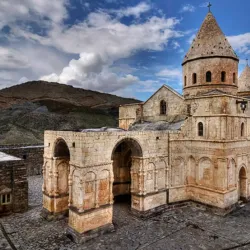
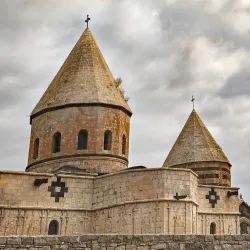
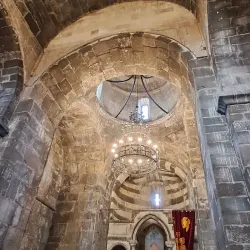
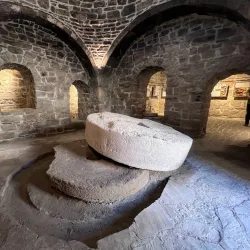
This ancient Armenian monastery, also known as the Black Church, is one of the oldest surviving Christian monuments in Iran and a UNESCO World Heritage Site. It is renowned for its unique architecture and historical significance as a pilgrimage site for Armenian Christians.
The monastery is located in a picturesque setting surrounded by mountains, making it a popular destination for both religious visitors and tourists interested in history and architecture.
Salmas Bazaar
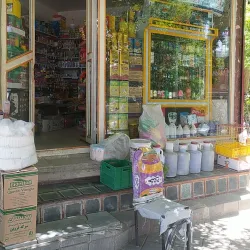
The traditional bazaar in Salmas offers a glimpse into the local culture and commerce. Visitors can explore various stalls selling handicrafts, spices, textiles, and local produce.
The bazaar is a lively place where one can experience the daily life of the residents and enjoy the authentic atmosphere of an Iranian market town.
Salmas Museum
The Salmas Museum houses artifacts and exhibits related to the history and culture of the region. It provides insights into the ancient civilizations that once inhabited the area, including archaeological finds and ethnographic displays.
The museum is a valuable stop for those interested in learning more about the local heritage and historical context of Salmas and its surroundings.
Mount Sabalan
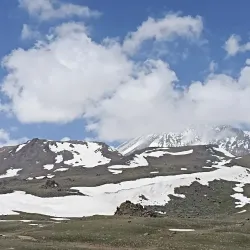
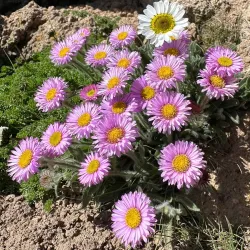
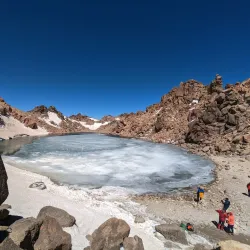
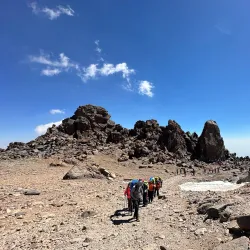
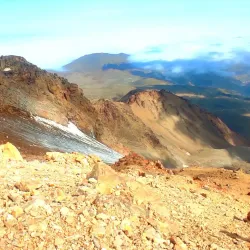
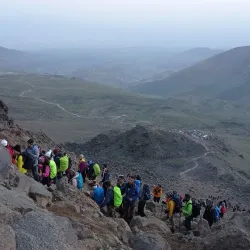
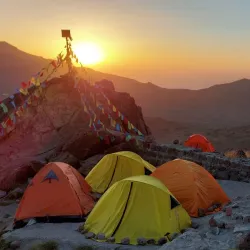
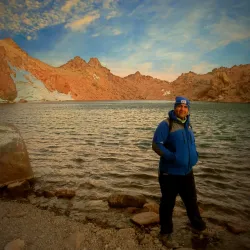
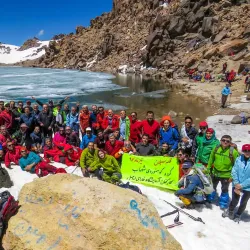
Although not directly in Salmas, Mount Sabalan is a notable natural attraction nearby. It is an inactive stratovolcano and the third highest mountain in Iran, known for its stunning landscapes and hot springs.
Outdoor enthusiasts visit Sabalan for hiking, climbing, and enjoying the natural hot springs, which are believed to have therapeutic properties.
Saint Stepanos Monastery
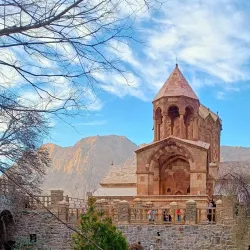
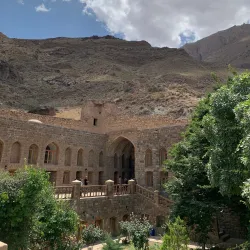
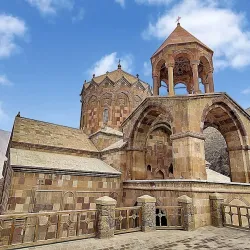
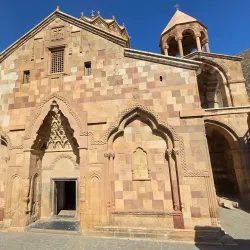
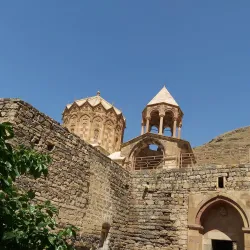
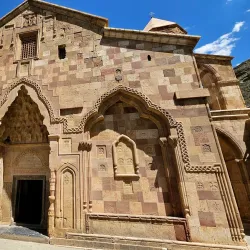
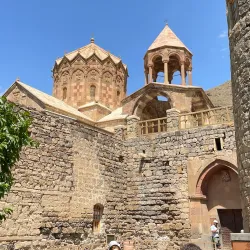
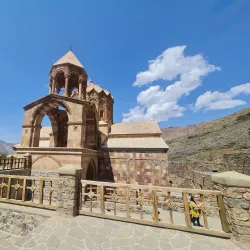
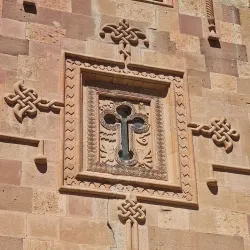
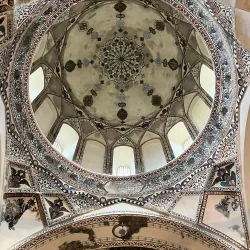
Another significant Armenian monastery near Salmas, Saint Stepanos is known for its beautiful architecture and historical importance. It is part of the Armenian Apostolic Church and attracts visitors interested in religious history and architecture.
The monastery is set in a scenic location, offering both spiritual and visual appeal to visitors.
Lake Urmia
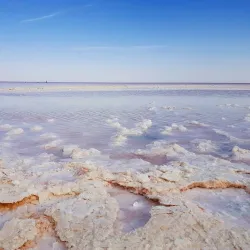
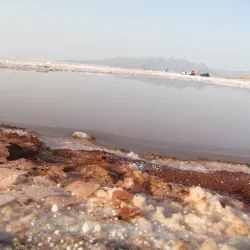
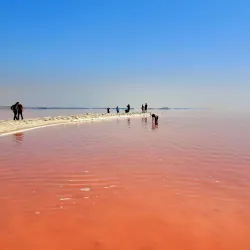
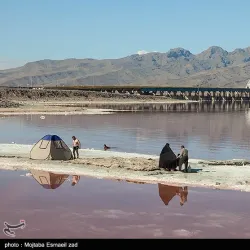
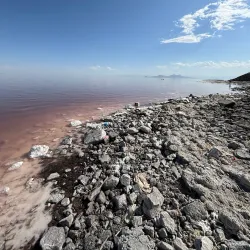
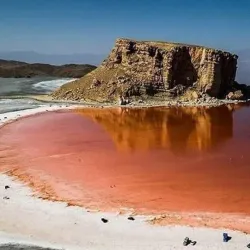
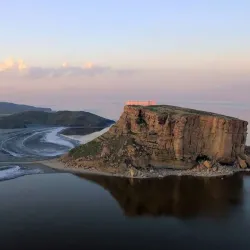
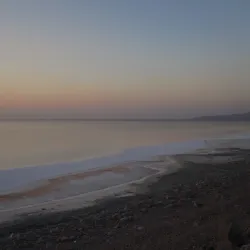
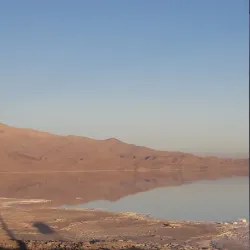
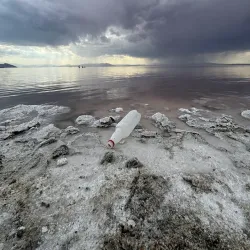
Lake Urmia, located relatively close to Salmas, is one of the largest saltwater lakes in the Middle East. It is known for its unique ecosystem and striking natural beauty.
Although the lake has faced environmental challenges, it remains a significant natural landmark in the region, attracting visitors interested in nature and birdwatching.
Khosrow Abad Caravanserai
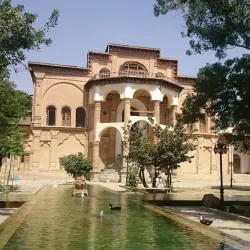
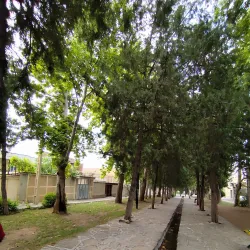
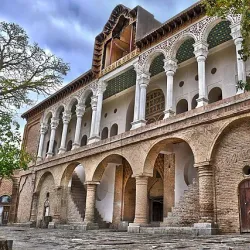
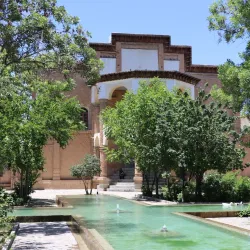
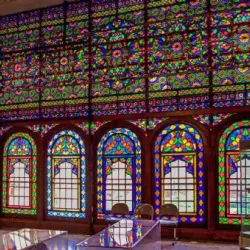
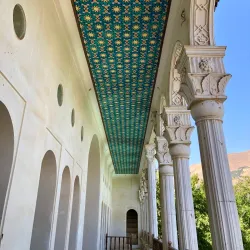
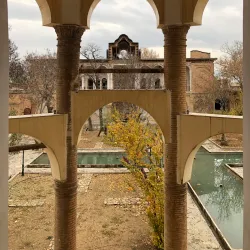
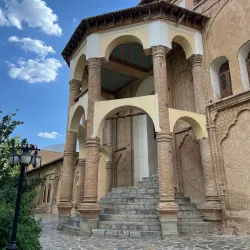
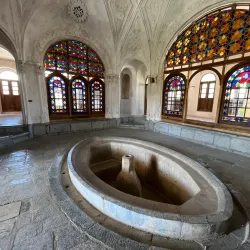
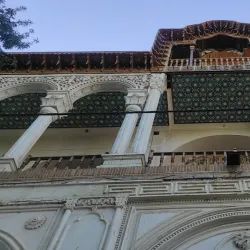
This historic caravanserai near Salmas served as a resting place for travelers and traders along ancient trade routes. It showcases traditional Persian architecture and offers a glimpse into the region's historical role in commerce and travel.
Visitors can explore the structure and learn about the historical significance of caravanserais in facilitating trade and cultural exchange.
Local Traditional Villages
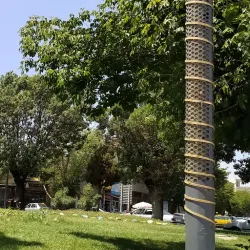
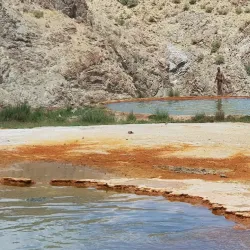
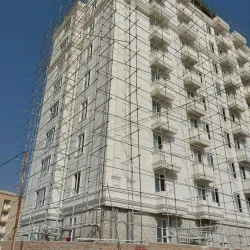
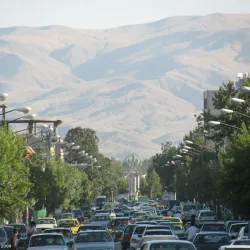
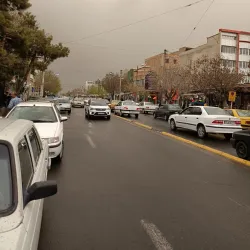
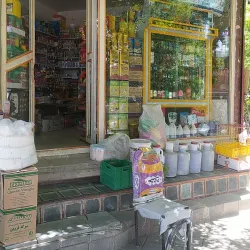
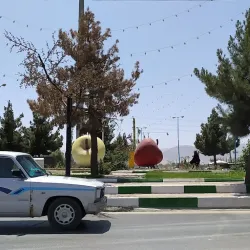
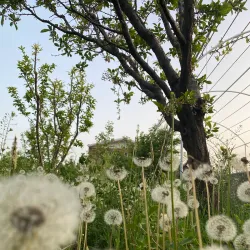
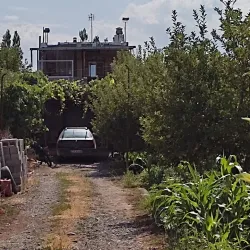

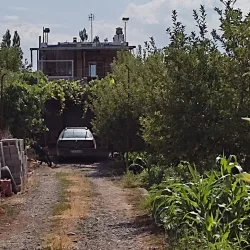
The villages around Salmas offer a chance to experience rural life and traditional customs of the region. Visitors can see traditional houses, local crafts, and agricultural practices that have been preserved over generations.
These villages provide a cultural immersion experience and an opportunity to interact with local communities.
Salmas River
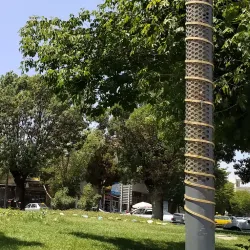
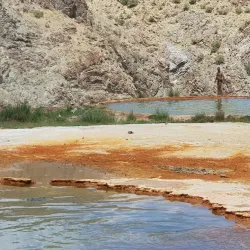

The Salmas River flows through the region, providing scenic spots for relaxation and picnics. The river and its surroundings are important for local agriculture and contribute to the area's natural beauty.
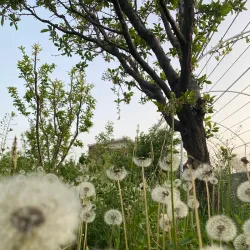
Visitors can enjoy walks along the riverbanks and observe the local flora and fauna.
Historical Ruins of Salmas
Scattered around Salmas are various archaeological sites and ruins that reflect the area's ancient past. These sites include remnants of old fortifications, settlements, and religious structures.
Exploring these ruins offers insight into the historical development of the region and its strategic importance over centuries.