Things to do in Urmia
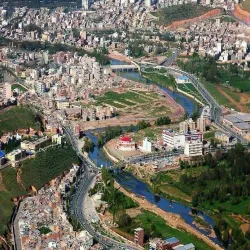
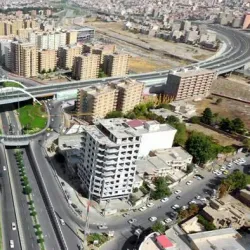
Urmia, the capital city of West Azerbaijan Province in Iran, is a city rich in history and cultural diversity. It is known for its unique blend of ethnic groups, including Azeris, Kurds, and Assyrians, which contributes to its vibrant cultural tapestry.The city is situated near Lake Urmia, one of the largest saltwater lakes in the Middle East, offering stunning natural landscapes and opportunities for outdoor activities. Urmia's neighborhoods reflect a mix of traditional and modern influences, with historical sites, bustling bazaars, and serene parks.Lake Urmia
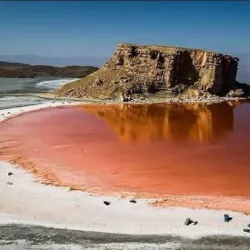
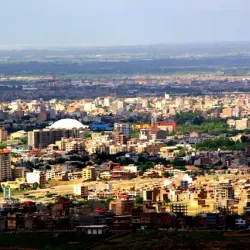
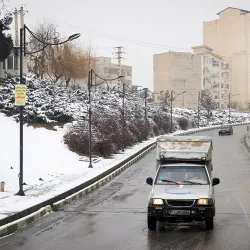
Lake Urmia is a significant natural landmark near the city, known for its striking saltwater and unique ecosystem. It is one of the largest salt lakes in the world and provides a habitat for various bird species, including flamingos.
Although the lake has faced environmental challenges, it remains a popular spot for sightseeing and photography, especially during sunset when the water reflects vibrant colors.
Urmia Bazaar
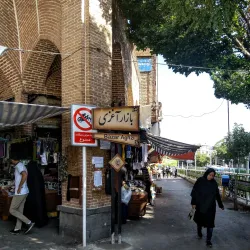
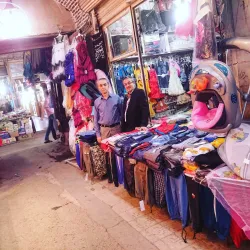
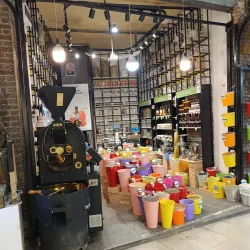
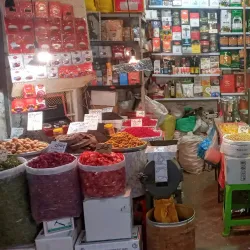
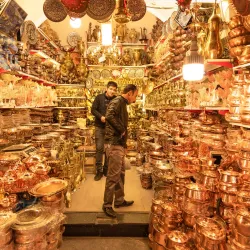
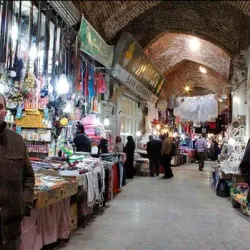
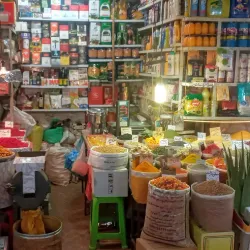
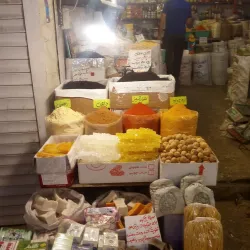
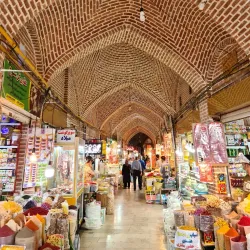
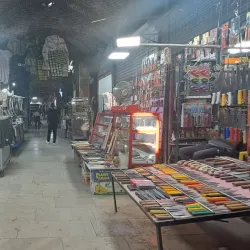
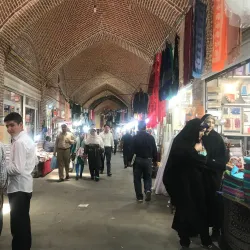
The Urmia Bazaar is a traditional marketplace where visitors can experience the local culture and commerce. It features a variety of shops selling spices, handicrafts, textiles, and fresh produce.
The bazaar's architecture and lively atmosphere offer a glimpse into the daily life of Urmia's residents and the city's commercial history.
Saint Thaddeus Monastery (Kara Kilise)
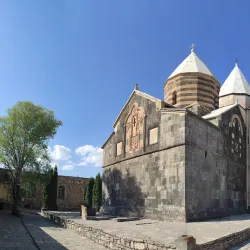
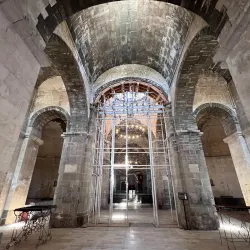
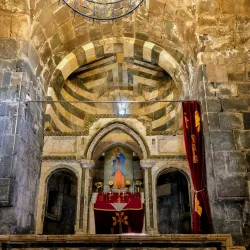
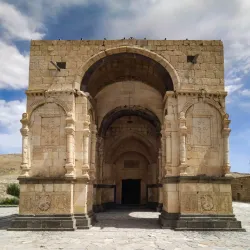
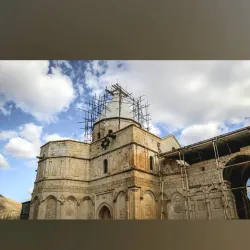
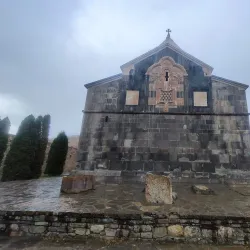
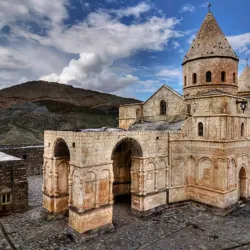
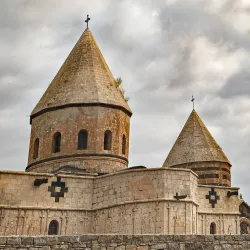
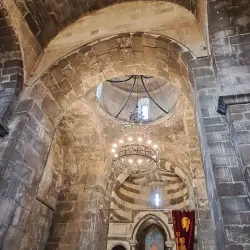
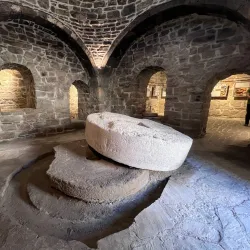
Located near Urmia, this ancient Armenian monastery is one of the oldest and most significant Christian sites in the region. It is renowned for its unique architecture and historical importance.
The monastery attracts pilgrims and tourists alike, offering insight into the Armenian heritage and religious history of the area.
Urmia Museum
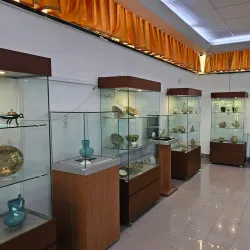
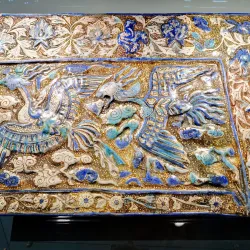
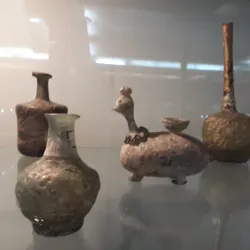
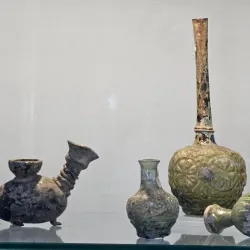
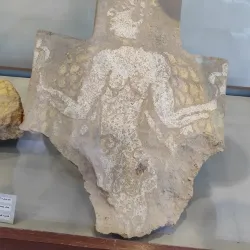
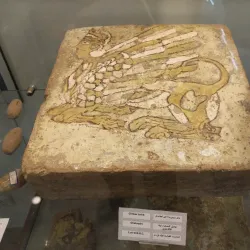
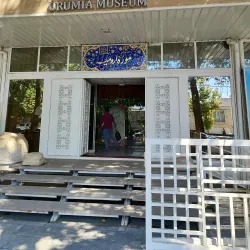
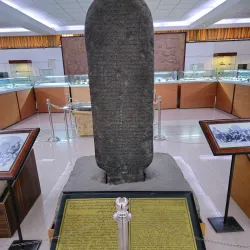
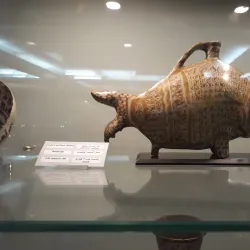
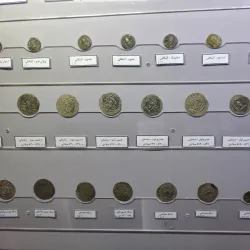
The Urmia Museum houses a collection of artifacts that reflect the region's rich history and cultural diversity. Exhibits include archaeological finds, traditional costumes, and historical documents.
The museum provides educational opportunities for visitors to learn about the ancient civilizations and ethnic groups that have inhabited the area.
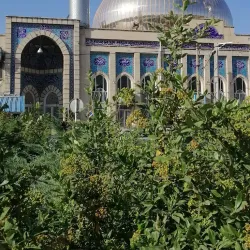
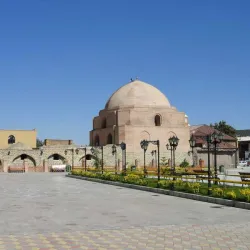
Jameh Mosque of Urmia
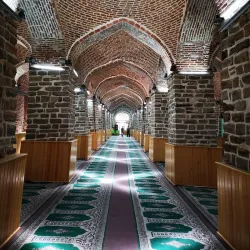
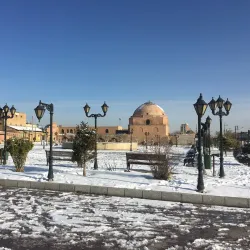
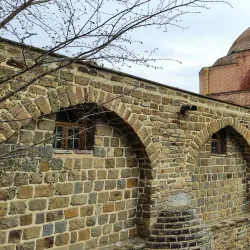
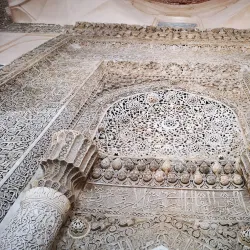
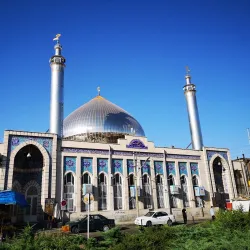
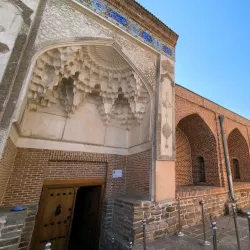
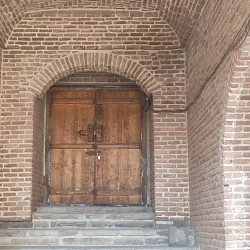
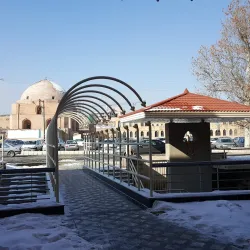
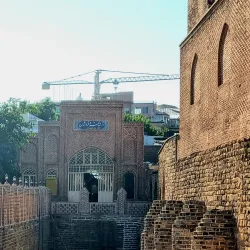
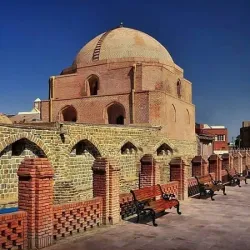
This historic mosque is a prominent religious site in Urmia, showcasing traditional Islamic architecture. It serves as a place of worship and a cultural landmark within the city.
The mosque's intricate tile work and design elements highlight the artistic heritage of the region.
Shahrdari Park
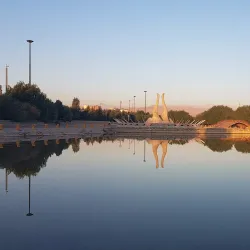
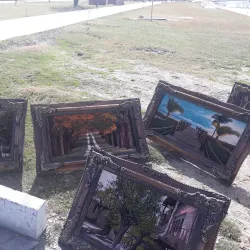
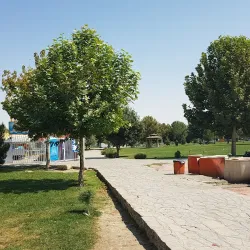
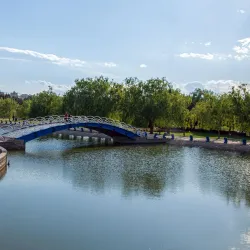
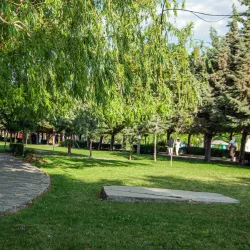
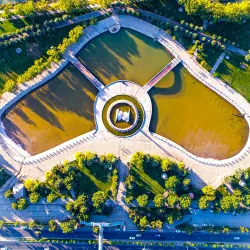
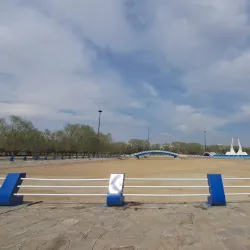
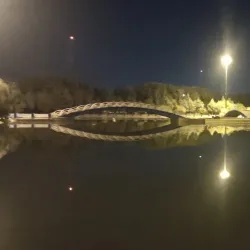
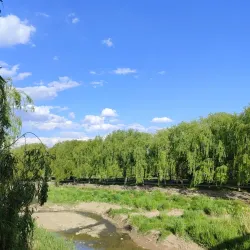
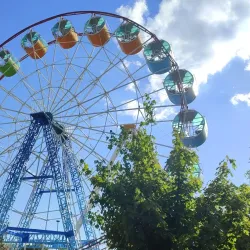
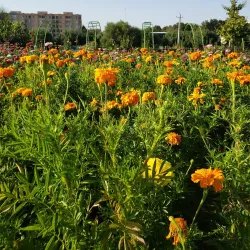
Shahrdari Park is a popular green space in Urmia, offering a peaceful environment for relaxation and recreation. It features walking paths, playgrounds, and picnic areas.
The park is a favorite spot for families and visitors looking to enjoy nature within the urban setting.
Urmia University
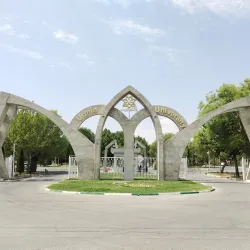
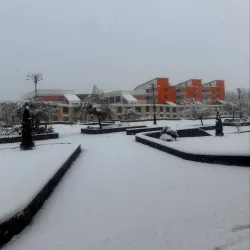
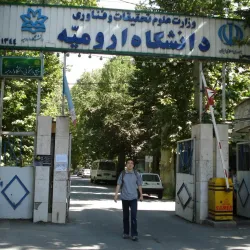
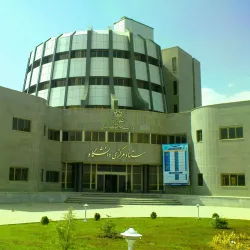
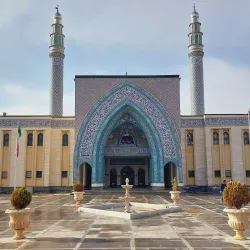
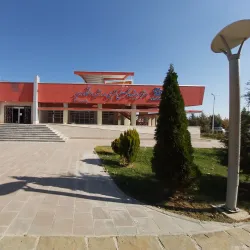
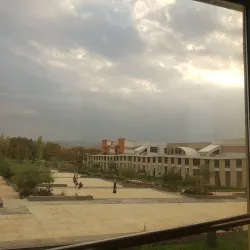
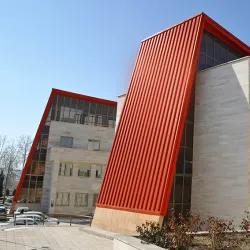
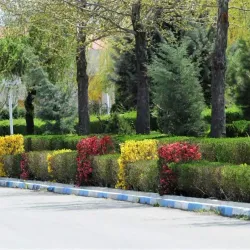
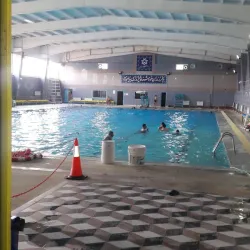
Urmia University is one of the oldest universities in Iran, known for its academic contributions and beautiful campus. It plays a significant role in the educational and cultural life of the city.
Visitors interested in educational institutions and modern Iranian architecture may find the university campus worth exploring.
Saint Mary Church of Urmia
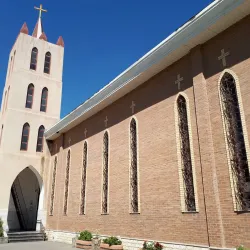
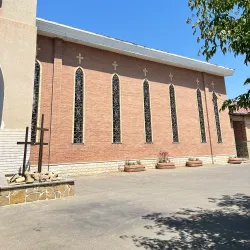
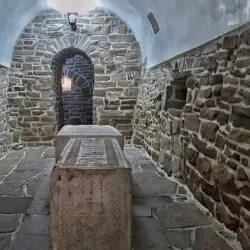
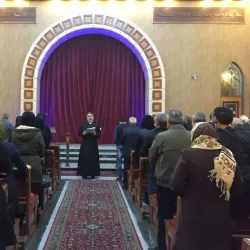
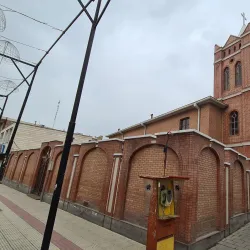
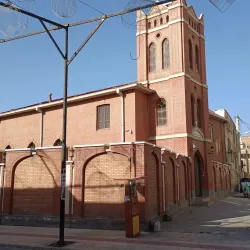
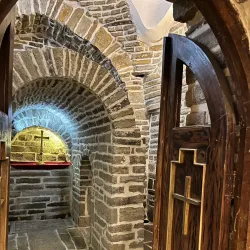
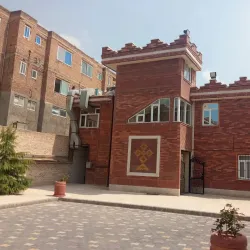
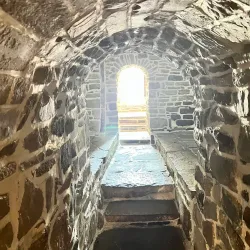
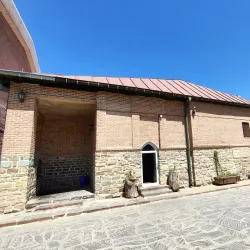
This historic church is an important religious and cultural site for the Christian community in Urmia. It reflects the city's religious diversity and architectural heritage.
The church is noted for its beautiful frescoes and traditional design, attracting visitors interested in religious history.
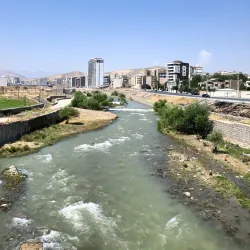
Baranduz River
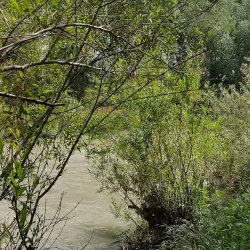
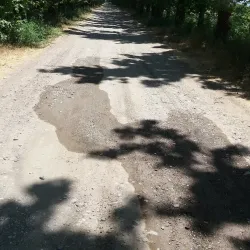
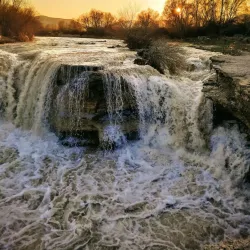
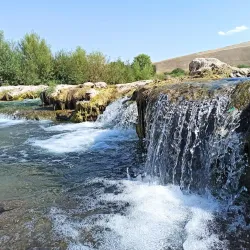
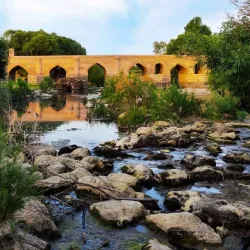
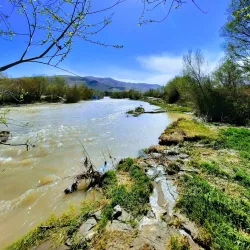
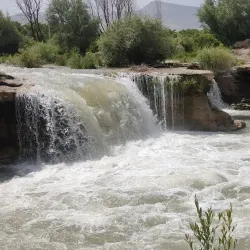
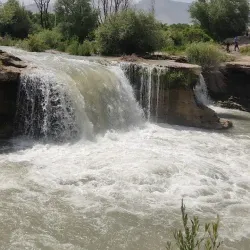
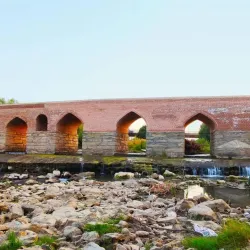
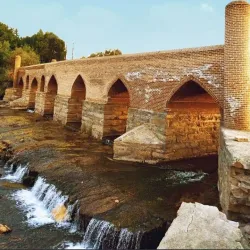
The Baranduz River flows near Urmia and provides scenic views and opportunities for outdoor activities such as picnicking and walking along its banks.
The river area is appreciated for its natural beauty and as a tranquil escape from the city's bustle.
Qara Kelisa (Black Church)
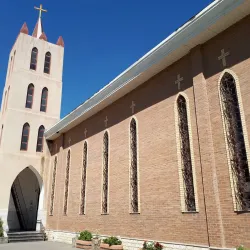
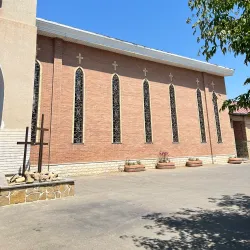
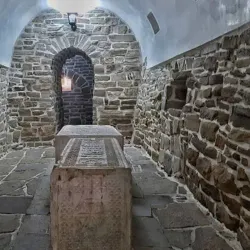
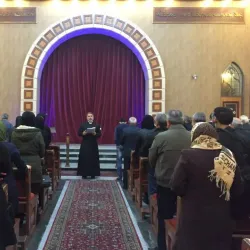
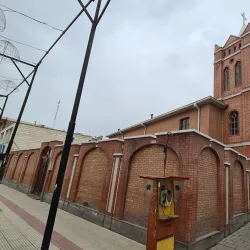
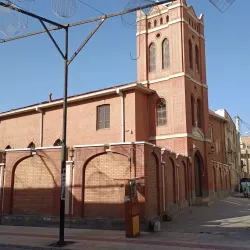
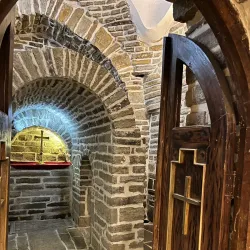
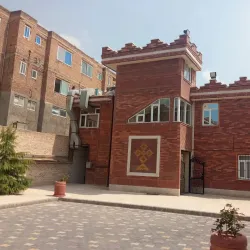
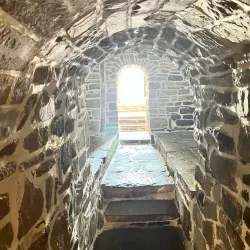
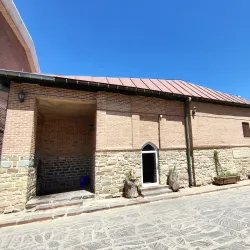
Qara Kelisa, also known as the Black Church, is a historic Armenian church near Urmia. It is famous for its dark stone construction and significant cultural heritage.
The church is a notable pilgrimage site and an architectural landmark that reflects the Armenian influence in the region.