Things to do in Karbala
Karbala is a city in central Iraq, renowned for its profound religious significance, especially within Shia Islam. It is a major pilgrimage destination, attracting millions of visitors annually, particularly during the observance of Ashura and Arbaeen.The city is known for its sacred shrines, historical landmarks, and vibrant cultural atmosphere. Karbala offers visitors a unique blend of spiritual reflection, historical exploration, and traditional Iraqi hospitality.Imam Hussein Shrine
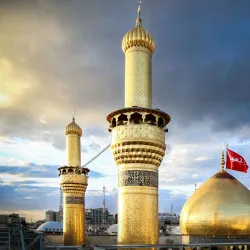
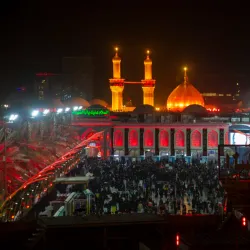
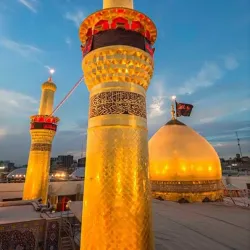
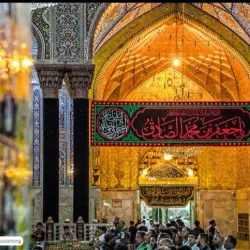
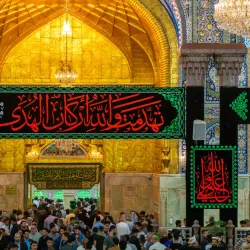
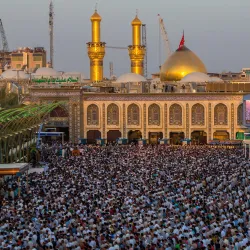
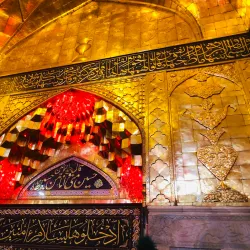
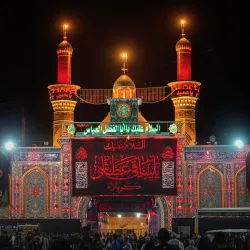
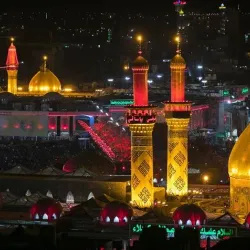
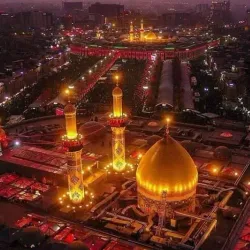
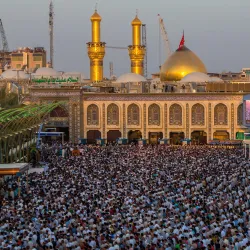
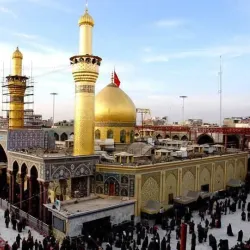
The Imam Hussein Shrine is the burial site of Hussein ibn Ali, the grandson of the Prophet Muhammad and a central figure in Shia Islam. It is one of the holiest sites for Shia Muslims and a focal point for pilgrimage, especially during Ashura and Arbaeen.
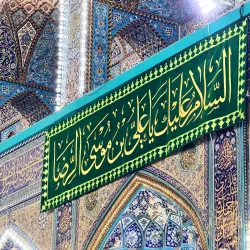
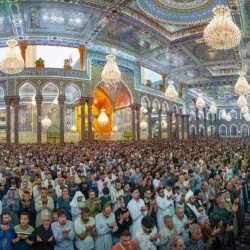
The shrine complex features stunning Islamic architecture, intricate tile work, and a large courtyard that accommodates millions of visitors during religious events.
Al-Abbas Shrine
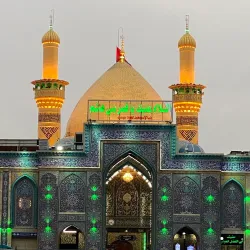
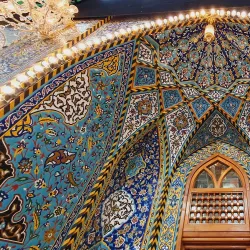
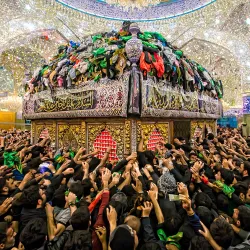
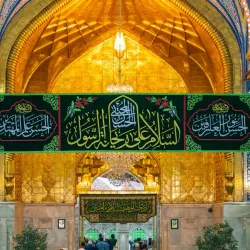
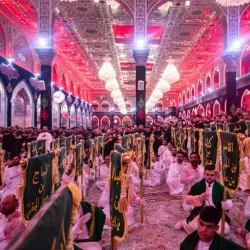
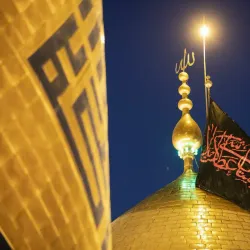
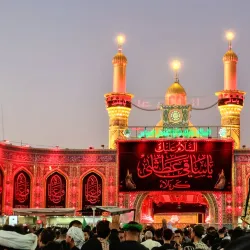
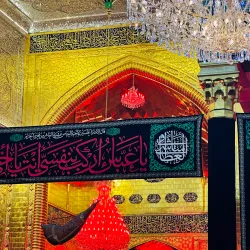
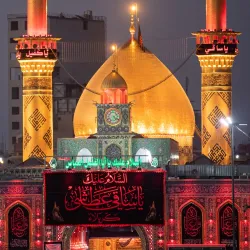
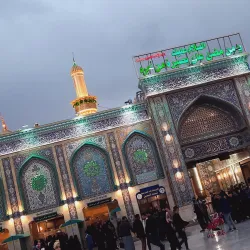
The Al-Abbas Shrine is dedicated to Abbas ibn Ali, the half-brother of Imam Hussein and a revered figure in Shia Islam. The shrine is known for its beautiful golden dome and minarets, attracting millions of pilgrims annually.
It stands as a symbol of loyalty and sacrifice, with elaborate decorations and a peaceful atmosphere for worshippers and visitors alike.
Karbala Old City
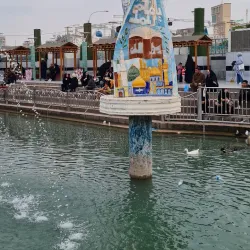
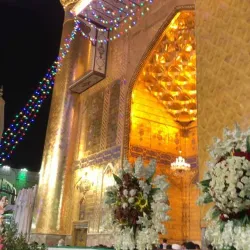
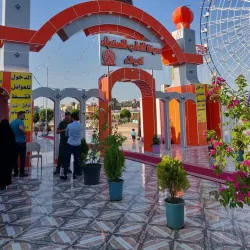
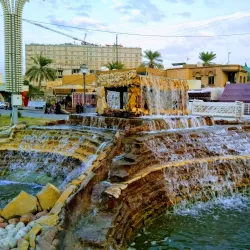
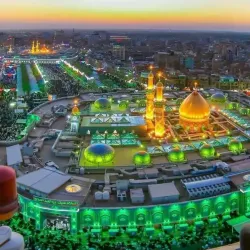
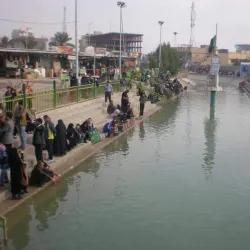
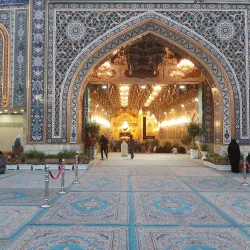
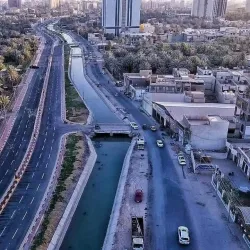
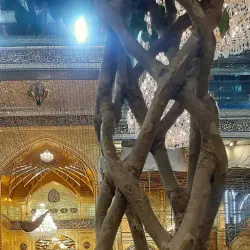
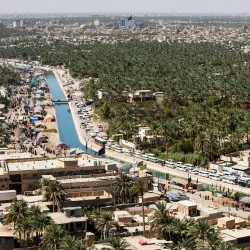
The Old City of Karbala offers a glimpse into the historical and cultural fabric of the city. It features traditional markets (souks), old mosques, and historic buildings that reflect the city's rich heritage.
Walking through the narrow streets, visitors can experience local crafts, traditional foods, and the everyday life of Karbala's residents.
Al-Mansuriyah Mosque
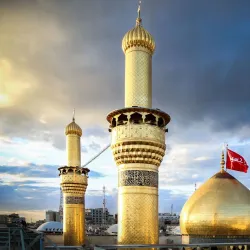
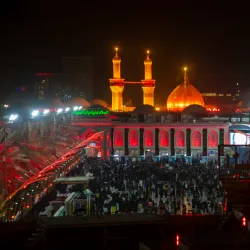
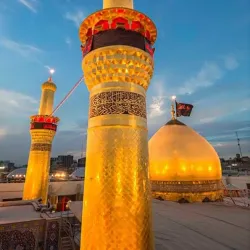
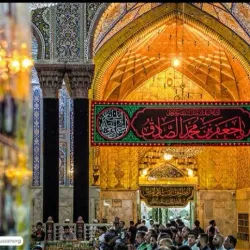
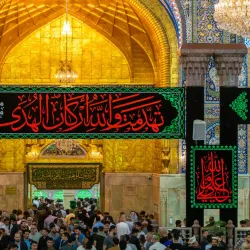
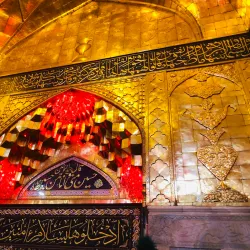
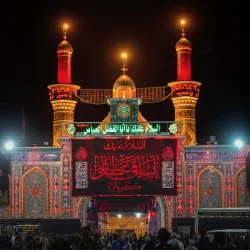
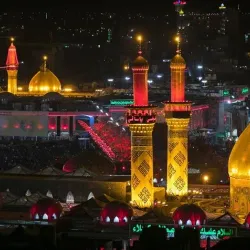
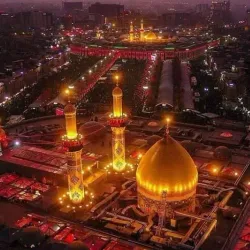
This mosque is one of the historical mosques in Karbala, known for its architectural beauty and religious significance. It serves as a place of worship and community gathering.
The mosque is a testament to the city's long-standing Islamic traditions and offers a serene environment for reflection.
Karbala Museum
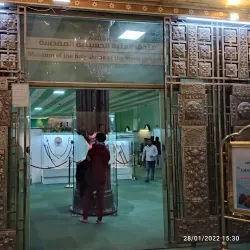
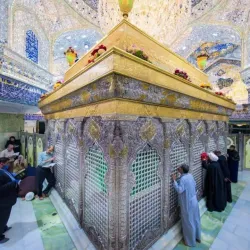
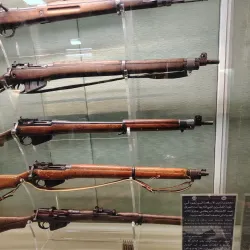
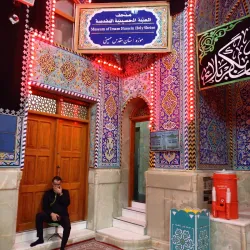
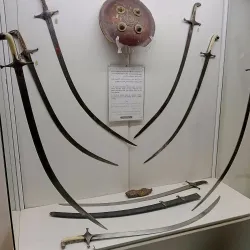
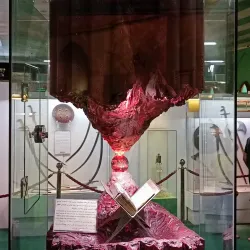
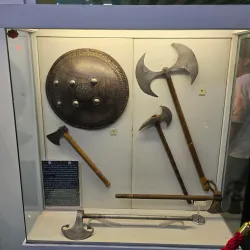
The Karbala Museum showcases artifacts, manuscripts, and exhibits related to the city's religious, cultural, and historical heritage.
It provides educational insights into the events of Karbala, the lives of its notable figures, and the broader history of Iraq.
Al-Hindiya Bridge
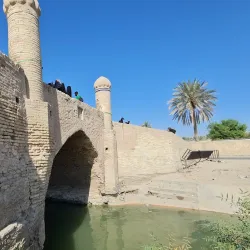
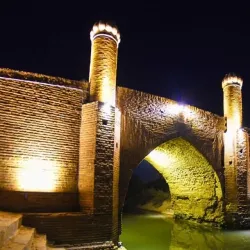
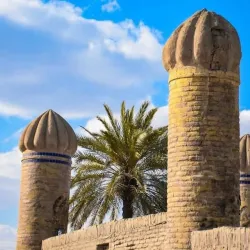
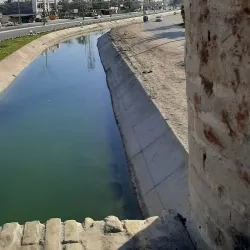
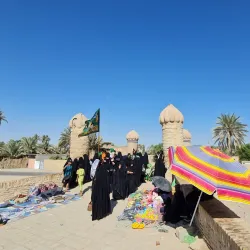
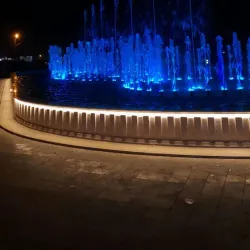
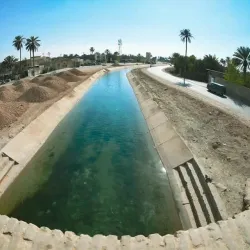
The Al-Hindiya Bridge is an important infrastructure landmark in Karbala, connecting different parts of the city across the Euphrates River.
It is also a scenic spot for visitors to view the river and surrounding areas, especially during sunset.
Euphrates River
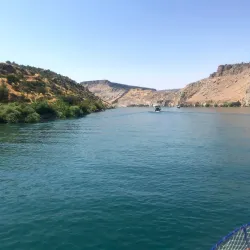
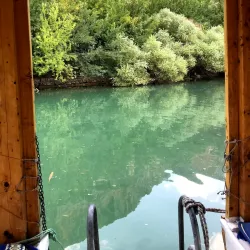
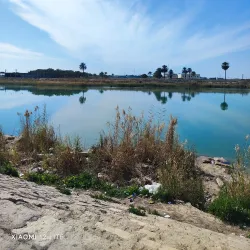
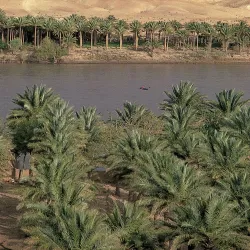
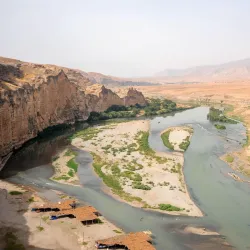
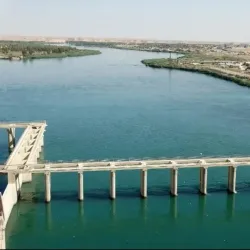
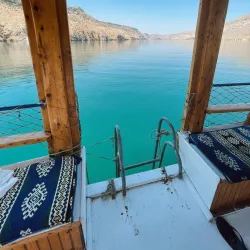
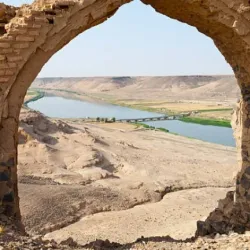
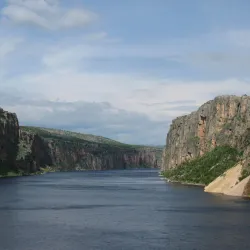
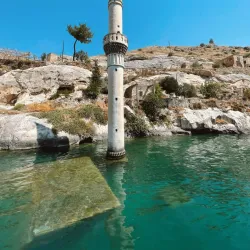
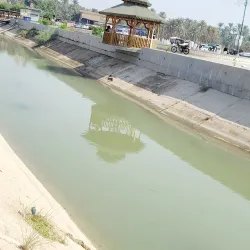
The Euphrates River flows near Karbala and is a vital water source for the region. It holds historical and cultural significance and offers natural beauty.
Visitors can enjoy riverside walks and observe local life along the riverbanks.
Al-Qibla Market
Al-Qibla Market is a bustling traditional market in Karbala where visitors can shop for religious items, souvenirs, local crafts, and traditional foods.
The market is vibrant and offers an authentic experience of the city's commercial and social life.
Ashura Square
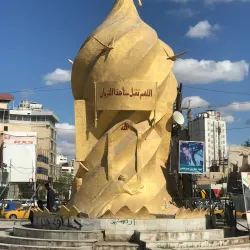
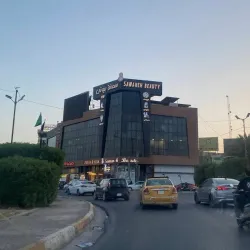
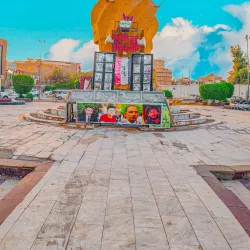
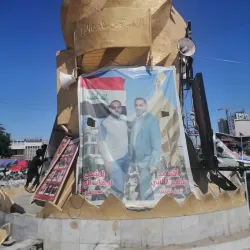
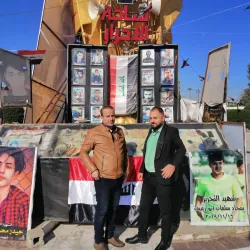
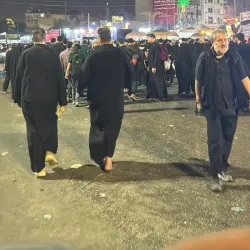
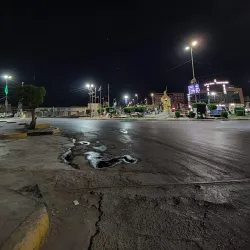
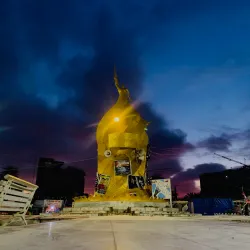
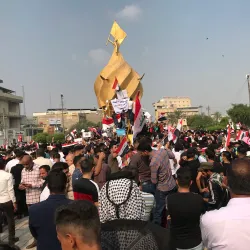
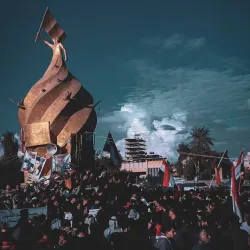
Ashura Square is a central public space in Karbala, often used for religious gatherings, ceremonies, and public events, especially during the Ashura commemorations.
It is a place where visitors can witness the deep cultural and religious expressions of the local community.
Al-Kafeel Museum
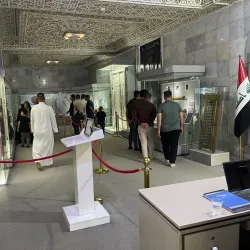
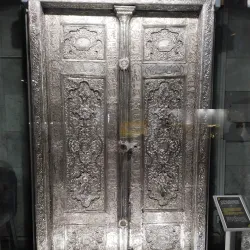
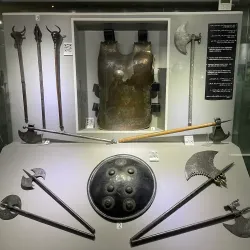
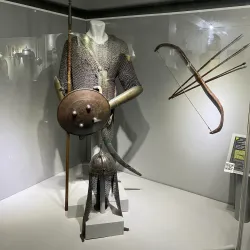
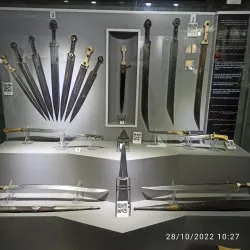
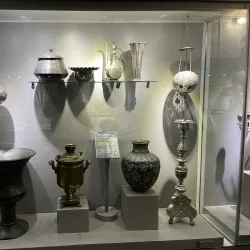
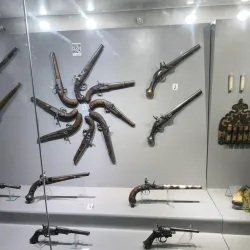
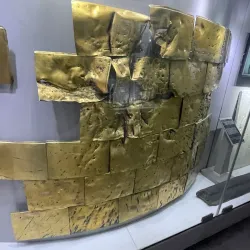
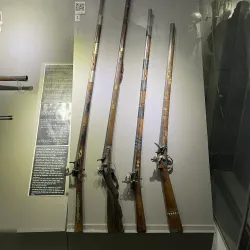
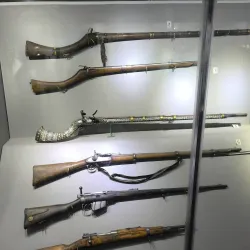
The Al-Kafeel Museum is dedicated to preserving and displaying religious artifacts, manuscripts, and artworks related to the history of Karbala and its shrines.
It offers visitors a deeper understanding of the city's spiritual and cultural legacy through curated exhibits.