Things to do in Sinjar
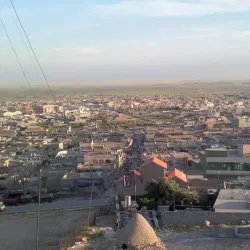
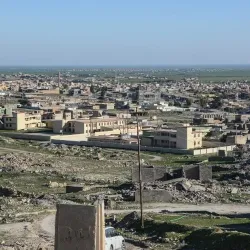
Sinjar is a town located in the Nineveh Governorate of Iraq, known for its rich history and cultural significance, particularly to the Yazidi community. The region is characterized by its mountainous terrain, including the prominent Sinjar Mountain, which holds both historical and religious importance.The area around Sinjar offers visitors a glimpse into ancient traditions, religious heritage, and natural beauty. Despite recent conflicts, efforts to preserve and restore the cultural landmarks continue, making Sinjar a place of resilience and historical depth.Sinjar Mountain
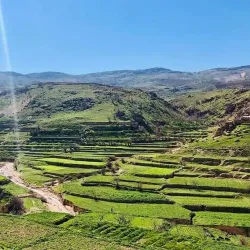
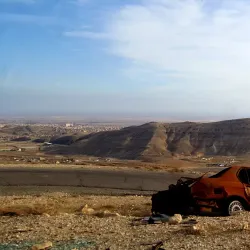
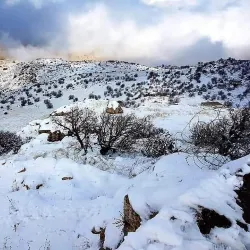
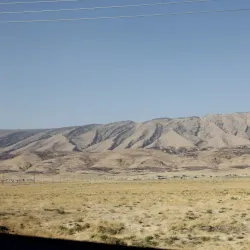
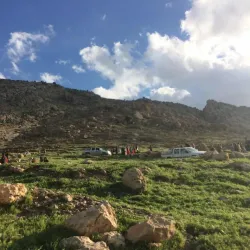
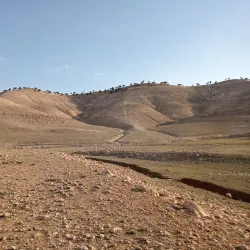
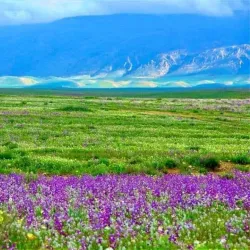
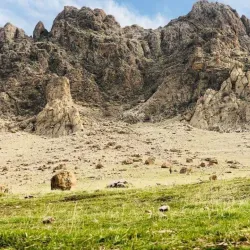
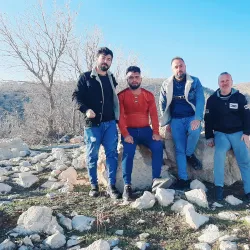
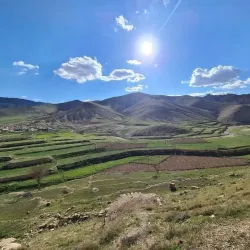
Sinjar Mountain is a prominent natural landmark in the region, known for its rugged terrain and historical significance. It has been a refuge for the Yazidi people during times of conflict and holds religious importance.
The mountain offers opportunities for hiking and exploring the natural environment, with panoramic views of the surrounding plains and villages.
Lalish Temple
Located near Sinjar, Lalish is the holiest site for the Yazidi community. It is a complex of temples and shrines dedicated to Yazidi religious figures, including Sheikh Adi ibn Musafir.
Pilgrims visit Lalish to perform religious rituals and ceremonies, making it a vital cultural and spiritual center.
Sinjar Yazidi Shrine
This shrine is an important religious site for the Yazidi people in Sinjar. It serves as a place of worship and community gathering, reflecting the spiritual traditions of the Yazidi faith.
The shrine is notable for its unique architectural style and cultural significance in the region.
Sinjar Market
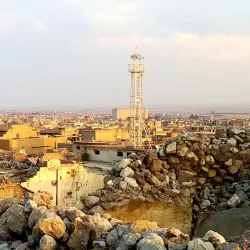
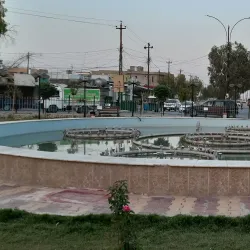
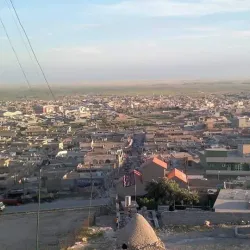
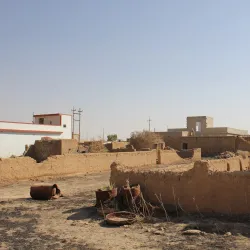
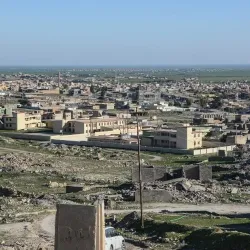
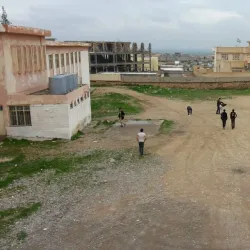
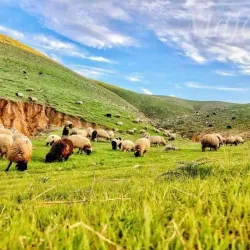
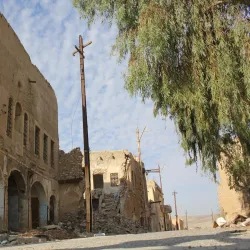
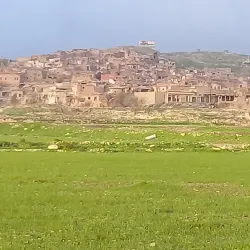
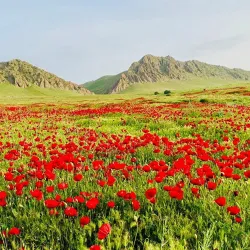
The local market in Sinjar offers a glimpse into daily life and commerce in the town. Visitors can find traditional crafts, local produce, and goods reflecting the cultural heritage of the area.
The market is a vibrant place to experience the social and economic interactions of the community.
Historical Yazidi Villages
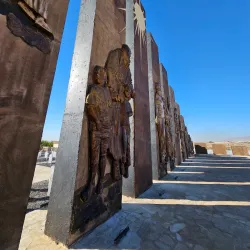
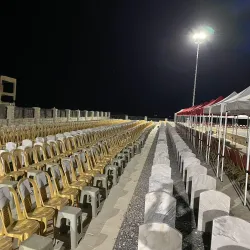
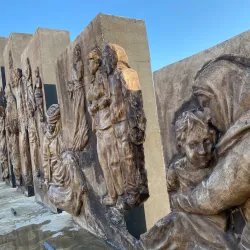
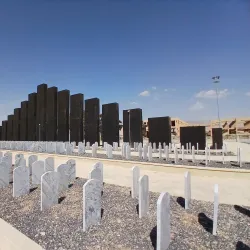
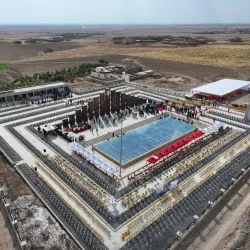
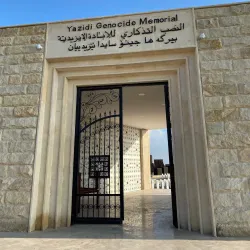
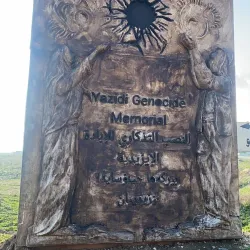
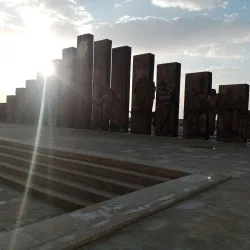
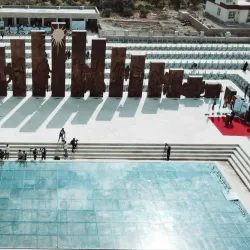
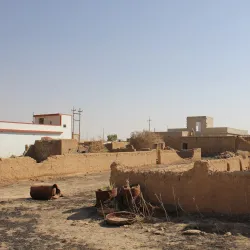
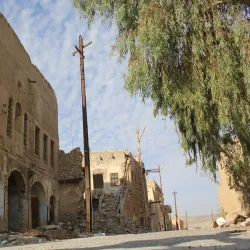
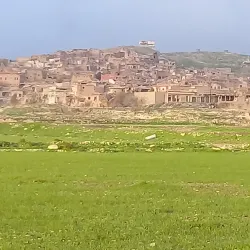
The villages surrounding Sinjar are home to Yazidi communities with deep historical roots. These villages feature traditional architecture and cultural practices that have been preserved over centuries.
Exploring these villages provides insight into the lifestyle and heritage of the Yazidi people.
Sinjar Cultural Center

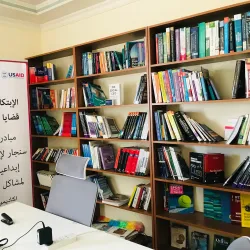
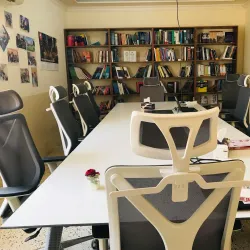






The Sinjar Cultural Center is dedicated to preserving and promoting the history and culture of the Sinjar region and its people. It hosts exhibitions, educational programs, and cultural events.
The center plays a key role in community rebuilding and cultural preservation efforts.
Mount Sinjar Viewpoints
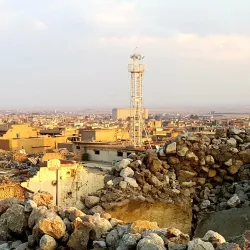
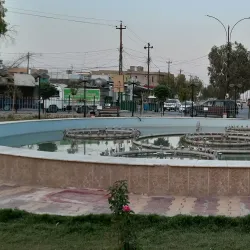
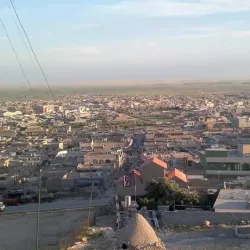
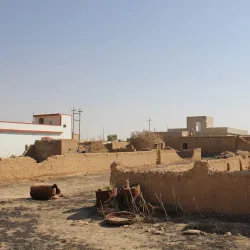
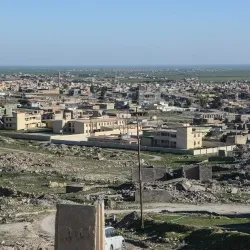
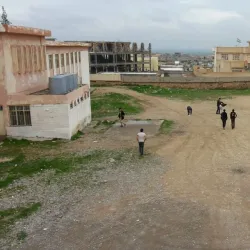
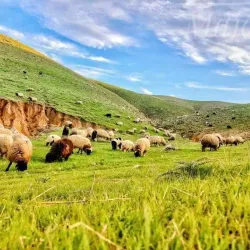
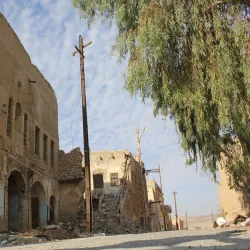
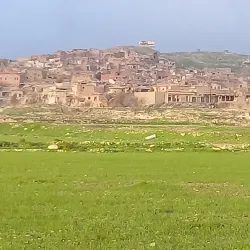
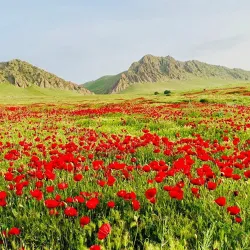
Various viewpoints around Mount Sinjar offer spectacular views of the mountain and the surrounding landscape. These spots are ideal for photography and appreciating the natural beauty of the area.
Visitors can enjoy peaceful moments while taking in the panoramic vistas of the region.
Sinjar Historical Museum
The Sinjar Historical Museum showcases artifacts and exhibits related to the history, culture, and traditions of the Sinjar region and its inhabitants.
The museum provides educational insights into the area's ancient past and recent history, including the Yazidi heritage.
Sinjar River
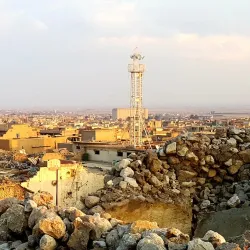
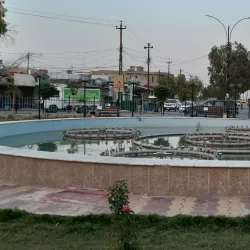
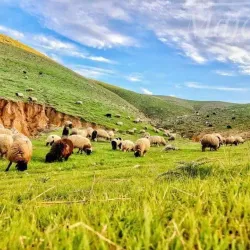
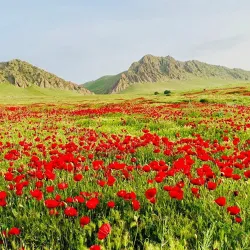
The Sinjar River flows through the region, contributing to the local ecosystem and agriculture. It provides a natural setting for relaxation and exploration.
The riverbanks are spots where visitors can enjoy nature and observe local wildlife.
Traditional Yazidi Festivals
Sinjar hosts traditional Yazidi festivals that celebrate religious and cultural events. These festivals include music, dance, and communal gatherings that highlight the rich cultural tapestry of the Yazidi people.
Participating in or witnessing these festivals offers a unique cultural experience for visitors.