
Quality of life in Shannon
Cost of Living, Healthcare, Safety, Education, and More
About Shannon
Shannon, located in County Clare, Ireland, is a town known for its strategic importance and vibrant community. As a gateway to the west of Ireland, Shannon is home to one of the country's major international airports, making it a hub for both business and tourism.The town is characterized by its modern infrastructure and a strong sense of community. Shannon's economy is bolstered by its proximity to the Shannon Free Zone, one of the world's first free trade zones, which attracts numerous multinational companies.In recent years, Shannon has seen a growth in cultural activities and community events, reflecting its dynamic and evolving nature. The town offers a unique blend of urban convenience and rural charm, making it an attractive place for both residents and visitors.


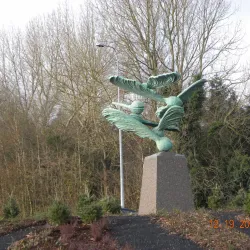


History and Culture
Shannon's history is relatively modern compared to other Irish towns, as it was developed in the 1960s alongside the establishment of Shannon Airport. The airport played a crucial role in transatlantic flights, serving as a refueling stop and contributing significantly to the town's growth.
Culturally, Shannon has embraced its role as a melting pot of international influences due to its airport. This has led to a diverse community with a rich tapestry of cultural expressions, from music and dance to art and cuisine.
The town hosts several cultural institutions and events, including the annual Shannon International Music Festival, which attracts artists from around the world. Local traditions are celebrated through various festivals and community gatherings, showcasing the town's vibrant cultural life.
Things to do in Shannon
Visitors to Shannon can explore the scenic beauty of the surrounding County Clare, including the famous Cliffs of Moher and the Burren National Park. These natural attractions offer breathtaking views and opportunities for outdoor activities such as hiking and bird watching.
Shannon itself offers a range of activities, from shopping at the SkyCourt Shopping Centre to enjoying local cuisine at traditional Irish pubs and restaurants. The town's proximity to the River Shannon provides opportunities for water sports and fishing.
Cultural enthusiasts can visit Bunratty Castle and Folk Park, a short drive from Shannon, to experience medieval life and traditional Irish culture. The castle hosts medieval banquets and events that transport visitors back in time.
Quality of Life Rankings
Weather in Shannon
Shannon, Ireland experiences a temperate maritime climate characterized by mild, wet winters and cool, damp summers. The city receives an average annual precipitation of approximately 40 inches (1016 mm), with December being the wettest month, averaging 4.5 inches (114 mm) of rainfall.
Seasonal Breakdown
- Spring (March to May)Temperatures gradually rise from an average high of 50°F (10°C) in March to 59°F (15°C) in May. Rainfall is moderate during this period, with April receiving the most precipitation, averaging 3.5 inches (89 mm).
- Summer (June to August)The warmest months, with average highs ranging from 64°F (18°C) in June to 68°F (20°C) in July. Rainfall is relatively consistent, averaging around 3 inches (76 mm) per month.
- Autumn (September to November)Temperatures gradually decrease from an average high of 63°F (17°C) in September to 52°F (11°C) in November. Rainfall increases, with October being particularly wet, averaging 4 inches (102 mm).
- Winter (December to February)The coldest period, with average highs ranging from 47°F (8°C) in December to 46°F (8°C) in February. Snowfall is rare, but rainfall is frequent, with December being the wettest month.
Notable Weather Events
- Occasional Atlantic storms bringing heavy rain and strong winds, particularly in autumn and winter.
- Rare occurrences of snow during winter months.
- Potential for flooding in low-lying areas during periods of heavy rainfall.
Shannon's Political Climate
Shannon, located in Ireland, is a town with a unique political landscape shaped by its strategic location and economic significance. As a relatively young town, established in the 1960s, Shannon has developed a distinct political identity influenced by its proximity to Shannon Airport and the Shannon Free Zone, one of the first free trade zones in the world. This has led to a focus on economic policies that support business and trade, making it a hub for multinational corporations.
The town is governed by Clare County Council, which oversees local governance and policy implementation. Shannon's political climate is characterized by a pragmatic approach to governance, with a focus on economic development, infrastructure, and community services. The council's leadership often aligns with centrist and pro-business policies, reflecting the town's economic priorities.
In recent years, Shannon has seen a growing emphasis on sustainability and environmental policies, aligning with Ireland's national goals for reducing carbon emissions and promoting green energy. Social issues, such as housing and healthcare, are also prominent on the local agenda, with efforts to improve public services and community welfare.
Shannon's political climate is influenced by broader national trends, including Ireland's commitment to the European Union and its policies on immigration and social justice. The town's residents are generally supportive of progressive policies, with a strong sense of community engagement and civic responsibility.
Political Quick Facts
- Voter Turnout65%
- City GovernanceGoverned by Clare County Council
- CompositionMixed, with representation from Fianna Fáil, Fine Gael, and independents
- Recent Political ChangesIncreased focus on sustainability and green policies
- EngagementHigh, with active community participation in local issues
- Political ScorecardB+ for governance and transparency
- Legislative PrioritiesEconomic development Sustainability initiatives Improvement of public services
- Public OpinionGenerally progressive, supportive of EU policies and social justice
Notable Political Figures
- Mary HowardA prominent local councillor known for her work on environmental issues.
- Joe CooneyA long-serving member of Clare County Council with a focus on economic development.
- Patricia McCarthyFormer mayor of Shannon, recognized for her contributions to community welfare.