Things to do in Mitzpe Ramon
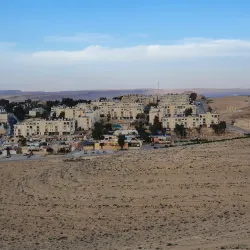
Mitzpe Ramon is a small town located in the Negev Desert of southern Israel, renowned for its proximity to the Ramon Crater (Makhtesh Ramon), the world's largest erosion crater. The town serves as a gateway for visitors seeking to explore the dramatic desert landscapes, geological formations, and unique flora and fauna of the region.Known for its clear night skies, Mitzpe Ramon is also a popular destination for stargazing, hiking, and adventure tourism. The town offers a blend of natural beauty, cultural heritage, and outdoor activities, making it a fascinating destination for travelers interested in nature and desert ecology.Ramon Crater (Makhtesh Ramon)
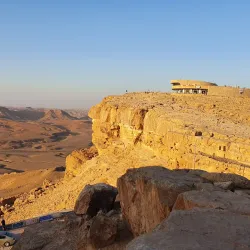
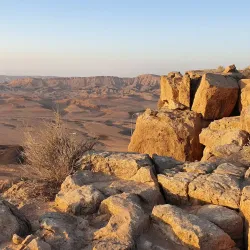
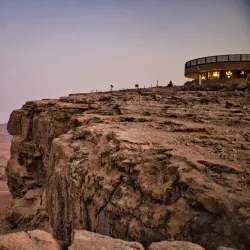
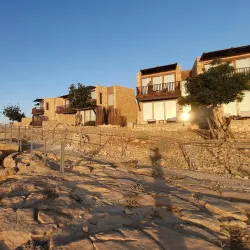
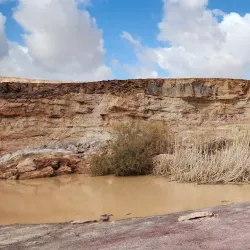
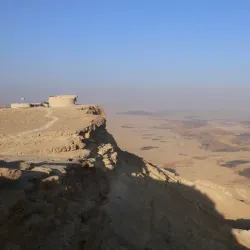
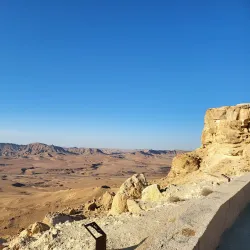
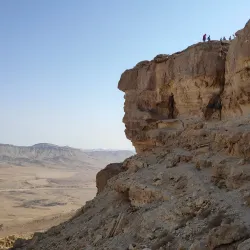
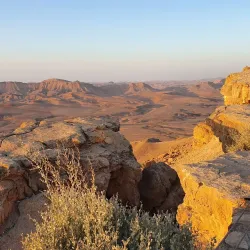
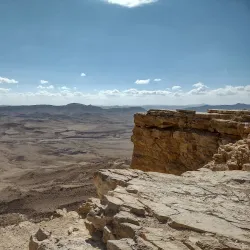
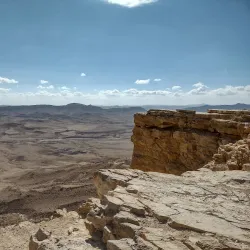
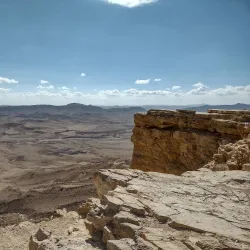
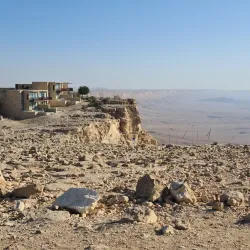
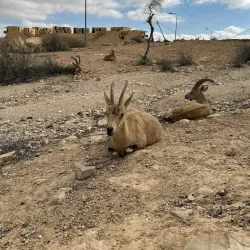
The Ramon Crater is the largest erosion crater in the world, stretching about 40 kilometers long and 2-10 kilometers wide. It offers spectacular geological formations, unique desert flora and fauna, and breathtaking panoramic views.
Visitors can explore the crater through hiking trails, guided jeep tours, and biking routes. The crater is also a site for scientific research and environmental conservation.
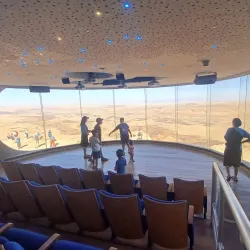
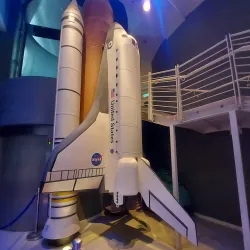
Mitzpe Ramon Visitors Center
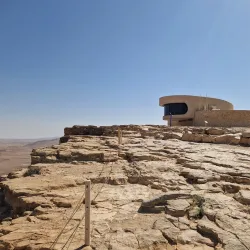
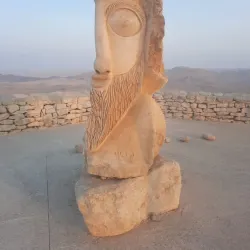
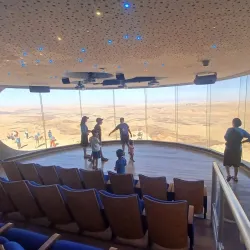
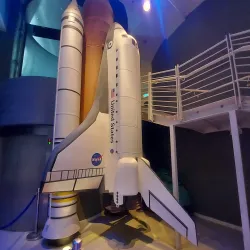
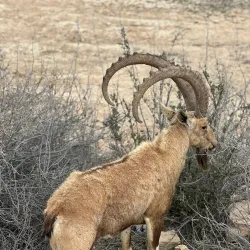
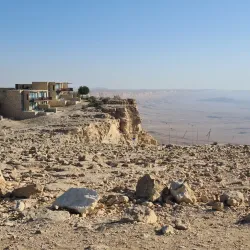
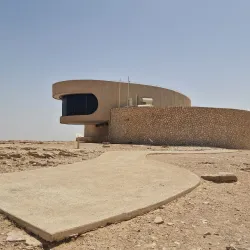
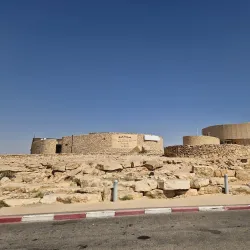
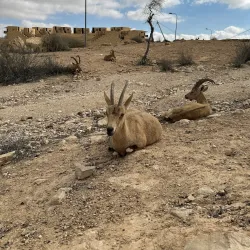
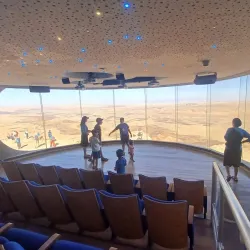
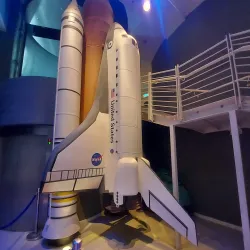
This center provides educational exhibits about the geology, wildlife, and history of the Ramon Crater and the surrounding Negev Desert.
It offers maps, guided tours, and information on hiking and other outdoor activities in the area.
Desert Astronomy Observatory
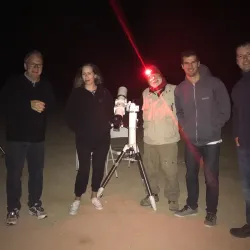

Mitzpe Ramon is known for its clear skies, making it an excellent location for stargazing. The Desert Astronomy Observatory offers guided night tours to observe stars, planets, and other celestial phenomena.
The observatory provides telescopes and expert guides to enhance the experience for visitors of all ages.
Carmel Center for Desert Studies
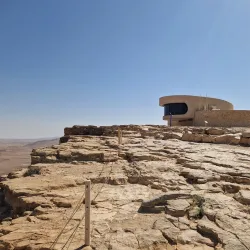
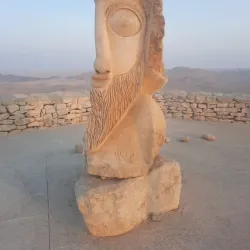
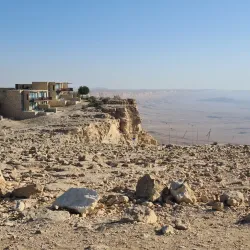
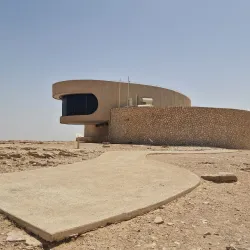
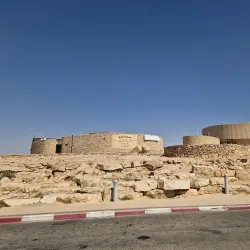
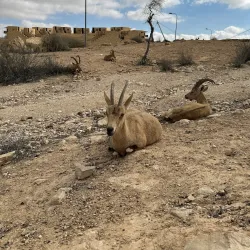
This research and educational center focuses on the ecology and geology of the Negev Desert. It offers workshops, lectures, and guided tours that delve into the desert environment and its preservation.
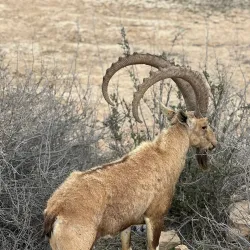
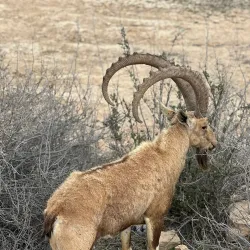
Visitors can learn about the unique adaptations of desert plants and animals and the geological history of the region.
Negev Camel Ranch
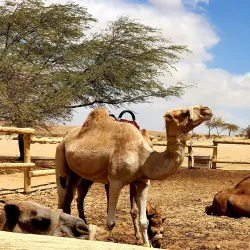
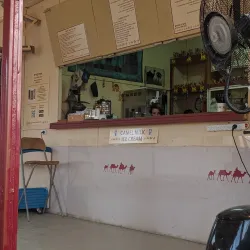
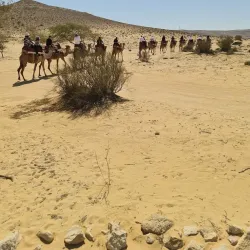
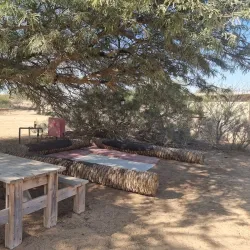
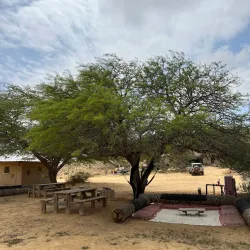
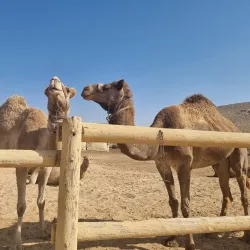
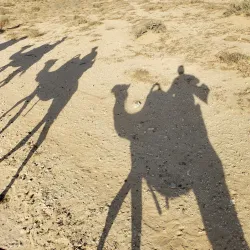
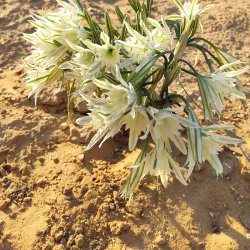
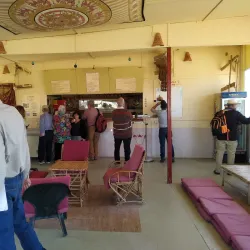
A popular spot for tourists to experience camel rides and learn about the traditional Bedouin way of life.
The ranch offers guided camel treks through the desert, providing a unique perspective on the landscape and local culture.
Mitzpe Ramon Art Gallery
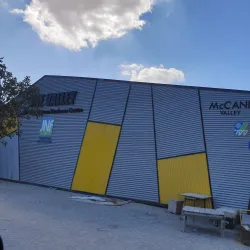
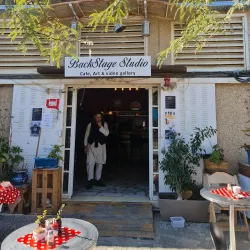
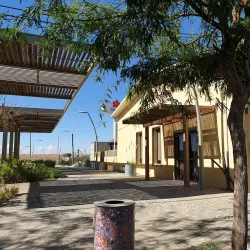
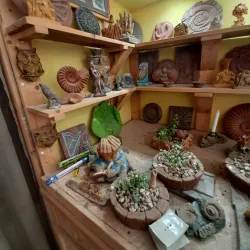
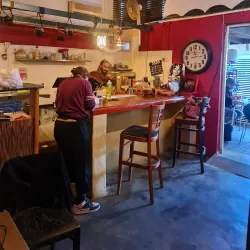
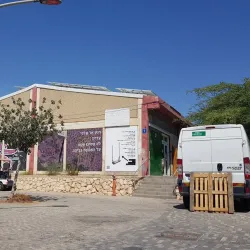
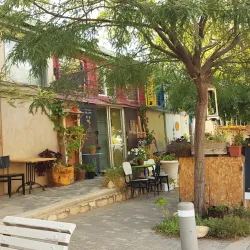
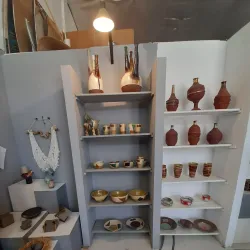
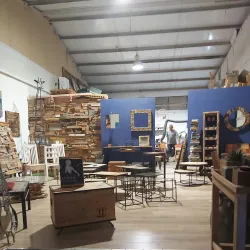
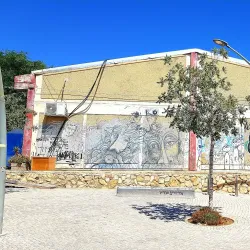
Showcases local and regional artists, with a focus on desert-inspired art and crafts.
The gallery often hosts exhibitions, workshops, and cultural events that highlight the creativity of the Negev community.
Mount Ramon Hiking Trails
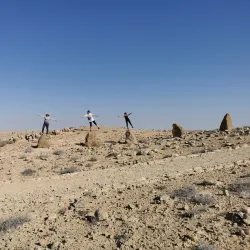
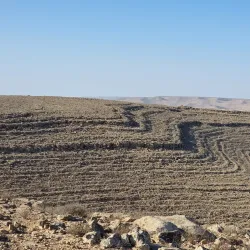
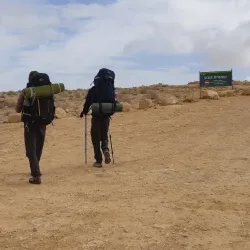
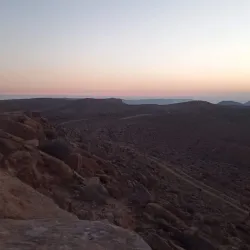
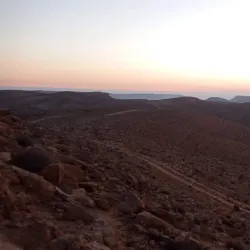
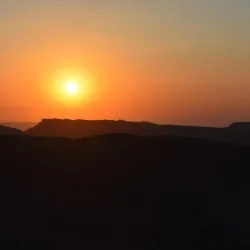
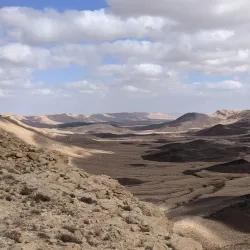
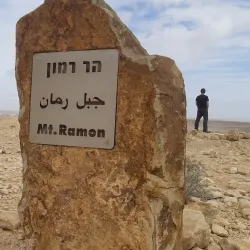
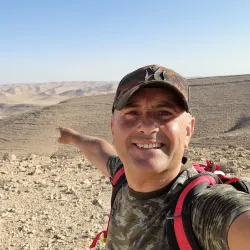
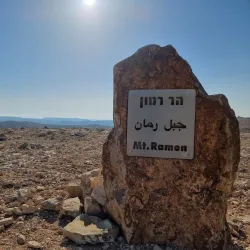
A network of hiking trails around Mount Ramon offers varying levels of difficulty and stunning views of the crater and desert landscape.
Popular trails include the ascent to the summit of Mount Ramon, where visitors can enjoy panoramic vistas and unique geological formations.
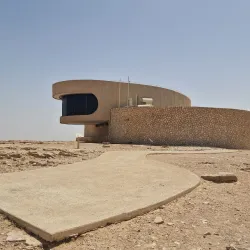
Ramon Crater Scenic Overlook
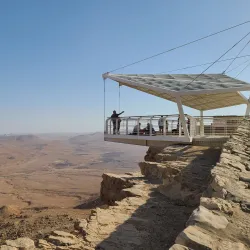
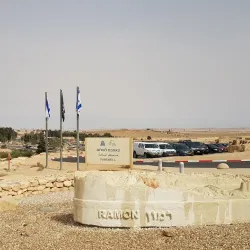
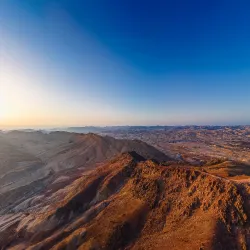
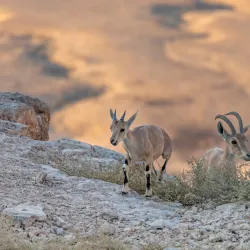
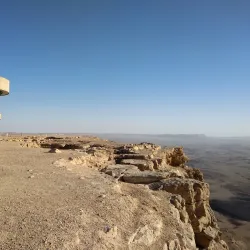
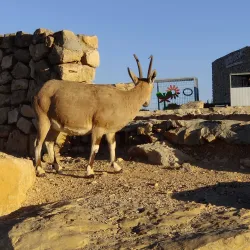
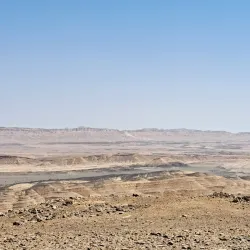
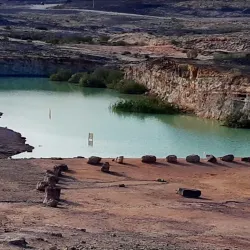
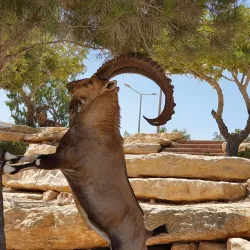
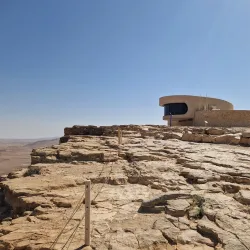
A designated viewpoint that provides spectacular views of the Ramon Crater, ideal for photography and sunset watching.
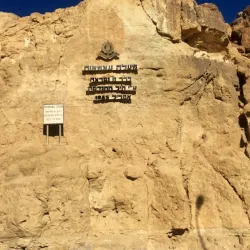
The overlook is accessible by car and features informational signs about the geology and natural history of the crater.
Bedouin Hospitality Experience

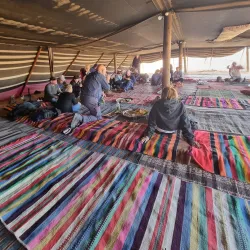
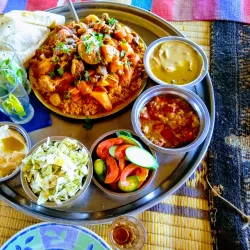
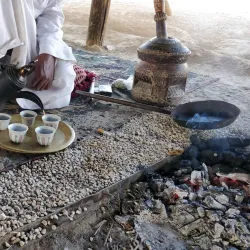
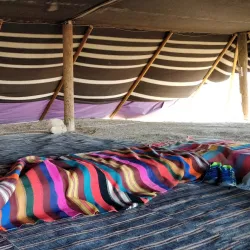
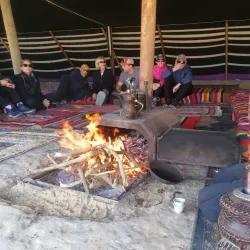
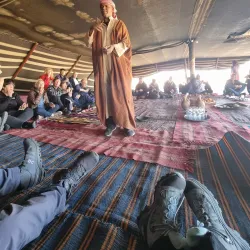
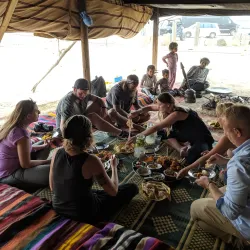
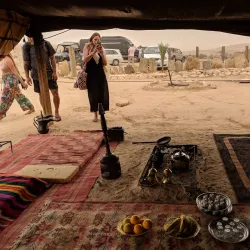
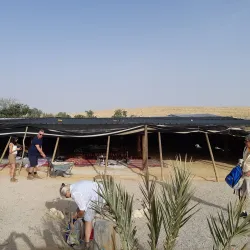
Visitors can engage with local Bedouin communities to learn about their traditions, cuisine, and lifestyle.
This experience often includes traditional meals, storytelling, and cultural performances in a desert camp setting.
Mitzpe Ramon Market
A small local market offering handmade crafts, souvenirs, and regional food products.
The market provides an opportunity to interact with local artisans and purchase unique gifts inspired by the desert environment.