Things to do in Campobasso
Campobasso, the capital city of the Molise region in Italy, is known for its rich history, charming old town, and beautiful surrounding landscapes. The city offers a blend of medieval architecture, cultural experiences, and natural parks, making it an appealing destination for visitors interested in history and Italian culture.The city is characterized by its historic center with narrow streets, ancient churches, and castles, alongside modern amenities and vibrant local life. Campobasso also serves as a gateway to exploring the Molise region's natural parks and traditional villages.Castello Monforte
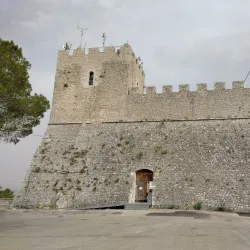
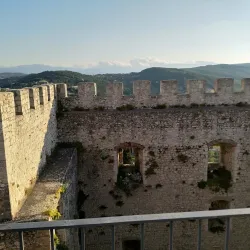
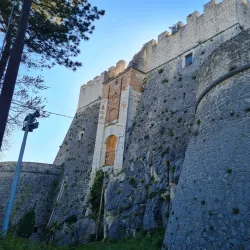
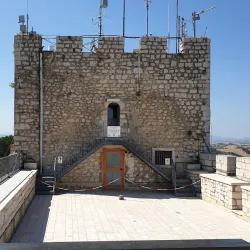
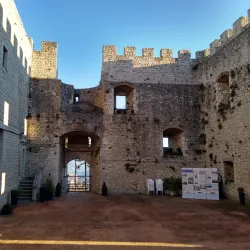
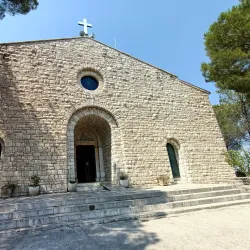
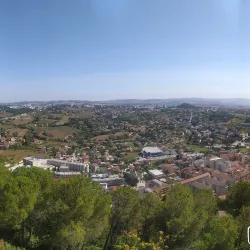
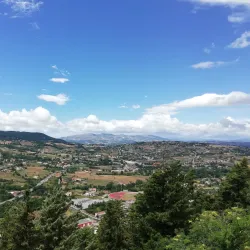
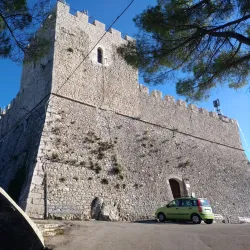
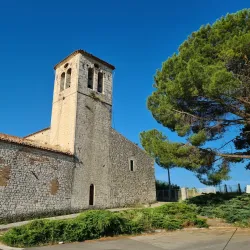
Castello Monforte is a medieval fortress perched on a hill overlooking Campobasso. It dates back to the 15th century and offers panoramic views of the city and surrounding countryside. The castle is a symbol of Campobasso and hosts cultural events and exhibitions.
Visitors can explore the castle's walls, towers, and courtyards while learning about its historical significance in the defense of the city.
Museo Sannitico
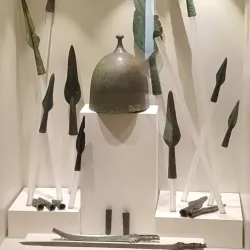
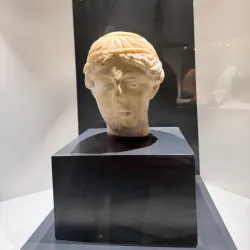
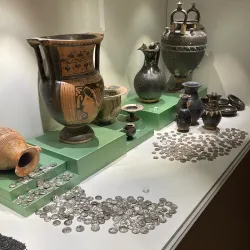
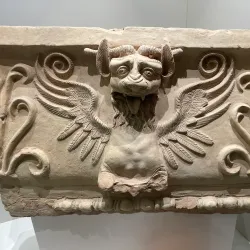
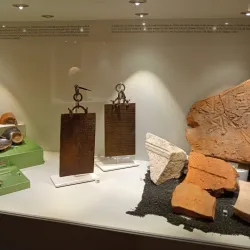
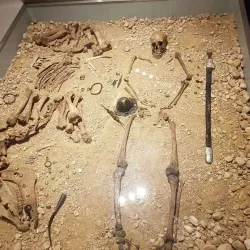
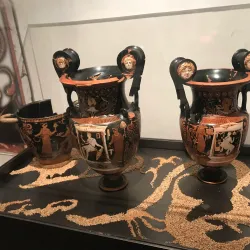
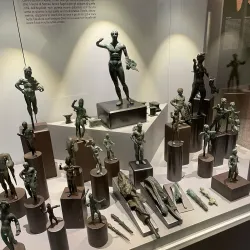
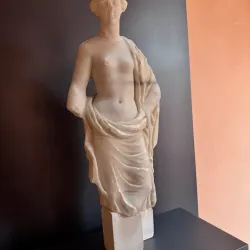
The Museo Sannitico is an archaeological museum dedicated to the ancient Samnite civilization that once inhabited the Molise region. It houses artifacts such as pottery, weapons, and inscriptions that provide insight into the area's pre-Roman history.
The museum is an important cultural institution for understanding the historical roots of Campobasso and the wider region.
Cattedrale della Santissima Trinità
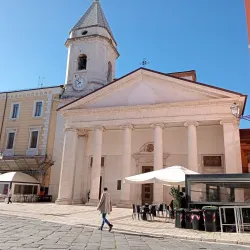
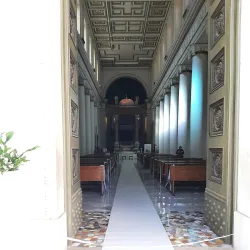
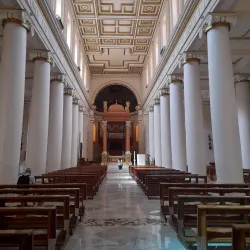
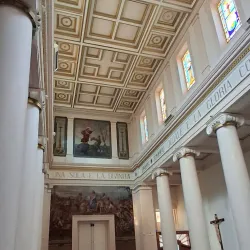
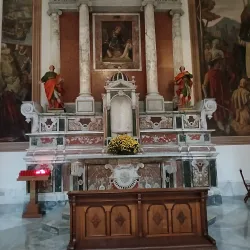
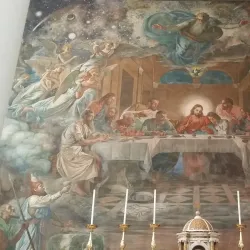
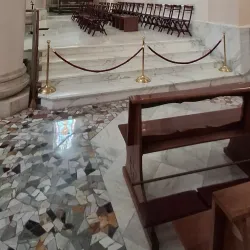
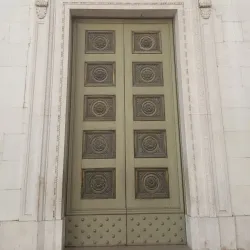
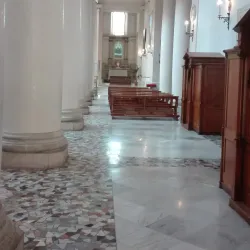
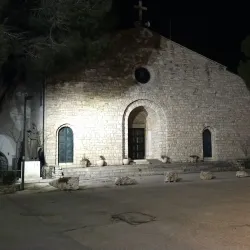
This cathedral is the main church of Campobasso, known for its beautiful Baroque architecture and religious artworks. It serves as a spiritual center for the city and hosts important religious ceremonies and festivals.
The cathedral's interior features intricate decorations, frescoes, and a serene atmosphere for visitors and worshippers alike.
Villa de Capoa
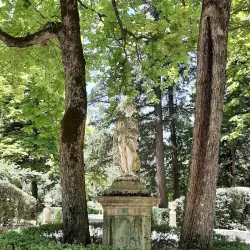
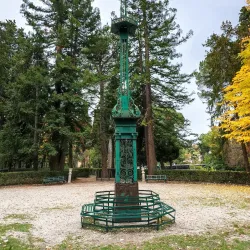
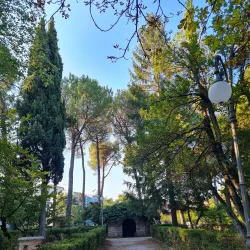
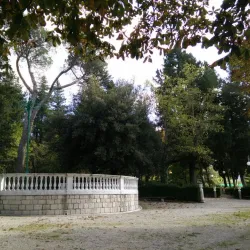
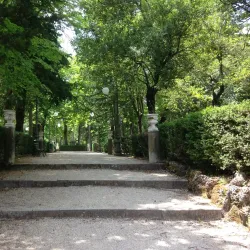
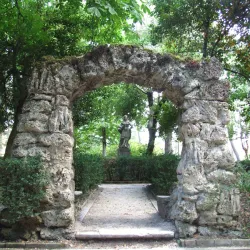
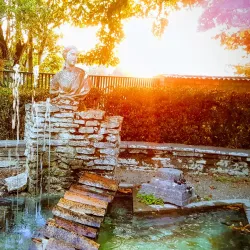
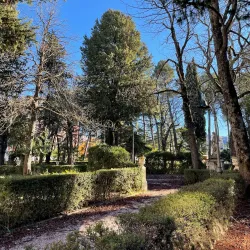
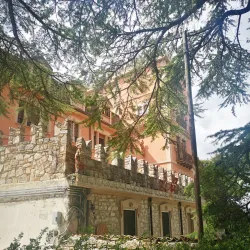
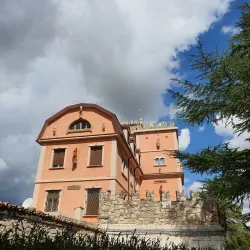
Villa de Capoa is a historic villa and public park in Campobasso, offering green spaces for relaxation and leisure. The villa's gardens are well-maintained and provide a peaceful environment within the city.
The park is popular among locals and tourists for walking, picnicking, and enjoying outdoor events during warmer months.
Chiesa di San Bartolomeo
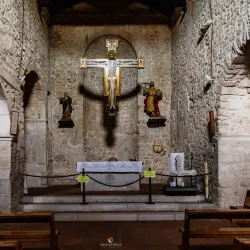
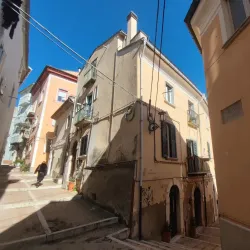
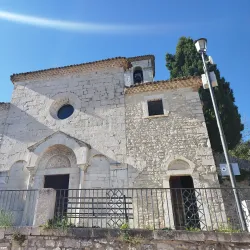
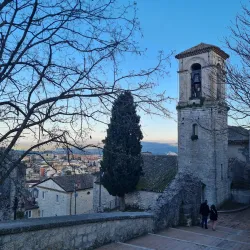
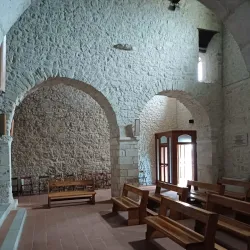
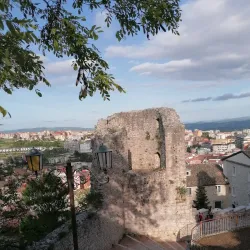
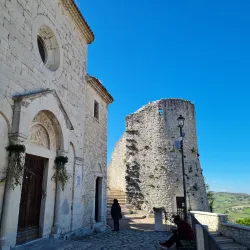
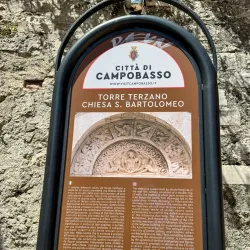
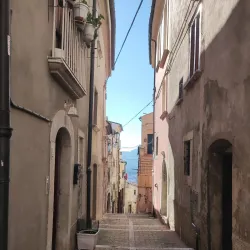
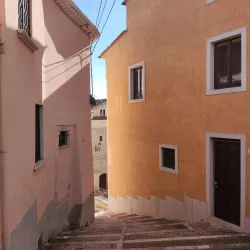
This church is one of the oldest religious buildings in Campobasso, featuring Romanesque architectural elements. It holds historical and artistic value with its ancient frescoes and religious artifacts.
The church is a quiet place for reflection and a testament to the city's medieval religious heritage.
Piazza Vittorio Emanuele II
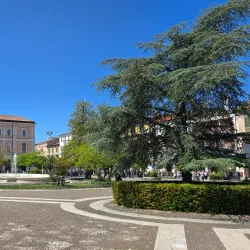
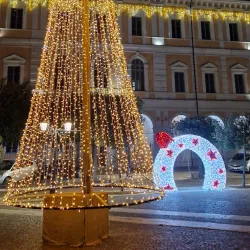
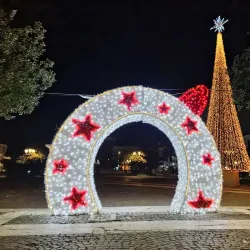
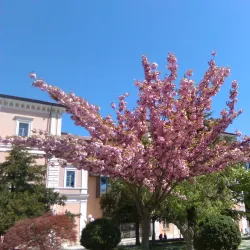
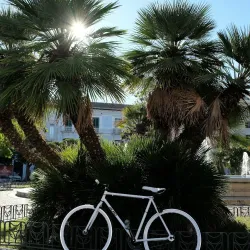
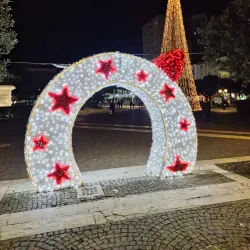
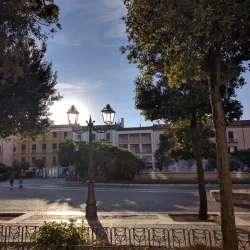
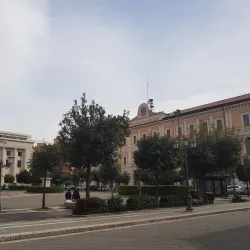
Piazza Vittorio Emanuele II is the main square in Campobasso, serving as a social and cultural hub. Surrounded by cafes, shops, and historic buildings, it is a lively spot for locals and visitors to gather.
The square often hosts markets, festivals, and public events, making it a vibrant part of city life.
Parco della Rimembranza
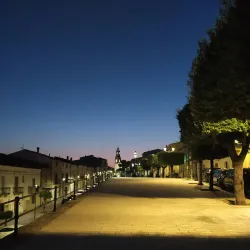
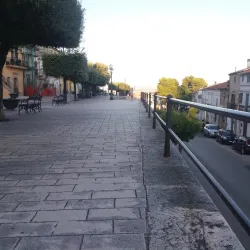
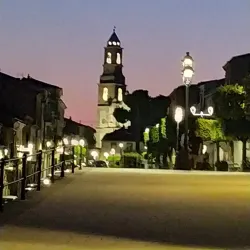
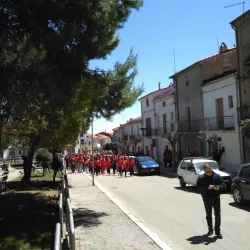
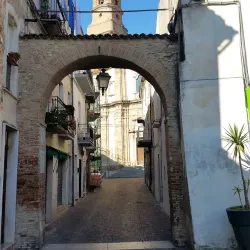
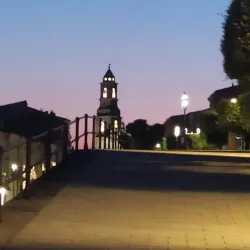
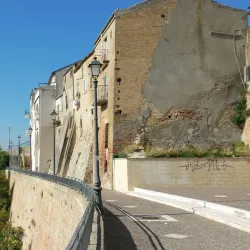
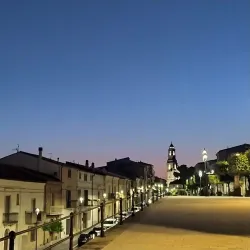
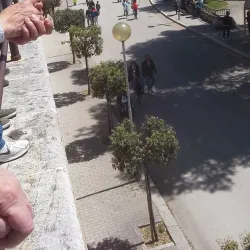
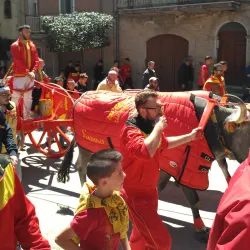
Parco della Rimembranza is a memorial park dedicated to the memory of those who lost their lives in wars. It features monuments, green spaces, and walking paths, providing a tranquil setting for reflection.
The park is also a place for community events and commemorations throughout the year.
Chiesa di San Leonardo
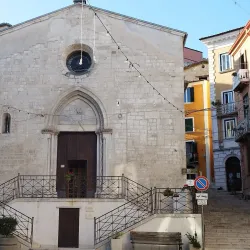
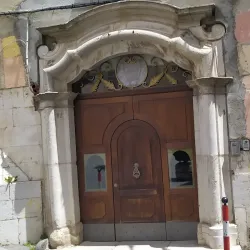
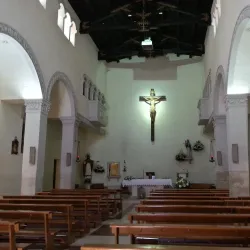
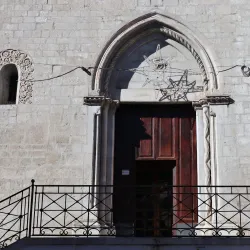
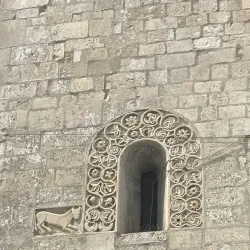
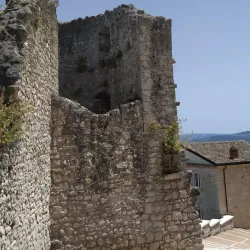
This church is notable for its historical architecture and religious significance in Campobasso. It contains valuable artworks and serves as a site for local religious celebrations.
The church's design reflects the artistic styles prevalent during its construction period.
Teatro Savoia
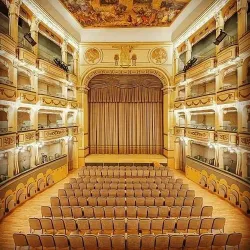
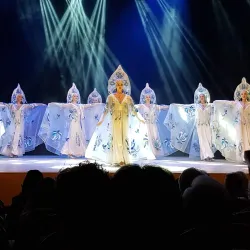
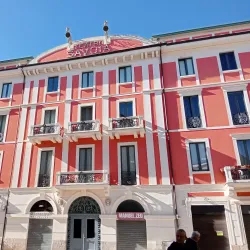
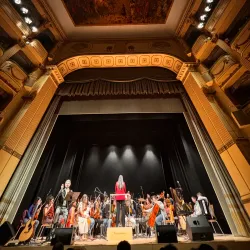
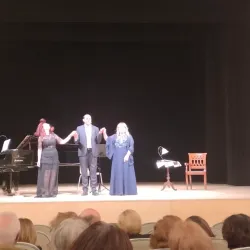
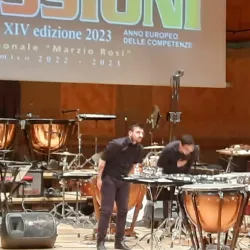
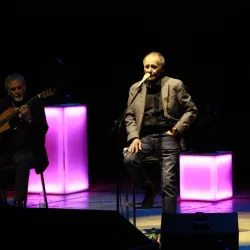
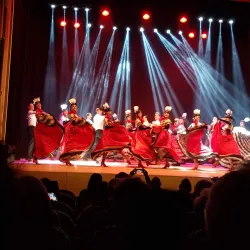

Teatro Savoia is the main theater in Campobasso, hosting a variety of performances including plays, concerts, and cultural events. It is an important venue for the city's artistic and cultural life.
The theater's architecture and programming contribute to the vibrant cultural scene in Campobasso.
Fontana del Mercato
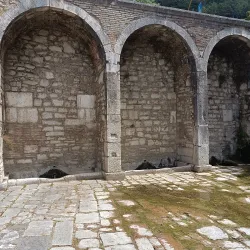
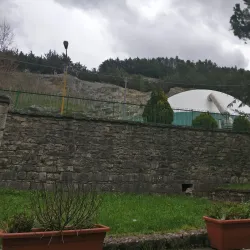
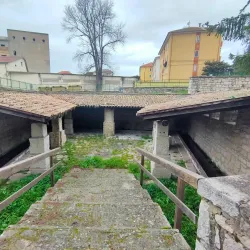
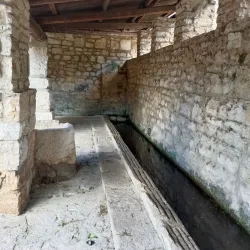
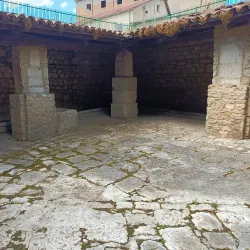
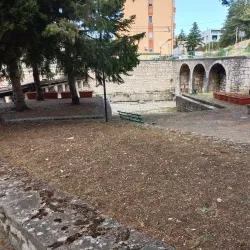
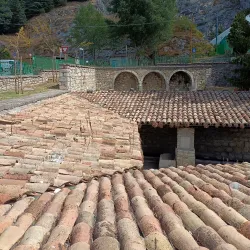
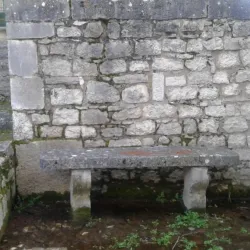
The Fontana del Mercato is a historic fountain located in the market area of Campobasso. It is a charming landmark that reflects the city's traditional urban design and serves as a meeting point for locals.
The fountain adds to the ambiance of the bustling market district, where visitors can experience local commerce and cuisine.