Things to do in Capua
Capua is a historic city located in the Campania region of Italy, known for its rich Roman heritage and archaeological significance. Once a prominent city in ancient times, Capua offers visitors a glimpse into its past through well-preserved ruins and monuments.The city is characterized by its ancient amphitheater, Roman remains, and charming old town streets. Capua's cultural heritage is complemented by its proximity to other notable sites in the Campania region, making it a worthwhile destination for history enthusiasts and travelers interested in ancient civilizations.Roman Amphitheater of Capua
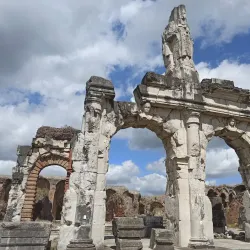
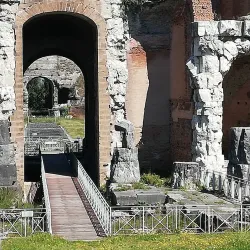
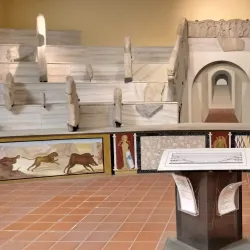
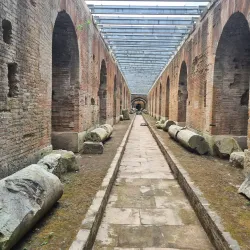
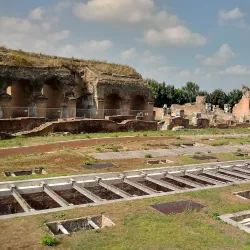
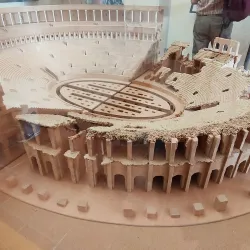
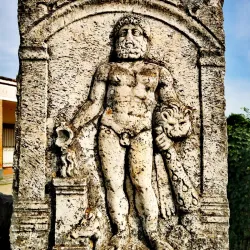
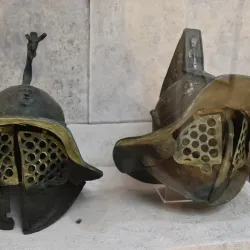
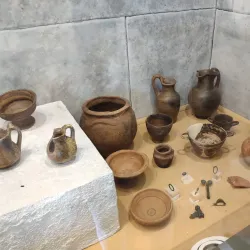
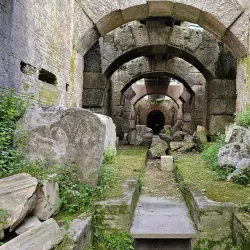
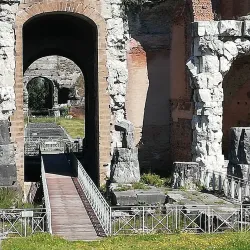
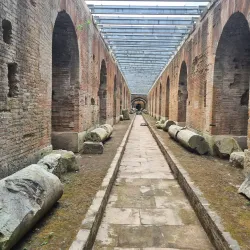
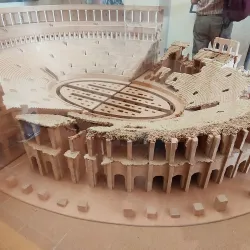
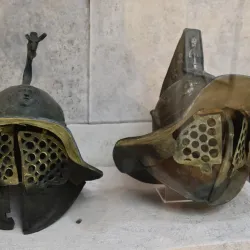
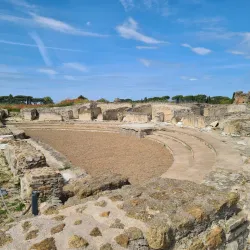
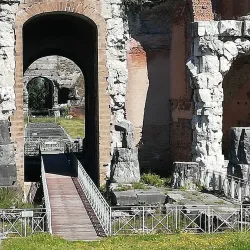
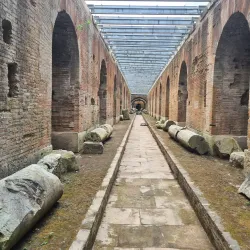
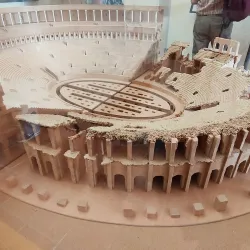
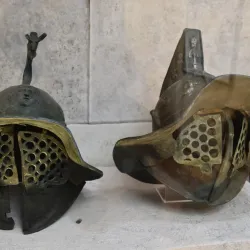
The Roman Amphitheater of Capua is one of the largest and most important ancient amphitheaters in Italy, second only to the Colosseum in Rome. It was used for gladiatorial games and other public spectacles during the Roman era.
This impressive structure highlights the city's significance in Roman times and offers visitors a chance to explore ancient architecture and history.
Capua Archaeological Museum

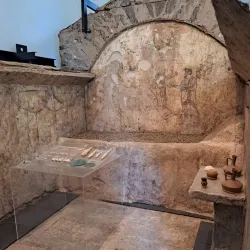
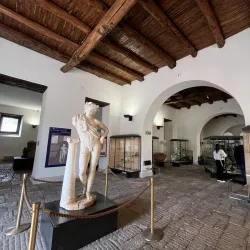
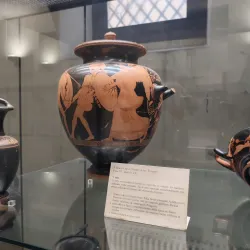
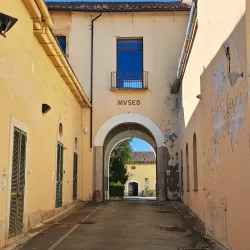

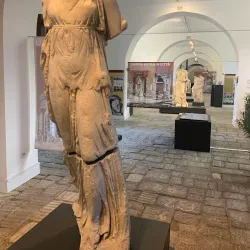


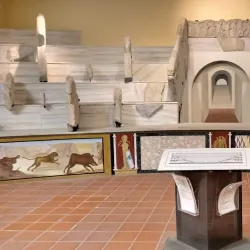
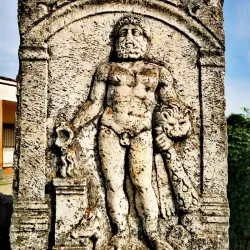
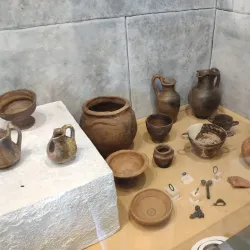
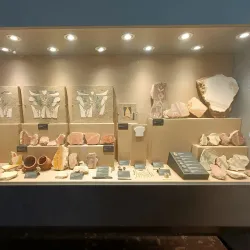
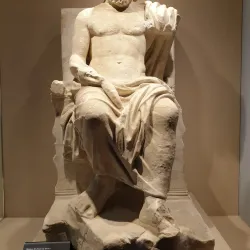
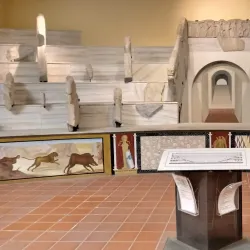
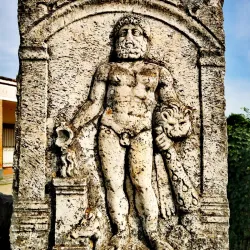
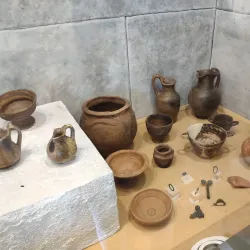
The Capua Archaeological Museum houses a collection of artifacts from the ancient city and surrounding areas, including pottery, sculptures, and inscriptions.
The museum provides insight into the daily life, culture, and history of Capua during the Roman period and beyond.
Ancient City Walls and Gates
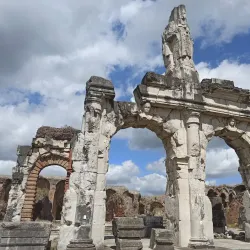
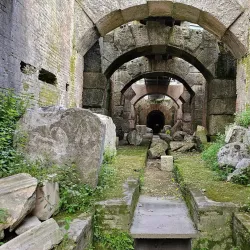
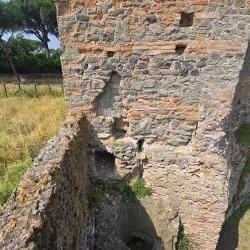
Capua's ancient city walls and gates are remnants of its fortified past, showcasing Roman military architecture and urban planning.
Walking along these historic walls offers a tangible connection to the city's defensive strategies and historical significance.
San Michele Arcangelo Church
This historic church in Capua features beautiful architecture and religious art, reflecting the city's cultural and spiritual heritage.
It is a notable site for visitors interested in religious history and architecture.
Piazza dei Giudici
Piazza dei Giudici is a central square in Capua, surrounded by historic buildings and serving as a social and cultural hub for the city.
The square is a great place to experience local life and enjoy the ambiance of Capua's old town.
Roman Amphitheater Archaeological Site
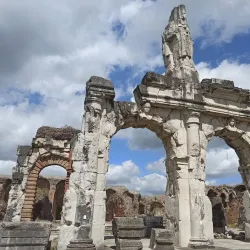
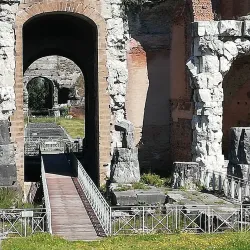
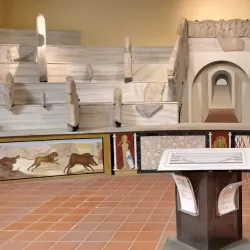
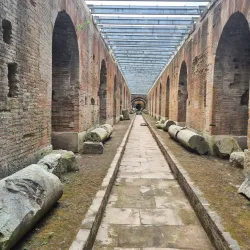
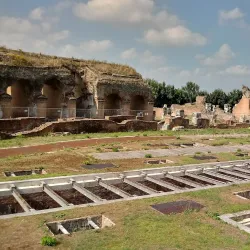
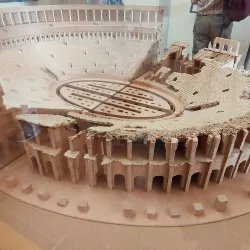
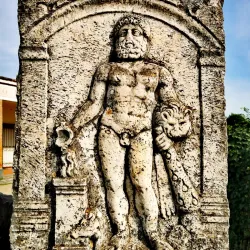
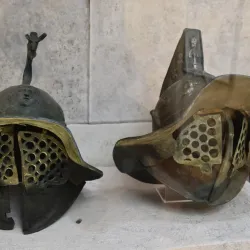
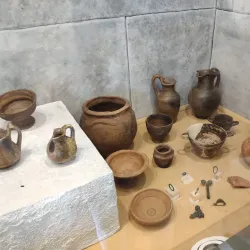
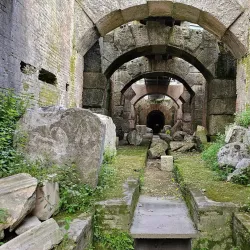
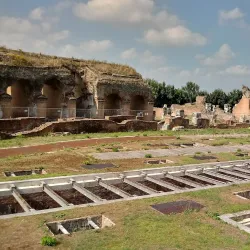
This site includes ongoing excavations and preserved ruins related to the Roman amphitheater and surrounding structures.
It offers an educational experience for those interested in archaeology and ancient Roman entertainment venues.
Villa of the Quintilii (Nearby)
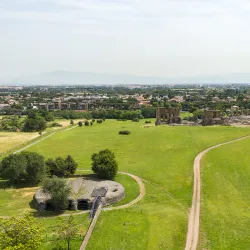
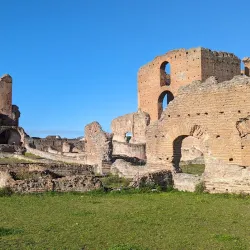
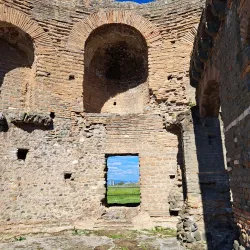
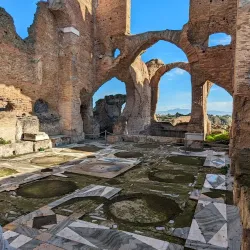
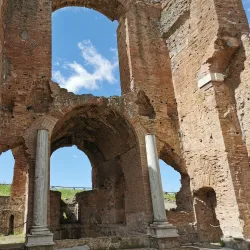
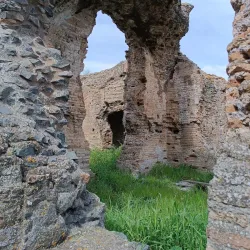
Located near Capua, the Villa of the Quintilii is an ancient Roman villa known for its extensive ruins and beautiful mosaics.
Though slightly outside the city, it is a significant attraction for visitors interested in Roman residential architecture.
Capua Cathedral (Cattedrale di Santa Maria Assunta)
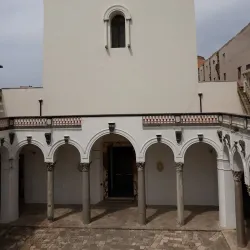
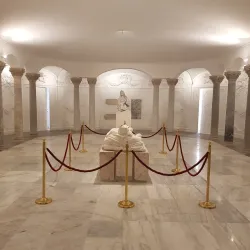
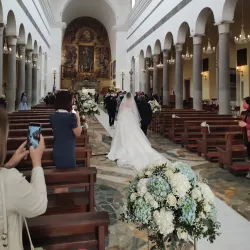
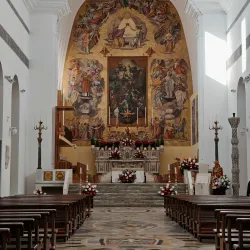
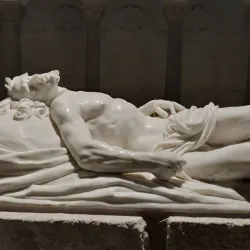
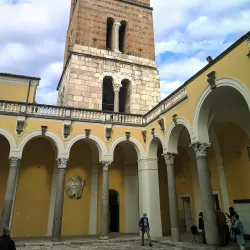
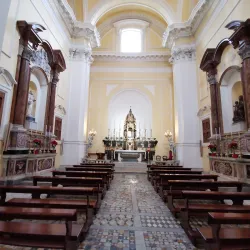
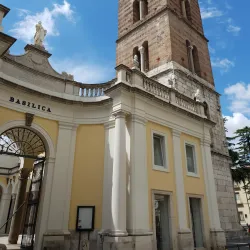
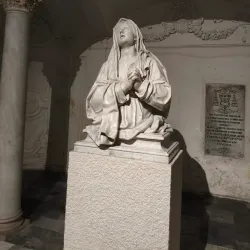
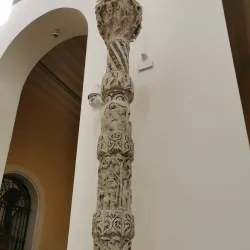
The Capua Cathedral is a historic religious building with architectural and artistic significance, dedicated to the Assumption of Mary.
It is an important site for understanding the religious history and architectural styles of the region.
Roman Forum of Capua
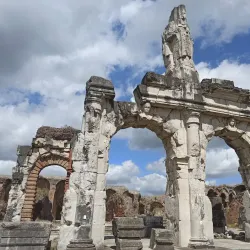
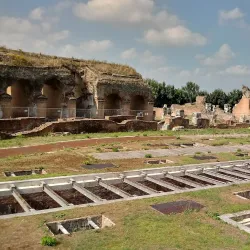
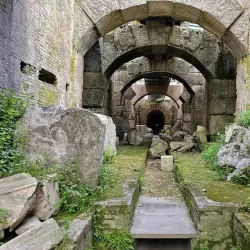
The Roman Forum was the center of public life in ancient Capua, featuring ruins of temples, basilicas, and public buildings.
Visitors can explore the remains to gain insight into the political and social life of the ancient city.
Local Markets and Artisan Shops
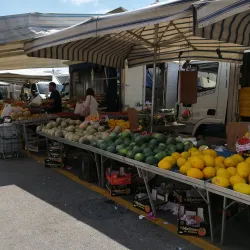






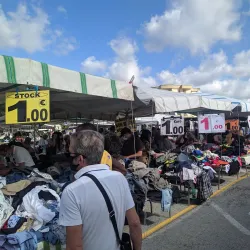

Capua hosts local markets and artisan shops where visitors can experience traditional crafts, foods, and local culture.
These markets provide a vibrant atmosphere and an opportunity to purchase unique souvenirs.