Things to do in Civitavecchia
Civitavecchia is a port city located on the western coast of Italy, known primarily as a gateway to Rome and the surrounding Lazio region. It boasts a rich maritime history and offers visitors a blend of historical landmarks, cultural sites, and seaside charm.The city is characterized by its ancient fortifications, bustling harbor, and proximity to beautiful Mediterranean beaches. Visitors can explore Roman ruins, medieval architecture, and enjoy local Italian cuisine in a relaxed coastal setting.Forte Michelangelo
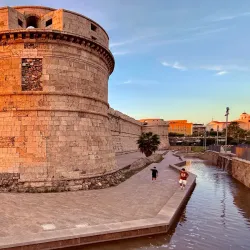
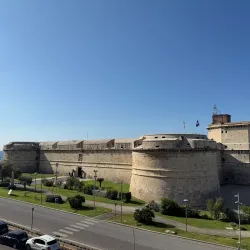
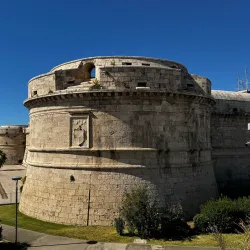
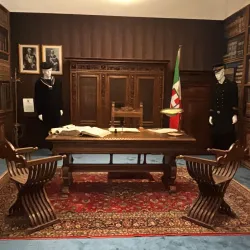
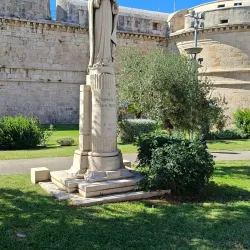
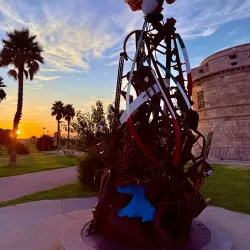

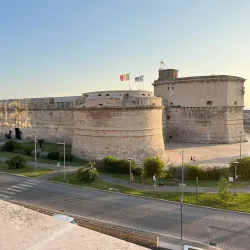
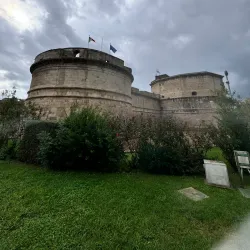
Forte Michelangelo is a massive Renaissance fortress built in the 16th century to protect the city and its important port. It is named after the famous artist Michelangelo, who is believed to have contributed to its design.
The fortress features imposing walls, bastions, and a lighthouse, making it a striking landmark overlooking the sea. Visitors can explore the exterior and enjoy panoramic views of the harbor and coastline.
Civitavecchia Port
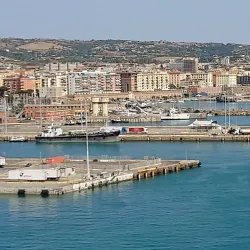
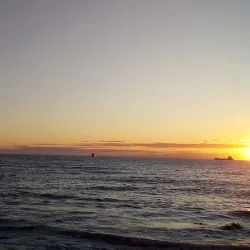
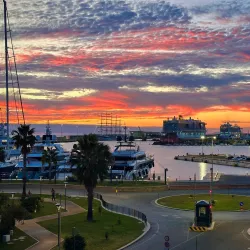
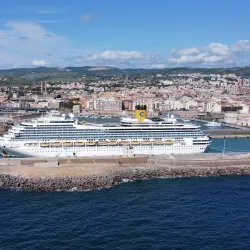
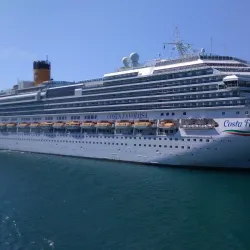
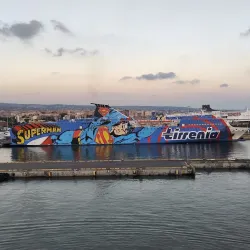
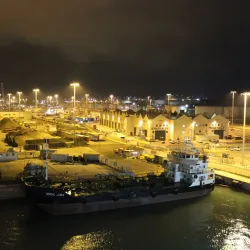
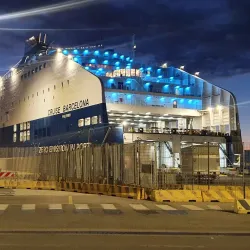
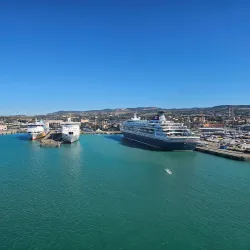
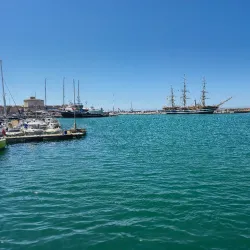
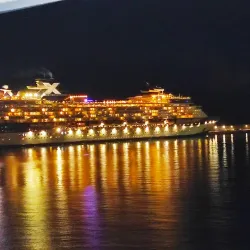
The port of Civitavecchia is one of Italy’s major maritime gateways, serving as a departure point for ferries and cruise ships to destinations across the Mediterranean.
The harbor area is lively with shops, cafes, and restaurants, offering visitors a chance to experience the local maritime culture and enjoy fresh seafood with views of the sea.
Terme Taurine
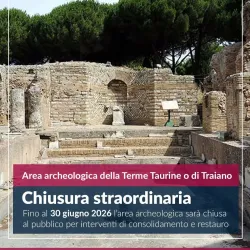
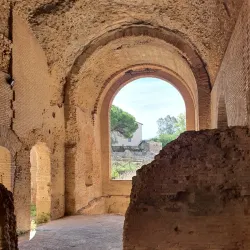
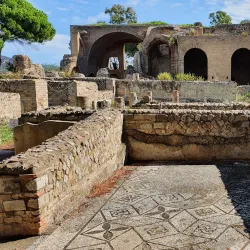
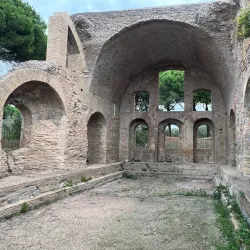
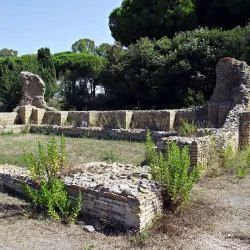
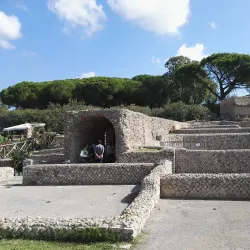
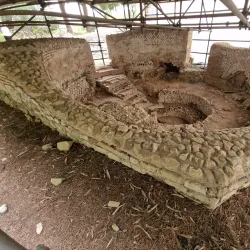
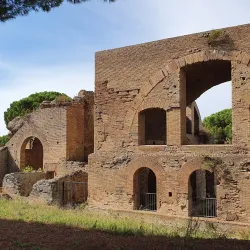
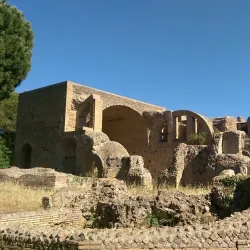
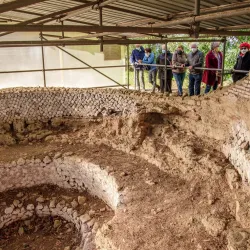
Terme Taurine is an ancient Roman thermal bath complex located just outside Civitavecchia. It dates back to the 2nd century AD and showcases impressive ruins of baths, pools, and heating systems.
The site provides insight into Roman engineering and leisure practices, with well-preserved mosaics and structures that highlight the sophistication of ancient Roman spa culture.
Museo Archeologico Nazionale di Civitavecchia
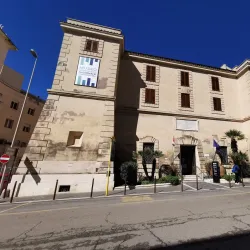
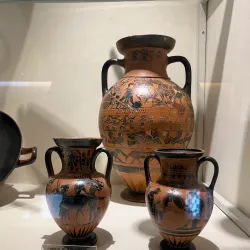
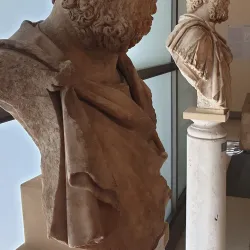
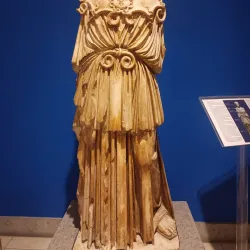
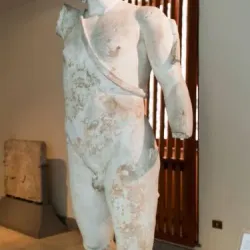
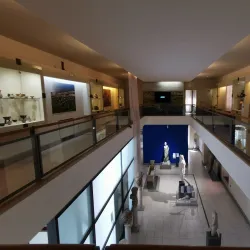
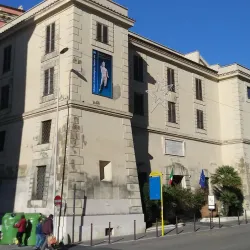
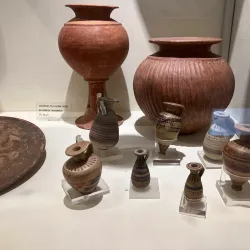
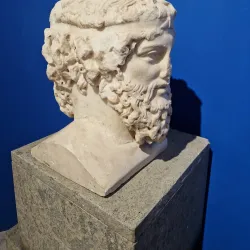
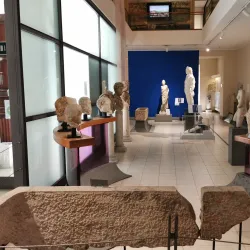
This national archaeological museum houses a collection of artifacts from the local area, including Roman and Etruscan relics.
The museum offers visitors a deeper understanding of the region’s ancient history through exhibits of pottery, sculptures, and everyday objects recovered from archaeological sites.
Piazza Leandra
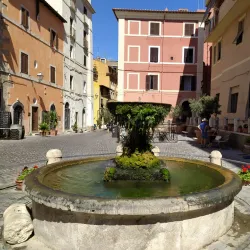
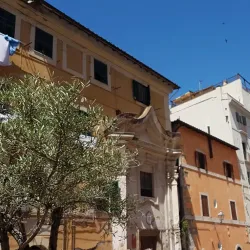
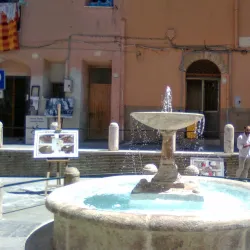
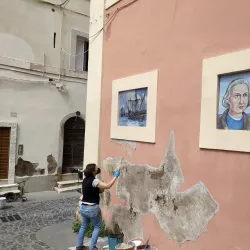
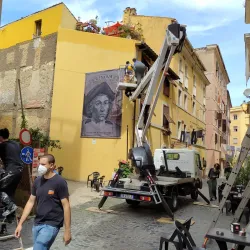
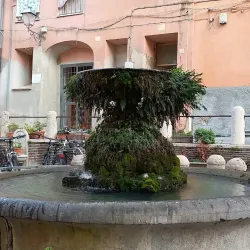
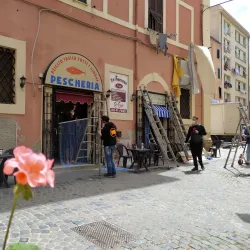
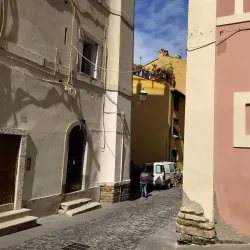
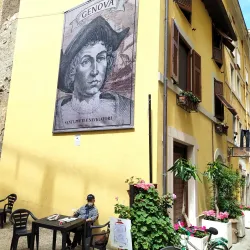
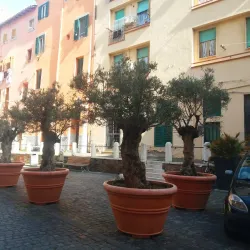
Piazza Leandra is the main square in Civitavecchia’s historic center, surrounded by cafes, shops, and historic buildings.
It is a popular gathering spot for locals and tourists alike, offering a charming atmosphere to relax and enjoy the city’s vibrant street life.
Church of San Francesco d'Assisi
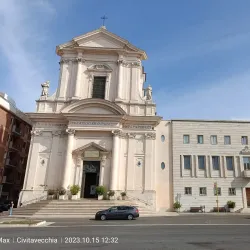
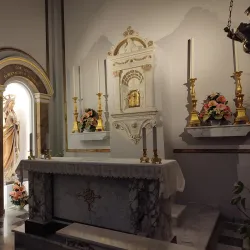
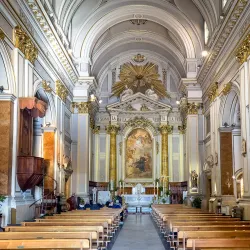
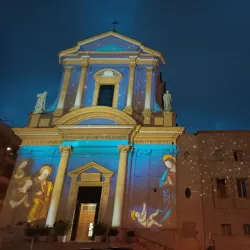
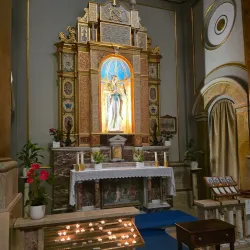
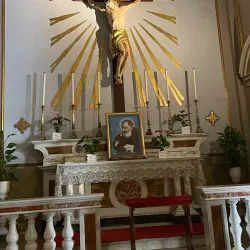
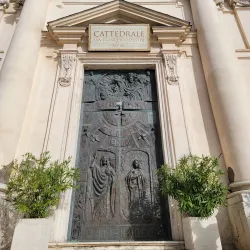
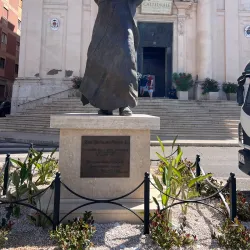
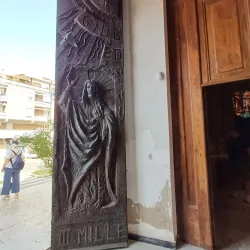
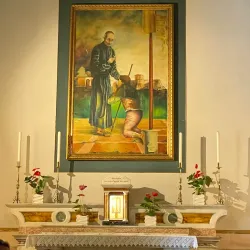
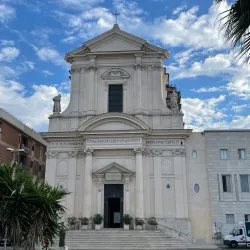
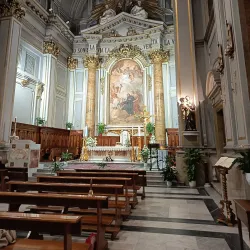
This church is a notable religious site in Civitavecchia, featuring beautiful architecture and interior artworks.
It serves as a place of worship and a cultural landmark, reflecting the city’s religious heritage and artistic traditions.
Porto di Traiano
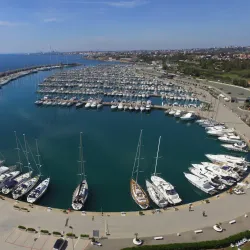
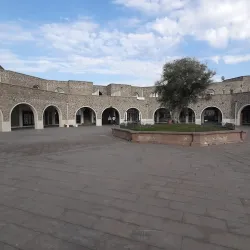
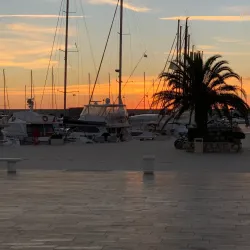
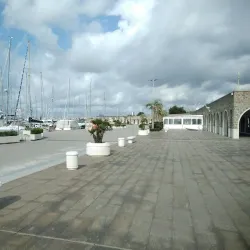
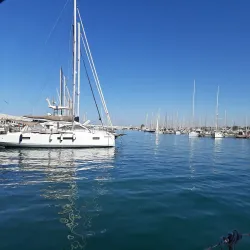
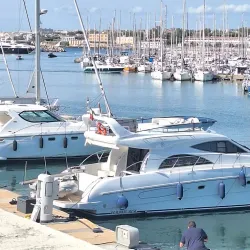
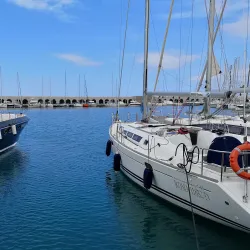
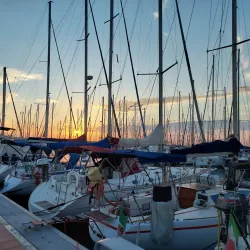
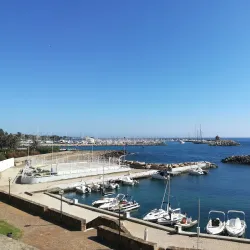
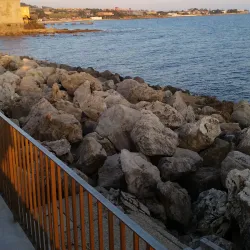
Porto di Traiano is an ancient Roman harbor built by Emperor Trajan, located near Civitavecchia.
The archaeological remains of this harbor complex provide insight into Roman maritime engineering and trade, with visible structures such as docks and warehouses.
Passeggiata del Porto
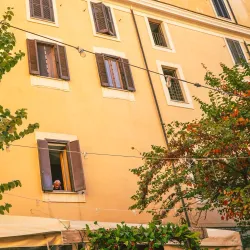
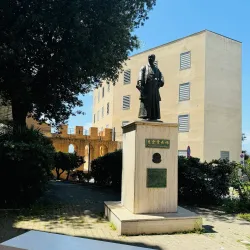
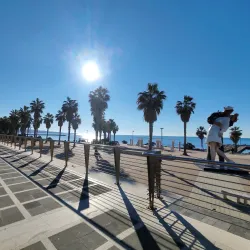
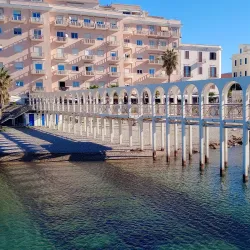
This waterfront promenade offers scenic views of the harbor and the Tyrrhenian Sea, ideal for leisurely walks and enjoying the coastal ambiance.
The promenade is lined with benches, cafes, and green spaces, making it a pleasant spot for both locals and visitors to unwind.
Santa Maria dell'Assunta Cathedral
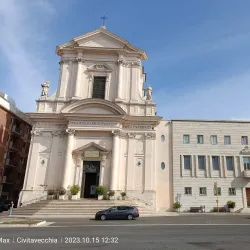
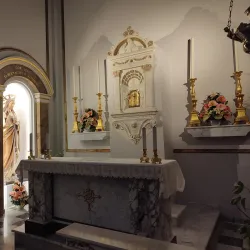
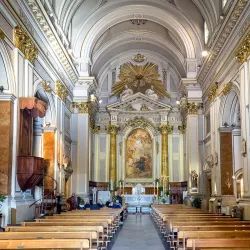
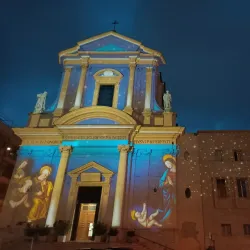
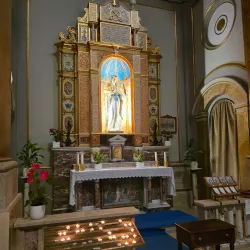
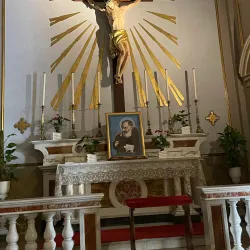
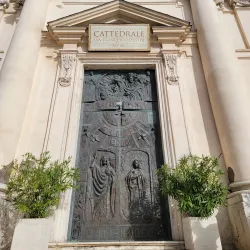
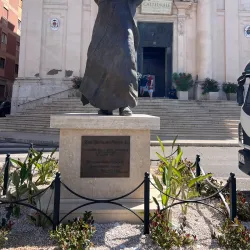
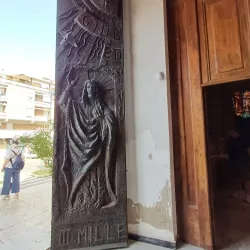
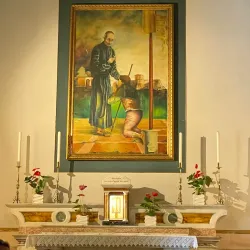
The cathedral is a central religious and architectural landmark in Civitavecchia, known for its elegant design and historical significance.
Inside, visitors can admire religious artworks and the serene atmosphere, making it a peaceful stop during a city tour.
Lungomare Thaon de Revel
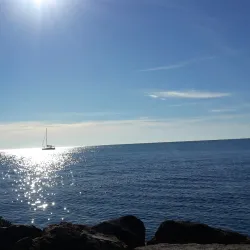
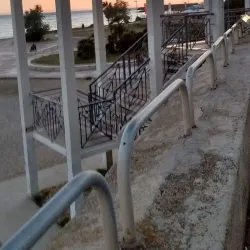
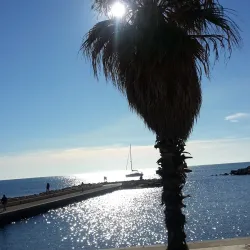
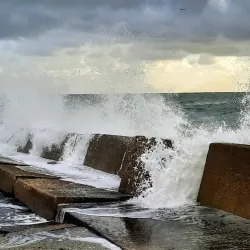
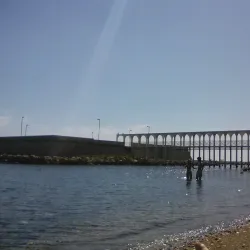
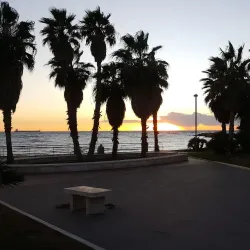
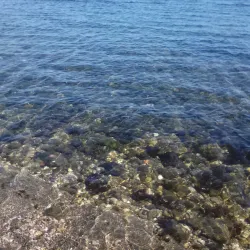
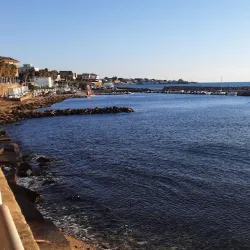
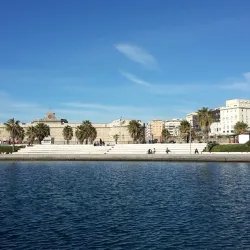
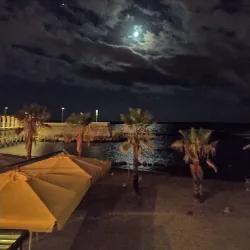
This seaside promenade stretches along the coast, offering beautiful views of the sea and access to beaches and parks.
It is a popular area for walking, jogging, and enjoying outdoor activities, especially during the warmer months.