Things to do in Crotone
Crotone is a historic city located in the Calabria region of southern Italy, known for its rich ancient history and beautiful coastal scenery. Founded by the Greeks in the 8th century BC, it was once a powerful city-state and home to the famous philosopher Pythagoras.Today, Crotone offers visitors a blend of archaeological sites, medieval architecture, and vibrant local culture. The city is also a gateway to stunning beaches along the Ionian Sea, making it a great destination for history enthusiasts and nature lovers alike.Castello di Carlo V
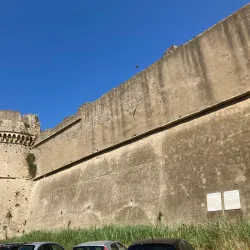
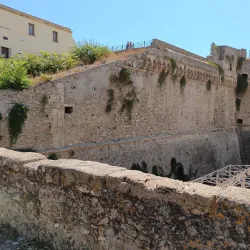

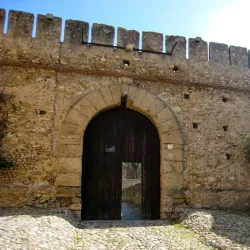


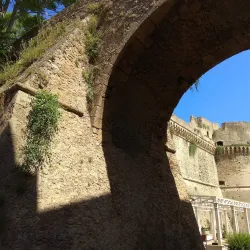

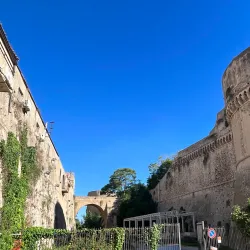
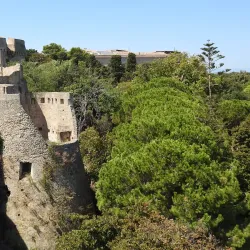
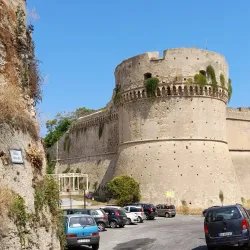
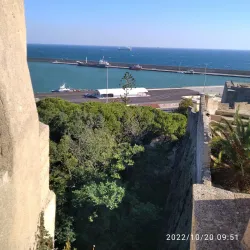
This imposing castle was built in the 16th century by Emperor Charles V to defend the city from invasions. It stands prominently near the harbor and offers panoramic views of the sea and city.
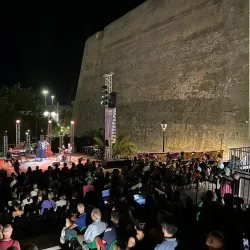
The castle now hosts cultural events and exhibitions, making it a key historical and cultural landmark in Crotone.
Parco Archeologico di Capo Colonna
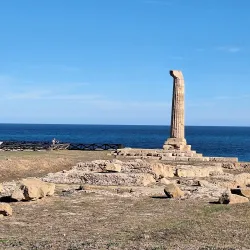
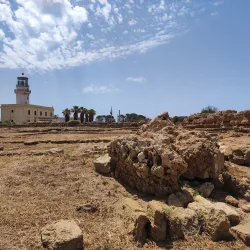
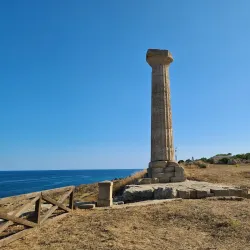
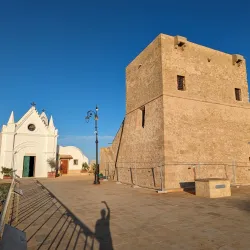
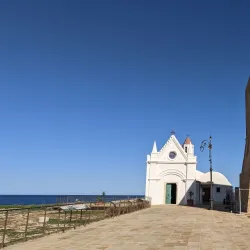

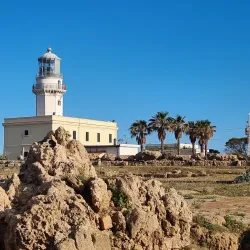


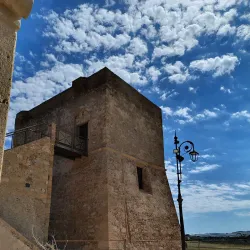
An important archaeological park featuring the ruins of an ancient Greek temple dedicated to Hera Lacinia, dating back to the 6th century BC.
The site offers insight into the city's Greek heritage and provides scenic views of the coastline.
Museo Archeologico Nazionale di Crotone
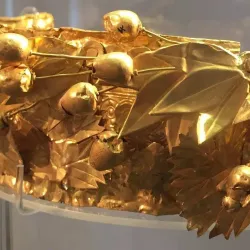
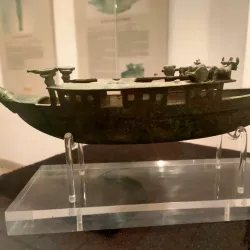
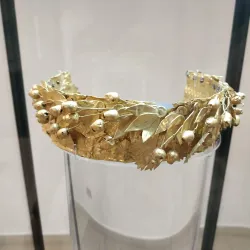
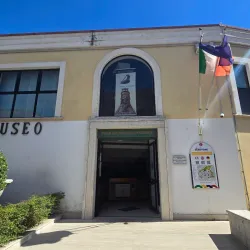
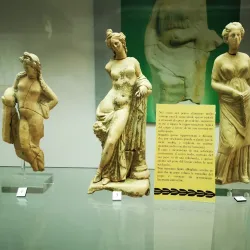
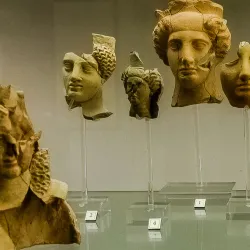
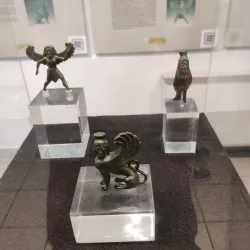
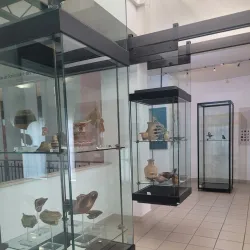
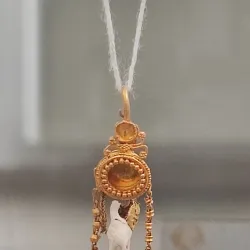
This national archaeological museum houses a vast collection of artifacts from the region, including items from the Greek, Roman, and Byzantine periods.
It is an essential stop for understanding the historical context and cultural evolution of Crotone.
Piazza Pitagora
A central square named after the famous mathematician Pythagoras, who lived in Crotone. The piazza is a lively gathering place surrounded by cafes and shops.
It serves as a cultural hub and often hosts public events and markets.
Cattedrale di Crotone (Cathedral of Crotone)
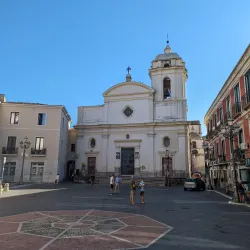
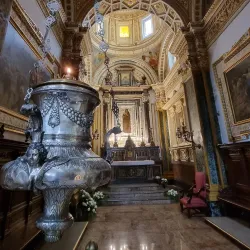
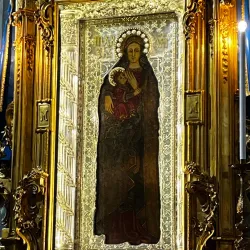
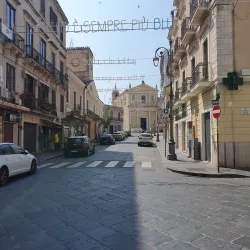
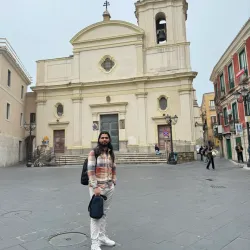
The city's main cathedral, originally built in the 9th century and rebuilt several times, showcasing a mix of architectural styles including Norman and Baroque.
The cathedral is notable for its religious art and historical significance.
Lungomare di Crotone
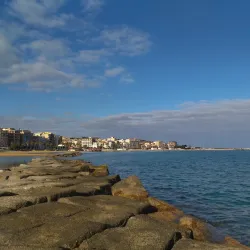
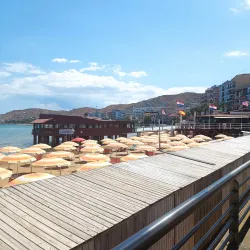
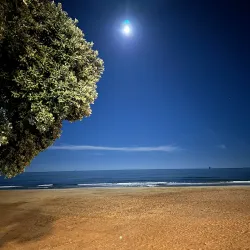
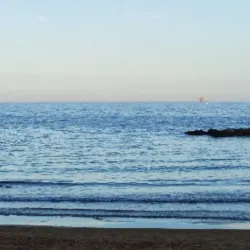
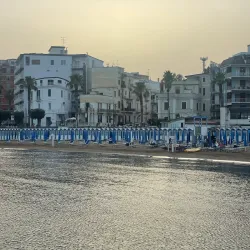
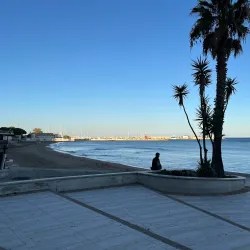
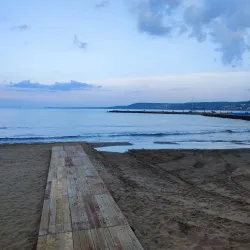
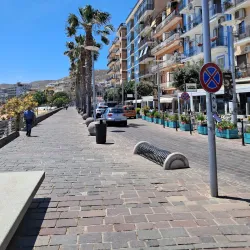
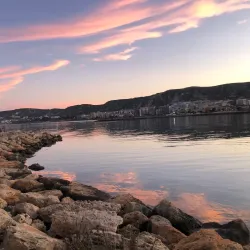
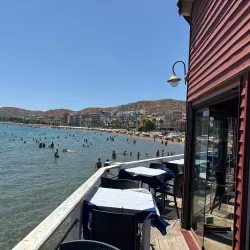
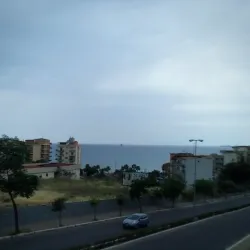
A scenic seaside promenade perfect for leisurely walks along the Ionian Sea. It offers beautiful views, especially at sunset, and is lined with restaurants and cafes.
The Lungomare is a popular spot for both locals and tourists to relax and enjoy the coastal atmosphere.
Teatro Comunale di Crotone
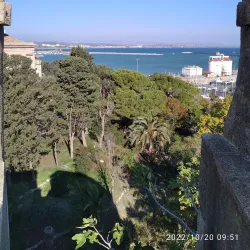


The municipal theater hosts a variety of performances including plays, concerts, and cultural events.
It is an important venue for the local arts scene and community gatherings.
Fontana di Pitagora
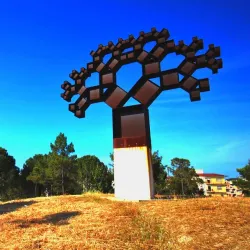
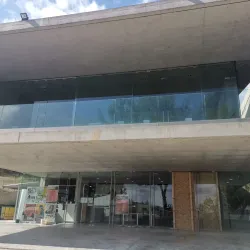
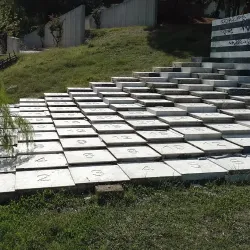
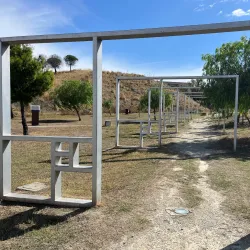
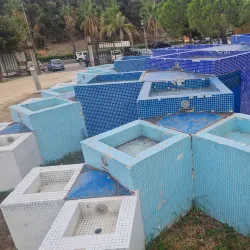
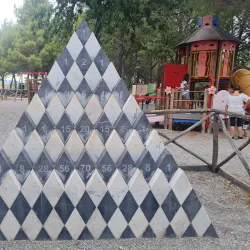
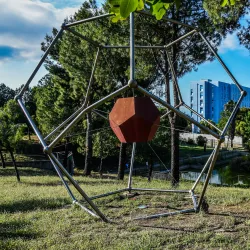
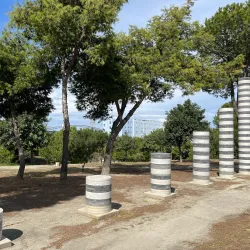
A decorative fountain dedicated to Pythagoras, symbolizing the city's connection to the ancient philosopher.
Located near Piazza Pitagora, it is a popular photo spot and a symbol of local pride.
Spiaggia di Crotone
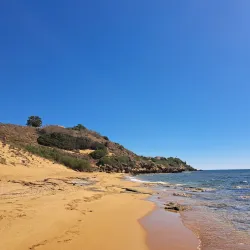
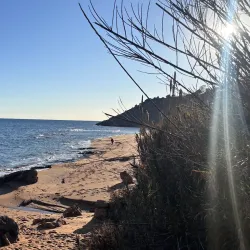
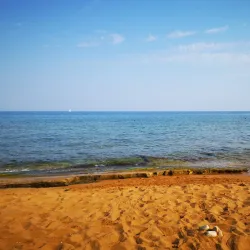
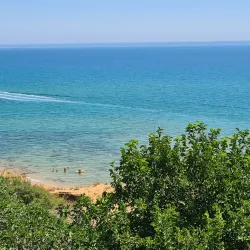
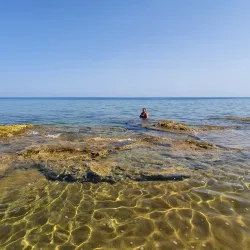
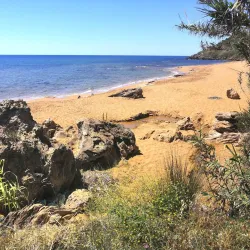
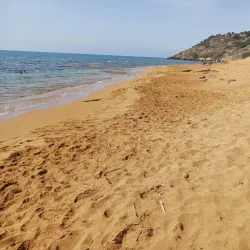
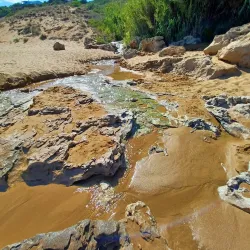
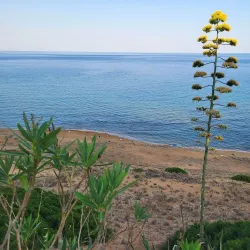
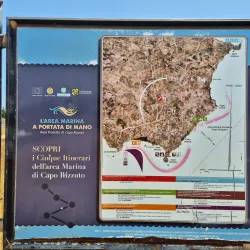
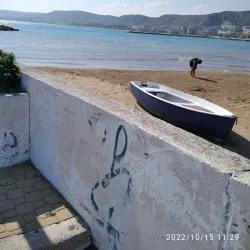
The main beach area of Crotone, offering sandy shores and clear waters along the Ionian Sea.
It is ideal for swimming, sunbathing, and water sports during the warmer months.
Chiesa di San Domenico
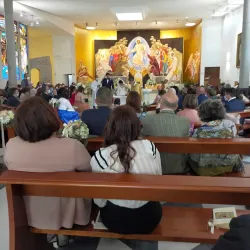
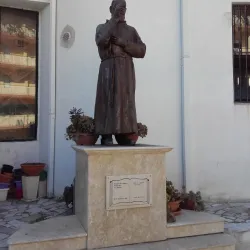
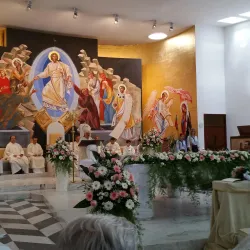
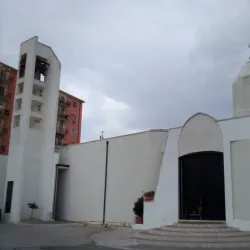
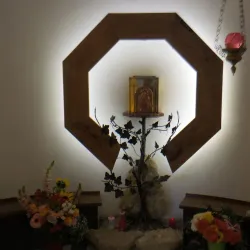



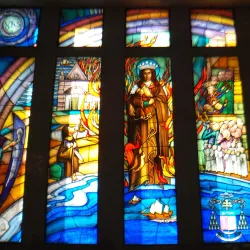
A historic church known for its beautiful architecture and religious artworks.
It reflects the city's religious heritage and is a peaceful place for visitors to explore.