Things to do in Fano
Fano is a charming coastal town located in the Marche region of Italy, known for its rich history, beautiful beaches, and vibrant cultural scene. The town offers a blend of ancient Roman heritage, Renaissance architecture, and lively seaside atmosphere.Visitors to Fano can explore its historic center, enjoy the Adriatic coastline, and experience local festivals and cuisine. The town's welcoming ambiance makes it a delightful destination for travelers interested in history, art, and relaxation by the sea.Arch of Augustus
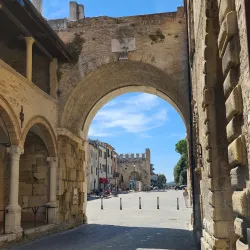
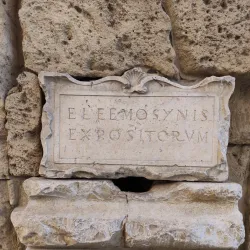
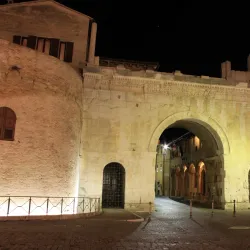
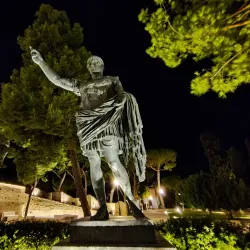
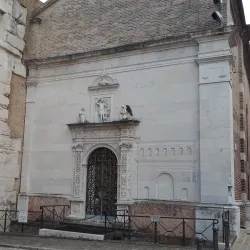
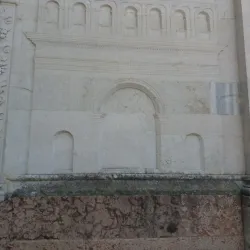
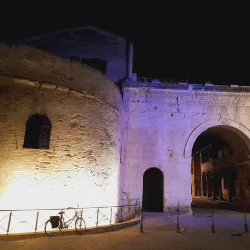
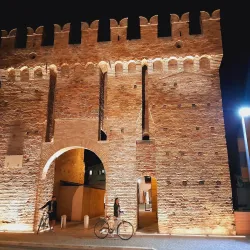
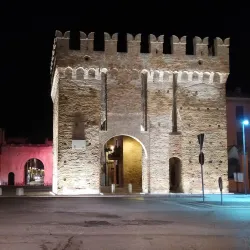
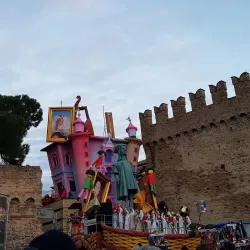
The Arch of Augustus is a monumental Roman gate dating back to 9 AD, serving as a grand entrance to the ancient city. It is one of the best-preserved Roman arches in Italy and a symbol of Fano's historical significance.
Visitors can admire the impressive architecture and learn about the town's Roman past through this iconic landmark.
Malatesta Fortress (Rocca Malatestiana)
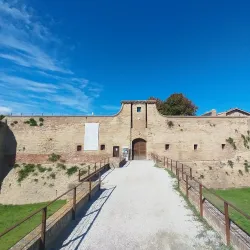
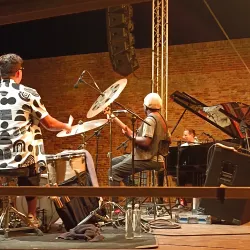
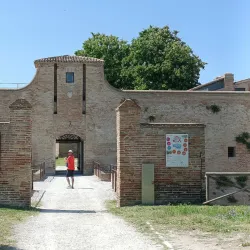
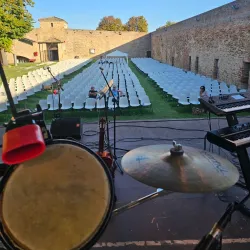

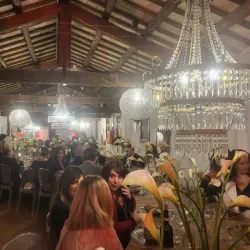

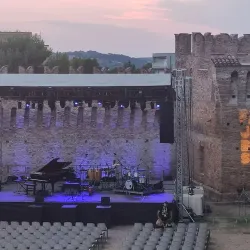
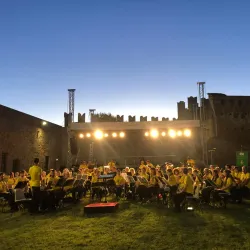
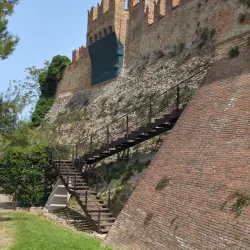
This Renaissance fortress was built in the 15th century by the Malatesta family, who ruled Fano. The fortress offers panoramic views of the town and the Adriatic Sea, making it a popular spot for sightseeing.
Inside, visitors can explore the fortress walls, towers, and the surrounding park, which is perfect for leisurely walks.
Roman Theater
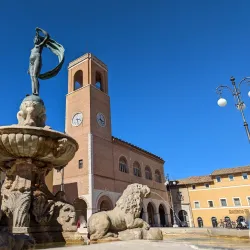
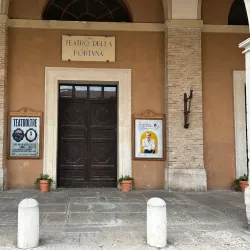

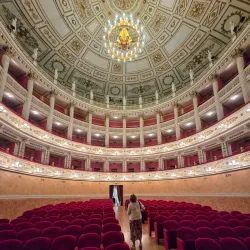
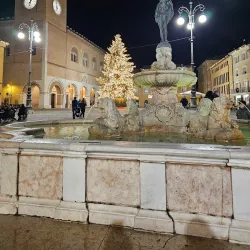
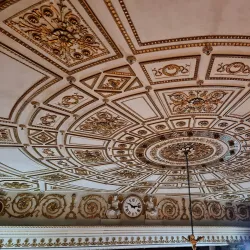
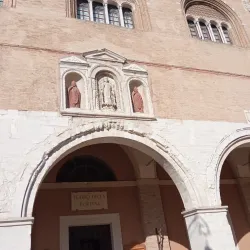
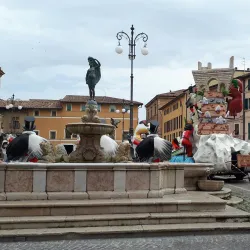
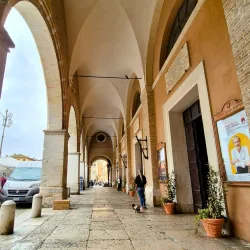
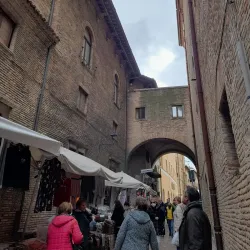
The Roman Theater of Fano is an ancient structure dating back to the 1st century AD. It was used for various performances and gatherings during Roman times.
Today, the theater is partially excavated and open to visitors interested in archaeology and ancient Roman culture.
Fano Beach
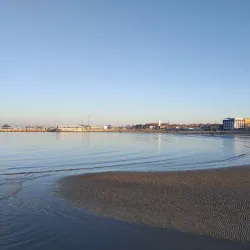
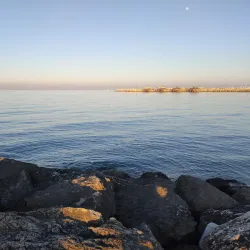
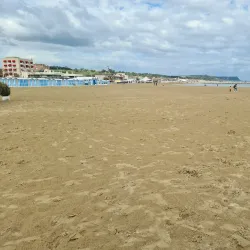
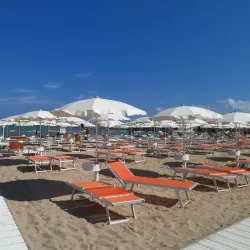
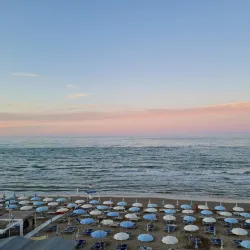
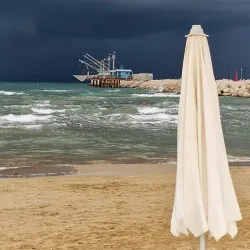

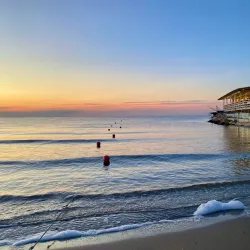
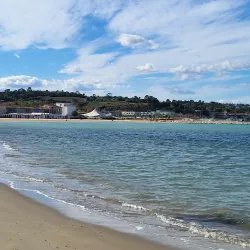

Fano Beach is a long stretch of sandy coastline along the Adriatic Sea, ideal for swimming, sunbathing, and water sports. The beach is well-equipped with facilities, making it family-friendly and accessible.
The promenade along the beach is lined with cafes and restaurants, offering a perfect place to relax and enjoy local seafood.
Piazza XX Settembre
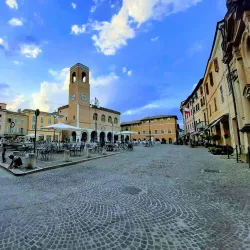

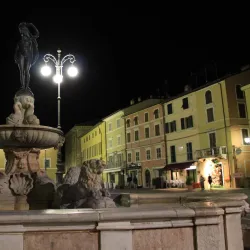
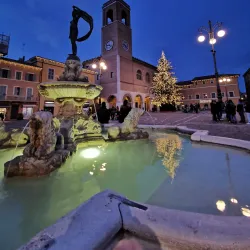
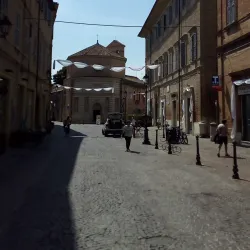
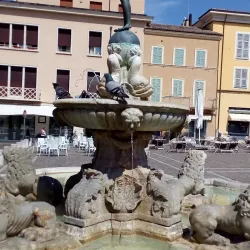
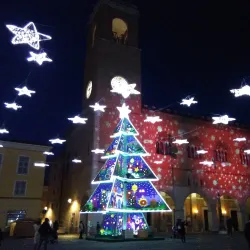
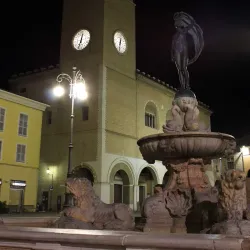
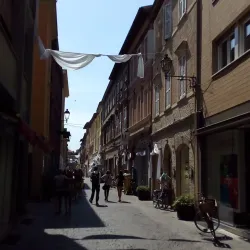
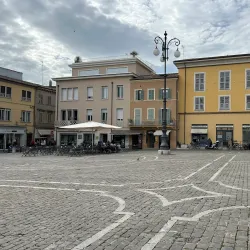
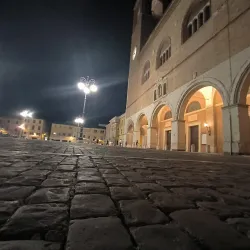
This central square is the heart of Fano's historic center, surrounded by beautiful buildings, shops, and cafes. It is a lively gathering place for locals and tourists alike.
The square often hosts markets, events, and festivals, providing a glimpse into the town's vibrant community life.
Cathedral of Fano (Cattedrale di Santa Maria Assunta)
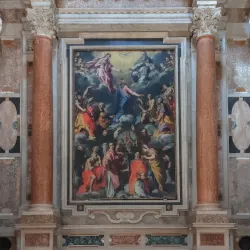
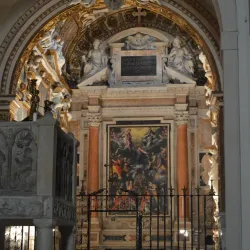
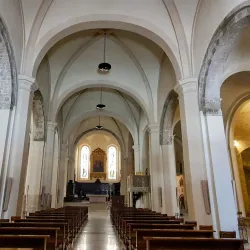
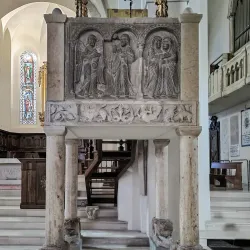
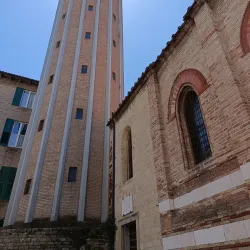
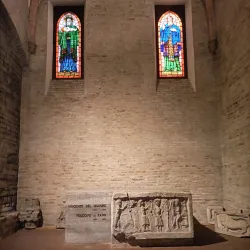
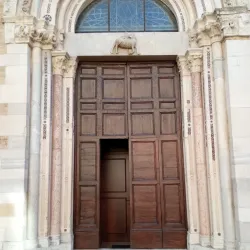
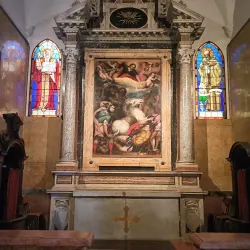
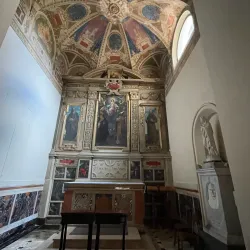
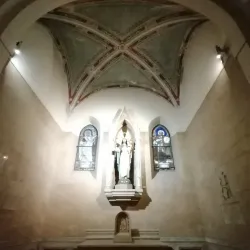
The Cathedral of Fano is a Roman Catholic church with origins dating back to the 12th century, featuring a mix of architectural styles due to various renovations over the centuries.
Inside, visitors can admire religious artworks, frescoes, and the serene atmosphere of this historic place of worship.
Museum of the Malatesta (Museo della Malatestiana)
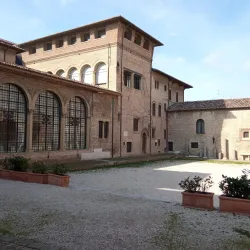
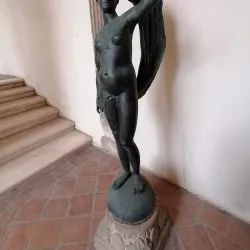
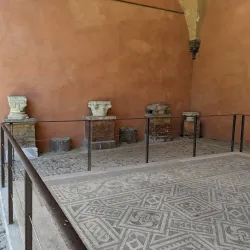
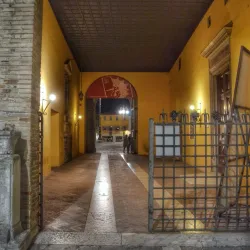


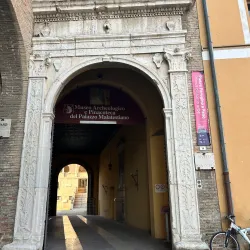



This museum showcases the history and art of the Malatesta family and the town of Fano. Exhibits include archaeological finds, paintings, and historical artifacts.
It provides valuable insights into the cultural heritage and historical development of the region.
Arco di Augusto Park

A public park surrounding the Arch of Augustus, offering green spaces for relaxation and leisure. The park is a pleasant spot for picnics and enjoying views of the ancient arch.
It is a popular place for both locals and tourists to unwind in a historic setting.
Ponte di Augusto (Augustus Bridge)
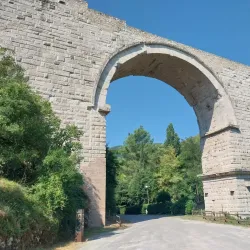
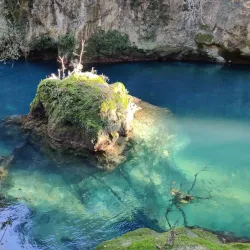


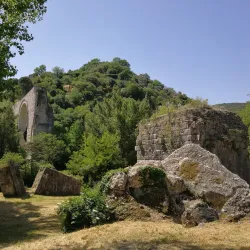

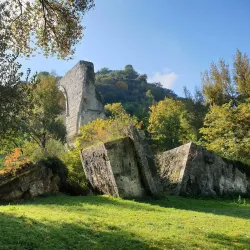
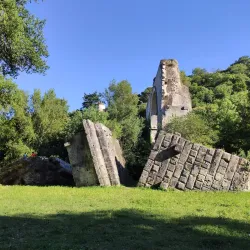
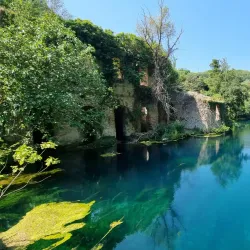
The Augustus Bridge is an ancient Roman bridge that once connected parts of the city across the river. Though partially preserved, it remains an important archaeological site.
Visitors interested in Roman engineering and history will find this site intriguing.
Palazzo del Podestà
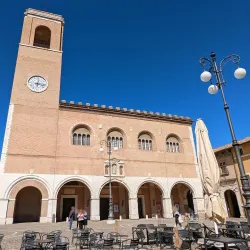
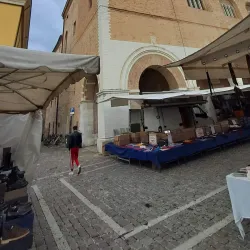
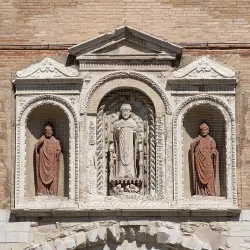
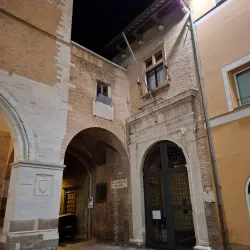
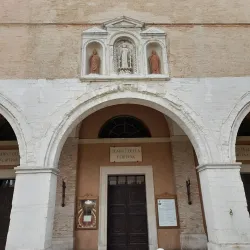
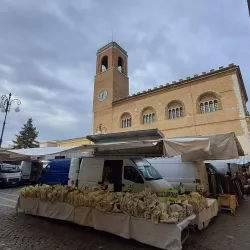
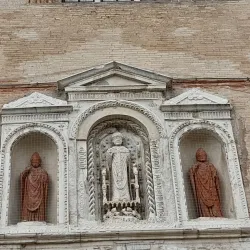
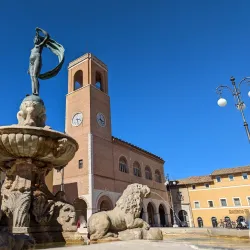
This historic palace was once the seat of the city's magistrate and is an example of medieval civic architecture. It now hosts cultural events and exhibitions.
The building's façade and interior details reflect the town's rich political and social history.