Things to do in L'Aquila
L'Aquila, the capital city of the Abruzzo region in Italy, is known for its rich history, stunning architecture, and beautiful natural surroundings. Despite suffering significant damage from the 2009 earthquake, the city has been undergoing restoration and continues to attract visitors interested in its cultural heritage and scenic landscapes.The city offers a blend of medieval charm, Renaissance art, and modern resilience. Visitors can explore historic churches, ancient fortifications, and museums that tell the story of L'Aquila's past and present.Basilica di Santa Maria di Collemaggio
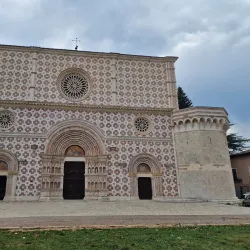
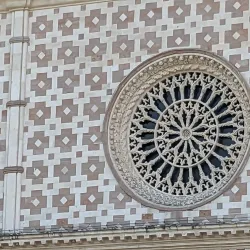
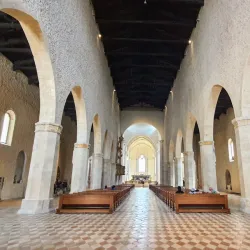
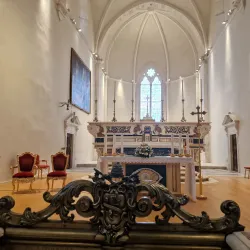
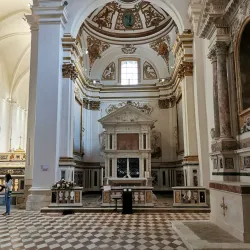
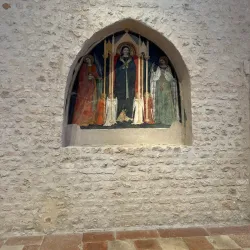
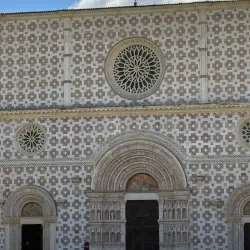
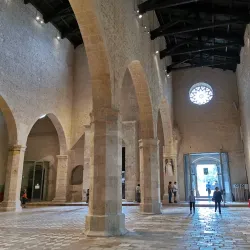
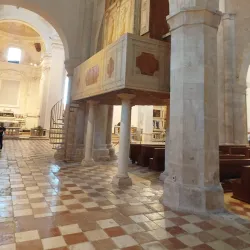
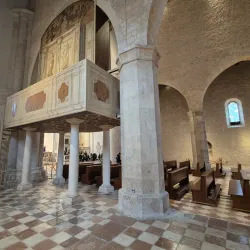
This iconic basilica is one of L'Aquila's most important religious sites, known for its striking Romanesque and Gothic architecture. It was founded in 1288 and is famous for the annual Perdonanza Celestiniana, a religious festival granting plenary indulgence.
The basilica suffered damage during the 2009 earthquake but has been partially restored, allowing visitors to admire its beautiful façade, rose window, and intricate interior decorations.
Forte Spagnolo (Spanish Fortress)
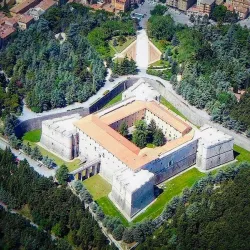
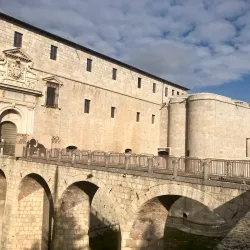
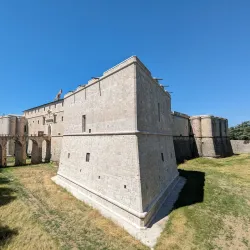
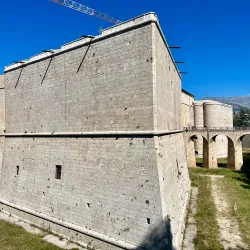
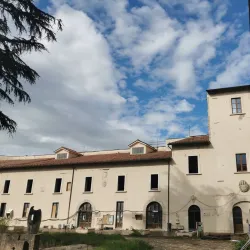
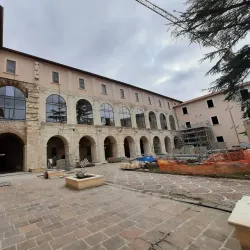
A massive Renaissance fortress built in the 16th century by the Spanish to control the city and surrounding region. It is characterized by its imposing walls, bastions, and moat.
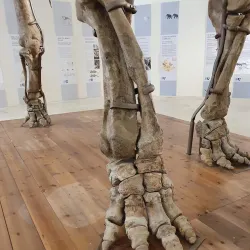
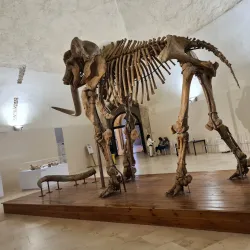
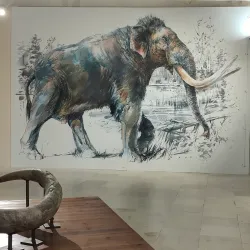
Today, Forte Spagnolo houses the National Museum of Abruzzo, showcasing archaeological finds, art, and historical artifacts from the region.
Fontana Luminosa

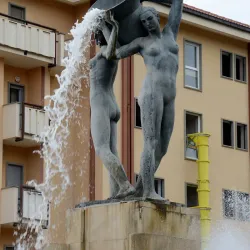
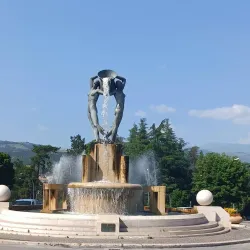
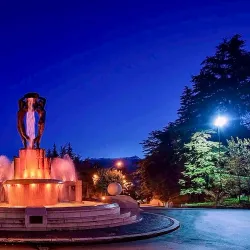
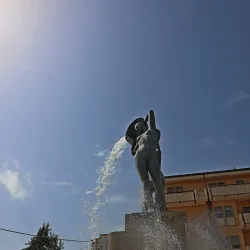
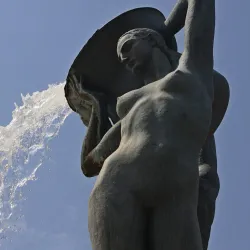
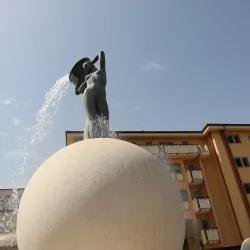
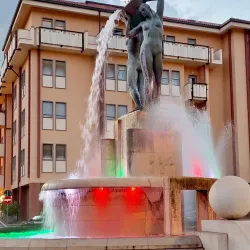
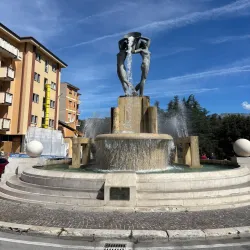
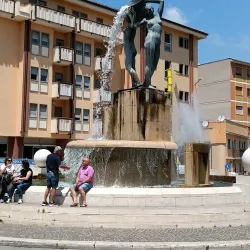
A large and ornate fountain located in the heart of L'Aquila, known for its beautiful sculptures and water displays. It serves as a popular meeting point and a symbol of the city.
The fountain was constructed in the 1930s and is especially striking when illuminated at night, adding to the charm of the surrounding piazza.
Basilica di San Bernardino
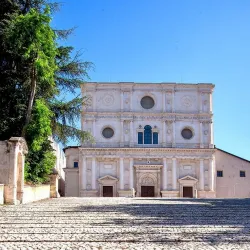
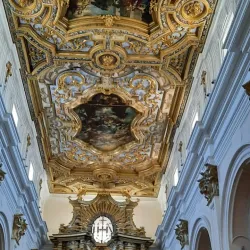
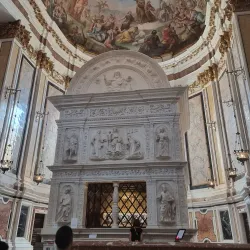
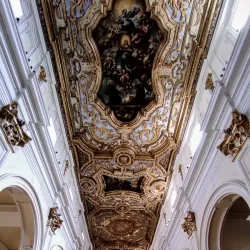
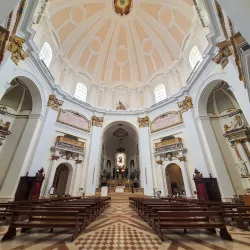
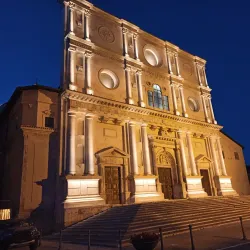
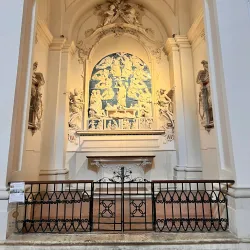
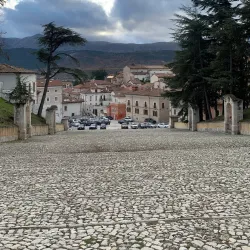
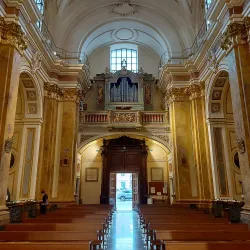
This Renaissance-style basilica is dedicated to Saint Bernardino of Siena, a prominent figure in L'Aquila's religious history. The church features a richly decorated façade and an elegant interior with frescoes and artworks.
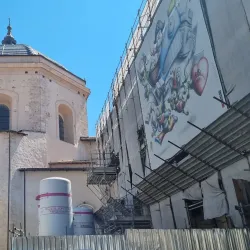
It was severely damaged in the 2009 earthquake but remains a significant site for visitors interested in religious art and architecture.
Piazza Duomo
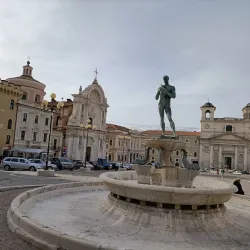
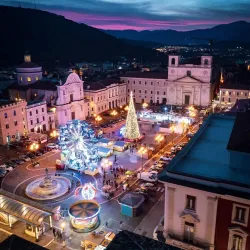
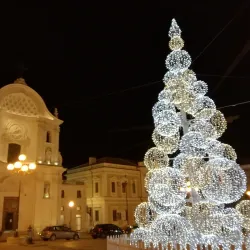
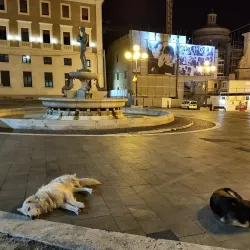
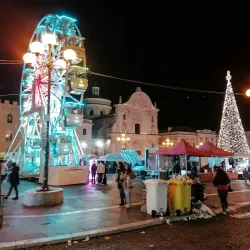
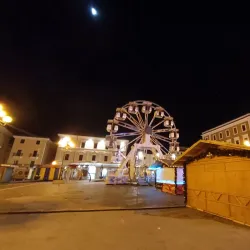
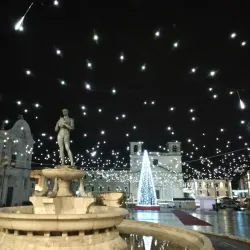
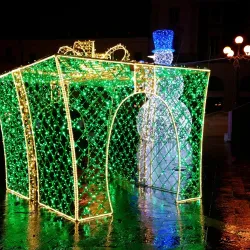
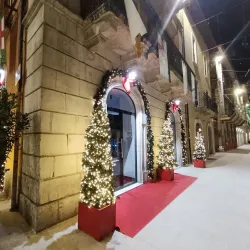
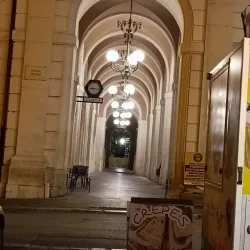
The main square of L'Aquila, home to the city's cathedral and several important civic buildings. It is a lively area where locals and tourists gather for events and socializing.
The square offers a glimpse into the city's medieval layout and is surrounded by charming cafes and shops.
National Museum of Abruzzo
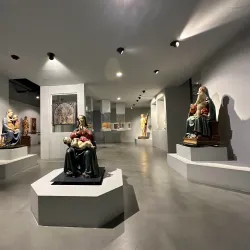
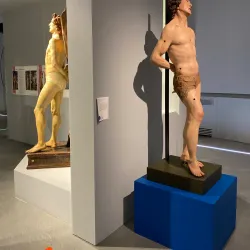
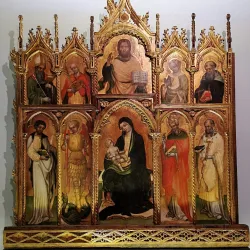
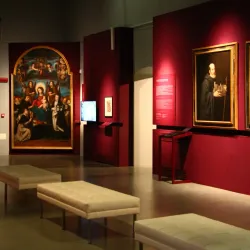
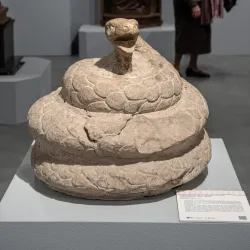
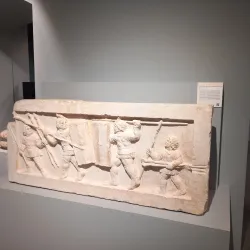
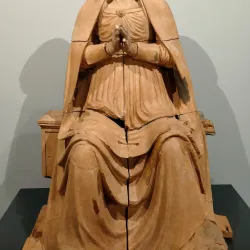
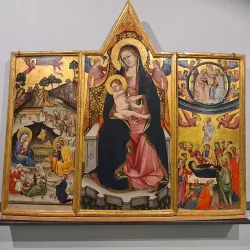
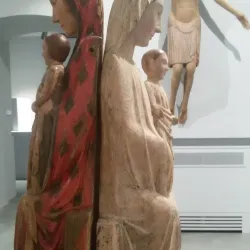
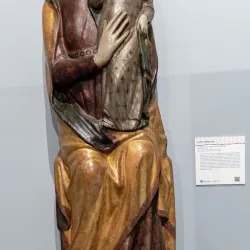
Located within Forte Spagnolo, this museum provides a comprehensive overview of Abruzzo's history, art, and culture. Exhibits include archaeological artifacts, medieval art, and contemporary works.
The museum is a must-visit for those wanting to understand the region's heritage and the impact of historical events on L'Aquila.
Gran Sasso and Monti della Laga National Park
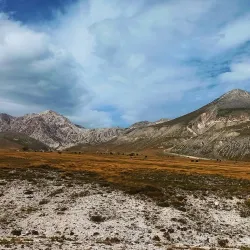
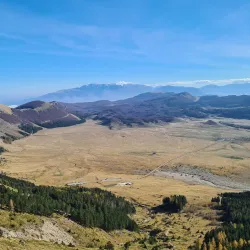
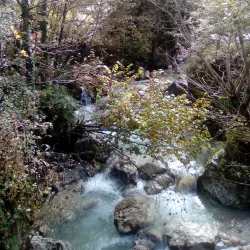
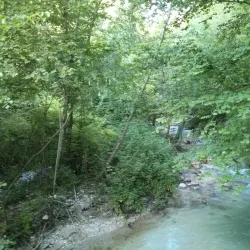
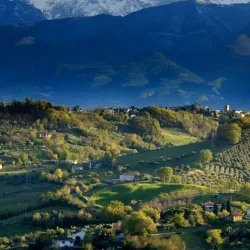
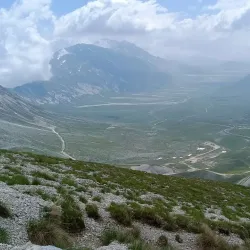
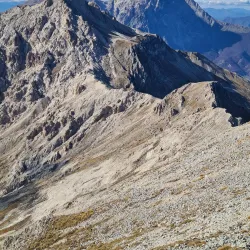
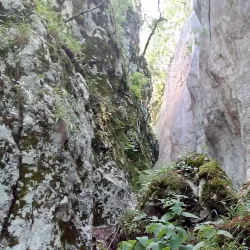
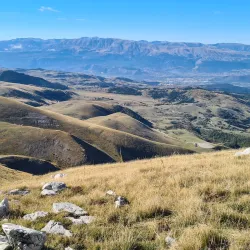
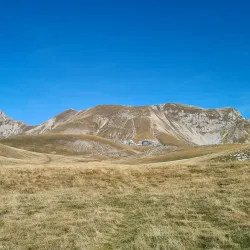
A vast national park surrounding L'Aquila, known for its stunning mountain landscapes, diverse flora and fauna, and outdoor recreational opportunities.
Visitors can enjoy hiking, skiing, and wildlife watching in the park, which includes the highest peak in the Apennines, Corno Grande.
Santa Maria di Paganica
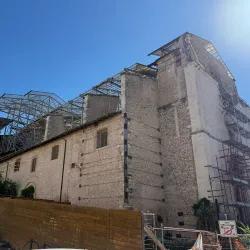
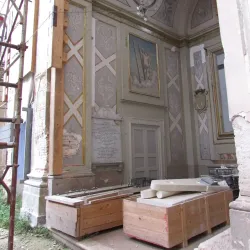
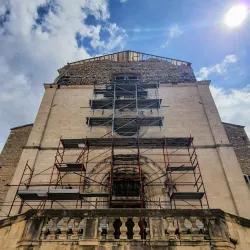
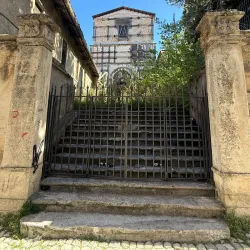
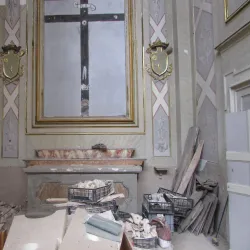
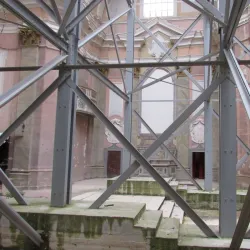
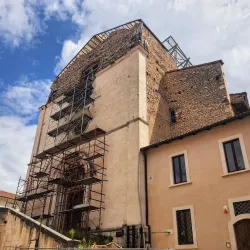
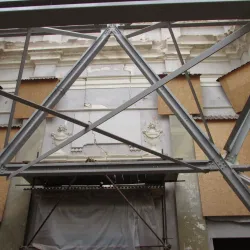
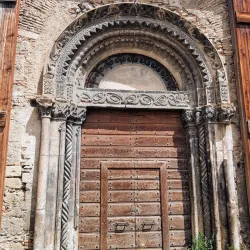
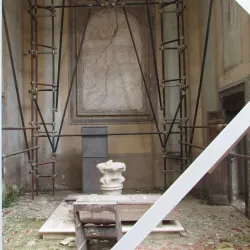
A historic church located in the Paganica district of L'Aquila, known for its Romanesque architecture and beautiful frescoes.
The church was heavily damaged in the 2009 earthquake but remains an important cultural and religious site.
Fontana delle 99 Cannelle (Fountain of 99 Spouts)
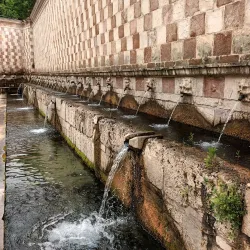
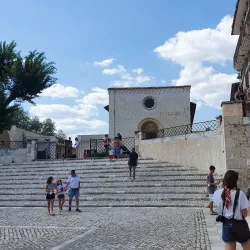
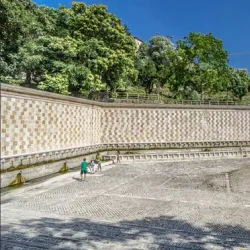
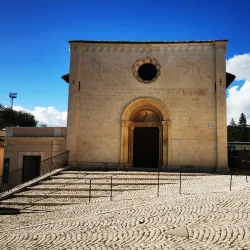
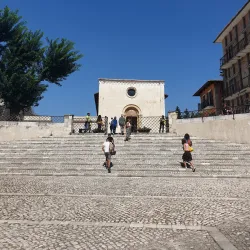
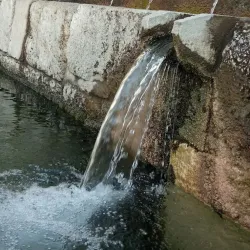
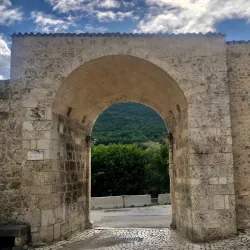
A medieval fountain featuring 99 spouts, each representing one of the original 99 villages that formed L'Aquila. It is a symbol of the city's unity and history.
The fountain is an impressive example of medieval engineering and artistry, located near the city center.
Church of San Pietro a Coppito
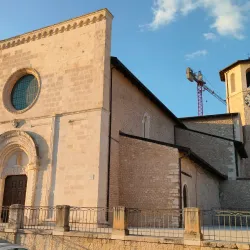
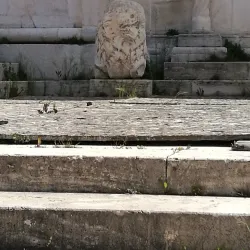
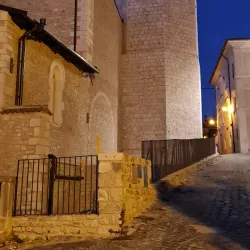
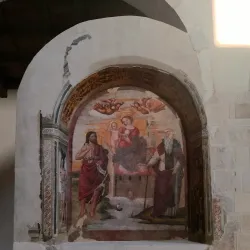
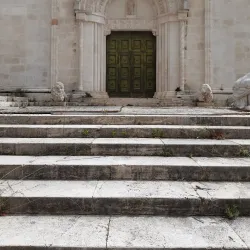
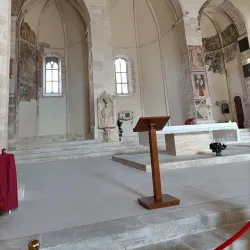
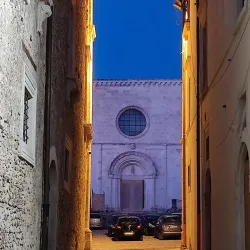
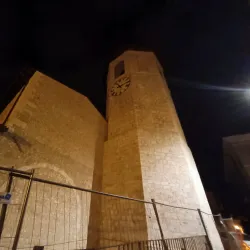
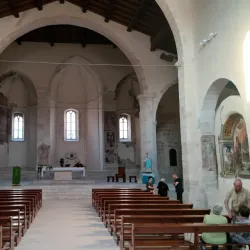
An ancient church dating back to the 13th century, known for its Romanesque style and historical significance.
The church is located in the Coppito area and offers insight into the religious architecture of the region.