Things to do in Lecce
Lecce, often referred to as the 'Florence of the South,' is a historic city in the Apulia region of Italy renowned for its stunning Baroque architecture and rich cultural heritage. The city offers a unique blend of ancient Roman ruins, medieval castles, and vibrant piazzas, making it a captivating destination for history enthusiasts and art lovers alike.The city's charming old town is filled with narrow streets, beautiful churches, and lively cafes, providing visitors with an authentic Italian experience. Lecce is also famous for its local crafts, particularly its intricate papier-mâché art, and delicious Apulian cuisine.Basilica di Santa Croce
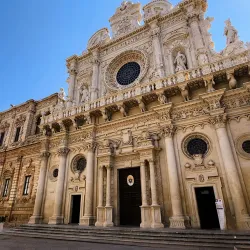
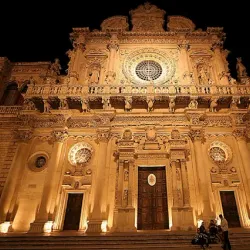
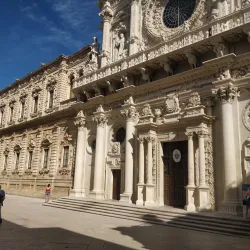
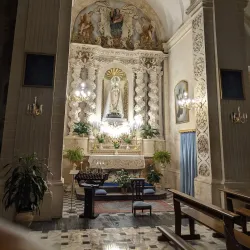
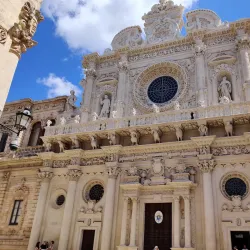
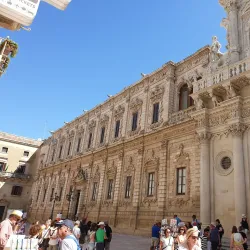
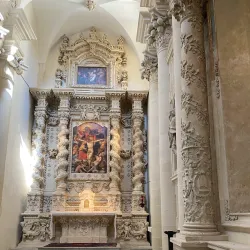
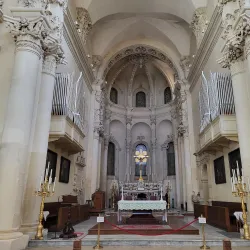
The Basilica di Santa Croce is a masterpiece of Baroque architecture and one of Lecce's most iconic landmarks. Its elaborate façade is adorned with intricate sculptures, floral motifs, and mythical creatures, showcasing the craftsmanship of local artisans.
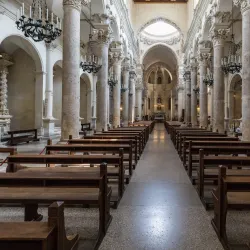
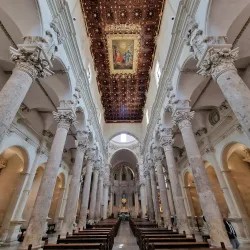
Inside, visitors can admire the richly decorated interior, including stunning frescoes and a beautifully carved altar. The basilica is a testament to Lecce's artistic heritage and a must-see for anyone interested in Baroque art.
Piazza del Duomo
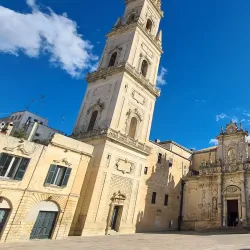
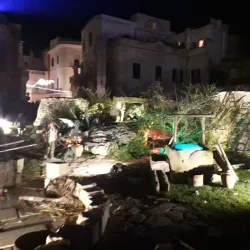
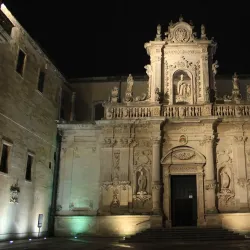
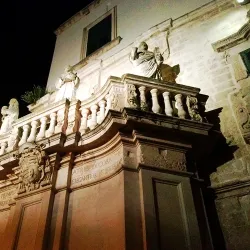
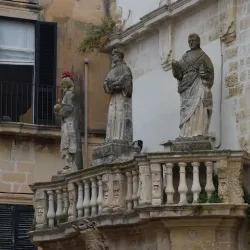
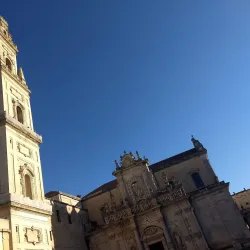
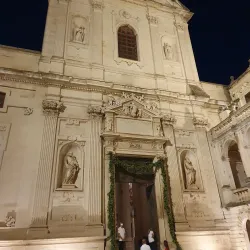
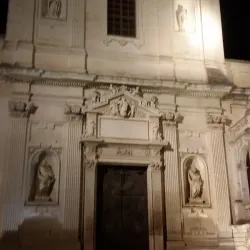
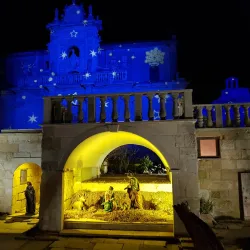
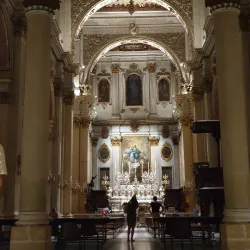
Piazza del Duomo is the heart of Lecce's historic center, surrounded by important religious and civic buildings. The square features the Lecce Cathedral (Duomo), the Bishop's Palace, and the Seminary, all exemplifying Baroque architecture.
This elegant square is a peaceful place to relax and admire the architectural beauty while enjoying a coffee at one of the nearby cafes. It is especially enchanting in the evening when the buildings are illuminated.
Roman Amphitheatre
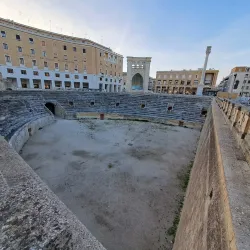
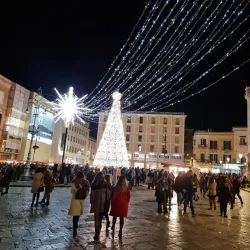
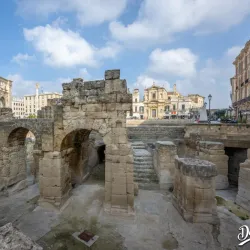
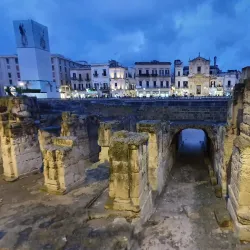
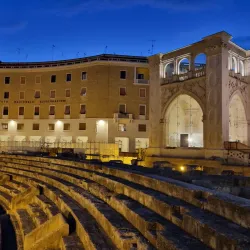
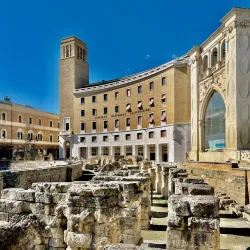
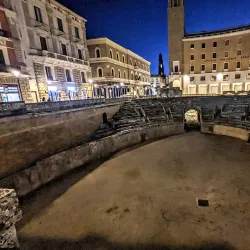
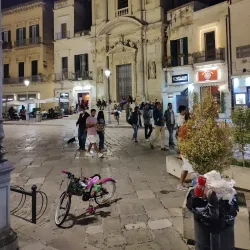
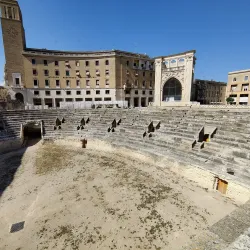
The Roman Amphitheatre in Lecce dates back to the 2nd century AD and is located in the city's main square, Piazza Sant'Oronzo. It once hosted gladiatorial games and public spectacles, reflecting Lecce's importance during the Roman Empire.
Today, visitors can explore the partially excavated ruins and imagine the ancient events that took place there. The site is an essential stop for those interested in archaeology and Roman history.
Castello di Carlo V
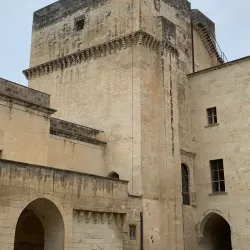
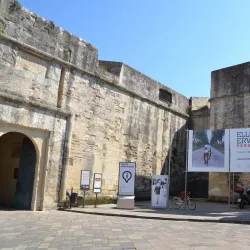
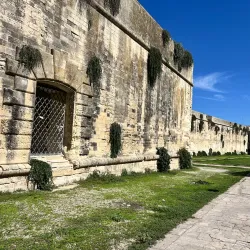
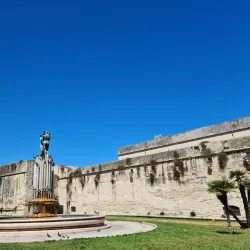
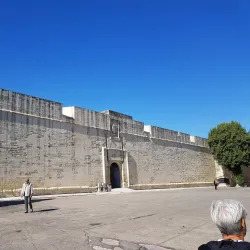
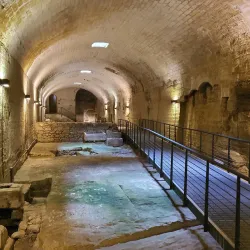
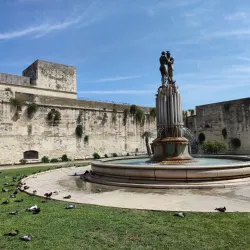
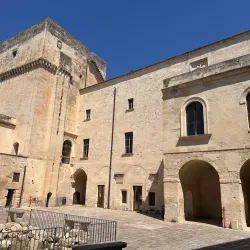
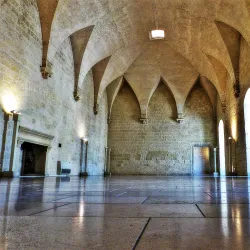
The Castello di Carlo V is a 16th-century fortress built by Emperor Charles V to defend the city from invasions. It features massive walls, bastions, and a moat, showcasing military architecture of the Renaissance period.
The castle now hosts exhibitions and cultural events, offering visitors a glimpse into Lecce's defensive history and its role in regional conflicts.
Piazza Sant'Oronzo
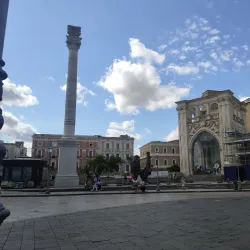
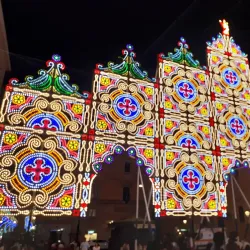
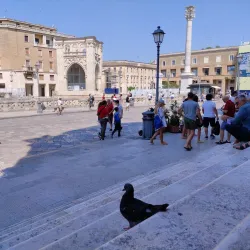
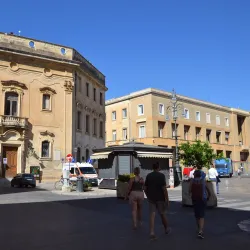
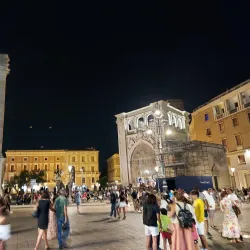
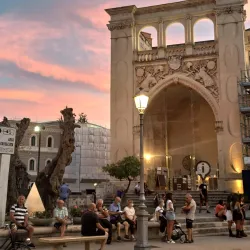
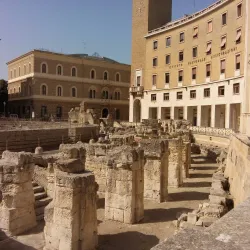
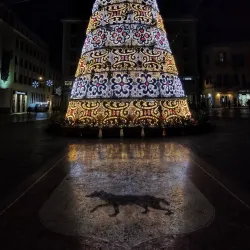
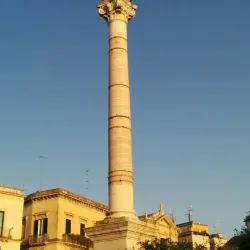
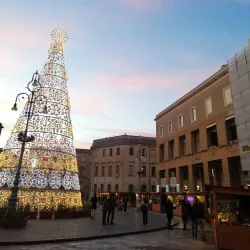
Piazza Sant'Oronzo is a lively square named after the city's patron saint. It is a popular gathering place surrounded by cafes, shops, and historical monuments, including the Column of Sant'Oronzo, which was brought from the ancient city of Antioch.
The square is a vibrant hub of social life in Lecce and often hosts markets, festivals, and public events, making it a great spot to experience local culture.
Chiesa di San Matteo
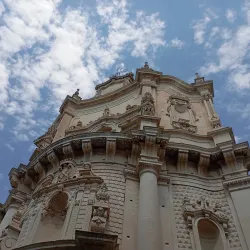
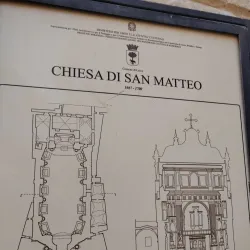
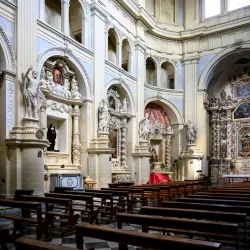
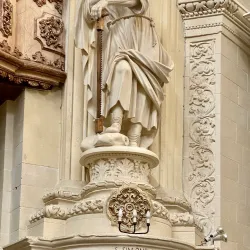
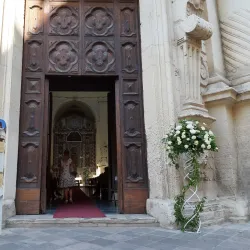
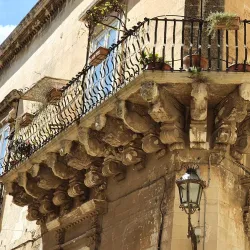
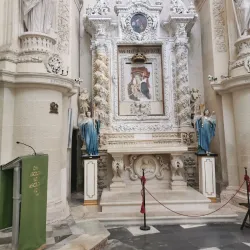
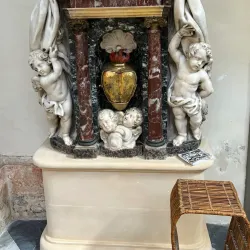
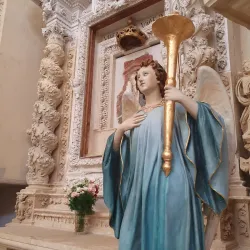
The Church of San Matteo is a beautiful Baroque church known for its ornate façade and richly decorated interior. It houses important religious artworks and is a fine example of Lecce's ecclesiastical architecture.
Visitors appreciate the church for its artistic details and serene atmosphere, making it a peaceful stop during a walking tour of the city.
Porta Napoli
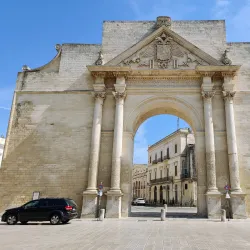
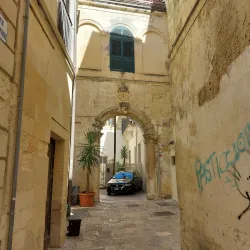
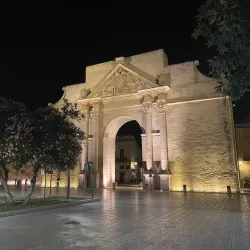
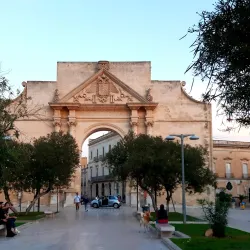
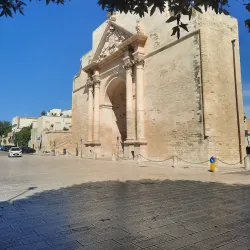
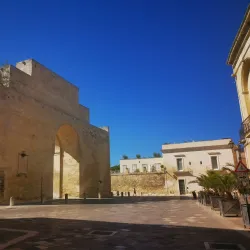
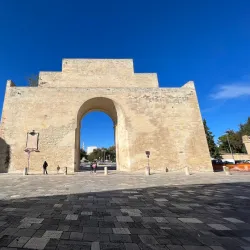
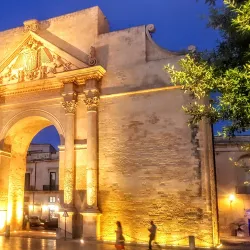
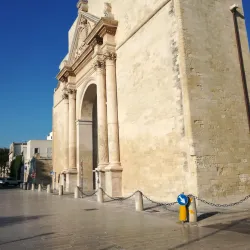
Porta Napoli is a historic city gate built in the 16th century as part of Lecce's defensive walls. It serves as a grand entrance to the old town and is adorned with sculptures and inscriptions.
This landmark symbolizes Lecce's historical significance and offers a picturesque photo opportunity for visitors entering the city center.
Museo Faggiano
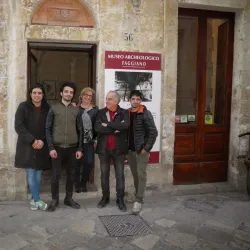
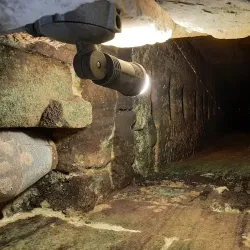
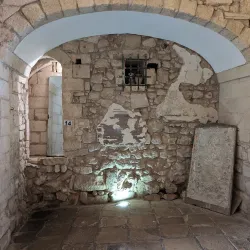
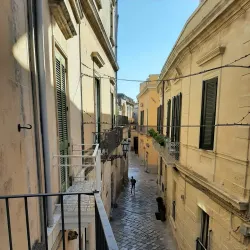
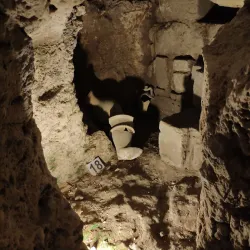
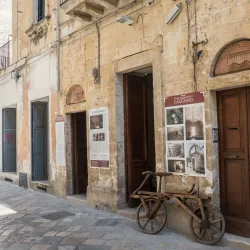
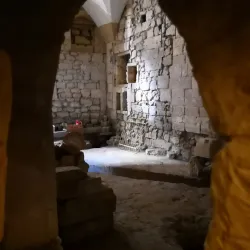
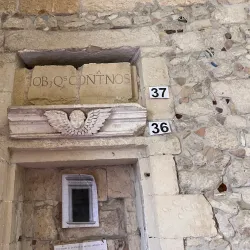
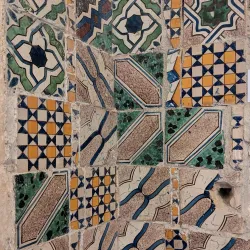
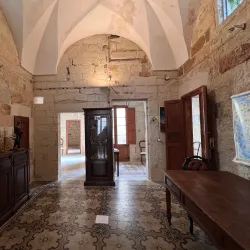
Museo Faggiano is a unique archaeological museum located in a family home where excavations uncovered layers of history dating from the Messapian era to World War II.
The museum provides an intimate look at Lecce's past through artifacts, ancient walls, and tunnels, making it a fascinating visit for history buffs.
Anfiteatro Romano di Lecce
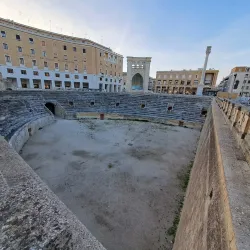
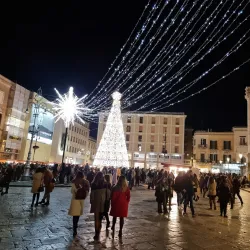
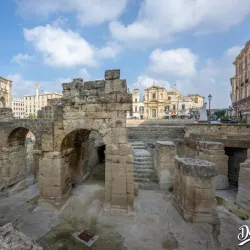
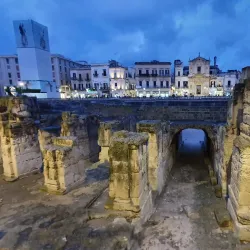
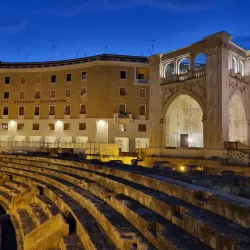
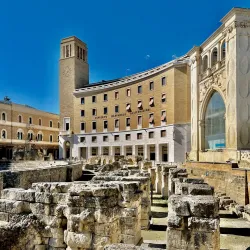
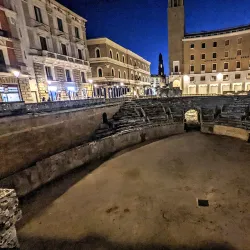
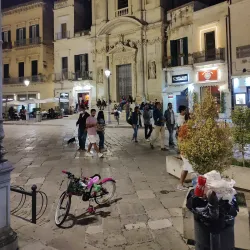
This Roman amphitheater is one of the most significant archaeological sites in Lecce, showcasing the city's ancient Roman heritage. It was used for gladiatorial contests and public events.
Visitors can explore the ruins and learn about the Roman influence on Lecce's development through informative displays and guided tours.
Villa Comunale di Lecce
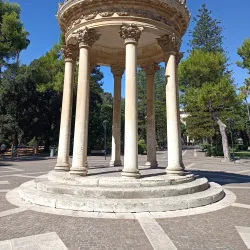
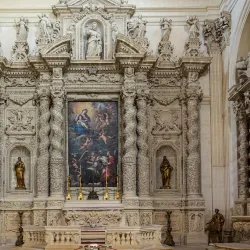
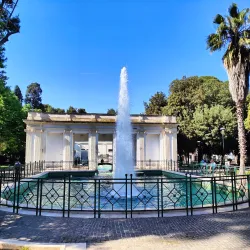
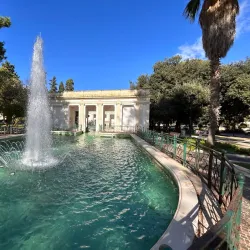
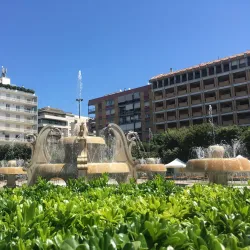
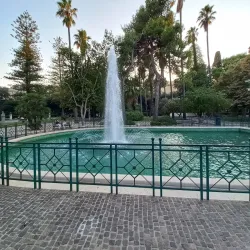
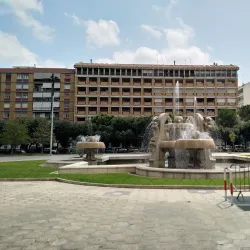
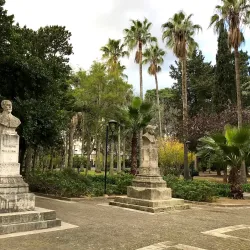
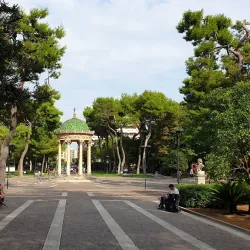
The Villa Comunale is a public park offering a green oasis in the city center. It features walking paths, fountains, and shaded areas, perfect for relaxation and leisure.
The park is a popular spot for locals and tourists alike to enjoy nature, outdoor activities, and occasional cultural events in a tranquil setting.