Things to do in Orvieto
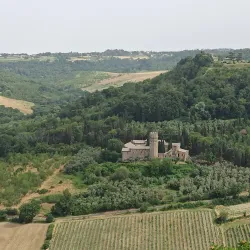
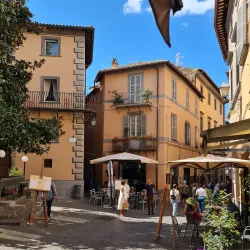
Orvieto is a charming hilltop town in the Umbria region of Italy, renowned for its rich history, stunning medieval architecture, and breathtaking views of the surrounding countryside. Perched on a volcanic tuff cliff, the town offers a unique blend of ancient and Renaissance influences, making it a captivating destination for travelers interested in culture, history, and art.The town's narrow cobblestone streets, historic buildings, and vibrant piazzas invite visitors to explore at a leisurely pace. Orvieto is also famous for its underground tunnels and caves, which reveal fascinating insights into its Etruscan and medieval past.Orvieto Cathedral (Duomo di Orvieto)
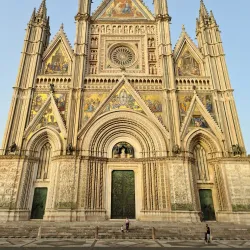
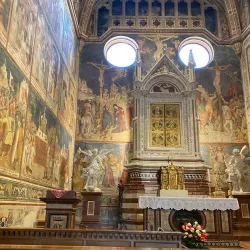
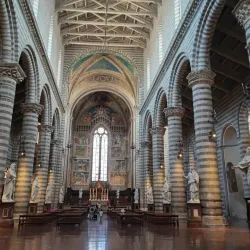
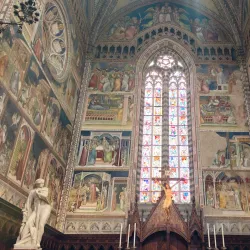
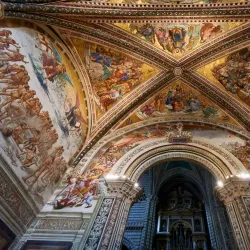
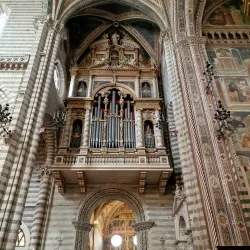
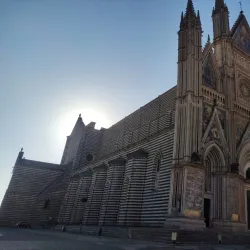
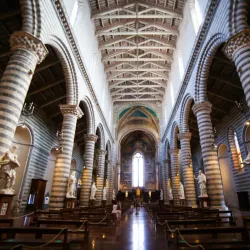
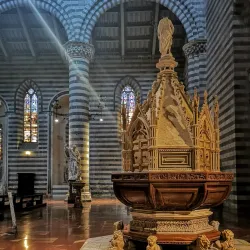
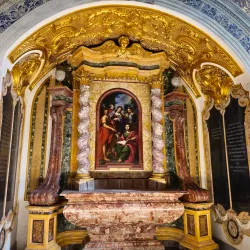
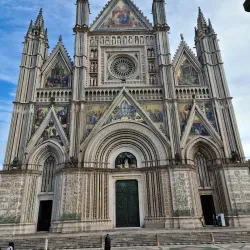
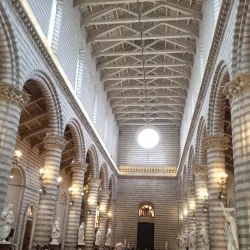
The Orvieto Cathedral is a masterpiece of Gothic architecture, famous for its intricate façade adorned with mosaics, sculptures, and bas-reliefs. Inside, visitors can admire stunning frescoes by Luca Signorelli and other Renaissance artists.
The cathedral is a symbol of Orvieto and a must-visit for its artistic and architectural significance.
Pozzo di San Patrizio (St. Patrick's Well)
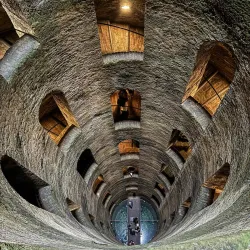
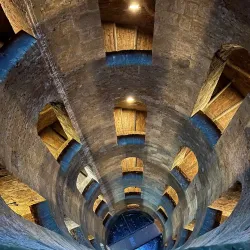
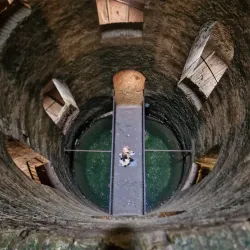
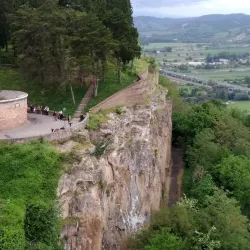
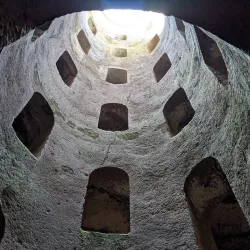
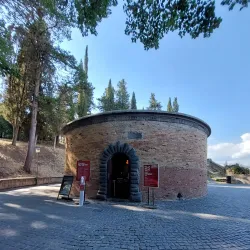
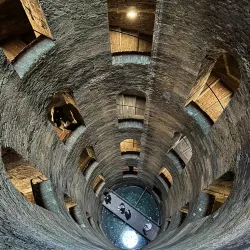
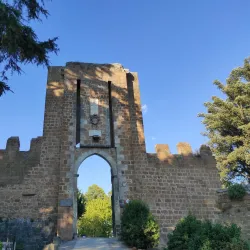
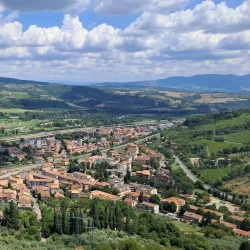
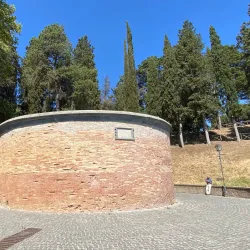
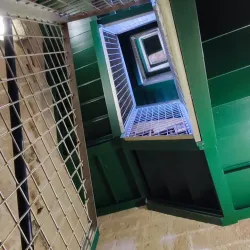
This remarkable well was built in the 16th century to ensure a water supply during sieges. It features a double-helix staircase allowing people and animals to descend and ascend without crossing paths.
The well is an engineering marvel and offers a unique underground experience for visitors.
Orvieto Underground
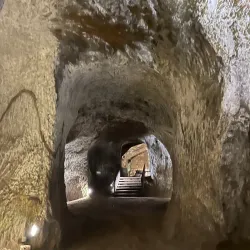
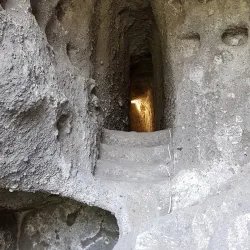
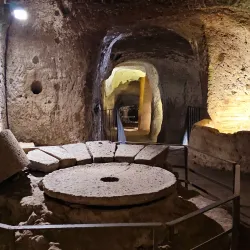
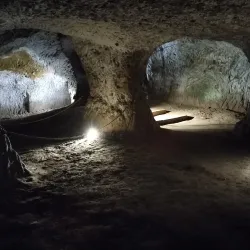
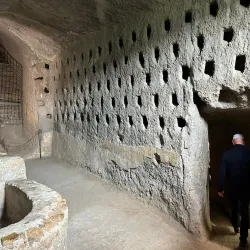
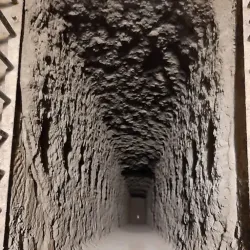
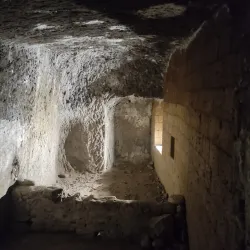
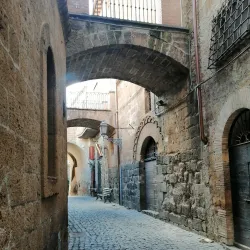
A network of tunnels and caves beneath the city, carved out by the Etruscans and later inhabitants. Guided tours reveal the history and purpose of these subterranean passages, including ancient wells, cellars, and escape routes.
Exploring the underground is a fascinating way to understand Orvieto's historical layers.
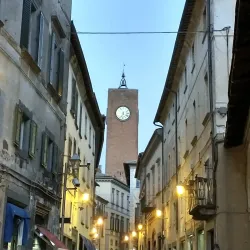
Torre del Moro
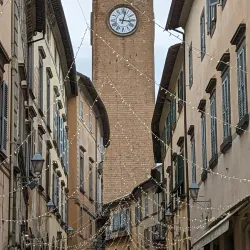
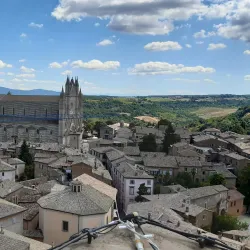
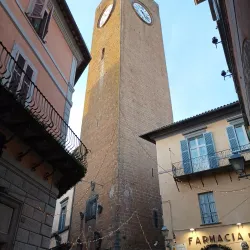
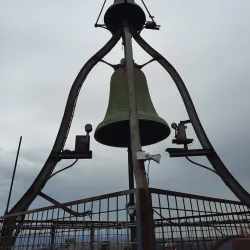
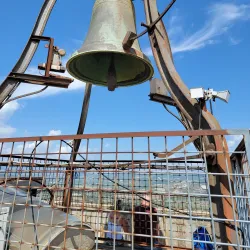
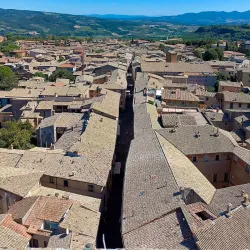
A medieval tower offering panoramic views of Orvieto and the surrounding countryside. Visitors can climb to the top for a breathtaking perspective of the town's rooftops and the Umbrian landscape.
The tower is a great spot for photography and appreciating Orvieto's scenic beauty.
Palazzo del Popolo
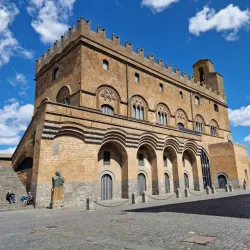
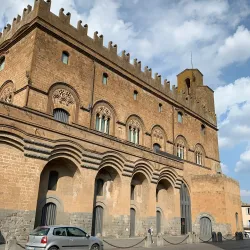
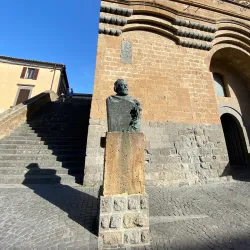
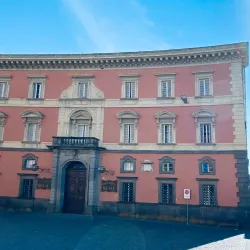
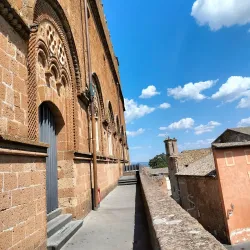
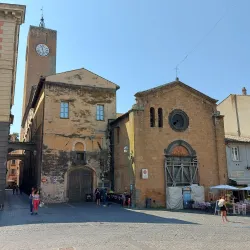
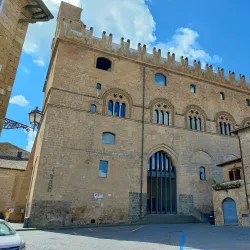
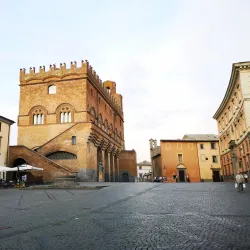
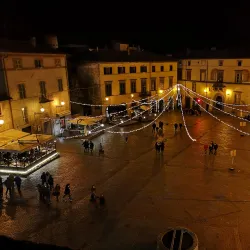
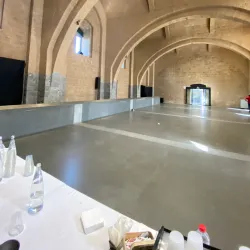
A historic palace located in the main square, Piazza del Popolo. It houses the Civic Museum with collections of art, archaeology, and local history.
The palace is an important cultural site reflecting Orvieto's political and social history.
Church of San Giovenale
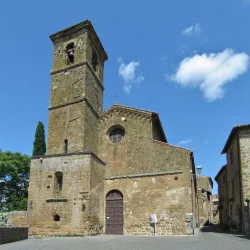
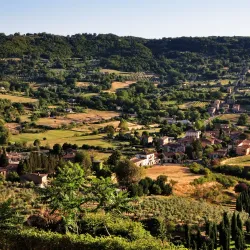
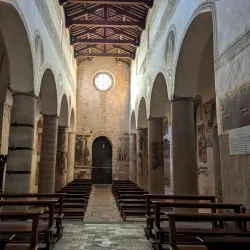
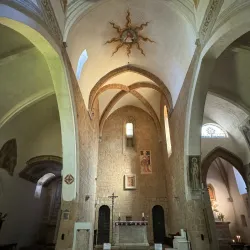
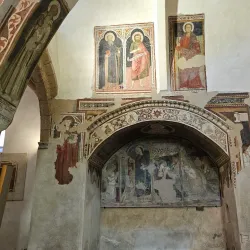
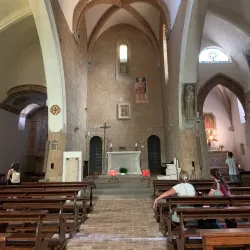
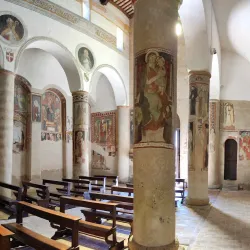
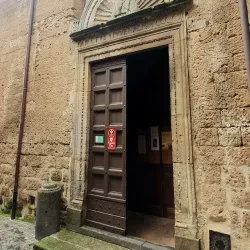
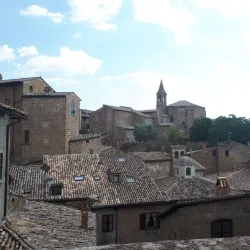
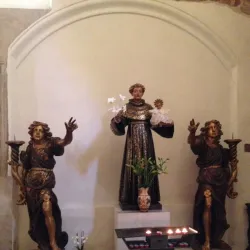
One of the oldest churches in Orvieto, dating back to the 11th century. It features Romanesque architecture and beautiful frescoes from the medieval period.
The church offers insight into the religious and artistic heritage of the town.
Etruscan Necropolis of Crocifisso del Tufo
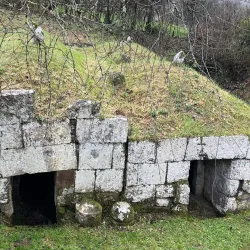
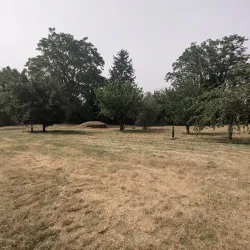
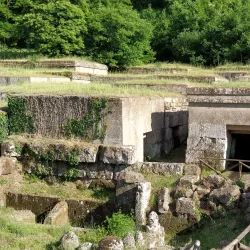
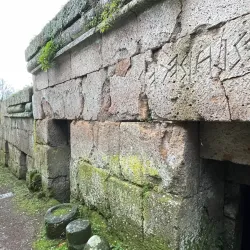
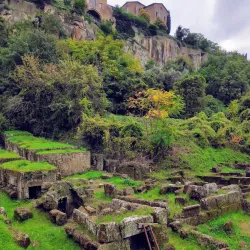
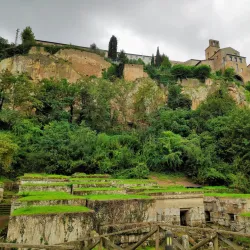
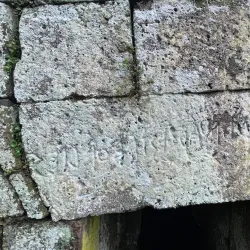
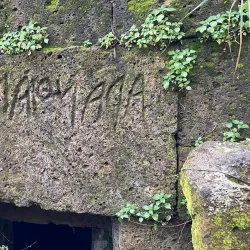
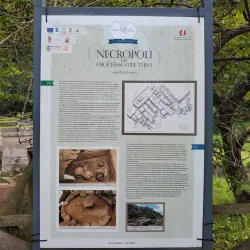
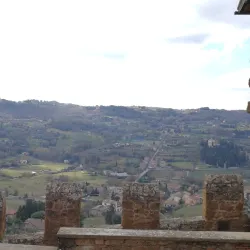
An ancient Etruscan burial site located just outside the town walls. The necropolis contains well-preserved tombs carved into the tuff rock, providing a glimpse into Etruscan funerary practices.
It is a significant archaeological site for those interested in pre-Roman history.
Palazzo dei Sette
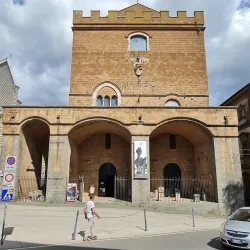
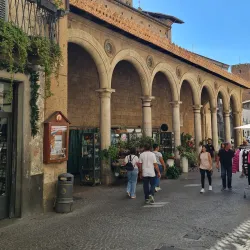
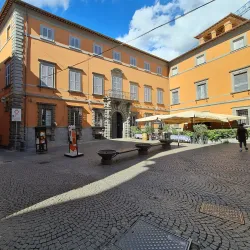
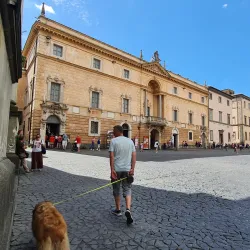
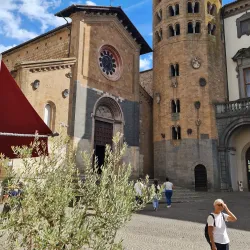
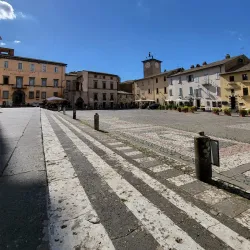
A historic building that once served as the seat of the city council. It is located in Piazza del Popolo and is notable for its architectural features and historical importance.
The palace is part of Orvieto's civic heritage and often hosts cultural events.
Museo Archeologico Nazionale di Orvieto
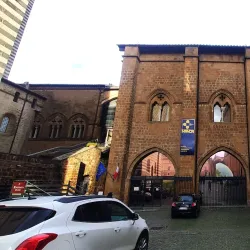
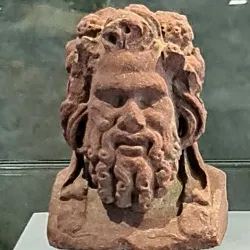
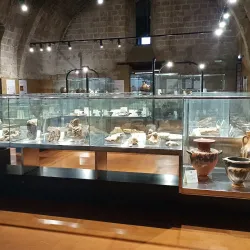
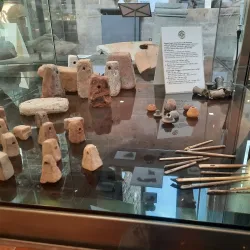
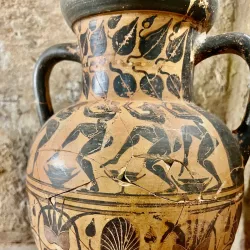
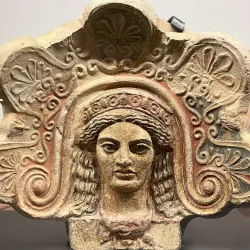
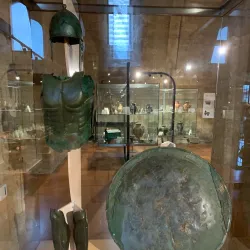
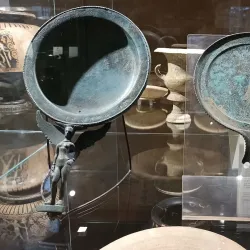
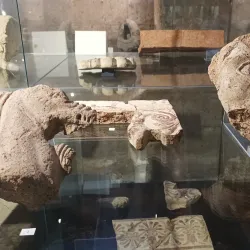
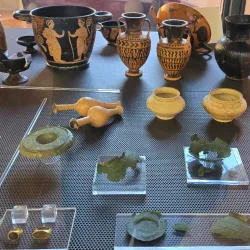
This national archaeological museum showcases artifacts from the Etruscan and Roman periods, including pottery, jewelry, and sculptures.
The museum provides valuable context for understanding the ancient history of Orvieto and the surrounding region.
St. Andrew's Church (Chiesa di Sant'Andrea)
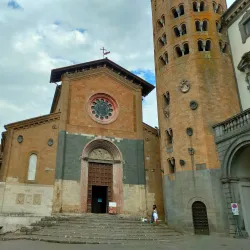
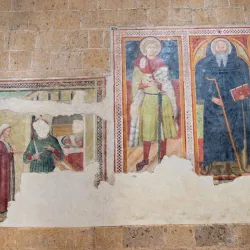
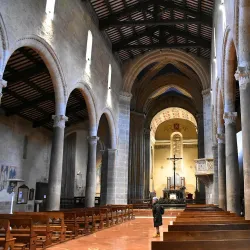
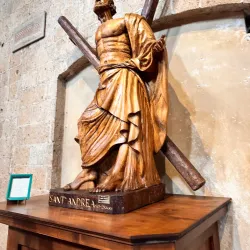
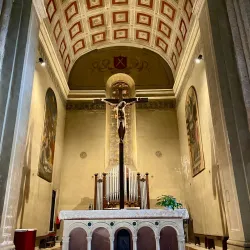
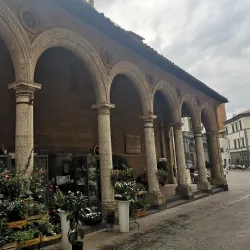
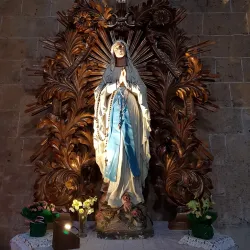
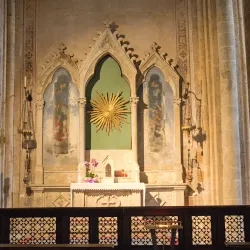
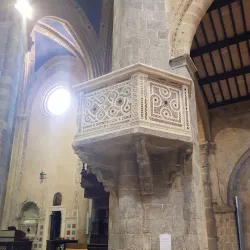
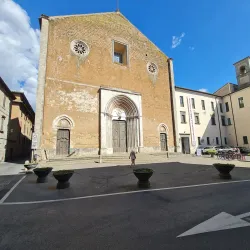
A beautiful church known for its Romanesque architecture and impressive frescoes. It is located near the city center and is a peaceful spot for visitors interested in religious art and history.
The church adds to the rich tapestry of Orvieto's ecclesiastical heritage.