Things to do in Ostia
Ostia, located near Rome on the coast of Italy, is renowned for its rich history as the ancient harbor city of Rome. It offers visitors a unique blend of archaeological wonders, seaside charm, and vibrant local culture.The town is famous for the well-preserved ruins of Ostia Antica, which provide a fascinating glimpse into Roman urban life. Beyond the ruins, Ostia boasts beautiful beaches, lively markets, and excellent seafood dining experiences.Ostia Antica Archaeological Site
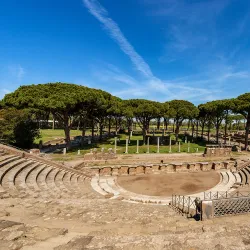
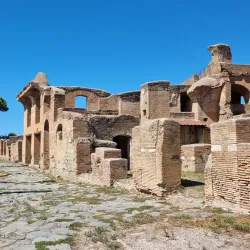
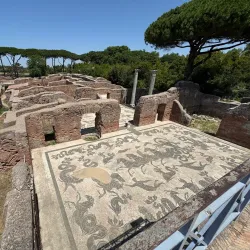
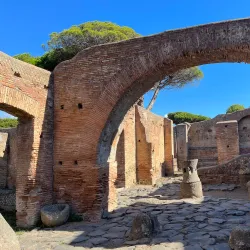
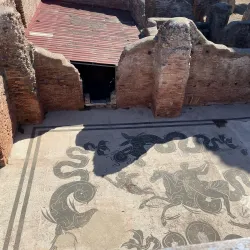
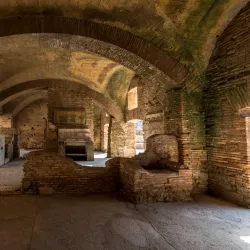
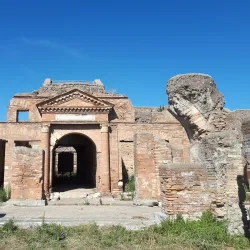
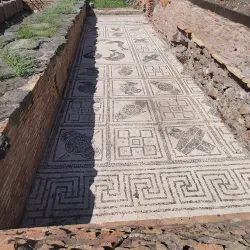
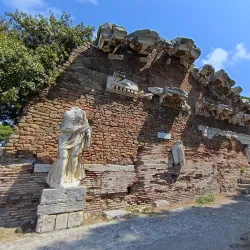
Ostia Antica is the ancient Roman harbor city, offering remarkably well-preserved ruins that include a theater, baths, temples, and residential buildings. It provides a vivid insight into the daily life of ancient Romans and is one of Italy's most important archaeological sites.
Visitors can walk through the ancient streets, explore mosaics and frescoes, and see the remains of warehouses and forums that once supported Rome's trade and commerce.
Ostia Beach (Lido di Ostia)
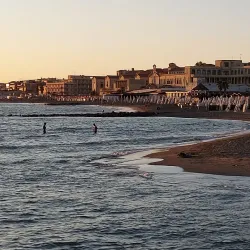
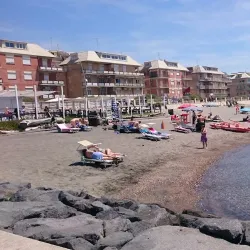
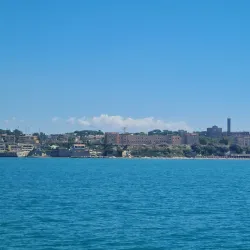
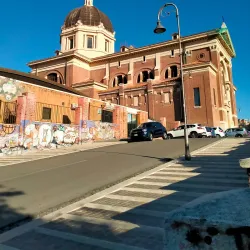
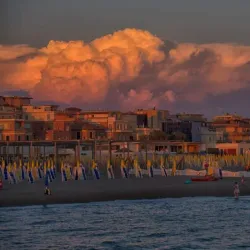
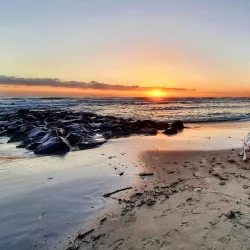
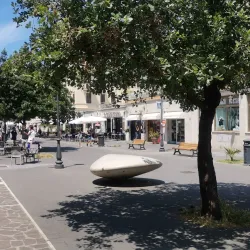
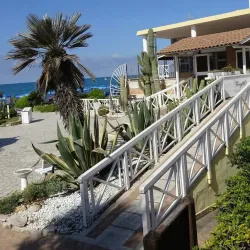
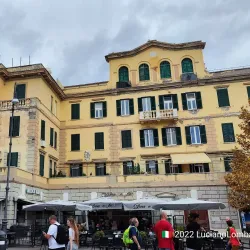
Ostia Beach is a popular seaside destination offering sandy shores and clear waters along the Tyrrhenian Sea. It is a favorite spot for both locals and tourists to relax, swim, and enjoy water sports.
The beach area is lined with cafes, restaurants, and beach clubs, making it an ideal place to experience the Italian coastal lifestyle.
Porto di Roma
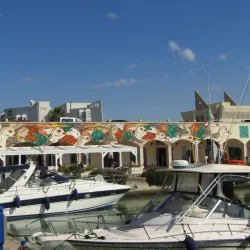
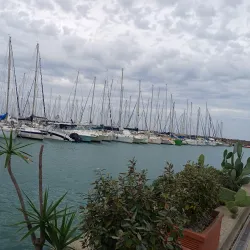
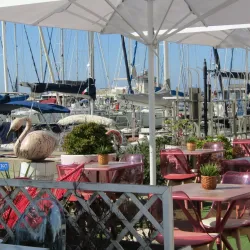
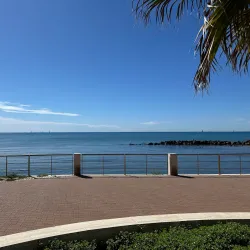
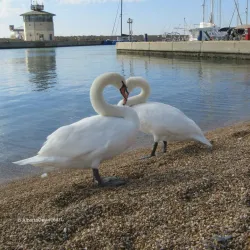
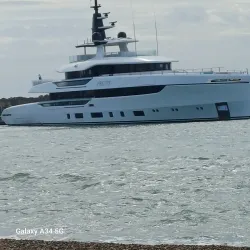
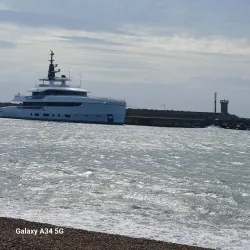
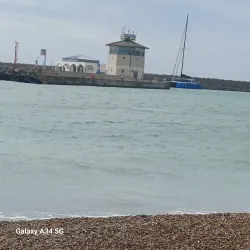
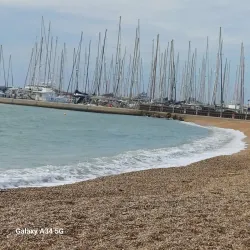
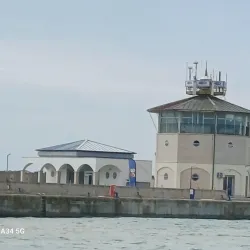
Porto di Roma is a modern marina and shopping complex near Ostia, featuring a variety of shops, restaurants, and entertainment options. It is a lively hub for visitors looking to combine leisure, dining, and shopping by the sea.
The marina also offers boat tours and a scenic promenade, perfect for a leisurely stroll with views of the harbor and yachts.
Parco Archeologico di Ostia Antica
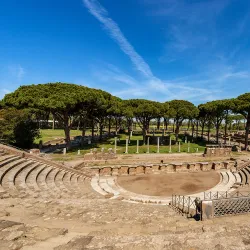
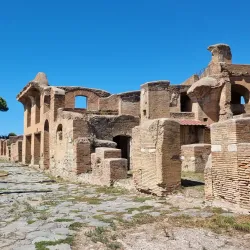
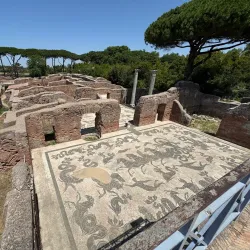
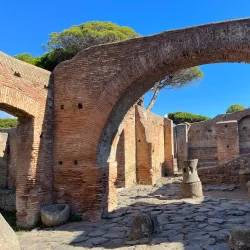
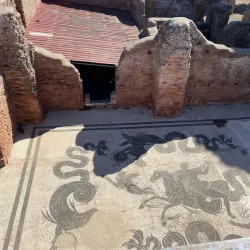
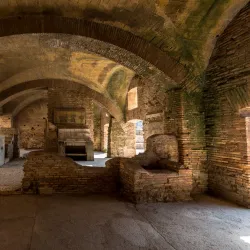
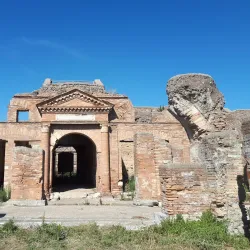
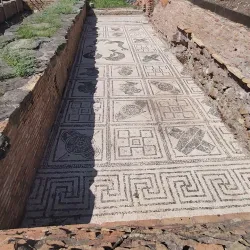
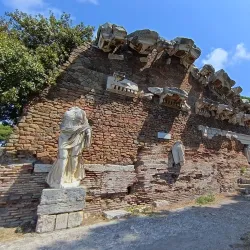
This archaeological park encompasses the extensive ruins of Ostia Antica, providing a protected area where visitors can explore the ancient city's remains in a natural setting.
The park includes walking paths, informative signage, and shaded areas, making it a pleasant and educational outdoor experience.
Museo Ostiense
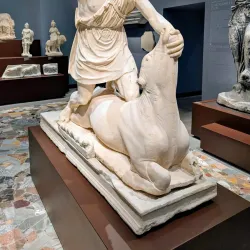
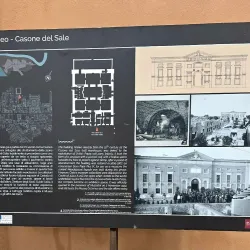
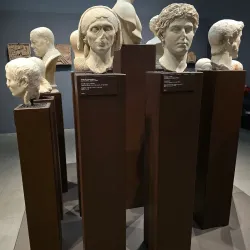
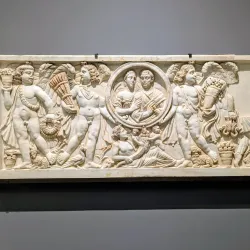
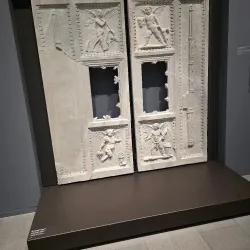
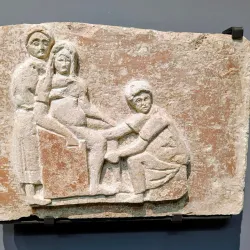
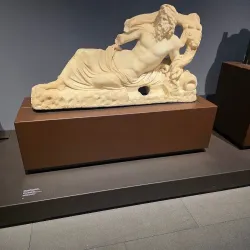
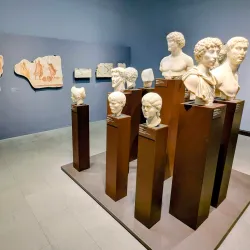
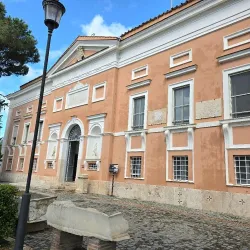
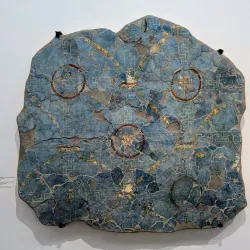
The Museo Ostiense is a local museum dedicated to the history and archaeology of Ostia and its surroundings. It houses artifacts recovered from the ancient city and offers exhibitions that explain the significance of Ostia in Roman history.
The museum is a great starting point for visitors who want to deepen their understanding of the archaeological site before exploring it.
Tiber River Mouth
The mouth of the Tiber River near Ostia is a scenic natural area where the river meets the Tyrrhenian Sea. It is a peaceful spot for birdwatching, walking, and enjoying the coastal landscape.
The area is also historically significant as the river was crucial for trade and transport in ancient Rome.
Castello di Giulio II
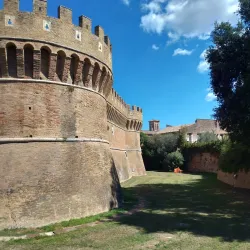
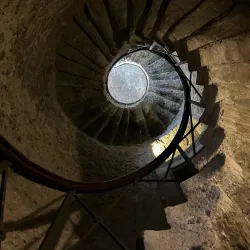
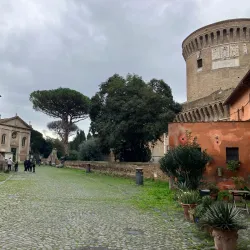
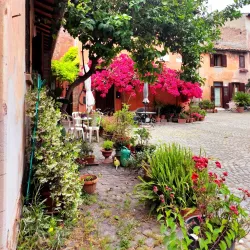
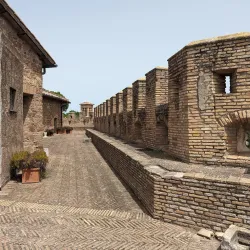
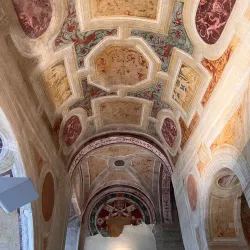
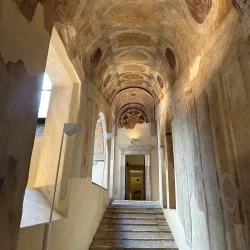
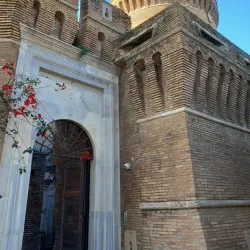
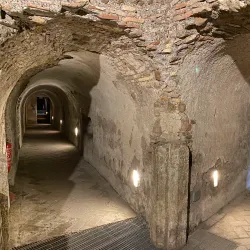
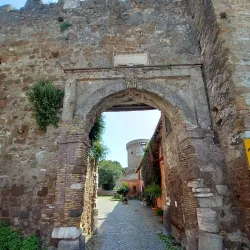
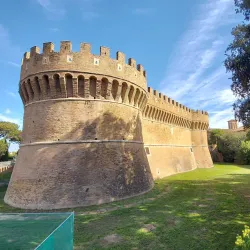
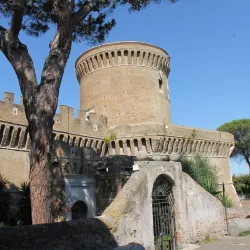
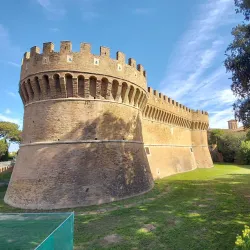
The Castello di Giulio II is a historic fortress located in Ostia, built in the 15th century by Pope Julius II. It served as a defensive structure and now stands as a monument reflecting the town's medieval and Renaissance history.
Visitors can admire the castle's architecture and learn about its role in protecting the region from invasions.
Lungomare Duilio

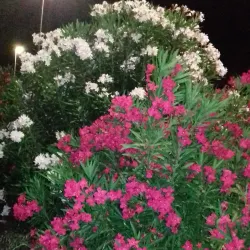
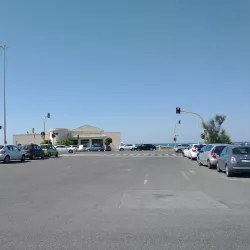
Lungomare Duilio is the main seaside promenade in Ostia, offering beautiful views of the sea, beach access, and a variety of cafes and restaurants.
It is a popular place for evening strolls and enjoying the vibrant atmosphere of the coastal town.
Ostia Antica Theater
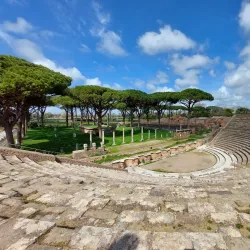
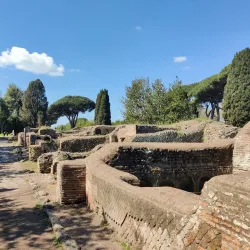
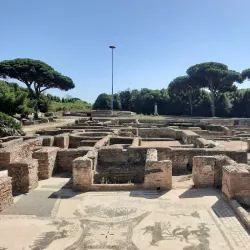
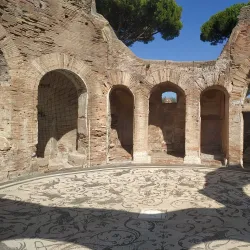
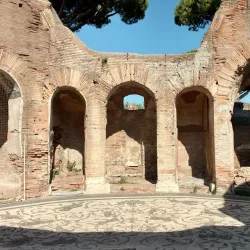
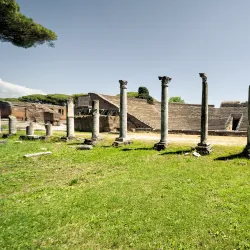
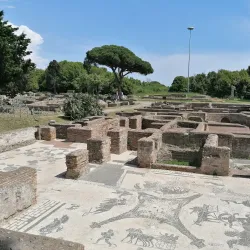
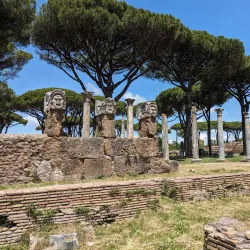
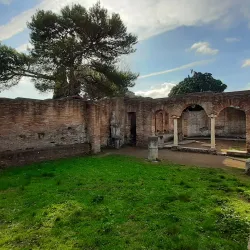
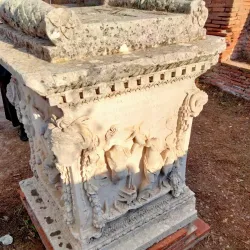
The ancient theater in Ostia Antica is a well-preserved structure that once hosted performances and public events. It is an impressive example of Roman architecture and engineering.
The theater is part of the larger archaeological site and provides insight into the cultural life of the ancient city.
Piazza Anco Marzio
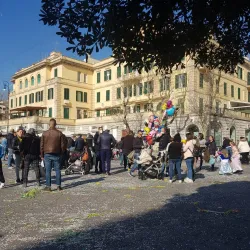
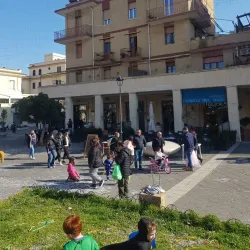
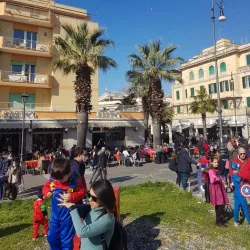
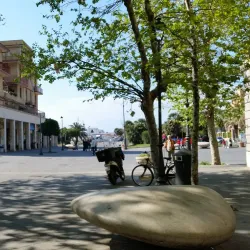
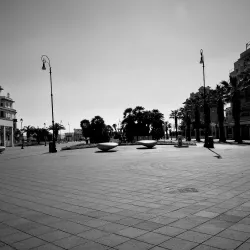
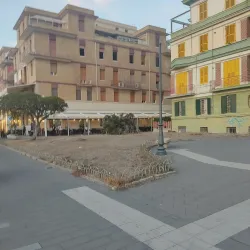
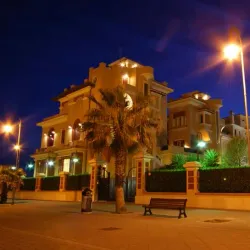
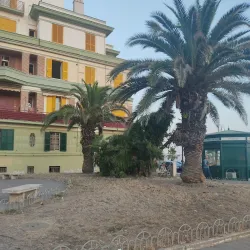
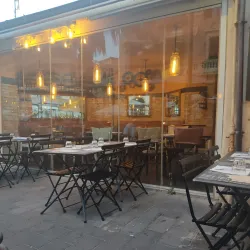
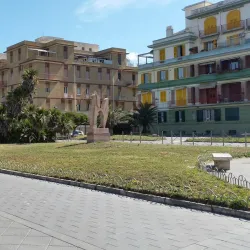
Piazza Anco Marzio is a central square in modern Ostia, known for its lively atmosphere, local shops, and cafes. It is a great place to experience the everyday life of the town and enjoy Italian cuisine.
The square often hosts events and markets, making it a vibrant social hub for residents and visitors alike.