Things to do in Pavia
Pavia is a charming city in the Lombardy region of northern Italy, known for its rich history, medieval architecture, and vibrant university life. The city offers a blend of cultural heritage and modern amenities, making it a fascinating destination for visitors interested in history, art, and Italian culture.Pavia's historic center is compact and walkable, featuring cobblestone streets, ancient churches, and beautiful piazzas. The city is also famous for its prestigious University of Pavia, one of the oldest universities in the world, which adds a youthful and intellectual atmosphere to the city.Certosa di Pavia
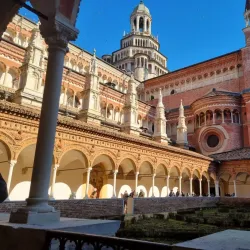
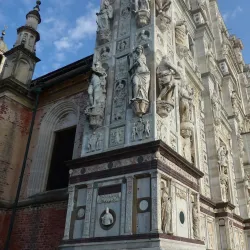
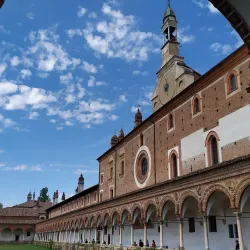
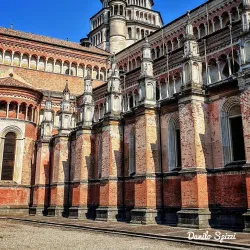
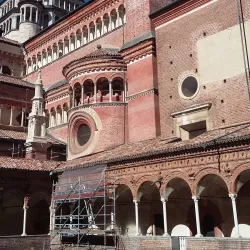
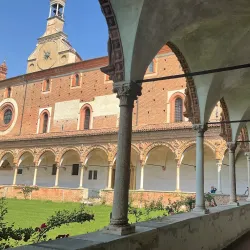
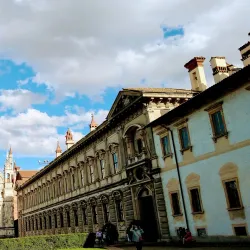
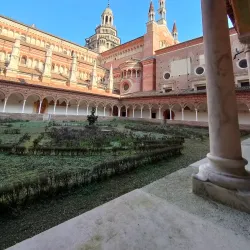
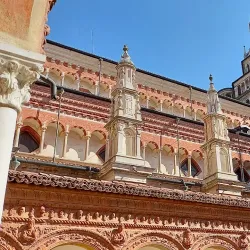
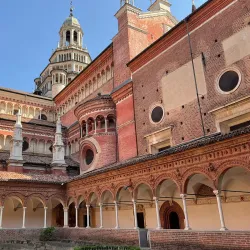
The Certosa di Pavia is a stunning monastery complex located just outside the city. It is renowned for its intricate Renaissance architecture and detailed sculptures. The monastery was founded in the 14th century and serves as a significant religious and artistic site.
Visitors can admire the richly decorated church, cloisters, and the museum housing important artworks. The Certosa is a must-see for those interested in history, art, and architecture.
Pavia Cathedral (Duomo di Pavia)
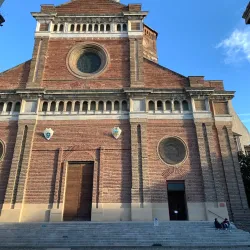
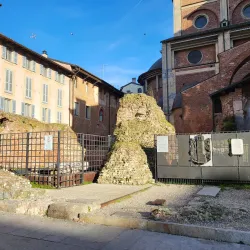
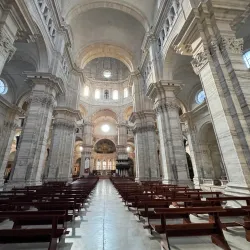
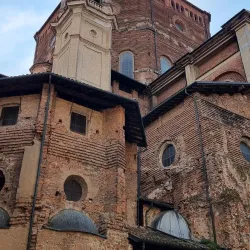
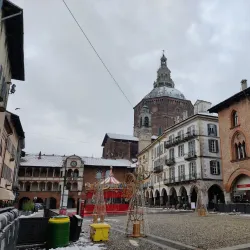

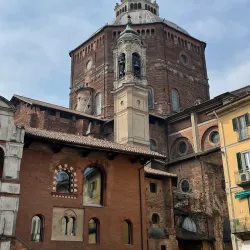
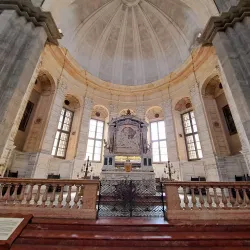

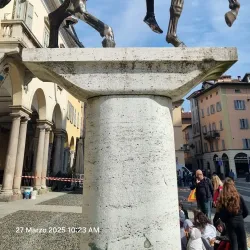
The Pavia Cathedral is a magnificent example of Renaissance architecture with a striking dome and an impressive interior. Construction began in the 15th century and continued for several centuries, resulting in a blend of styles.
Inside, visitors can find beautiful frescoes, sculptures, and religious artifacts. The cathedral is a central landmark in Pavia and a symbol of the city's religious heritage.
University of Pavia
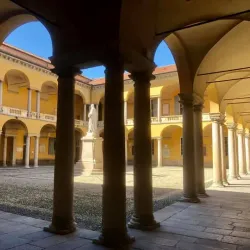
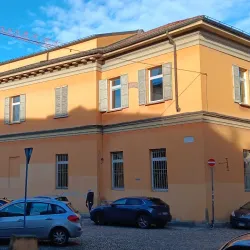
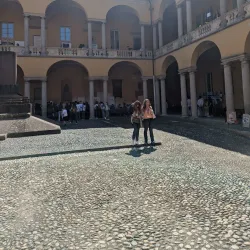
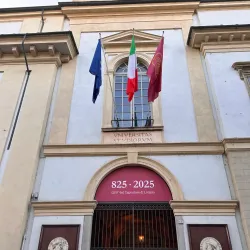
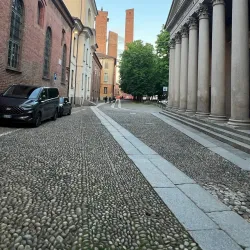
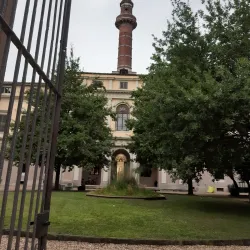
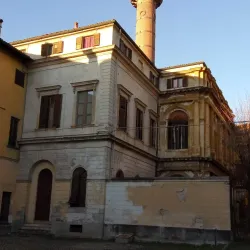
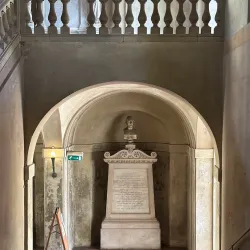
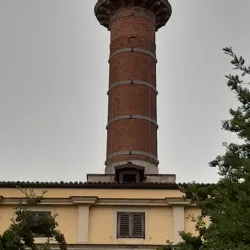
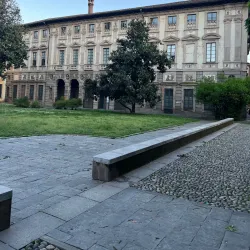
Founded in 1361, the University of Pavia is one of the oldest universities in Europe and has a rich academic tradition. The university buildings are scattered throughout the city, with some historic structures open to visitors.
The university contributes to the vibrant cultural life of Pavia and offers museums such as the Museum of Natural History and the University History Museum, which showcase scientific and historical collections.
Ponte Coperto (Covered Bridge)
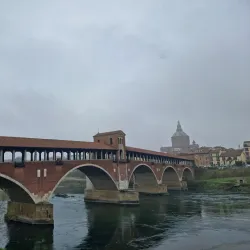
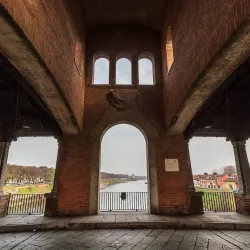
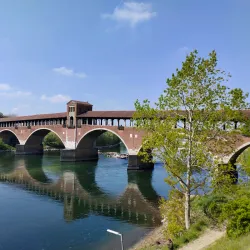
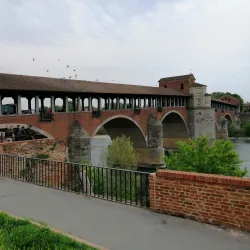
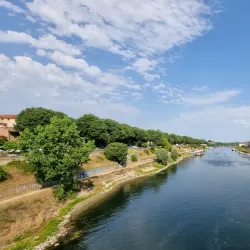
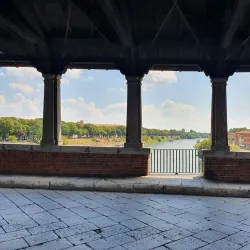
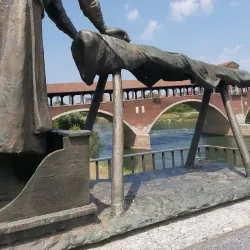
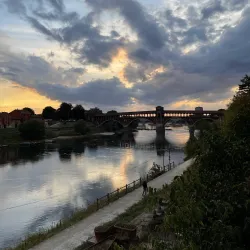
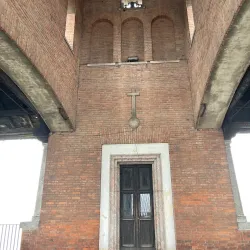
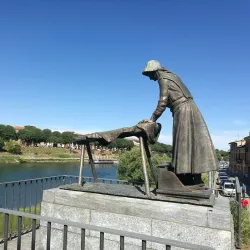
The Ponte Coperto is a picturesque covered bridge spanning the Ticino River. It is a reconstruction of a medieval bridge destroyed during World War II and is a popular spot for scenic walks and photography.
The bridge connects the historic center with the Borgo Ticino district and offers beautiful views of the river and city skyline.
Basilica of San Michele Maggiore
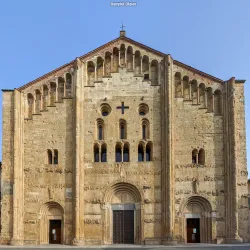
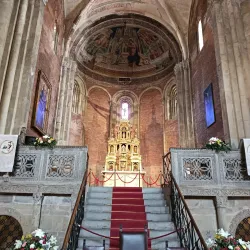
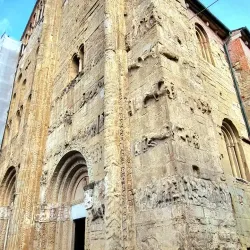
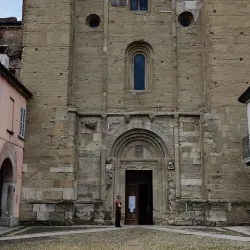
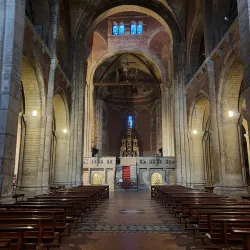
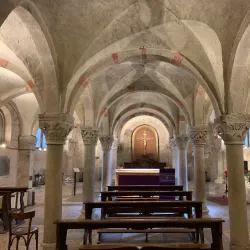
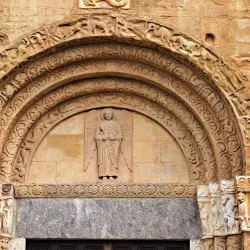
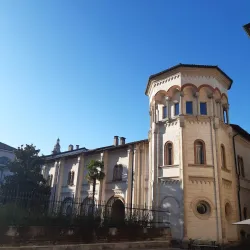
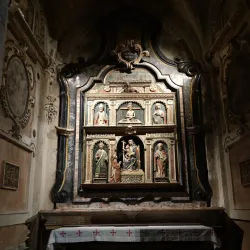
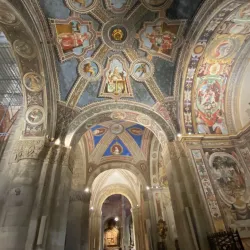
This Romanesque church is one of the most important religious buildings in Pavia, known for its architectural beauty and historical significance. It dates back to the 11th century and features intricate stone carvings and a stunning façade.
The basilica was the coronation site for several Lombard kings and remains a key monument reflecting Pavia's medieval past.
Museo Civico - Castello Visconteo
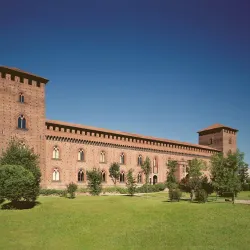
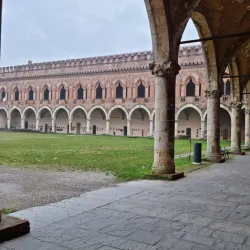
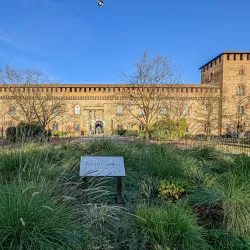
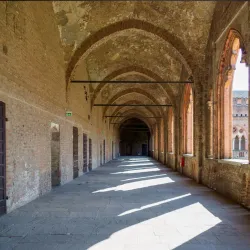
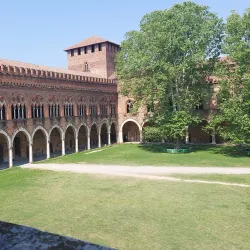
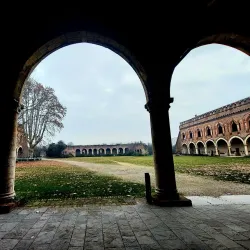
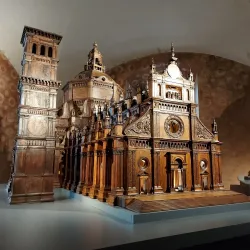
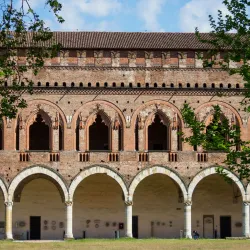
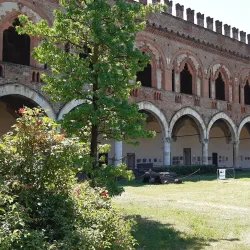
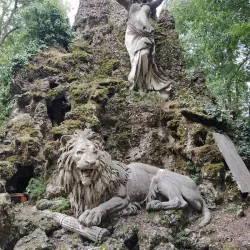
The Civic Museum housed in the Visconti Castle offers a rich collection of art, archaeology, and historical artifacts related to Pavia and the surrounding region. The castle itself is a notable medieval fortress built in the 14th century.
Visitors can explore exhibits ranging from ancient Roman relics to Renaissance paintings, providing insight into the city's cultural heritage.
Church of San Pietro in Ciel d'Oro
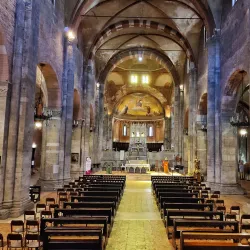
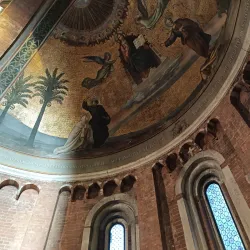
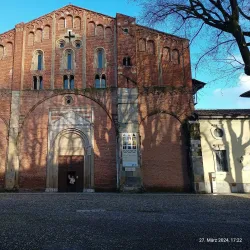
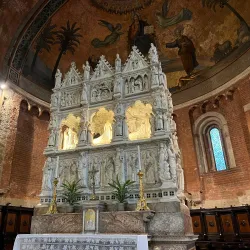
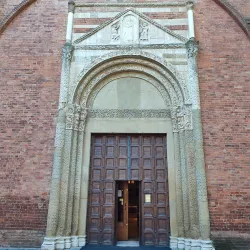
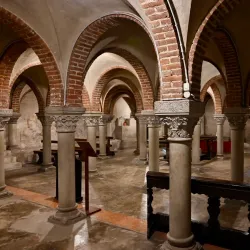
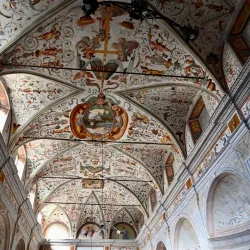
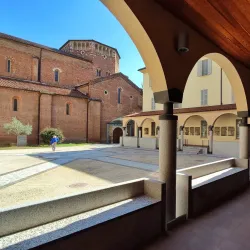
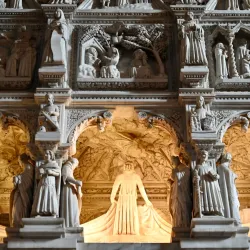
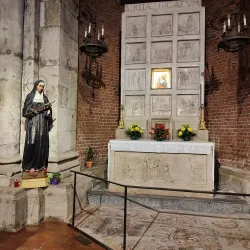
This church is famous for its Romanesque architecture and as the burial place of the renowned scholar Saint Augustine and the mathematician Fibonacci. It holds significant religious and historical value.
The interior features beautiful mosaics and frescoes, making it a fascinating site for art and history enthusiasts.
Pavia Botanical Garden (Orto Botanico di Pavia)
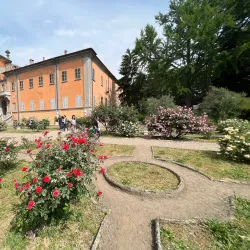
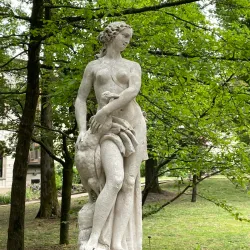
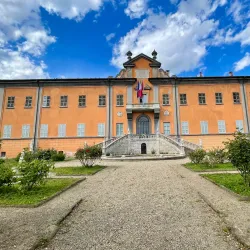
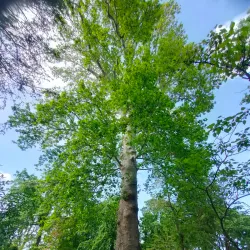
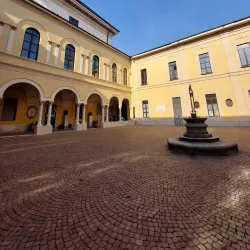
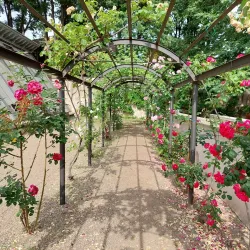
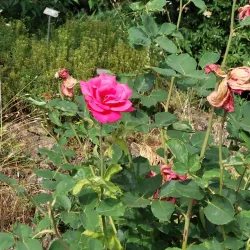
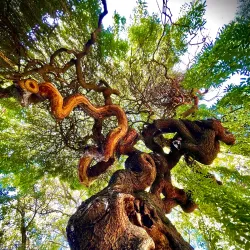
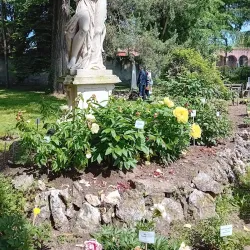
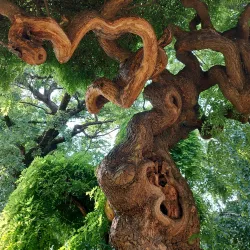
The Botanical Garden of Pavia is part of the University of Pavia and one of the oldest botanical gardens in Europe, established in the 18th century. It hosts a diverse collection of plants from around the world.
The garden is a peaceful retreat for nature lovers and offers educational opportunities about plant species and conservation.
Piazza della Vittoria
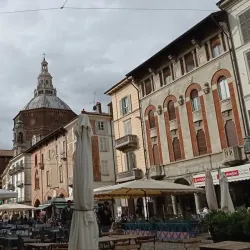
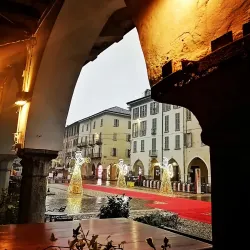
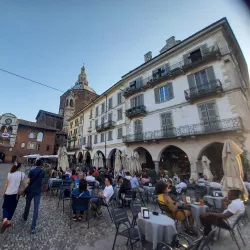
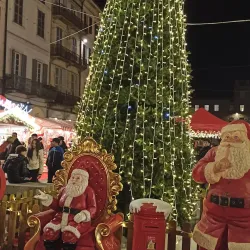
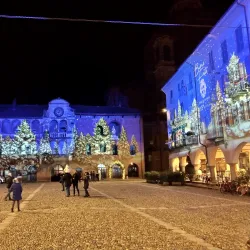

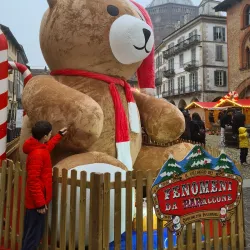
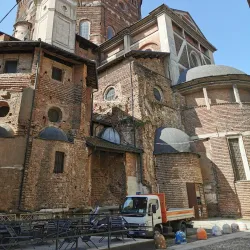
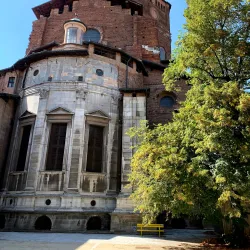
This lively square is the heart of Pavia's social life, surrounded by cafes, shops, and historic buildings. It is a great place to experience local culture and enjoy outdoor dining.
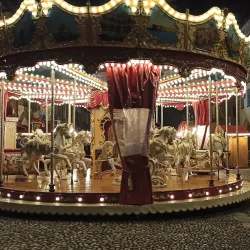
The square often hosts events, markets, and festivals, making it a vibrant spot for both locals and tourists.
Museo della Tecnica Elettrica
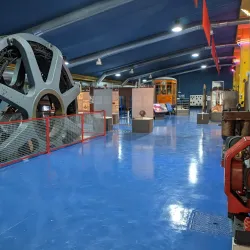


The Museum of Electrical Technology is dedicated to the history and development of electrical engineering. It is affiliated with the University of Pavia and features interactive exhibits and historical equipment.
This museum is ideal for visitors interested in science and technology, offering a unique perspective on the evolution of electrical innovations.