Things to do in Pisa
Pisa, a historic city in Tuscany, Italy, is world-renowned for its architectural marvels and rich cultural heritage. Situated along the Arno River, Pisa offers visitors a blend of medieval charm and vibrant urban life.The city is famous for its iconic Leaning Tower, but Pisa's appeal extends beyond this landmark to include beautiful churches, museums, and lively piazzas. The city's compact center makes it easy to explore on foot, with many attractions clustered close together.Leaning Tower of Pisa
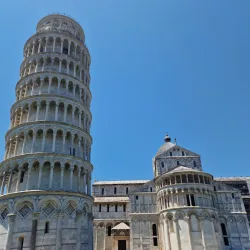
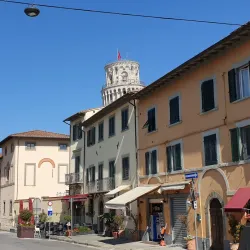
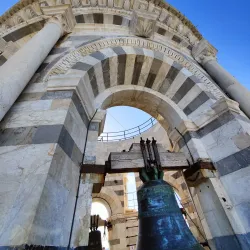
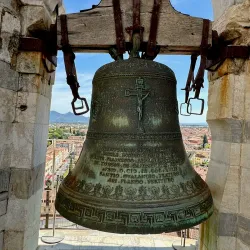
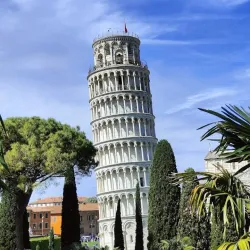
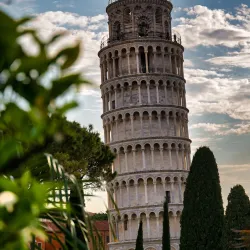
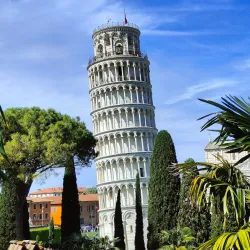
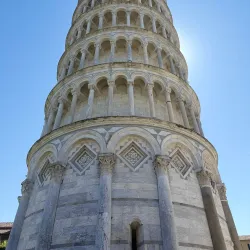
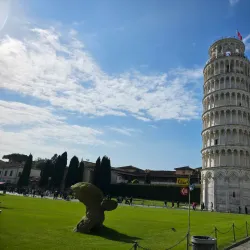
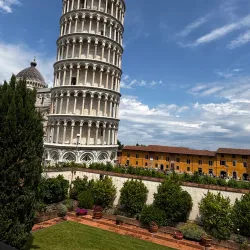
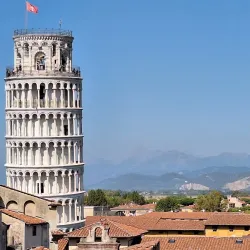
The Leaning Tower of Pisa is the city's most famous landmark, known worldwide for its unintended tilt. This freestanding bell tower of the cathedral is a remarkable example of Romanesque architecture and engineering.
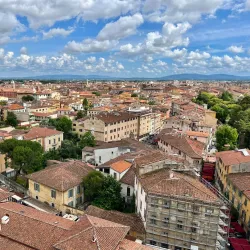
Visitors can climb the tower's spiral staircase to enjoy panoramic views of Pisa and the surrounding Tuscan countryside.
Pisa Cathedral (Duomo di Pisa)
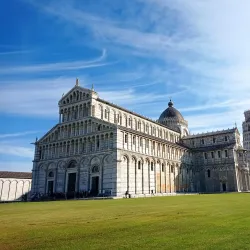

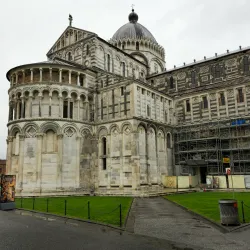
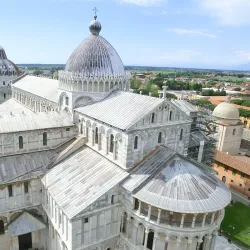
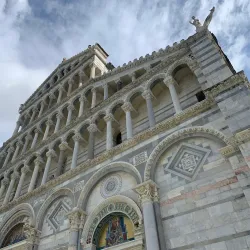
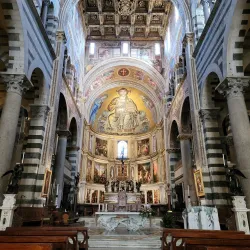
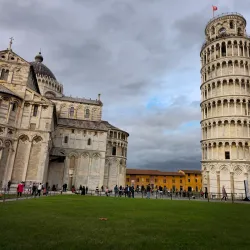
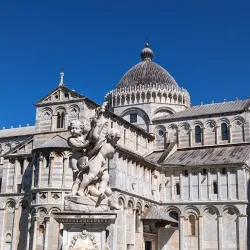
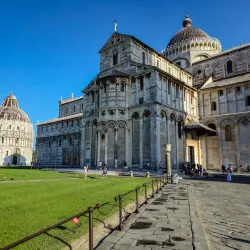
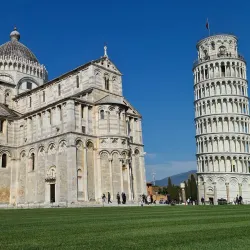
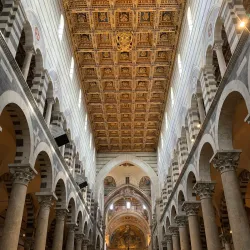
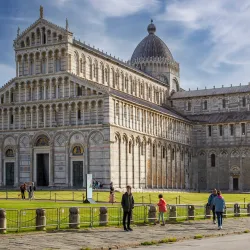
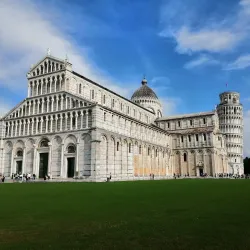
The Pisa Cathedral is a masterpiece of Romanesque architecture located in the Piazza dei Miracoli. It features intricate marble facades, beautiful mosaics, and a richly decorated interior.
The cathedral is an essential part of Pisa's religious and cultural history, attracting visitors interested in art and architecture.
Baptistery of St. John (Battistero di San Giovanni)
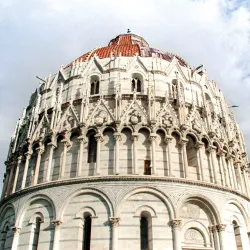
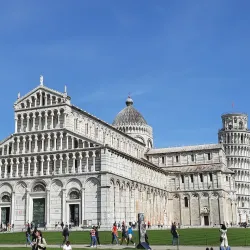
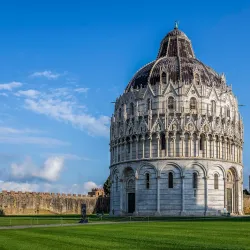

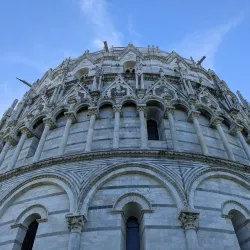
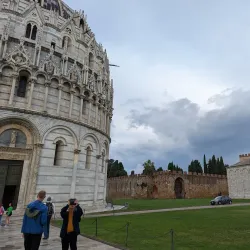

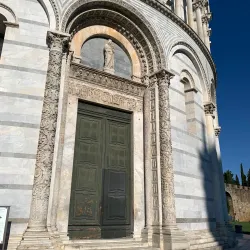

The Baptistery is the largest in Italy and is renowned for its acoustics and blend of Romanesque and Gothic architectural styles.
It stands near the cathedral and the Leaning Tower, forming a significant part of the Piazza dei Miracoli complex.
Camposanto Monumentale
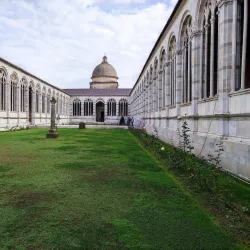
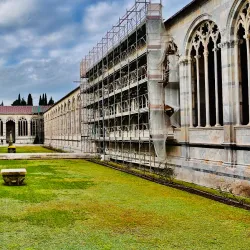
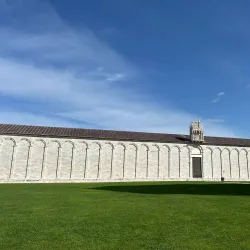
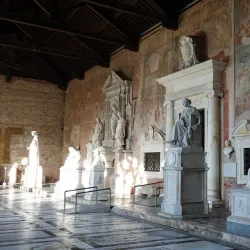
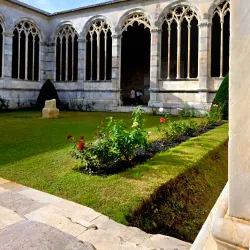
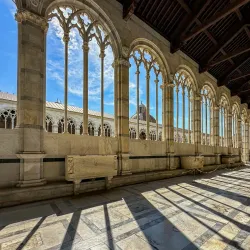
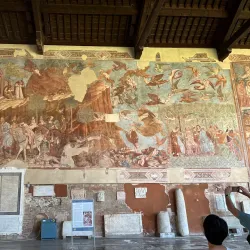
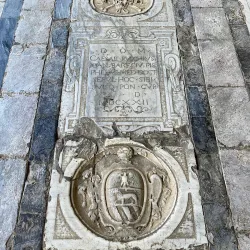
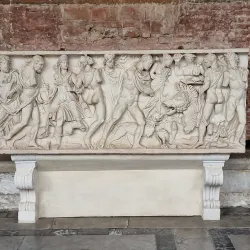
This monumental cemetery is located on the northern edge of the Piazza dei Miracoli. It is known for its beautiful frescoes and historical significance.
The Camposanto is said to be built around sacred soil brought back from Golgotha during the Crusades.
Piazza dei Miracoli
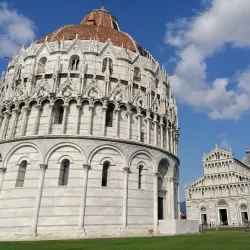
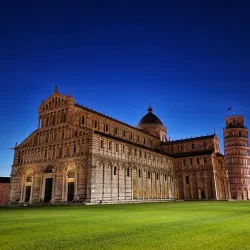
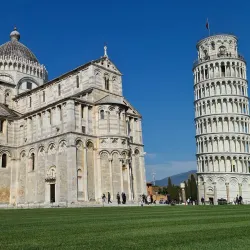
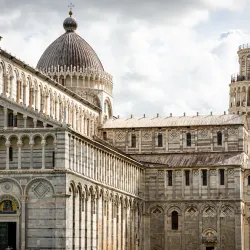
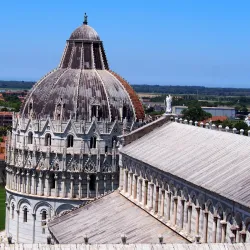
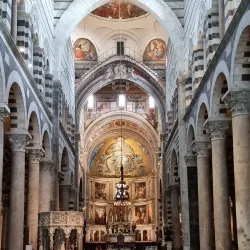
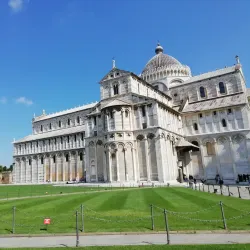
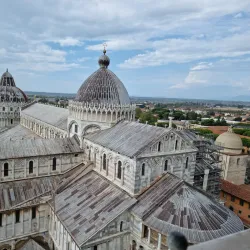
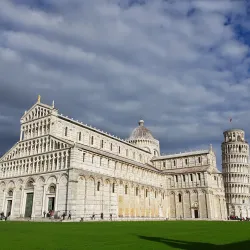
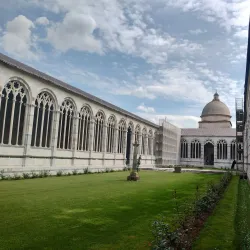
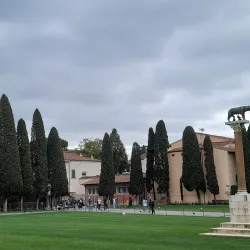
Also known as the Square of Miracles, this piazza is the heart of Pisa's historic center and home to the city's most famous monuments including the Leaning Tower, Cathedral, Baptistery, and Camposanto.
The piazza is a UNESCO World Heritage Site and a must-visit for anyone exploring Pisa.
Museo dell'Opera del Duomo
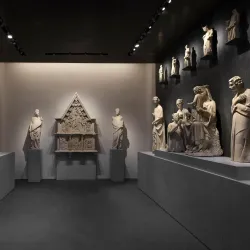
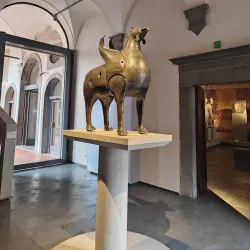
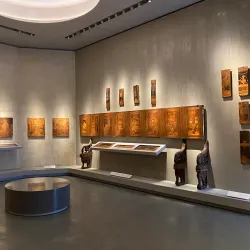
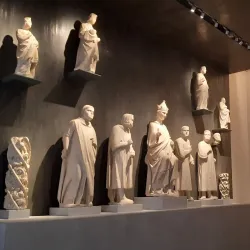
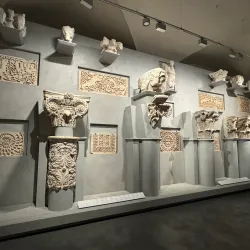
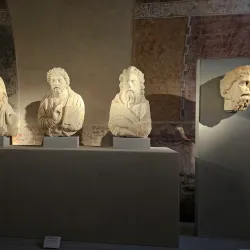
This museum houses a collection of artworks and sculptures originally from the cathedral complex, including pieces by renowned artists.
It offers insight into the artistic and religious history of Pisa and the development of its iconic monuments.
Palazzo della Carovana
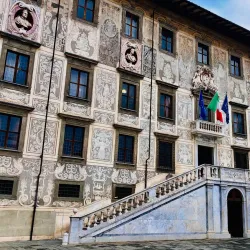
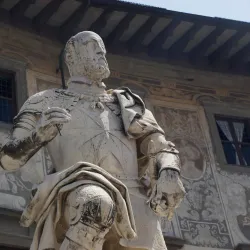
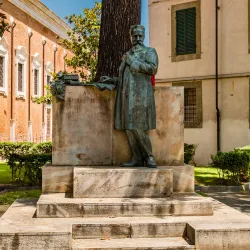
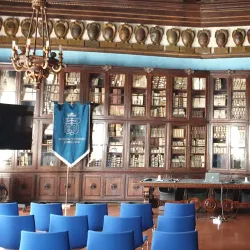
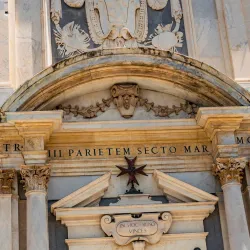
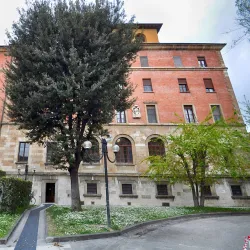
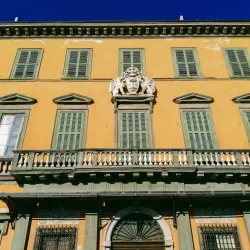
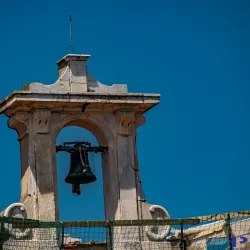
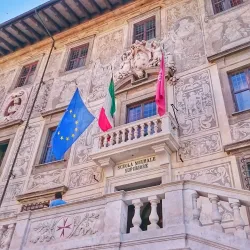
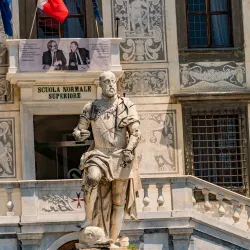
Located in the Knights' Square (Piazza dei Cavalieri), this historic palace is an example of Renaissance architecture and currently serves as the main building of the Scuola Normale Superiore di Pisa.
The palace features impressive frescoes and a grand facade designed by Giorgio Vasari.
Piazza dei Cavalieri
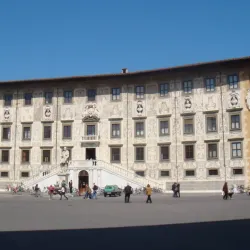
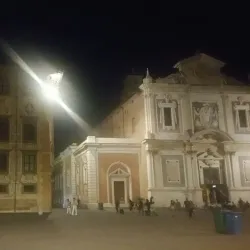
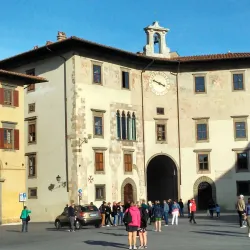
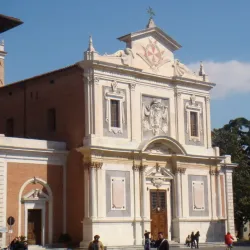
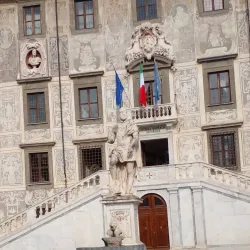
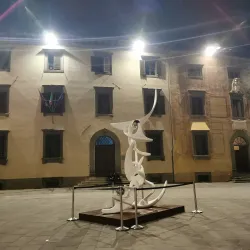
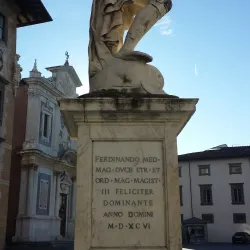
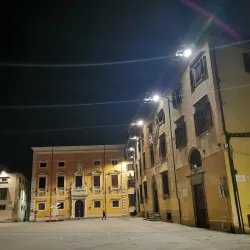
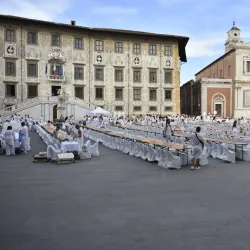

This historic square was once the political center of medieval Pisa and is surrounded by important buildings such as the Palazzo della Carovana.
Today, it is a lively area with cafes and a popular spot for visitors to appreciate Pisa's Renaissance architecture.
Santa Maria della Spina
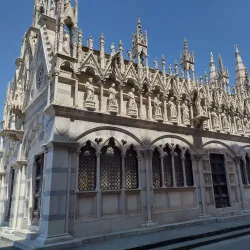
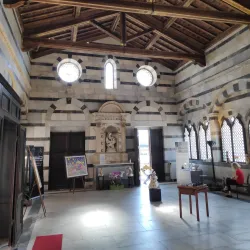
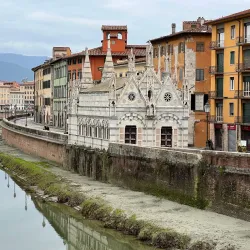
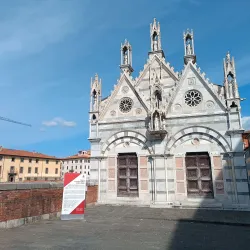
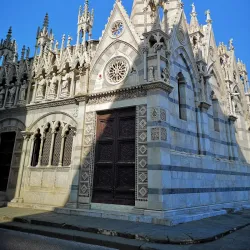
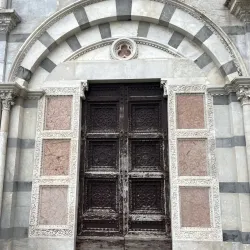
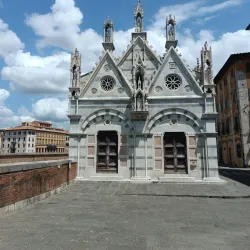
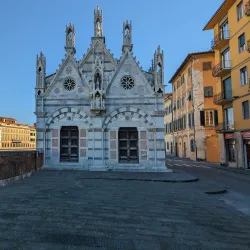
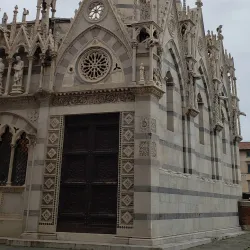
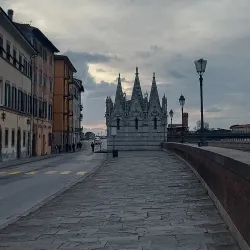
A small Gothic church located on the banks of the Arno River, known for its intricate design and detailed sculptures.
Despite its size, the church is a significant example of Gothic architecture in Pisa and offers a picturesque view along the river.
Botanical Garden of Pisa (Orto Botanico di Pisa)
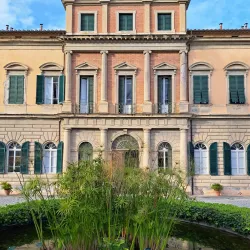
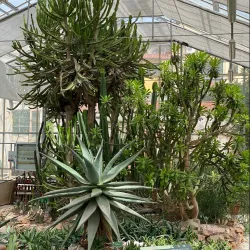
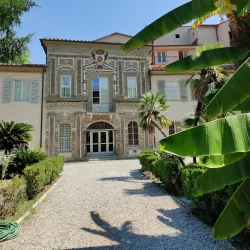
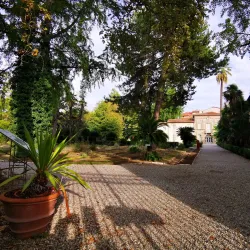
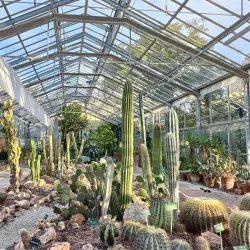
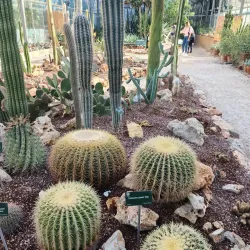
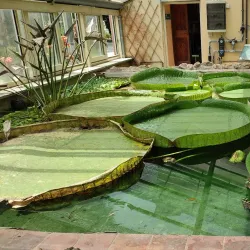
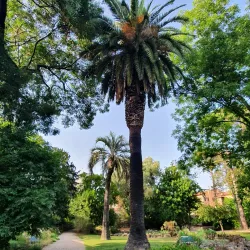
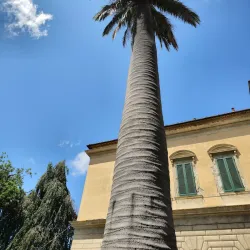
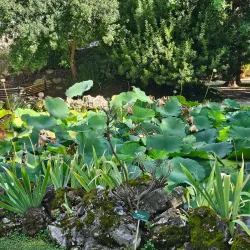
Established in the 16th century, this botanical garden is one of the oldest in Europe and features a wide variety of plant species.
It provides a peaceful retreat from the city and an educational experience for visitors interested in botany and nature.