Things to do in Pompeii
Pompeii is an ancient city located near Naples in Italy, famously preserved by the eruption of Mount Vesuvius in 79 AD. It offers a unique glimpse into Roman life frozen in time, with extensive ruins that reveal homes, streets, temples, and public spaces.Visitors to Pompeii can explore a vast archaeological site that showcases the daily life, art, and architecture of a Roman city. The site is one of the most significant and well-preserved ancient ruins in the world, attracting history enthusiasts, archaeologists, and tourists alike.Archaeological Site of Pompeii
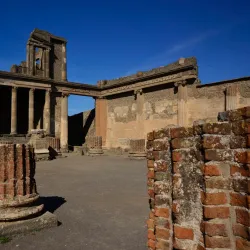
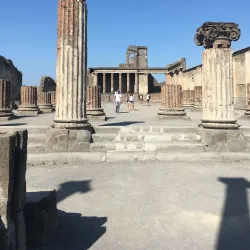


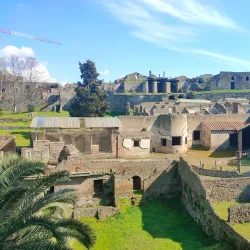
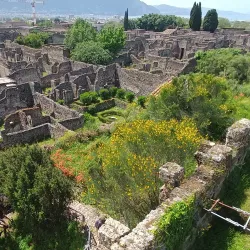
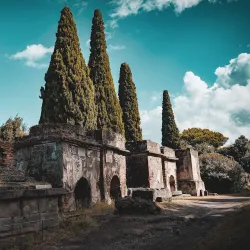
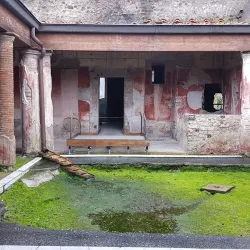
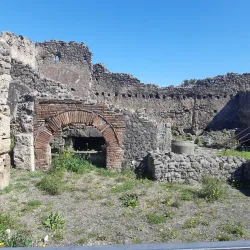
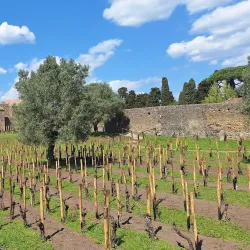
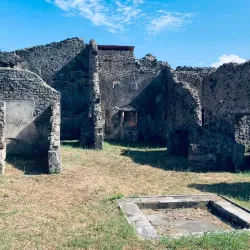
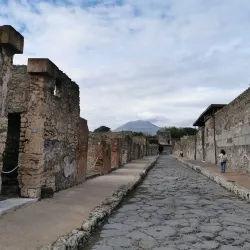
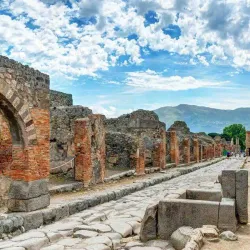
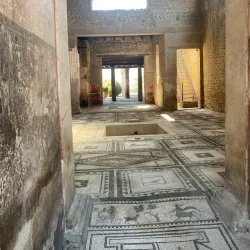
The primary attraction is the extensive archaeological site itself, where visitors can walk through the remains of the ancient city. The site includes well-preserved streets, houses, shops, baths, theaters, and temples.
Highlights include the Forum, the Amphitheater, the House of the Faun, and the Villa of the Mysteries, each offering a unique perspective on Roman urban life and culture.
House of the Faun


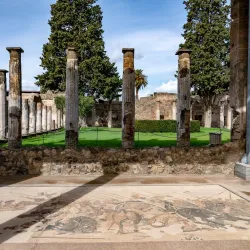


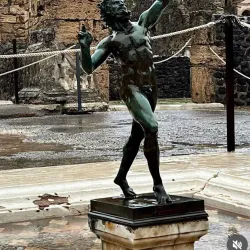

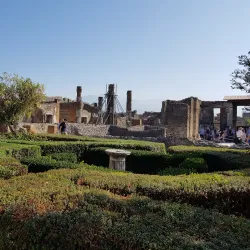
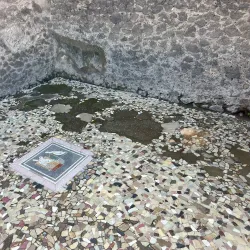

One of the largest and most impressive residences in Pompeii, known for its elaborate mosaics and architecture.
The house features the famous mosaic of Alexander the Great and provides insight into the wealth and lifestyle of Pompeii’s elite.
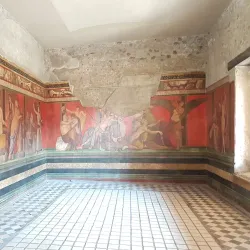
Villa of the Mysteries

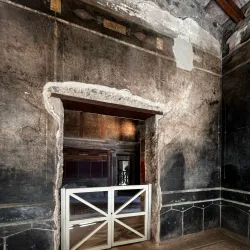


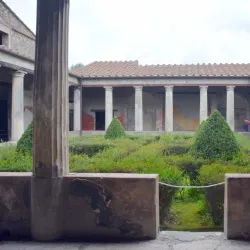

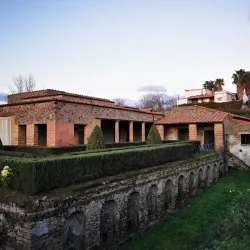
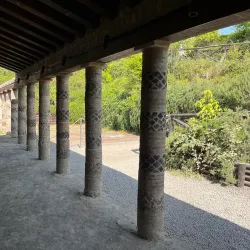

A well-preserved suburban villa famous for its vivid frescoes depicting the initiation rites of the Dionysian Mysteries.
The artwork and architecture offer a rare glimpse into ancient religious practices and domestic life.
Pompeii Amphitheater
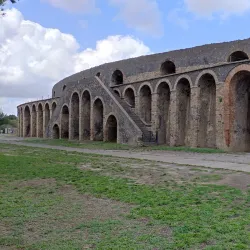
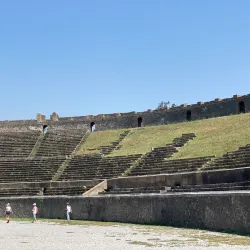
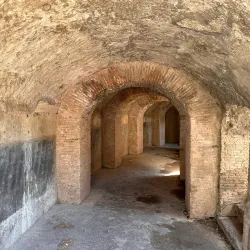
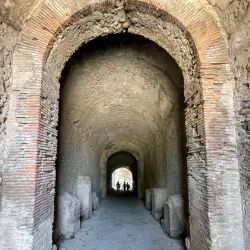
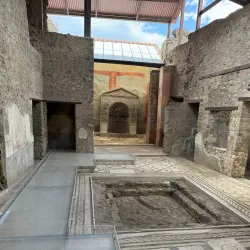
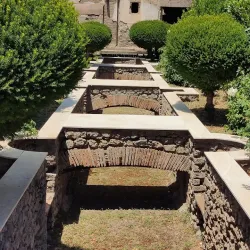
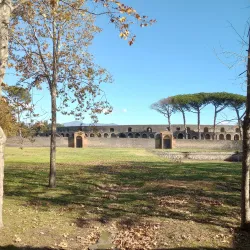
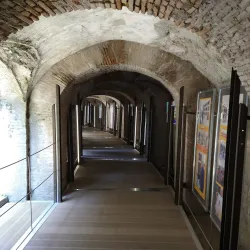
One of the oldest surviving Roman amphitheaters, capable of seating around 20,000 spectators.
It hosted gladiatorial games and other public spectacles, providing a glimpse into Roman entertainment culture.
Forum of Pompeii
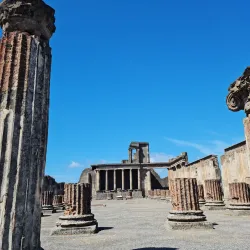
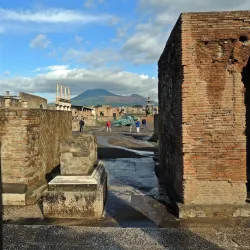
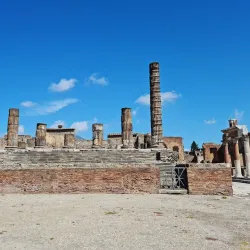
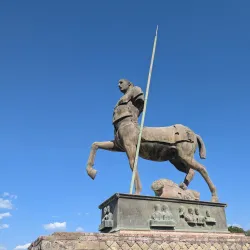
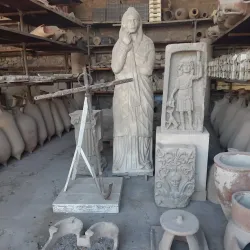
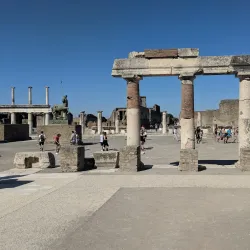
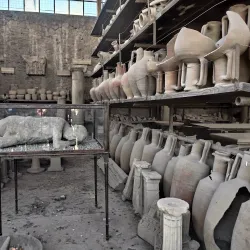
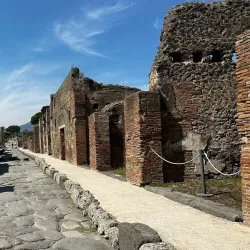
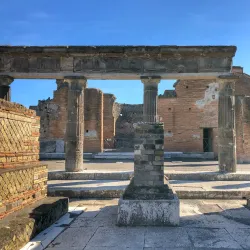
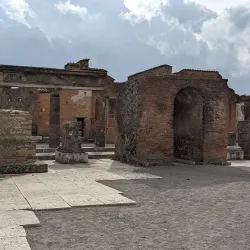
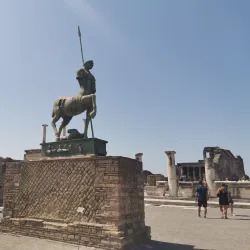
The central public square of Pompeii, surrounded by important government, religious, and commercial buildings.
The Forum was the heart of political and social life in the city, featuring temples, basilicas, and marketplaces.
Temple of Apollo
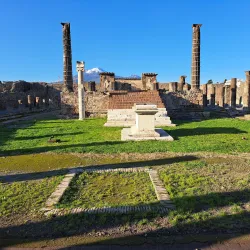
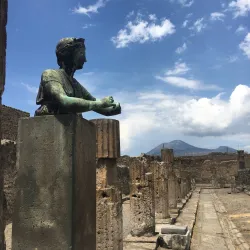


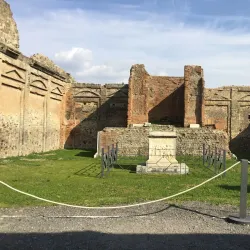
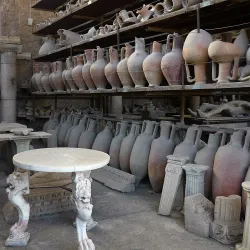
One of the oldest and most important religious sites in Pompeii, dedicated to the god Apollo.
The temple’s ruins include columns and altars, reflecting the spiritual life of the city’s inhabitants.
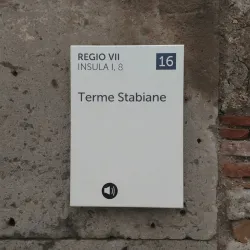
Stabian Baths
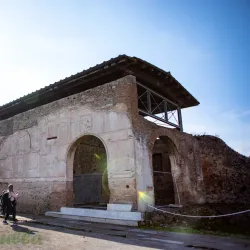

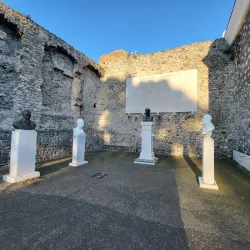
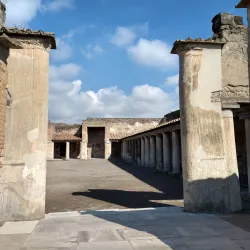
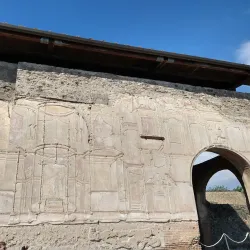
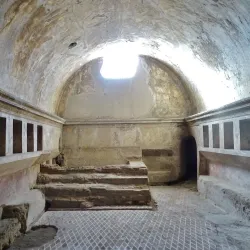
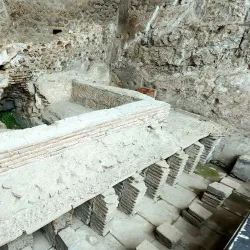

An ancient Roman bath complex that showcases the social and hygienic practices of Pompeii’s residents.
The baths include hot and cold rooms, changing areas, and exercise spaces, illustrating daily life and leisure activities.
House of the Vettii
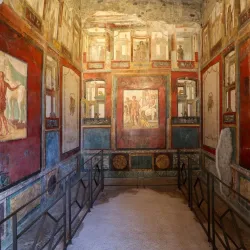
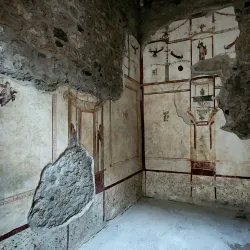
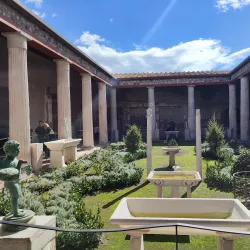
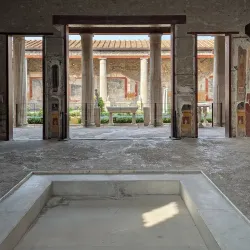
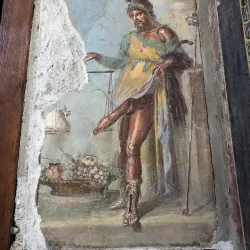
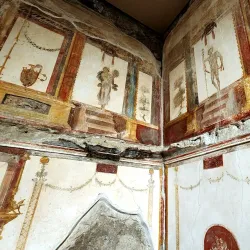
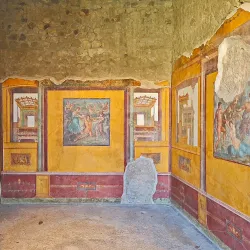
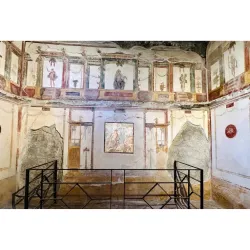
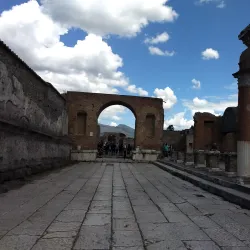
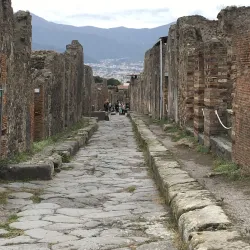
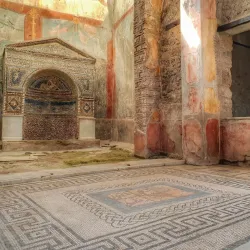
A richly decorated house known for its well-preserved frescoes and intricate interior design.
The house belonged to wealthy freedmen and offers insights into Pompeii’s social hierarchy and artistic tastes.
Garden of the Fugitives
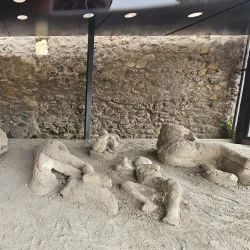
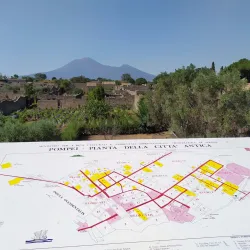
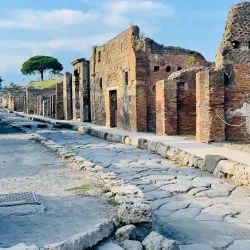
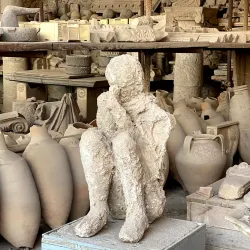
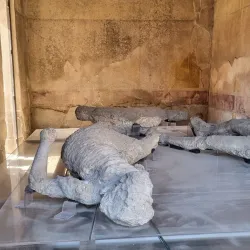
An area where plaster casts of victims of the eruption are displayed, capturing their final moments.
This poignant site provides a human connection to the tragedy that befell Pompeii.
Lupanar of Pompeii
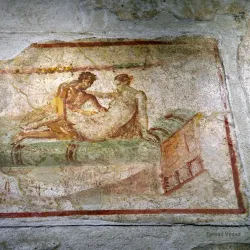
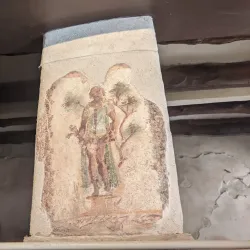
The ancient brothel of Pompeii, featuring erotic frescoes and graffiti that reveal aspects of Roman sexuality and social life.
It is one of the most famous and well-preserved examples of its kind in the ancient world.