Things to do in Quartu Sant'Elena
Quartu Sant'Elena is a charming coastal city located near Cagliari on the island of Sardinia, Italy. Known for its beautiful beaches, rich history, and vibrant local culture, it offers visitors a blend of natural beauty and cultural experiences.
The city is characterized by its Mediterranean atmosphere, with sandy shores, traditional Sardinian cuisine, and historical sites that reflect its long-standing heritage. Quartu Sant'Elena is a great destination for those looking to enjoy both relaxation by the sea and exploration of local traditions.


Poetto Beach
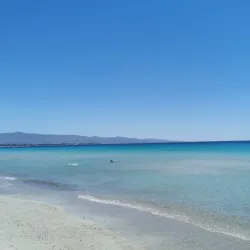
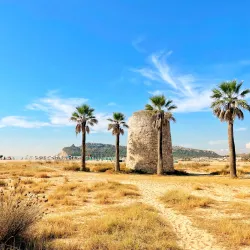
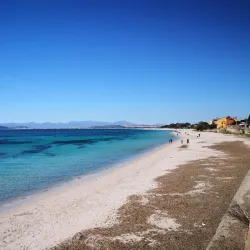


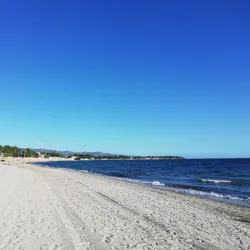
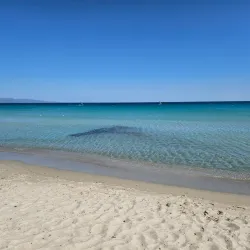
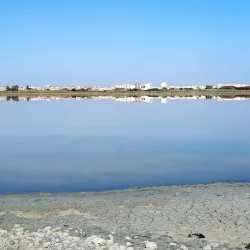
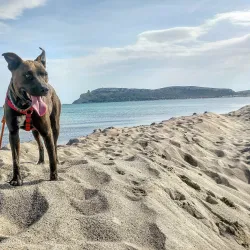
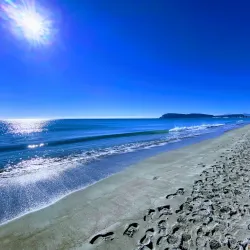
Poetto Beach is the main beach of Quartu Sant'Elena and one of the most famous beaches in the Cagliari area. It stretches for several kilometers and offers fine white sand and clear turquoise waters, making it ideal for swimming, sunbathing, and water sports.
The beach is lined with cafes, restaurants, and bars, providing a lively atmosphere especially during the summer months.
Chiesa di Sant'Elena Imperatrice
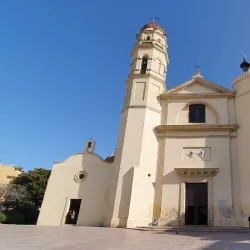

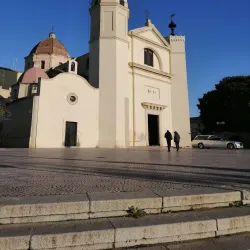
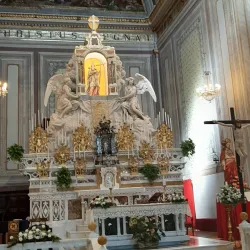
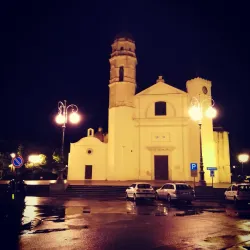
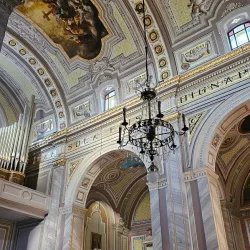
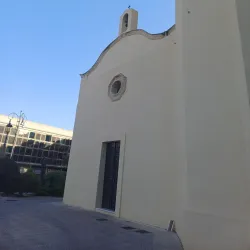
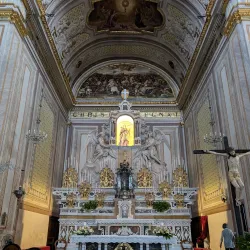
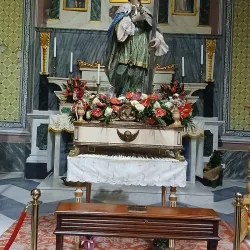
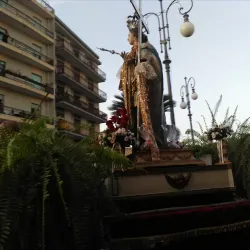
This historic church is dedicated to Saint Helena, the city's patron saint. It is an important religious and cultural site in Quartu Sant'Elena, known for its beautiful architecture and serene interior.
The church often hosts local religious festivals and events, reflecting the deep-rooted traditions of the community.
Parco Naturale Molentargius - Saline
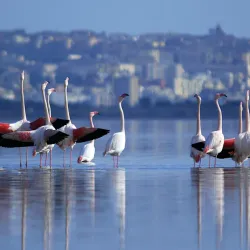
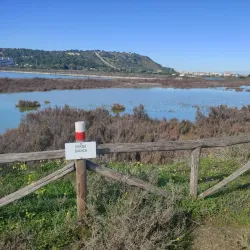

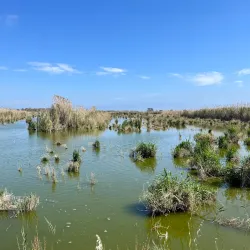
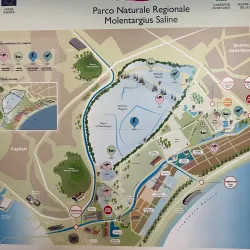

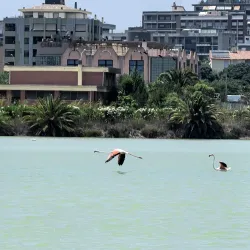

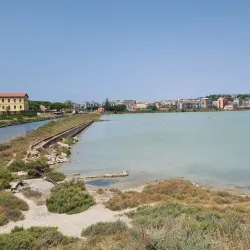
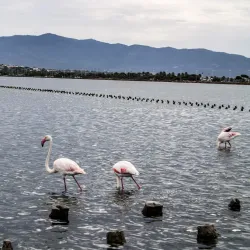
Located nearby, this natural park is famous for its salt pans and flamingo populations. It offers walking and cycling paths where visitors can enjoy birdwatching and the unique landscape of the salt flats.
The park is a protected area that highlights the ecological importance of the region and provides educational opportunities about local flora and fauna.
Museo del Carbone
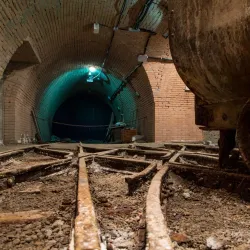
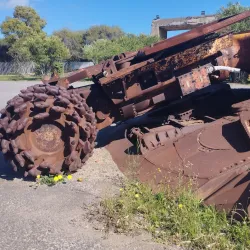
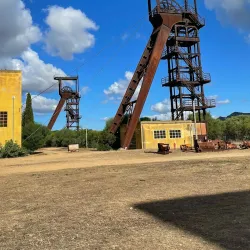
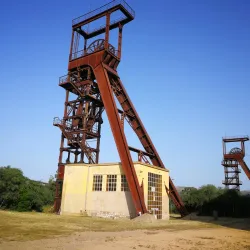
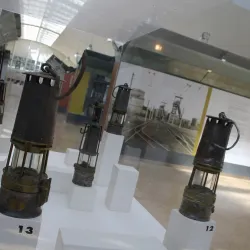

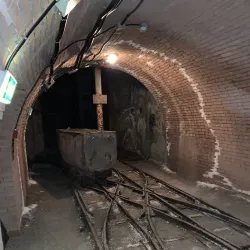

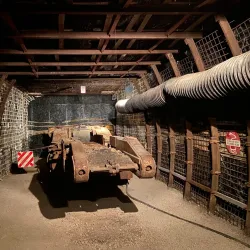
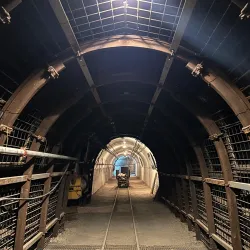
This museum is dedicated to the history of coal mining in the region and offers insights into the industrial heritage of Sardinia. It features exhibits on mining techniques, tools, and the lives of miners.
The Museo del Carbone provides a unique cultural experience, connecting visitors with an important aspect of the island's past.
Spiaggia di Mari Pintau
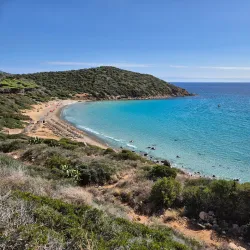
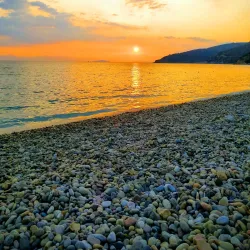
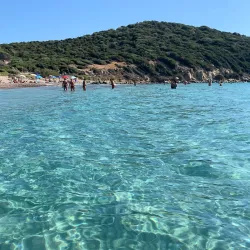
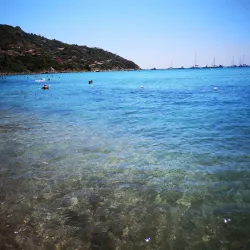
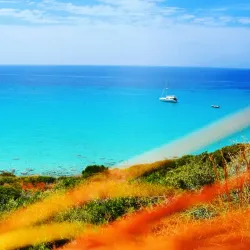
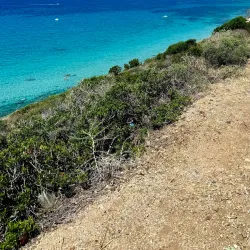
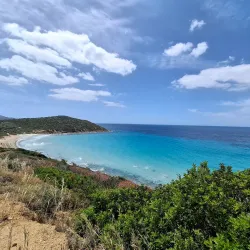
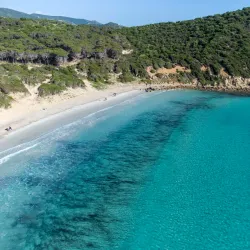
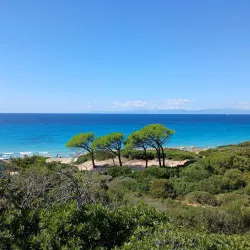
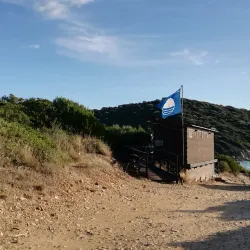
Mari Pintau is a picturesque beach known for its crystal-clear waters and rocky coastline. It is a favorite spot for snorkeling and diving due to its rich marine life.
The beach offers a more tranquil setting compared to Poetto, making it ideal for visitors seeking a peaceful natural environment.
Villa Muscas
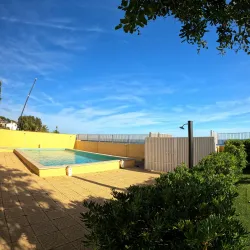
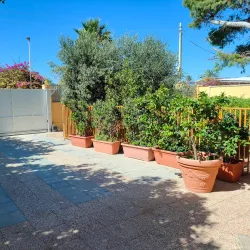
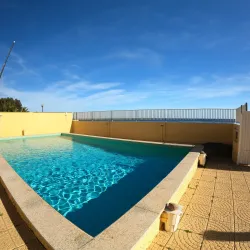
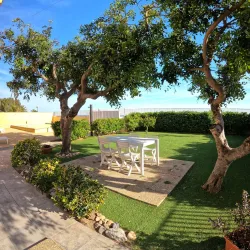
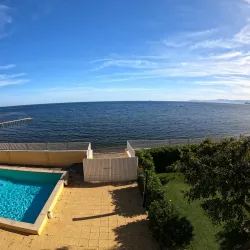
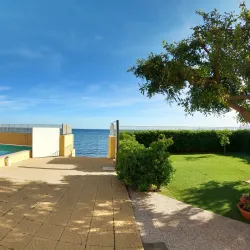

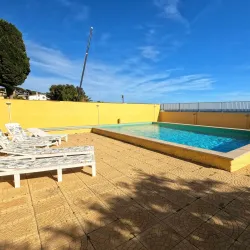
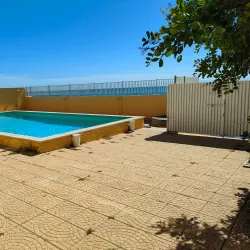

Villa Muscas is a historic villa and park area in Quartu Sant'Elena, offering green spaces for relaxation and cultural events. The villa itself is an example of local architecture and often hosts exhibitions and community gatherings.
The surrounding park is popular for leisurely walks and enjoying the Mediterranean flora.
Mercato Civico di Quartu Sant'Elena
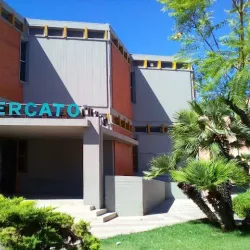
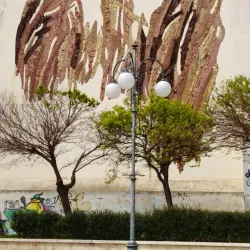
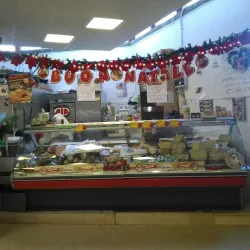
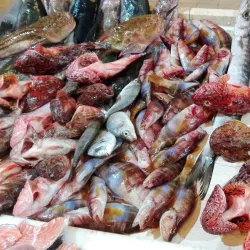
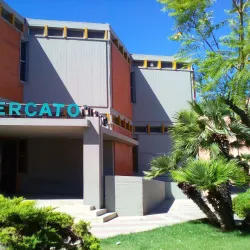
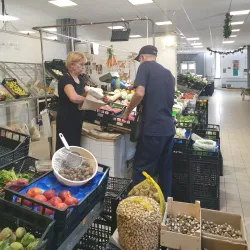
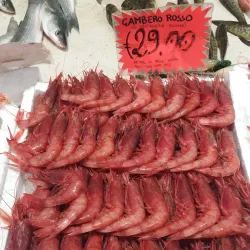
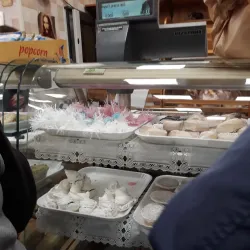
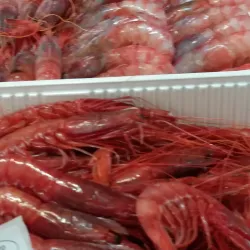
The Civic Market is a bustling place where locals sell fresh produce, seafood, and traditional Sardinian products. It is an excellent spot to experience the local lifestyle and taste authentic regional foods.
Visitors can explore a variety of stalls offering fruits, vegetables, cheeses, and handmade crafts.
Chiesa di San Giovanni Battista
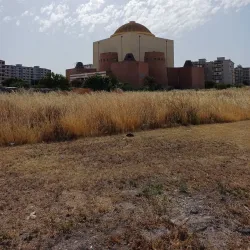
This church is another notable religious site in Quartu Sant'Elena, known for its historical significance and architectural style. It serves as a focal point for community worship and cultural events.
The church's interior features beautiful artworks and decorations that reflect Sardinian religious art traditions.
Lido di Quartu
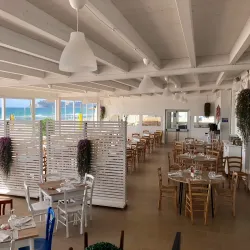
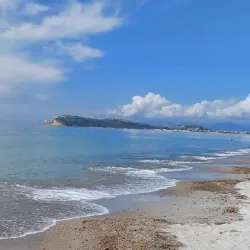
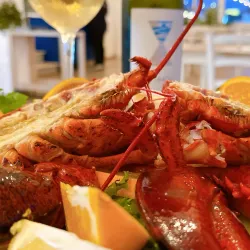
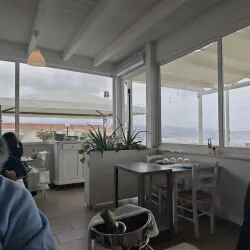
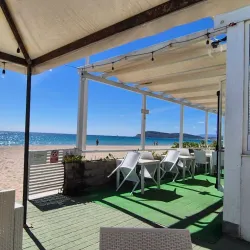
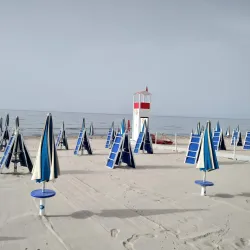
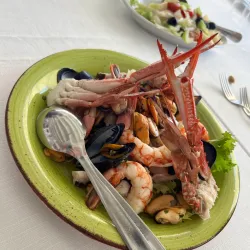
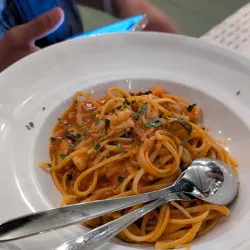
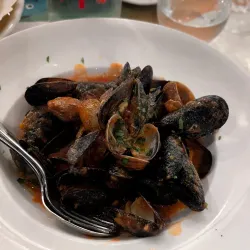
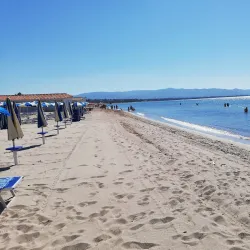
Lido di Quartu is a popular beach area with facilities for families and tourists, including beach clubs, restaurants, and water sports rentals. It is well-maintained and offers a friendly environment for visitors of all ages.
The beach is ideal for those looking to enjoy a full day by the sea with convenient amenities nearby.
Nuraghe Arrù
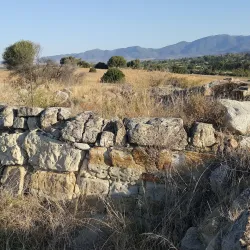
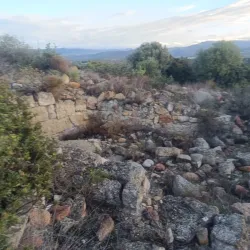
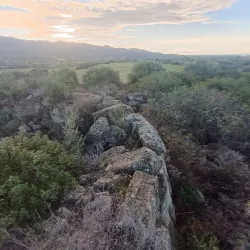
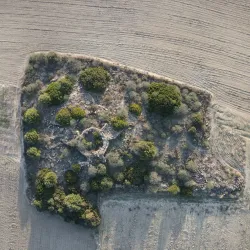
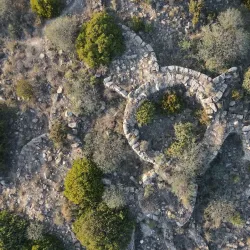
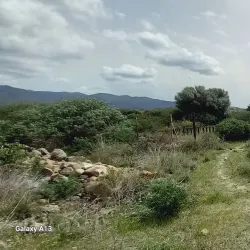
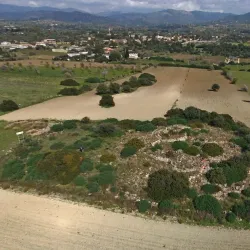
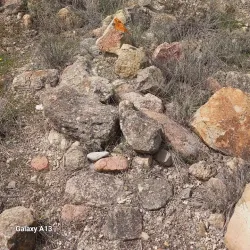
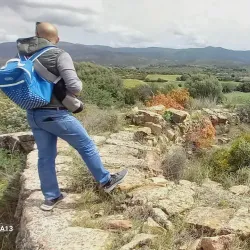
Nuraghe Arrù is an ancient megalithic structure typical of Sardinia's prehistoric Nuragic civilization. It provides insight into the island's ancient history and archaeological heritage.
Visitors interested in archaeology and history can explore the site and learn about the Nuragic culture that thrived on Sardinia thousands of years ago.