
Quality of life in Sestri Levante
Cost of Living, Healthcare, Safety, Education, and More
About Sestri Levante
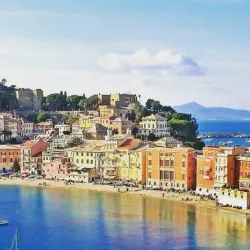
Sestri Levante, a picturesque town located on the Italian Riviera, is renowned for its stunning landscapes and charming coastal vibe. Nestled between the Ligurian Sea and the lush hills, it offers a unique blend of natural beauty and cultural richness. Known for its two beautiful bays, Baia del Silenzio and Baia delle Favole, Sestri Levante attracts visitors with its serene beaches and vibrant local life.The town is a hub for both relaxation and exploration, with a thriving local economy centered around tourism, fishing, and small-scale agriculture. Sestri Levante's cultural scene is enriched by its historical architecture, local festivals, and culinary delights, making it a must-visit destination for those seeking an authentic Italian experience.



History and Culture
Sestri Levante has a rich history that dates back to ancient times, with evidence of settlements from the Ligurian tribes. Over the centuries, it has been influenced by various cultures, including the Romans and the Byzantines, which have left their mark on the town's architecture and cultural heritage.
During the Middle Ages, Sestri Levante became an important maritime center, contributing to its development and prosperity. The town's strategic location made it a focal point for trade and commerce, which is reflected in its historic buildings and narrow, winding streets.
Culturally, Sestri Levante is known for its vibrant festivals and traditions. The Andersen Festival, named after the famous Danish author Hans Christian Andersen who visited the town, is a highlight, celebrating storytelling and the arts. The town's artistic heritage is also evident in its numerous galleries and cultural institutions, which showcase both local and international works.
The town's ethnic diversity, although not as pronounced as in larger cities, contributes to its cultural fabric, with influences seen in its cuisine and local customs. Sestri Levante's cultural landmarks, such as the Church of San Nicolò and the Palazzo Fascie, offer glimpses into its storied past and artistic legacy.
Things to do in Sestri Levante
Visitors to Sestri Levante can enjoy a variety of activities, from relaxing on the sandy beaches of Baia del Silenzio to exploring the scenic hiking trails in the surrounding hills. The town's waterfront promenade is perfect for leisurely strolls, offering stunning views of the Ligurian Sea.
Cultural enthusiasts will appreciate the town's museums and art galleries, such as the Galleria Rizzi, which features works by local and international artists. The annual Andersen Festival is a must-see event, bringing together performers and storytellers from around the world.
Food lovers can indulge in the local cuisine, with numerous restaurants offering fresh seafood and traditional Ligurian dishes. The town's vibrant market is also a great place to sample local produce and artisanal products.
For those interested in history, a visit to the Church of San Nicolò and the Palazzo Fascie is recommended, providing insights into the town's historical and architectural heritage.
Quality of Life Rankings
Weather in Sestri Levante
Sestri Levante, Italy experiences a Mediterranean climate characterized by mild, wet winters and hot, dry summers. The city receives an average annual precipitation of approximately 45 inches (1143 mm), with October being the wettest month, averaging around 6 inches (152 mm) of rainfall.
Seasonal Breakdown
- Spring (March to May)Temperatures gradually rise from an average high of 59°F (15°C) in March to 70°F (21°C) in May. Rainfall is moderate during this period, with April receiving an average of 4 inches (102 mm) of precipitation.
- Summer (June to August)The hottest months, with average highs ranging from 77°F (25°C) in June to 84°F (29°C) in July. Rainfall decreases during the summer, averaging around 2 inches (51 mm) per month.
- Autumn (September to November)Temperatures gradually decrease from an average high of 78°F (26°C) in September to 63°F (17°C) in November. Rainfall increases, with October being the wettest month, averaging around 6 inches (152 mm).
- Winter (December to February)The coldest period, with average highs ranging from 54°F (12°C) in December to 52°F (11°C) in February. Rainfall is relatively high, averaging about 4 inches (102 mm) in January.
Notable Weather Events
- Occasional thunderstorms in late summer and early autumn.
- Rare snowfall during winter, mostly in January.
- Potential for heatwaves during peak summer months.
Sestri Levante's Political Climate
Sestri Levante, a picturesque coastal town in Italy, is known for its vibrant political climate that reflects the broader dynamics of the Ligurian region. The city operates under a municipal government structure typical of Italian towns, with a mayor-council system. The political landscape is characterized by a mix of traditional and progressive influences, with local governance often leaning towards center-left ideologies, reflecting the broader political tendencies of the Liguria region.
Historically, Sestri Levante has been influenced by its strategic coastal position, which has shaped its economic and political priorities. The current political leadership is focused on sustainable tourism, environmental conservation, and enhancing local infrastructure. These priorities are evident in the city's policies aimed at preserving its natural beauty while promoting economic growth through tourism.
Sestri Levante has been at the forefront of implementing progressive policies, particularly in environmental sustainability. The city has initiated several projects aimed at reducing carbon emissions and promoting renewable energy sources. Social justice initiatives are also gaining traction, with efforts to improve public services and community engagement.
The political climate in Sestri Levante significantly influences its economic and social decisions. The city's commitment to sustainability and social equity is reflected in its budget allocations and legislative priorities. Recent political trends include a growing emphasis on digital transformation and smart city initiatives, which aim to enhance the quality of life for residents while attracting new businesses.
Political Quick Facts
- Voter Turnout68%
- City GovernanceMayor-council system
- CompositionMajority center-left with minority representation from center-right and independent parties
- Recent Political ChangesIncreased focus on digital transformation and smart city initiatives
- EngagementHigh, with active participation in local governance and community initiatives
- Political ScorecardRated high for transparency and governance
- Legislative PrioritiesSustainable tourism Environmental conservation Digital transformation
- Public OpinionGenerally progressive, with strong support for environmental and social policies
Notable Political Figures
- Giovanni RossiCurrent Mayor known for his environmental initiatives and focus on sustainable development.
- Maria BianchiCity Council member advocating for social justice and public health improvements.
- Luca VerdiLocal entrepreneur and political activist promoting digital innovation and smart city projects.