Things to do in Siracusa
Siracusa, located on the southeastern coast of Sicily, Italy, is a city rich in ancient history and cultural heritage. Known for its remarkable archaeological sites, baroque architecture, and beautiful coastal views, Siracusa offers visitors a unique blend of historical exploration and Mediterranean charm.The city is divided into the historic island of Ortigia and the mainland, each offering distinct experiences. Ortigia is famous for its narrow streets, ancient temples, and vibrant markets, while the mainland hosts extensive archaeological parks and museums.Parco Archeologico della Neapolis
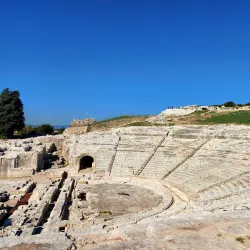
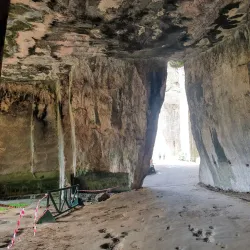
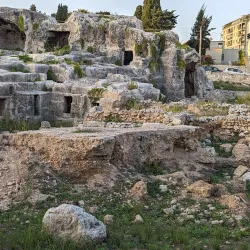
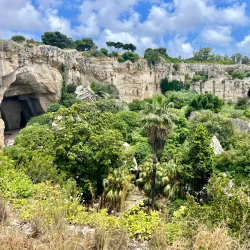
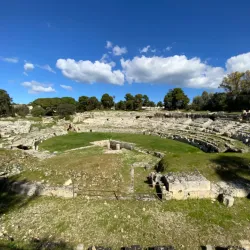
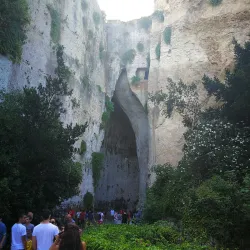
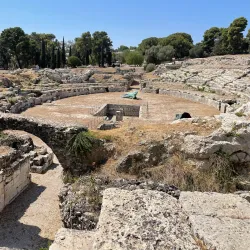
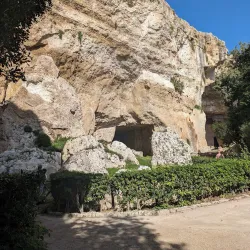
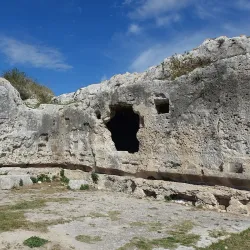
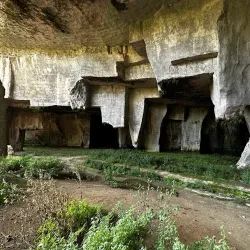
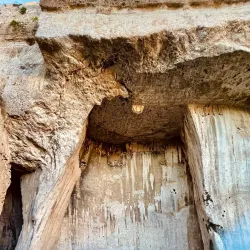
This archaeological park is one of the most important in Sicily, featuring the Greek Theatre, Roman Amphitheatre, and the Ear of Dionysius, a limestone cave with remarkable acoustics. It offers a comprehensive glimpse into the ancient civilizations that once thrived in Siracusa.
Ortigia Island
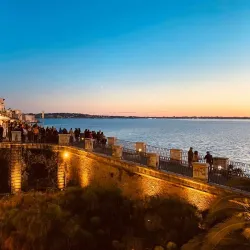
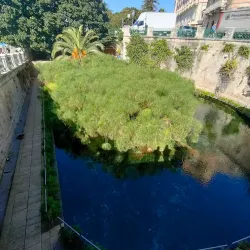
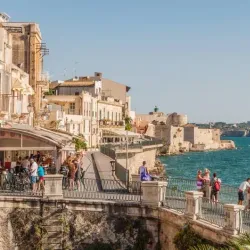
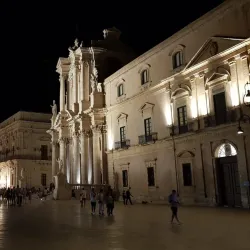
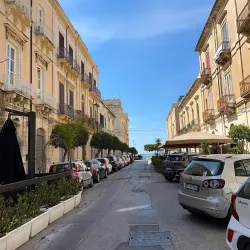
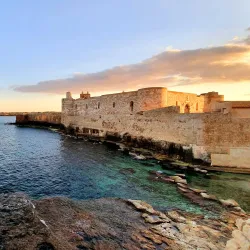
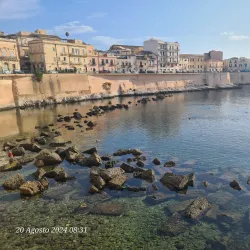
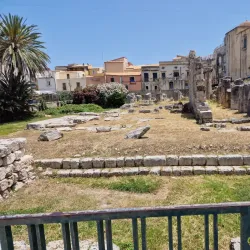

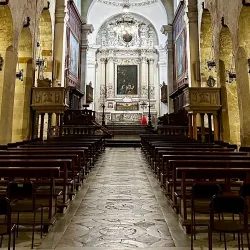
The historic heart of Siracusa, Ortigia is a small island known for its baroque architecture, ancient ruins, and lively markets. Key sites include the Piazza Duomo, the Temple of Apollo, and the Fonte Aretusa, a freshwater spring with mythological significance.
Duomo di Siracusa (Cathedral of Syracuse)
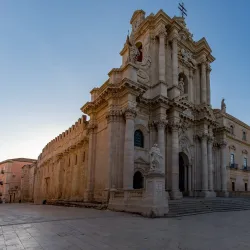
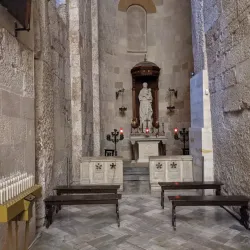
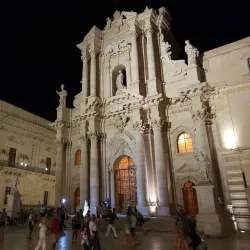
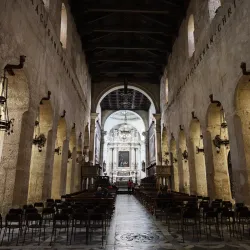
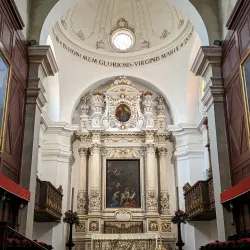
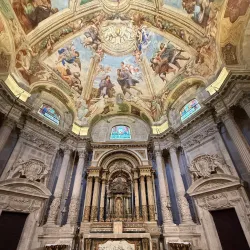
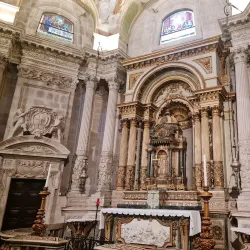
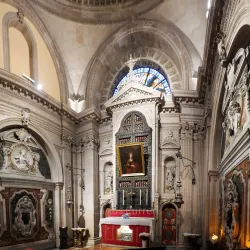
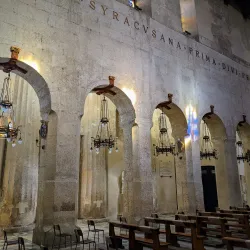
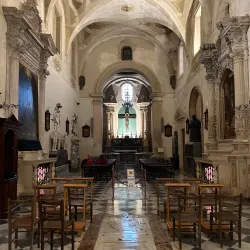
Located in Ortigia's main square, this cathedral is a stunning example of baroque architecture built on the site of an ancient Greek temple dedicated to Athena. The interior blends classical and baroque elements, reflecting the city's layered history.
Temple of Apollo
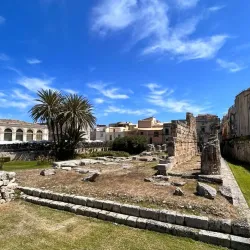
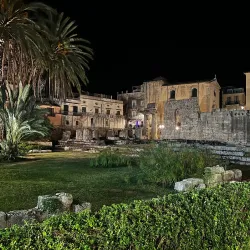
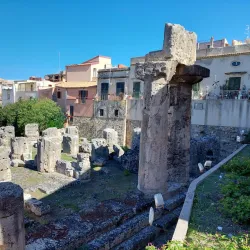
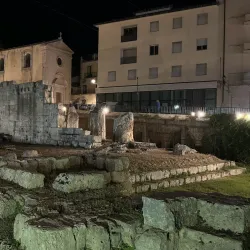
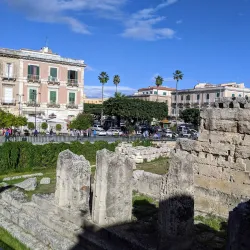
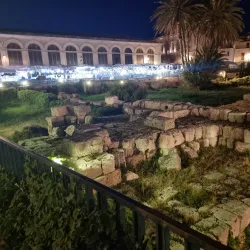
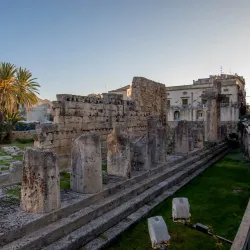
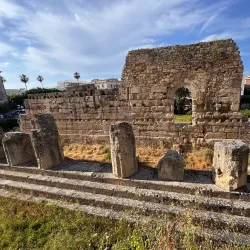
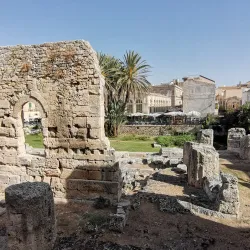
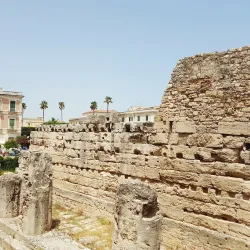
One of the oldest Doric temples in Sicily, this ancient structure is located on Ortigia Island and dates back to the 6th century BC. It is a significant archaeological site that highlights the Greek influence in the region.
Fonte Aretusa
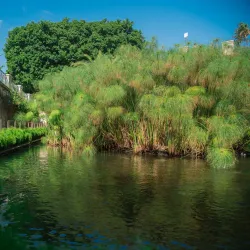
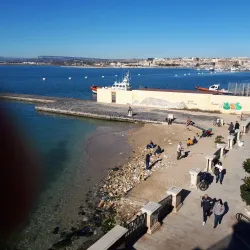
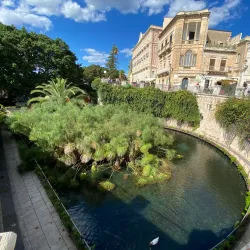
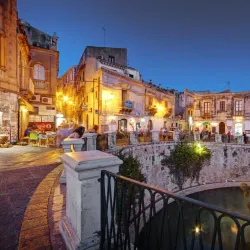
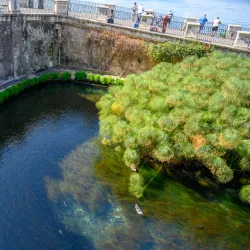
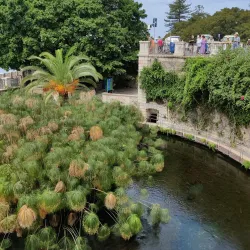
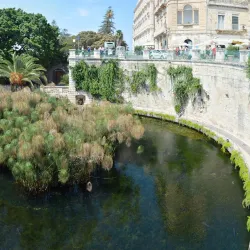
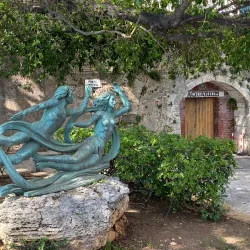
A natural freshwater spring on Ortigia Island, Fonte Aretusa is surrounded by papyrus plants and linked to Greek mythology. It is a picturesque spot popular with both locals and tourists for its beauty and historical significance.
Roman Amphitheatre of Siracusa
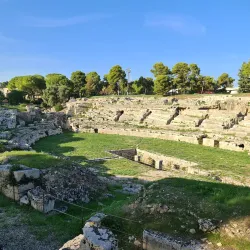
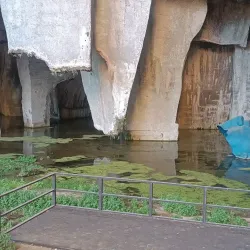
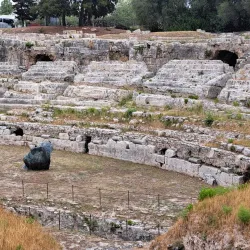
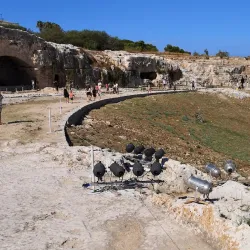
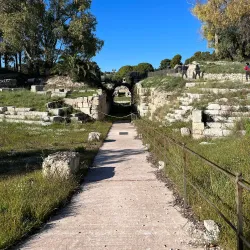
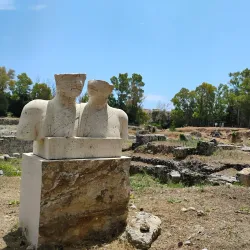
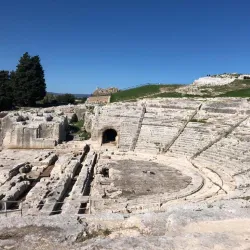
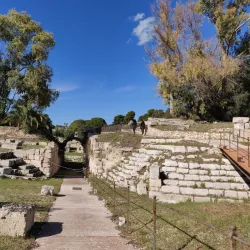
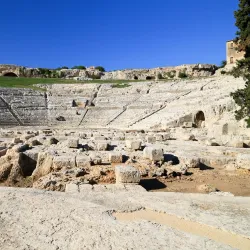
Part of the Neapolis Archaeological Park, this Roman amphitheatre dates back to the 3rd century AD and was used for gladiatorial contests and public spectacles. It is one of the largest Roman structures in Sicily.
Museo Archeologico Regionale Paolo Orsi
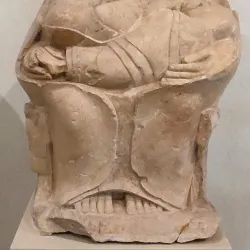
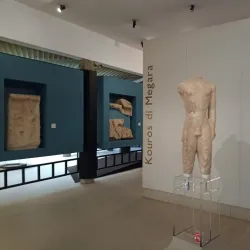
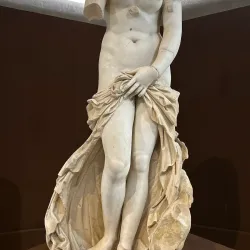
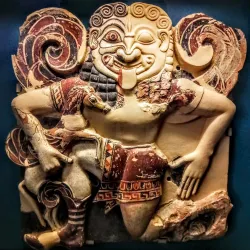
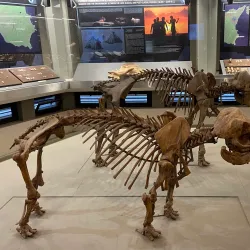
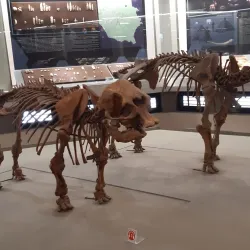
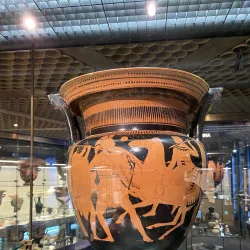
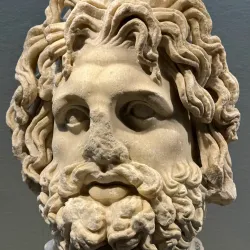
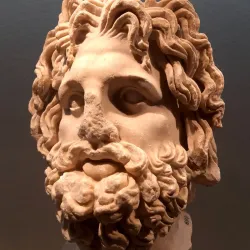
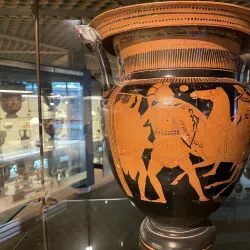
This regional archaeological museum houses one of the richest collections of artifacts from Sicily's ancient past, including Greek, Roman, and prehistoric items. It is a must-visit for those interested in the detailed history of the area.
Castello Maniace
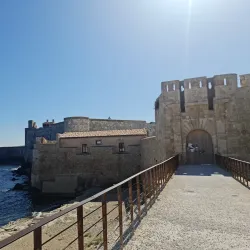
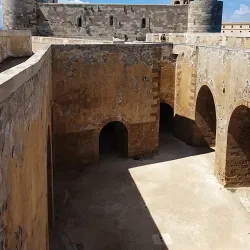
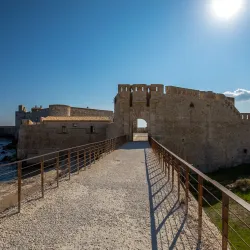
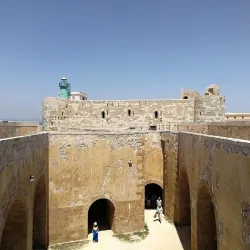
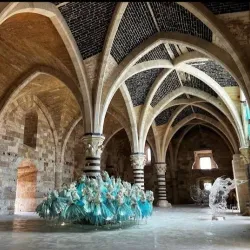
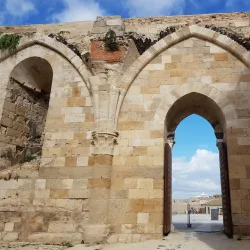
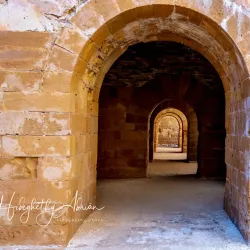
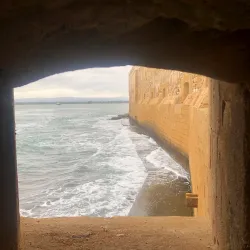
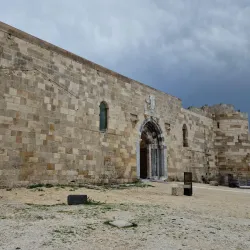
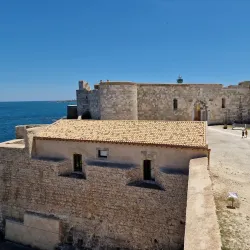
A 13th-century fortress located at the tip of Ortigia Island, Castello Maniace offers panoramic views of the sea and the city. It was built by Emperor Frederick II and is an important example of medieval military architecture.
Piazza Archimede
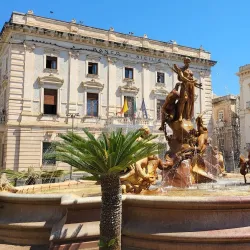
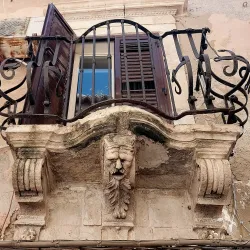
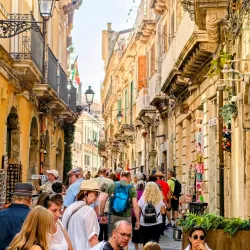
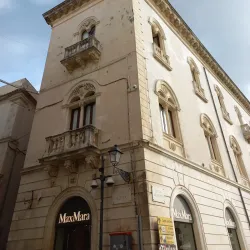
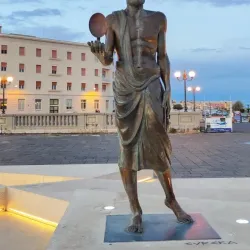
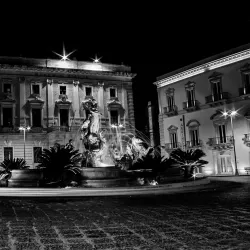
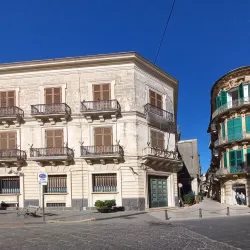
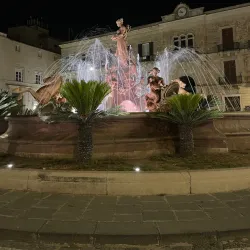
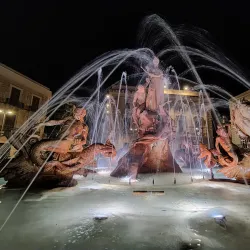
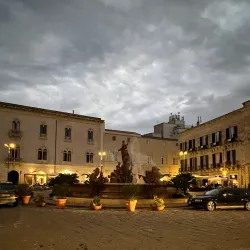
A lively square in Ortigia named after the famous mathematician Archimedes, who was born in Siracusa. The square is surrounded by cafes, shops, and historic buildings, making it a great place to relax and soak in the local atmosphere.
Lungomare di Siracusa

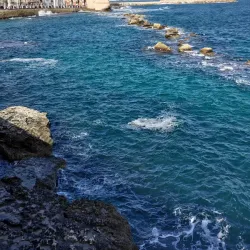


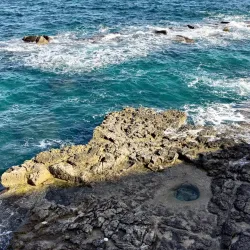
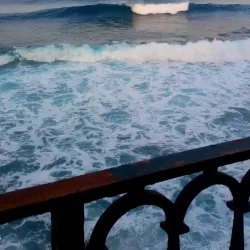
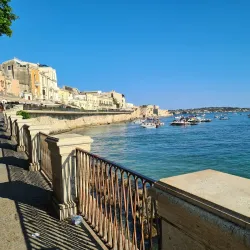
The scenic seafront promenade offers beautiful views of the Mediterranean Sea and is perfect for a leisurely walk or bike ride. It connects various parts of the city and provides access to beaches and waterfront cafes.