Things to do in Verona
Verona, located in the Veneto region of Italy, is a city renowned for its rich history, stunning architecture, and cultural heritage. Famous as the setting of Shakespeare's Romeo and Juliet, Verona offers visitors a blend of ancient Roman ruins, medieval buildings, and vibrant local life.The city is characterized by its charming neighborhoods, historic piazzas, and the Adige River that winds through it, providing picturesque views and a romantic atmosphere. Verona's blend of history and modernity makes it a captivating destination for travelers interested in art, history, and Italian culture.Arena di Verona
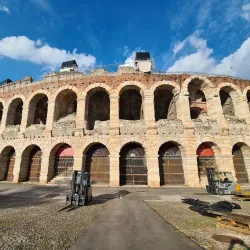
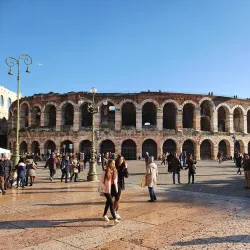
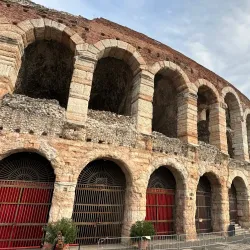
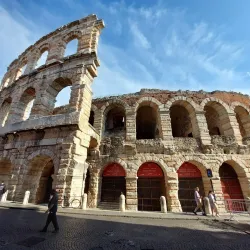
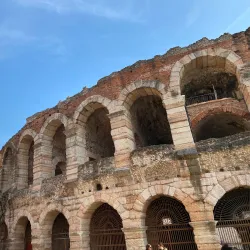
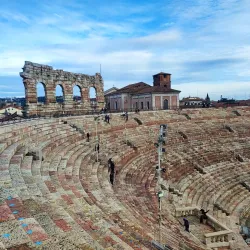
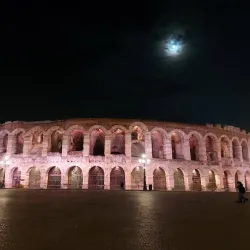
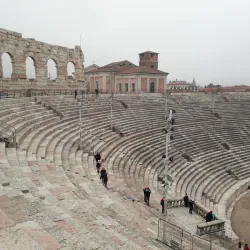
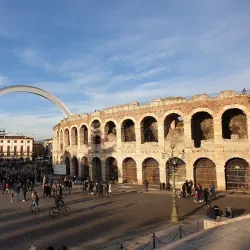
The Arena di Verona is a remarkably well-preserved Roman amphitheater dating back to the 1st century AD. It is famous for its large-scale opera performances and concerts, attracting visitors from around the world.
This iconic structure is one of the best-preserved ancient arenas and serves as a symbol of Verona's rich Roman heritage.
Juliet's House (Casa di Giulietta)
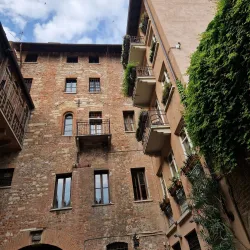
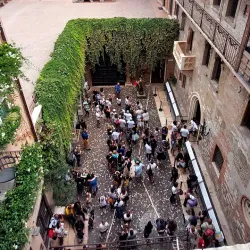
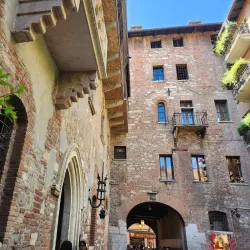
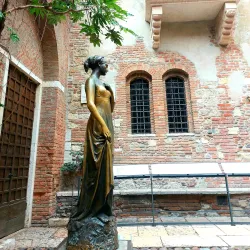
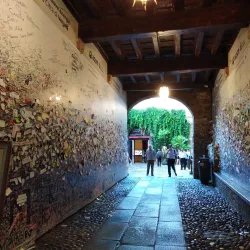
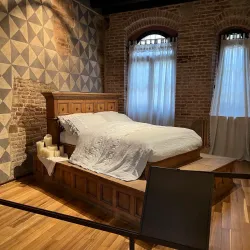
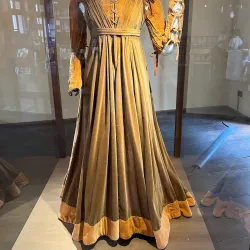
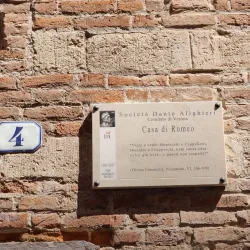
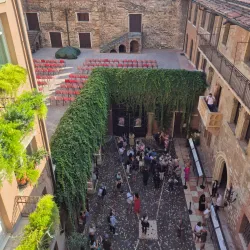
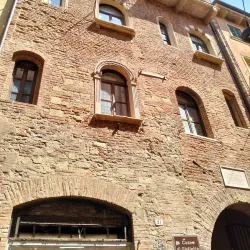
Juliet's House is a popular tourist attraction believed to be the home of Shakespeare's Juliet. Visitors come to see the famous balcony and the statue of Juliet in the courtyard.
The site captures the romantic spirit of Verona and offers insight into the city's literary significance.
Piazza delle Erbe
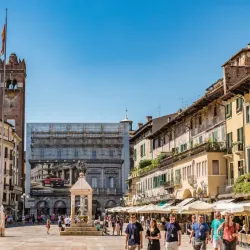
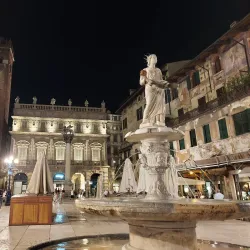
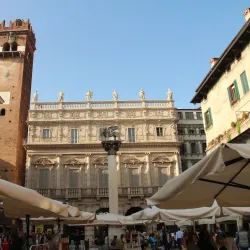
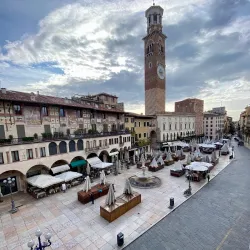
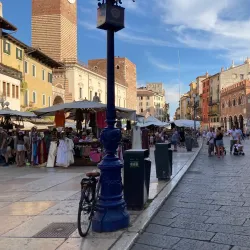
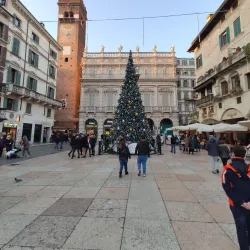
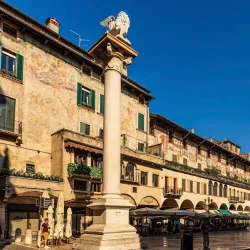
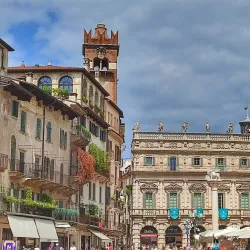
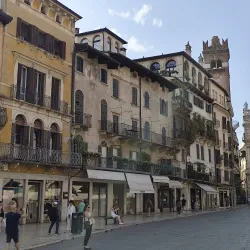
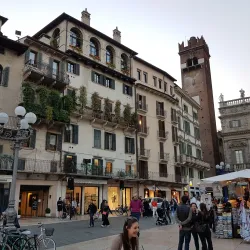
Piazza delle Erbe is Verona's oldest square, once the town's forum during Roman times. It is now a lively marketplace surrounded by historic buildings, cafes, and fountains.
The square is a hub of local life and a great place to experience Verona's vibrant atmosphere and architecture.
Castelvecchio and Castelvecchio Museum
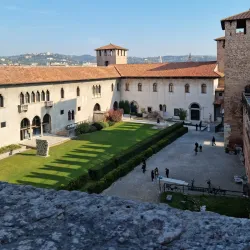
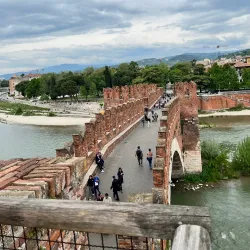
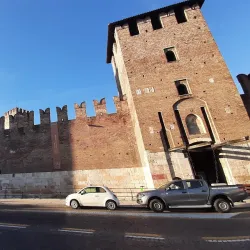
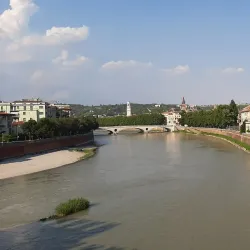
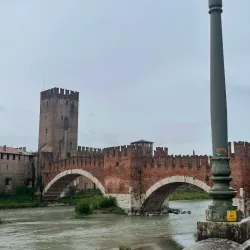
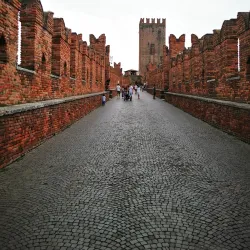
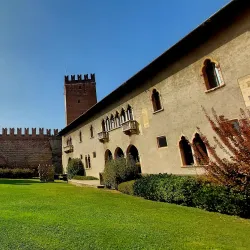
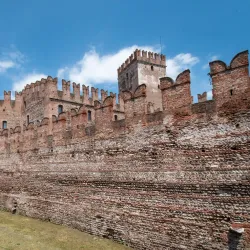
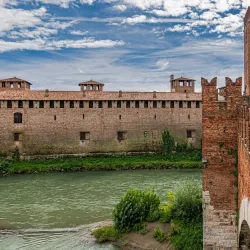
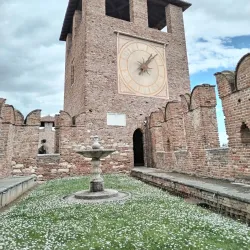
Castelvecchio is a medieval fortress built in the 14th century, now housing the Castelvecchio Museum. The museum features a rich collection of medieval, Renaissance, and modern art.
The castle itself is an architectural landmark with impressive walls, towers, and a bridge over the Adige River.
Ponte Pietra
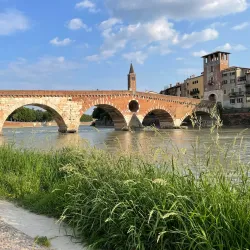
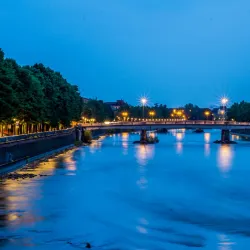
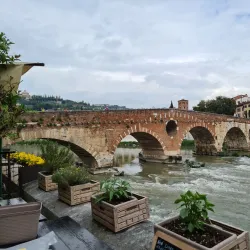
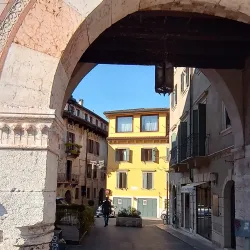
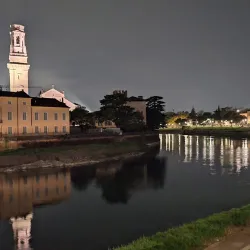
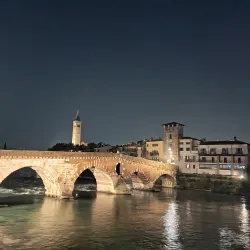
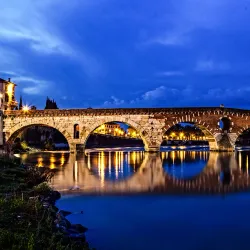
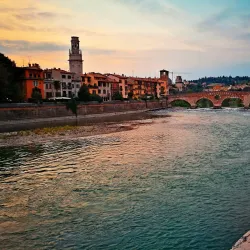
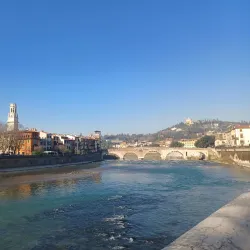
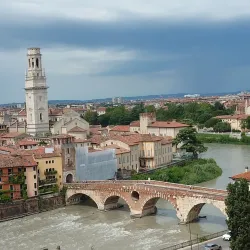
Ponte Pietra is an ancient Roman arch bridge crossing the Adige River. It offers scenic views of the river and the city and is a testament to Verona's Roman engineering.
The bridge connects the historic center with the Roman Theater area and is a favorite spot for photography.
Basilica of San Zeno Maggiore
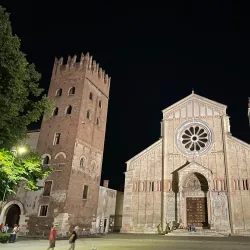
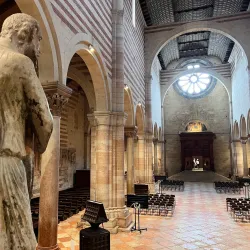
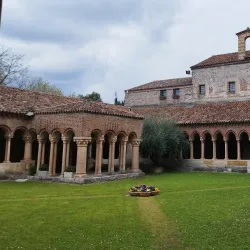
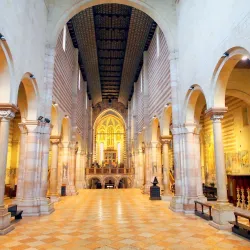
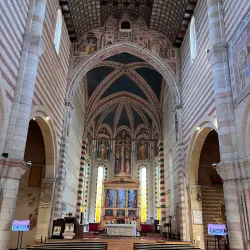
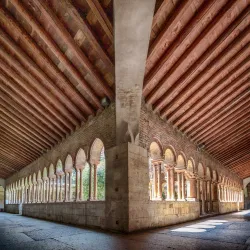
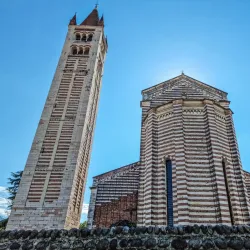
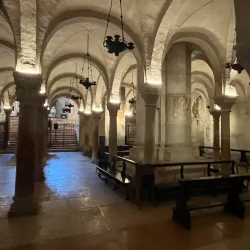
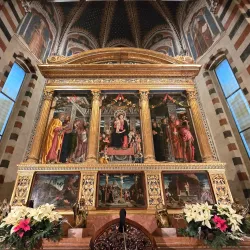
This Romanesque church is one of Verona's most important religious buildings, known for its beautiful architecture and the famous triptych by Andrea Mantegna inside.
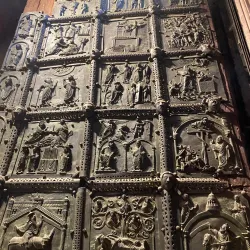
The basilica is dedicated to Saint Zeno, the city's patron saint, and features a peaceful cloister and impressive bronze doors.
Torre dei Lamberti

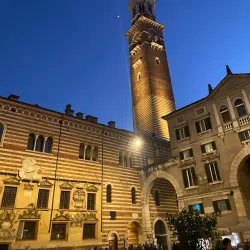


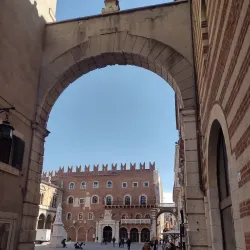

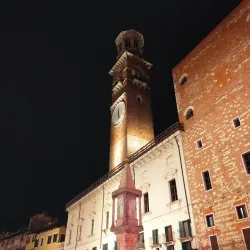
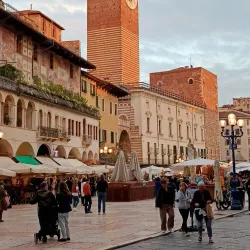

Torre dei Lamberti is a tall medieval tower offering panoramic views of Verona. Visitors can climb or take an elevator to the top to enjoy the cityscape.
The tower is located in Piazza delle Erbe and is an iconic part of Verona's skyline.
Roman Theater and Archaeological Museum
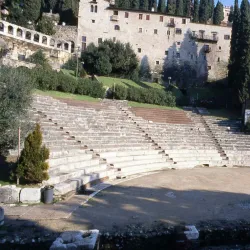
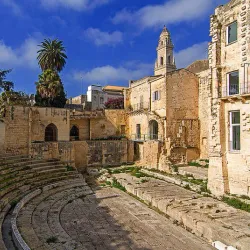
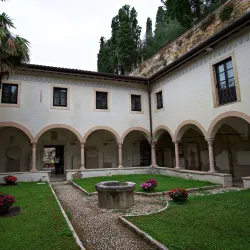
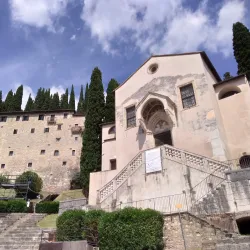
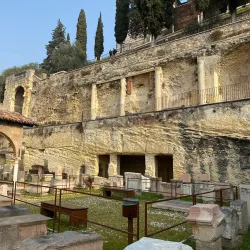
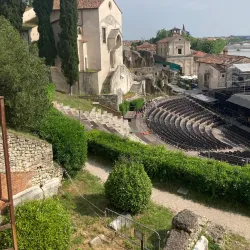
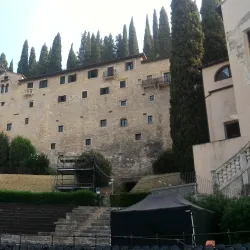
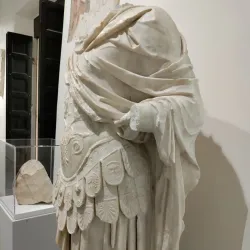
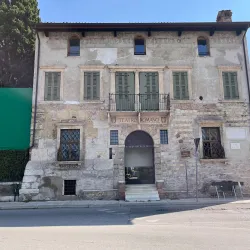
The Roman Theater is an ancient open-air theater located on the southern bank of the Adige River. Nearby, the Archaeological Museum displays artifacts from Verona's Roman past.
This site provides insight into the city's ancient entertainment and cultural life.
Piazza Bra
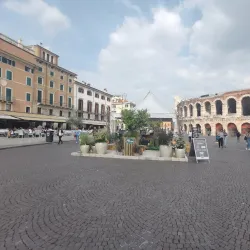
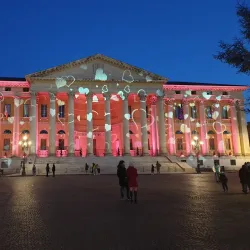
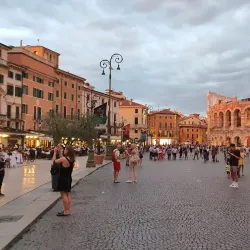
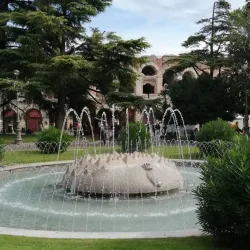
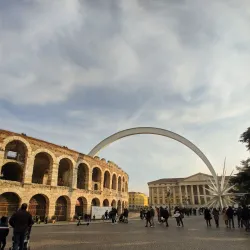
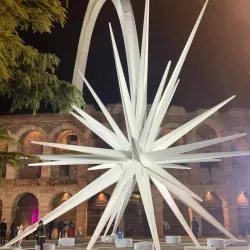
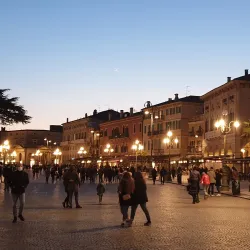
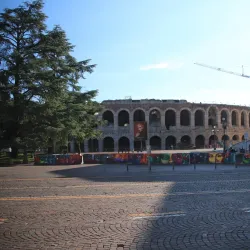
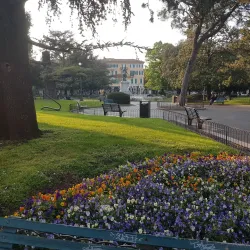
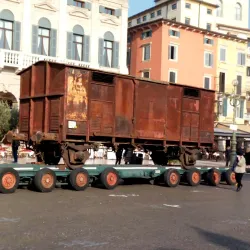
Piazza Bra is Verona's largest square, home to the Arena and surrounded by cafes, restaurants, and historic buildings.
It is a central gathering place for locals and tourists alike and a great starting point for exploring the city.
Giardino Giusti
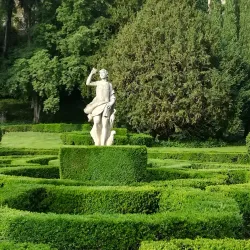
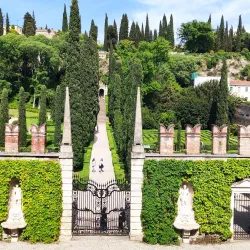
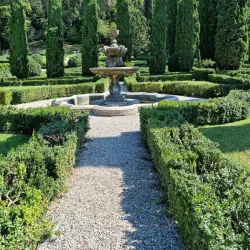
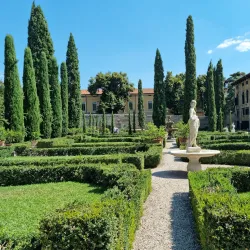
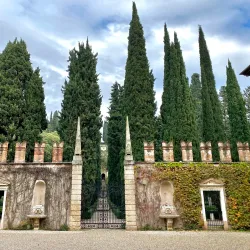
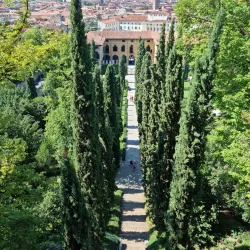
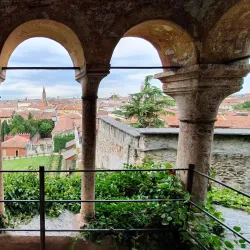
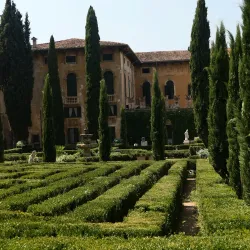
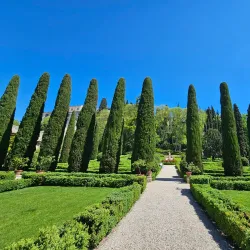
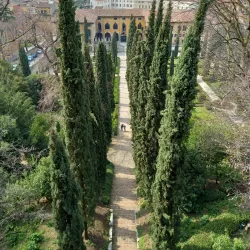
The Giardino Giusti is a historic Renaissance garden known for its beautifully manicured hedges, statues, and panoramic views of Verona.
It offers a tranquil escape from the city with its elegant landscaping and historic charm.