Things to do in Awaji
Awaji Island, located in Hyogo Prefecture, Japan, is known for its rich natural beauty, cultural heritage, and historical significance. The island offers a blend of scenic landscapes, traditional Japanese gardens, and unique attractions that appeal to nature lovers and history enthusiasts alike.Awaji is easily accessible from the mainland and is famous for its flower parks, hot springs, and the iconic Akashi Kaikyo Bridge, which connects the island to Kobe. Visitors can explore a variety of experiences ranging from outdoor activities to cultural sites and local cuisine.Awaji Yumebutai
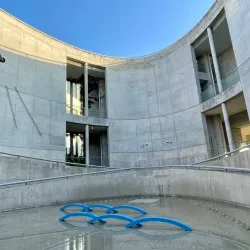

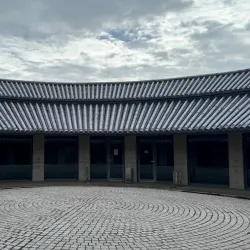
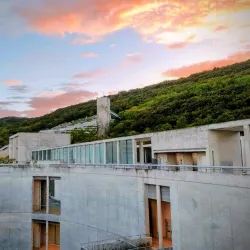
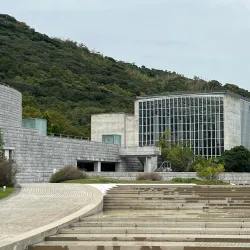
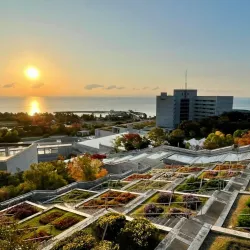
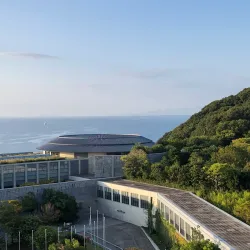



Awaji Yumebutai is a complex designed by renowned architect Tadao Ando, featuring a conference center, hotel, and stunning terraced gardens. It is celebrated for its innovative design that harmonizes with the natural environment and offers panoramic views of the surrounding sea.
The gardens are a highlight, showcasing a variety of flowers and plants arranged in geometric patterns, making it a popular spot for photography and leisurely walks.
Akashi Kaikyo Bridge
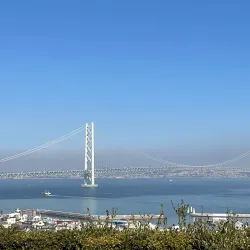
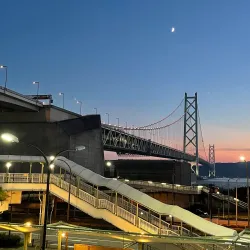
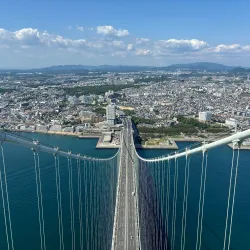
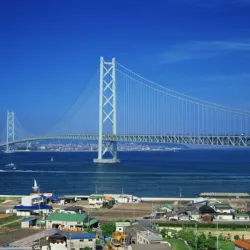
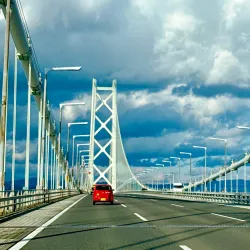
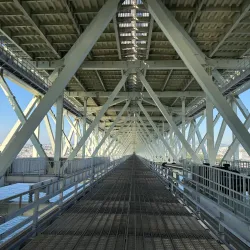
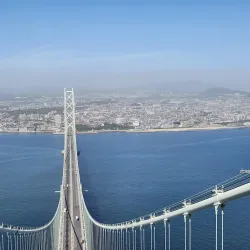
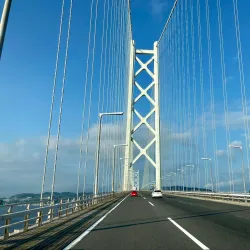
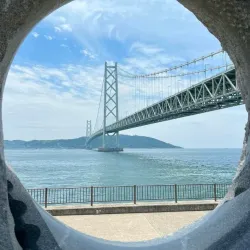
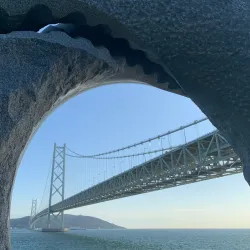
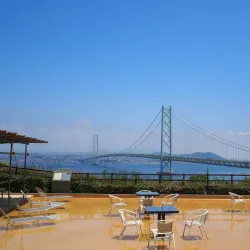
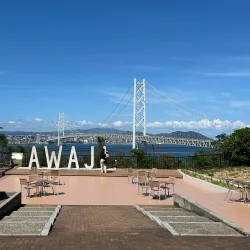
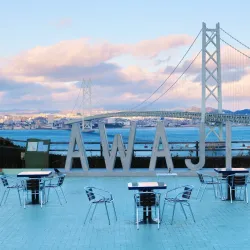
The Akashi Kaikyo Bridge, also known as the Pearl Bridge, is the longest suspension bridge in the world, connecting Awaji Island to Kobe on the mainland. It is an engineering marvel and a symbol of modern infrastructure in Japan.
Visitors can enjoy views of the bridge from various points on Awaji Island, and there are observation areas where the impressive scale of the bridge can be appreciated.
Awaji Hanasajiki
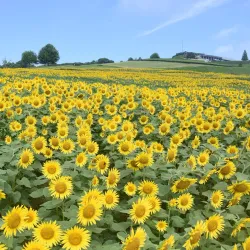
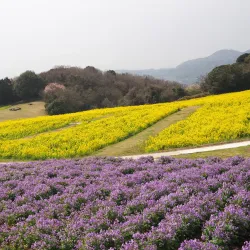
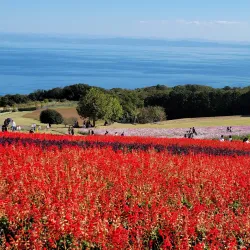
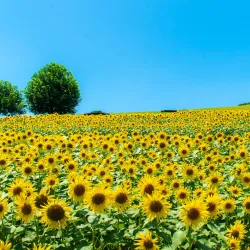
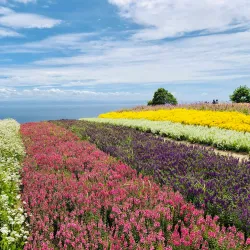
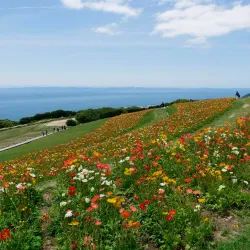
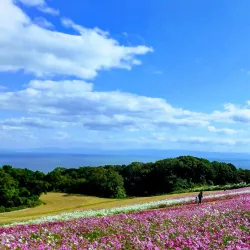
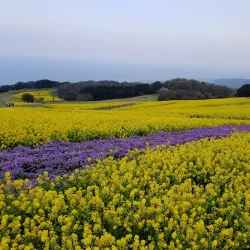
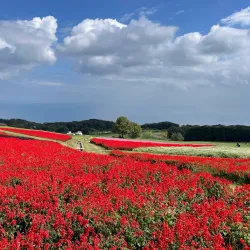
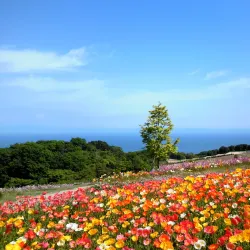
Awaji Hanasajiki is a vast flower park located on the northern part of Awaji Island. It features seasonal flower fields that bloom throughout the year, including tulips, sunflowers, and cosmos.
The park offers spectacular views of the Osaka Bay and is a favorite spot for families and photographers looking to capture vibrant floral landscapes.
Naruto Whirlpools
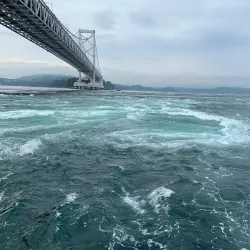
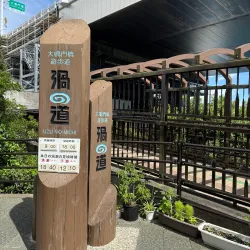
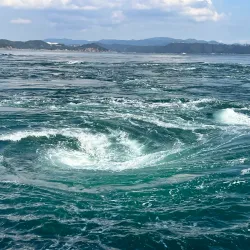
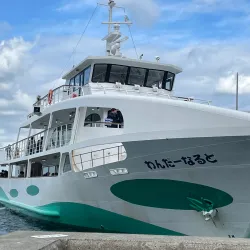
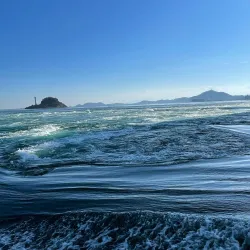
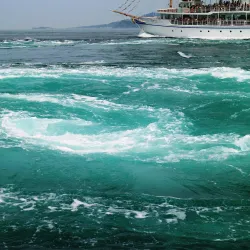
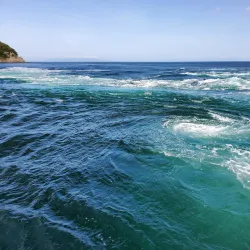
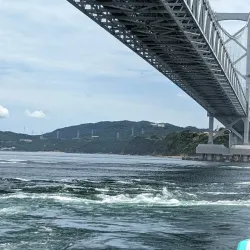
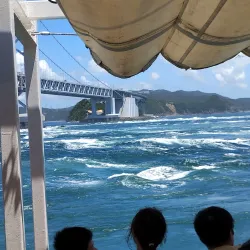
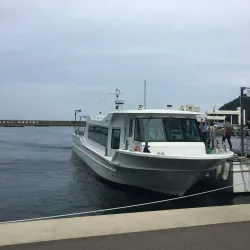
While technically located in the Naruto Strait near Awaji Island, the Naruto Whirlpools are a natural phenomenon that attracts many visitors. These whirlpools occur due to tidal currents and can be observed from boats or viewing platforms.
The whirlpools are among the largest in the world and provide a unique natural spectacle that is both thrilling and educational.
Awaji Island Monkey Center


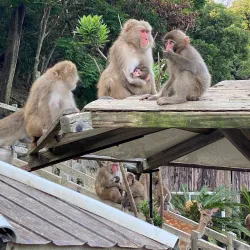
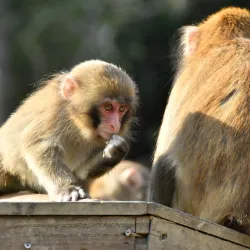
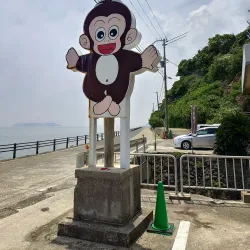
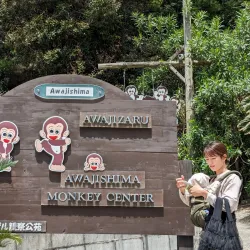
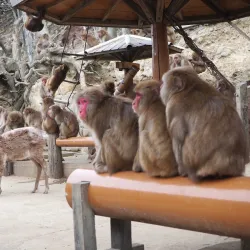
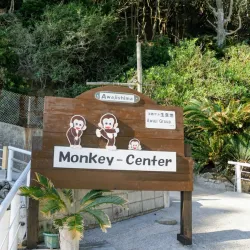
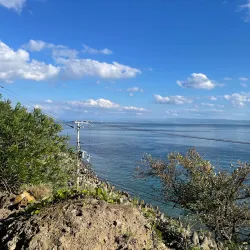
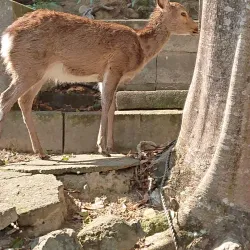
The Awaji Island Monkey Center is a wildlife park dedicated to Japanese macaques. Visitors can observe and learn about these monkeys in a naturalistic setting.
The center offers educational programs and opportunities to see the monkeys' behaviors up close, making it a great attraction for families and animal lovers.
Sumoto Castle Ruins
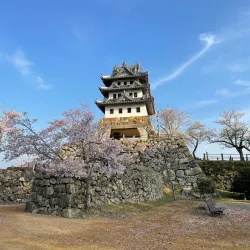
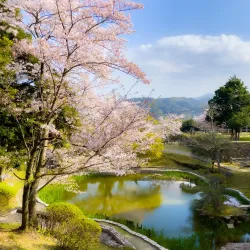

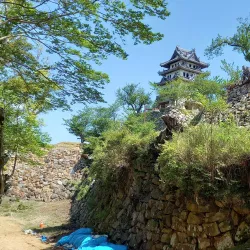

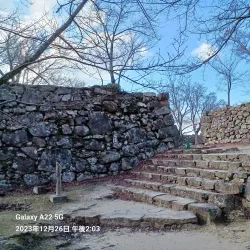


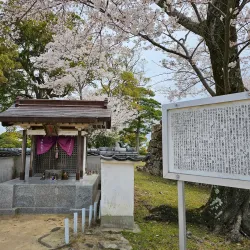
Sumoto Castle is a historic site on Awaji Island, offering insight into the island's feudal past. Though only ruins remain, the site provides scenic views of the surrounding area and the sea.
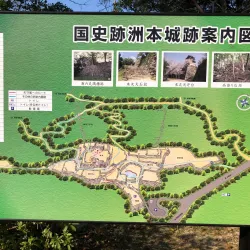
The castle grounds are a peaceful place for walking and exploring, with informational plaques detailing the history of the castle and its significance.
Awaji World Park Onokoro
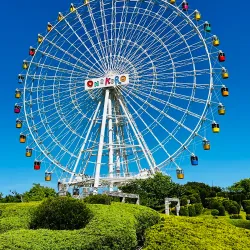
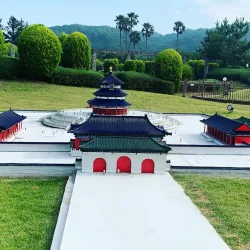
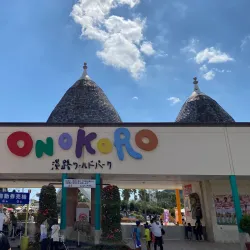
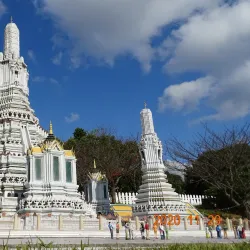
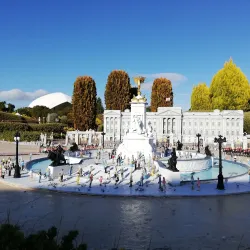

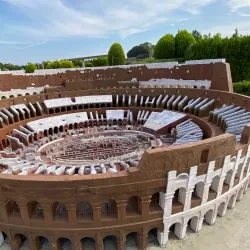
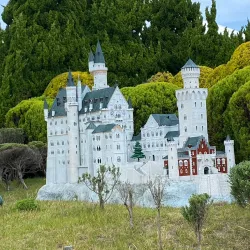
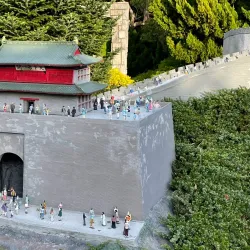
Awaji World Park Onokoro is a theme park featuring miniature replicas of famous landmarks from around the world. It offers a fun and educational experience for visitors of all ages.
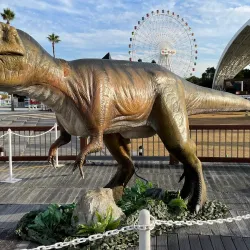
The park also includes amusement rides, a petting zoo, and various attractions that make it a popular family destination.
Nushima Island
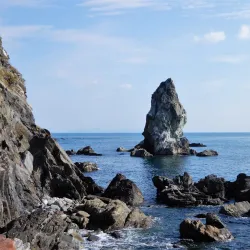
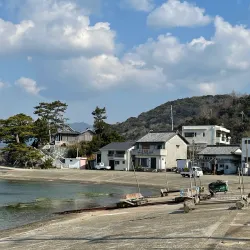
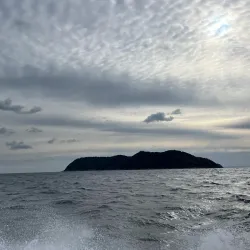
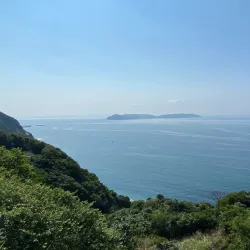
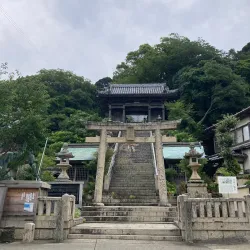
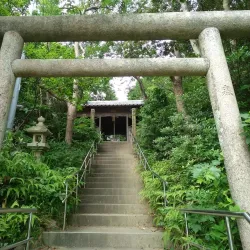
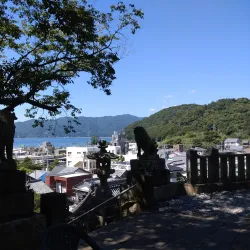
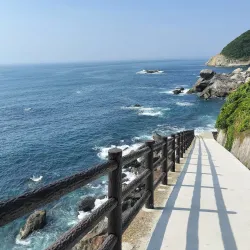
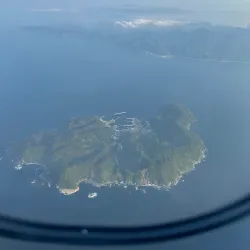
Nushima Island is a small island off the coast of Awaji, known for its rugged coastline and natural beauty. It is a popular spot for hiking and exploring marine life.
Visitors can enjoy scenic views, bird watching, and the tranquility of this less developed island environment.
Awaji Yumebutai Conference Center
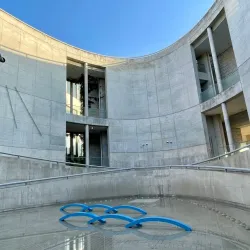

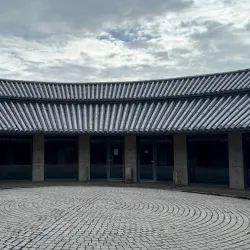
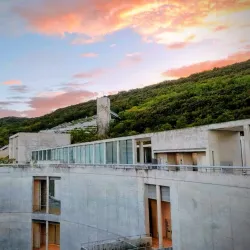
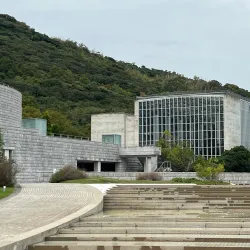
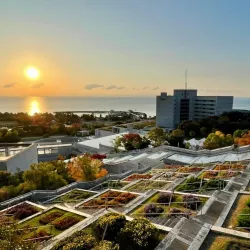
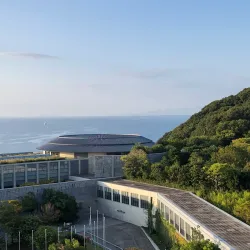



Part of the Awaji Yumebutai complex, the conference center is notable for its modern architecture and sustainable design. It hosts various events and conferences throughout the year.
The building itself is an attraction, showcasing innovative use of natural light and materials that blend with the surrounding gardens.
Awaji Island Onsen (Hot Springs)





Awaji Island is home to several onsen (hot springs) resorts, offering relaxing baths with views of the sea and natural surroundings. These hot springs are known for their therapeutic properties.
Popular onsen areas include those near Sumoto and Minamiawaji, where visitors can enjoy traditional Japanese hospitality and wellness experiences.