Things to do in Fukui
Fukui Prefecture, located on the coast of the Sea of Japan, is known for its rich history, beautiful natural landscapes, and cultural heritage. The region offers a blend of ancient temples, scenic parks, and unique museums that attract visitors interested in exploring traditional Japan as well as natural beauty.Fukui's diverse attractions range from the famous dinosaur fossils and museums to serene temples and coastal views. The prefecture is also renowned for its hot springs and local cuisine, making it a well-rounded destination for travelers.Eiheiji Temple
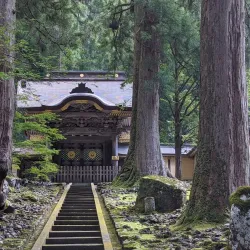
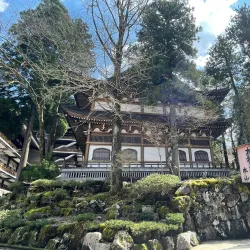
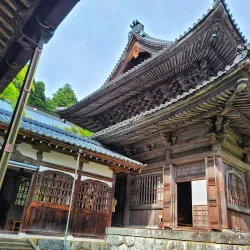
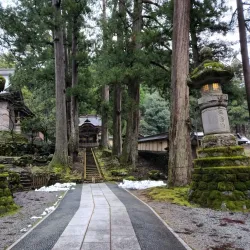
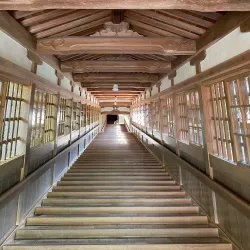
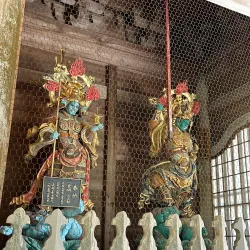
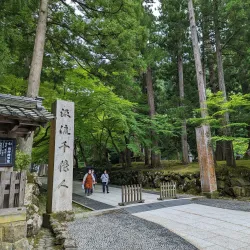
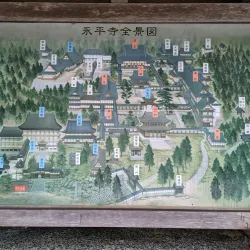
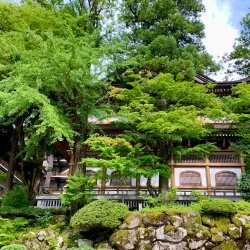
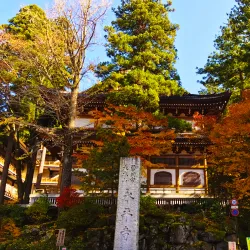
Eiheiji Temple is one of the two main temples of the Soto school of Zen Buddhism. Founded in 1244 by the monk Dogen, it remains an active monastery where visitors can experience Zen meditation and observe monastic life.
The temple complex is set in a tranquil forested area, featuring traditional wooden architecture and beautiful gardens, making it a spiritual and cultural highlight of Fukui.
Fukui Prefectural Dinosaur Museum
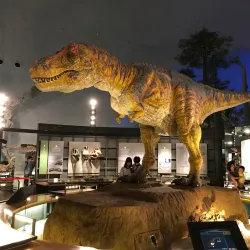
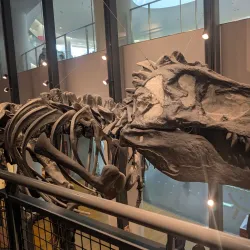
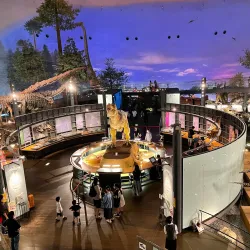
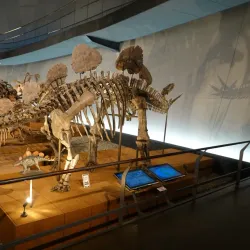
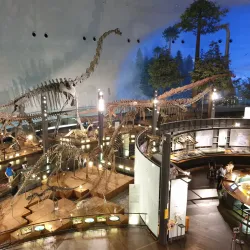
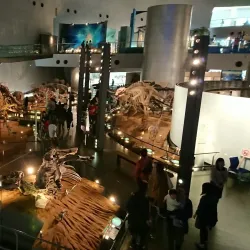
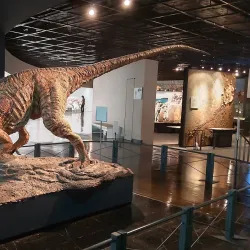

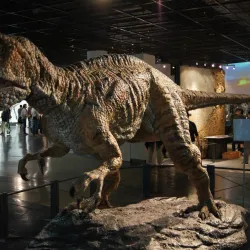
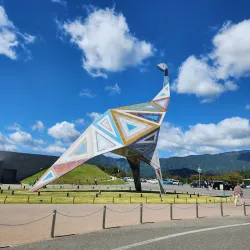
This museum is one of the leading dinosaur museums in the world, famous for its extensive collection of fossils and life-sized dinosaur models. It offers interactive exhibits and educational programs about paleontology and the prehistoric era.
The museum is located near the Kitadani Dinosaur Quarry, where many significant dinosaur fossils have been discovered, making it a must-visit for families and science enthusiasts.
Maruoka Castle
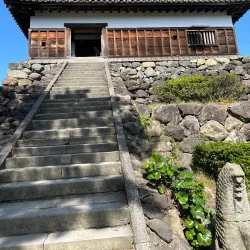
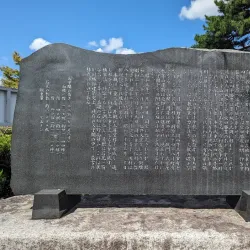
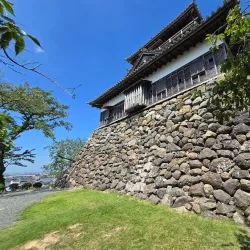
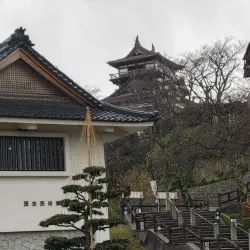
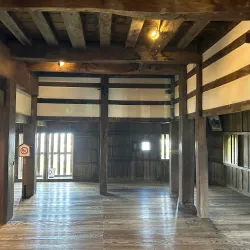
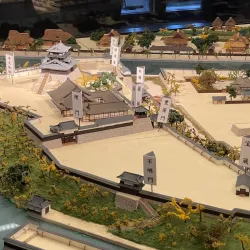
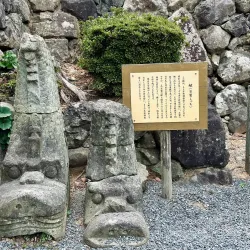
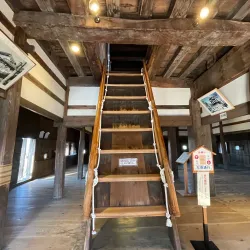

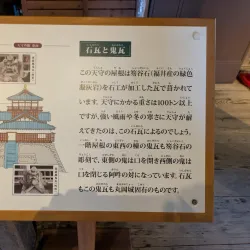
Maruoka Castle is one of Japan's oldest surviving castles, known for its original wooden keep dating back to 1576. The castle is famous for its historical significance and well-preserved architecture.
Visitors can explore the castle grounds, enjoy panoramic views from the top, and learn about the castle's role in regional history.
Tojinbo Cliffs
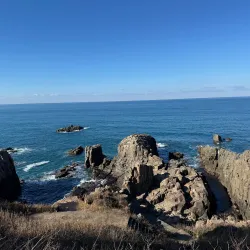
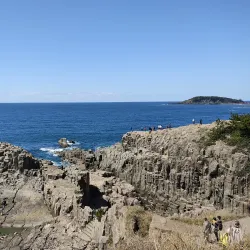
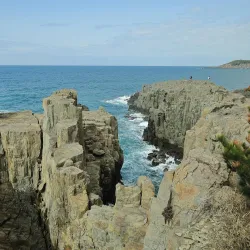
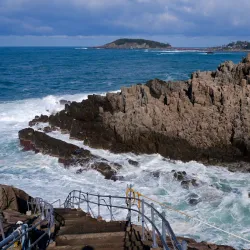
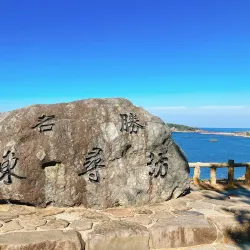
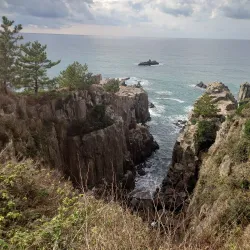
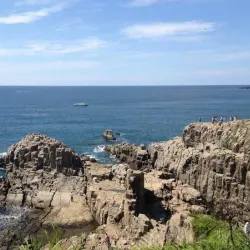
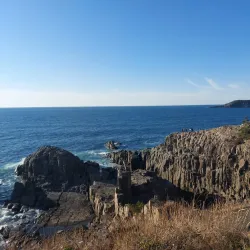
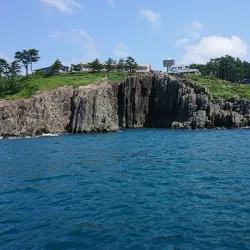

The Tojinbo Cliffs are dramatic basalt rock formations along the Sea of Japan coast, known for their rugged beauty and unique geological features. The cliffs offer stunning ocean views and are a popular spot for sightseeing and photography.
There are walking trails along the cliffs, and boat tours are available to see the formations from the sea, providing a different perspective of this natural wonder.
Ichijodani Asakura Family Historic Ruins
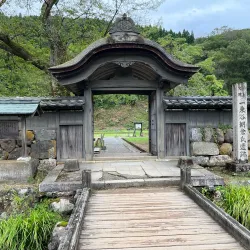
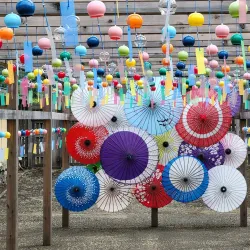
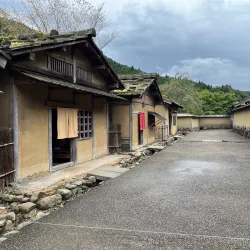
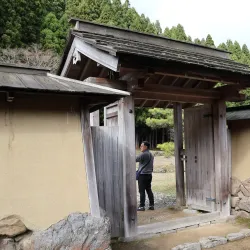
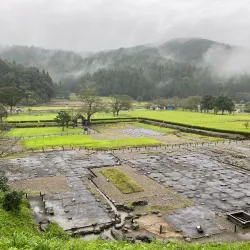
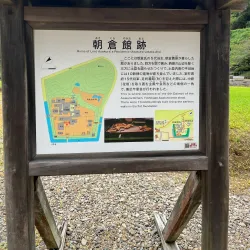
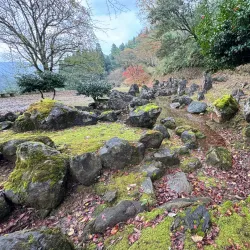
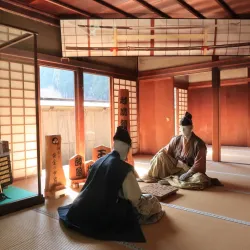
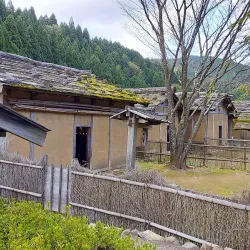
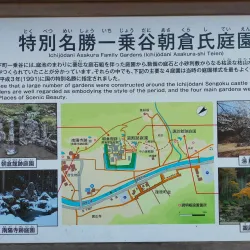
This archaeological site preserves the remains of a castle town from the Sengoku period, offering insights into Japan's feudal past. The ruins include reconstructed buildings, gardens, and artifacts that illustrate the lifestyle of the Asakura clan.
Visitors can explore the extensive grounds, visit the museum, and participate in seasonal events that bring history to life.
Awara Onsen
Awara Onsen is a famous hot spring resort town known for its relaxing baths and traditional ryokan inns. The area offers a peaceful retreat with therapeutic waters and beautiful natural surroundings.
Visitors can enjoy soaking in various hot spring baths, experiencing Japanese hospitality, and exploring local shops and restaurants.
Fukui City Museum of Natural History
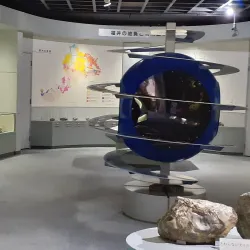
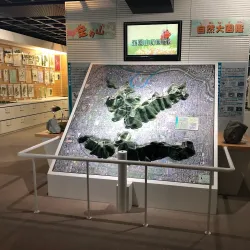
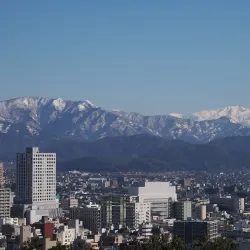

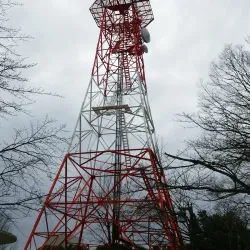
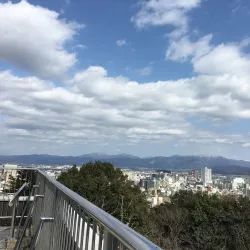
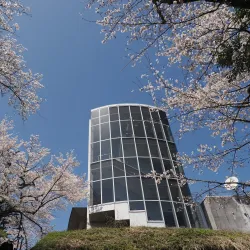
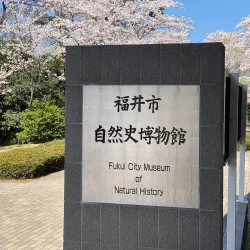
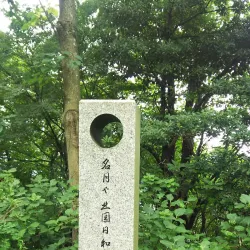

This museum showcases the natural history of Fukui Prefecture, including exhibits on geology, flora, fauna, and local ecosystems. It provides educational displays and interactive exhibits suitable for all ages.
The museum is a great place to learn about the region's biodiversity and environmental conservation efforts.
Kehi Shrine

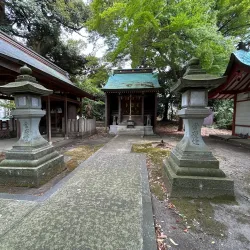
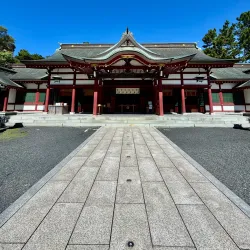
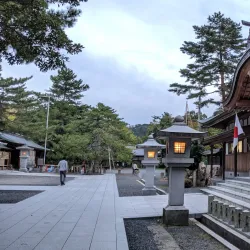
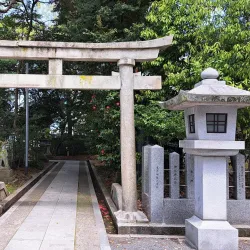
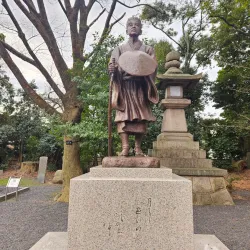
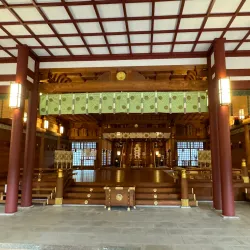
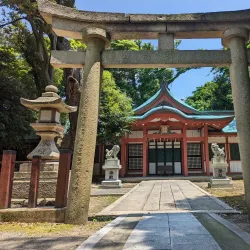
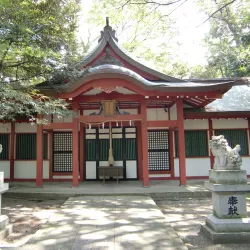
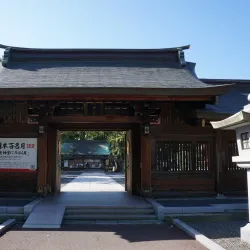
Kehi Shrine is a historic Shinto shrine with a history spanning over 1,200 years. It is known for its grand torii gate, beautiful grounds, and cultural festivals.
The shrine is a spiritual center in Fukui and offers visitors a chance to experience traditional Japanese religious practices and architecture.
Mikuni Sunset Beach

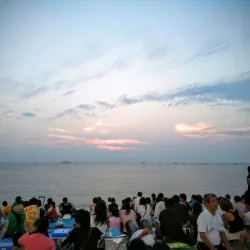

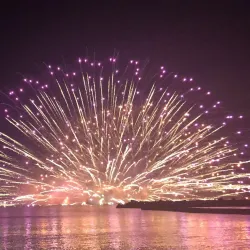

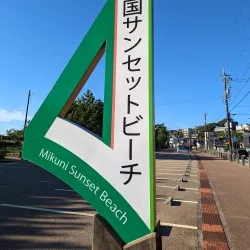
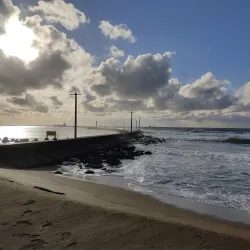


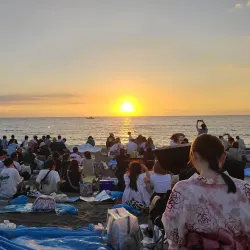
Mikuni Sunset Beach is a scenic coastal area popular for its beautiful sunsets over the Sea of Japan. The beach is ideal for leisurely walks, picnics, and enjoying the natural coastal environment.
Nearby facilities include cafes and parks, making it a pleasant spot for relaxation and recreation.
Fukui Prefectural Museum of Cultural History
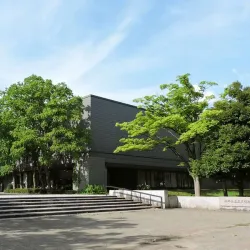
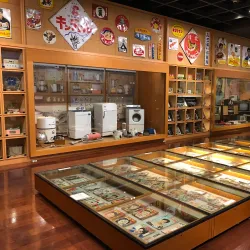


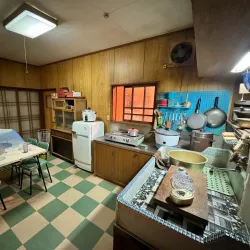

This museum focuses on the cultural history of Fukui Prefecture, displaying artifacts, traditional crafts, and historical documents. It provides a comprehensive overview of the region's heritage and development.
The museum hosts exhibitions and events that highlight local traditions and historical milestones.