Things to do in Gyoda
Gyoda is a city located in Saitama Prefecture, Japan, known for its rich historical heritage and cultural significance. It offers visitors a glimpse into Japan's ancient past with its archaeological sites and traditional crafts.The city is also surrounded by scenic nature spots and parks, making it an ideal destination for those interested in both history and outdoor activities.Sakitama Kofun Park
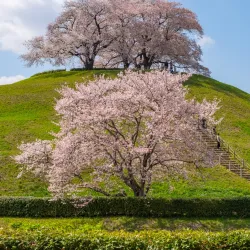
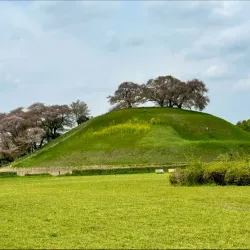
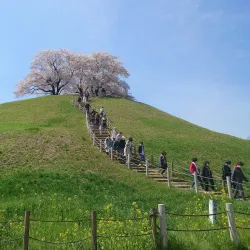
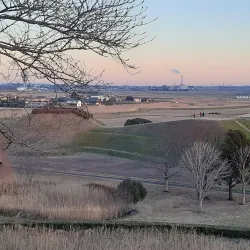
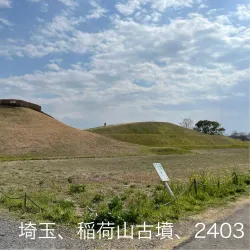
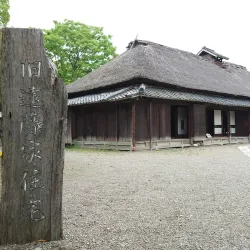
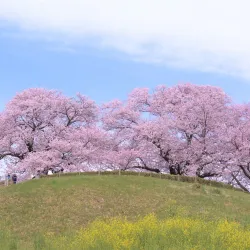
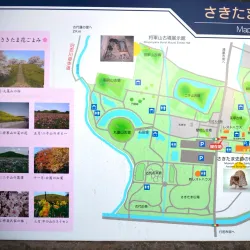
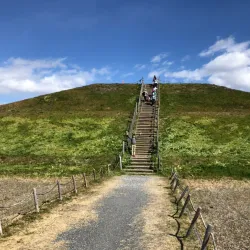
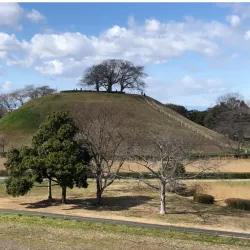
Sakitama Kofun Park is a prominent archaeological site featuring a group of ancient burial mounds (kofun) dating back to the 5th and 6th centuries. The park offers well-preserved kofun tombs, including the notable Inariyama Kofun, which is famous for the discovery of the Inariyama Sword with an ancient inscription.
Visitors can explore the park's museum, which displays artifacts excavated from the kofun, providing insight into the region's early history and culture.
Gyoda Tatara Museum

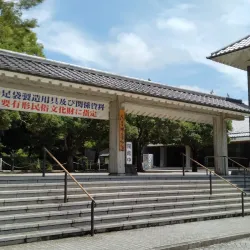
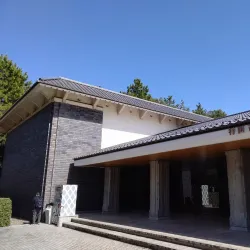
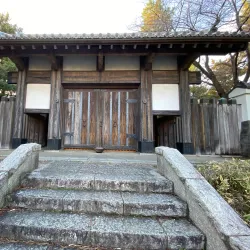
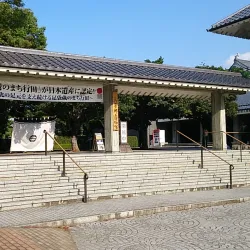
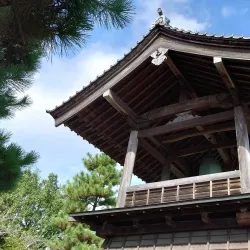

This museum is dedicated to the traditional tatara iron-making process, which was historically significant in the region. It offers exhibits on the techniques and history of tatara smelting, showcasing the craftsmanship involved in producing high-quality iron.
The museum provides educational programs and demonstrations, making it a fascinating stop for those interested in traditional Japanese metallurgy.
Oshi Castle
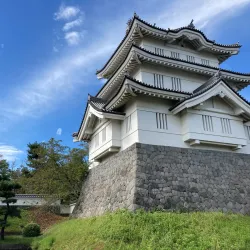
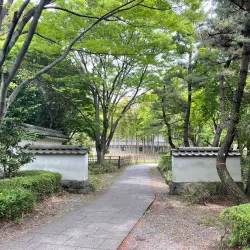
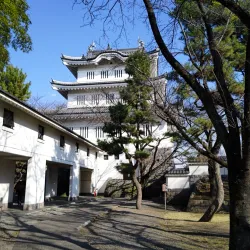
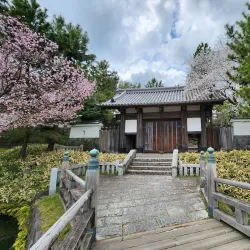
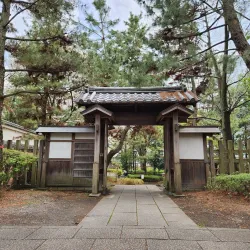
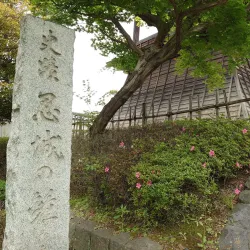
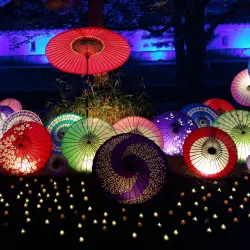
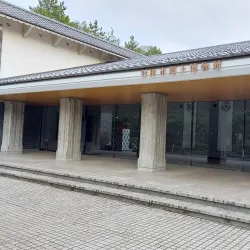
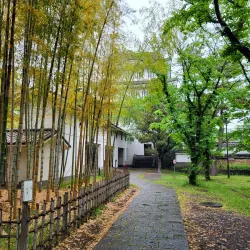
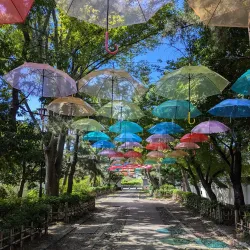
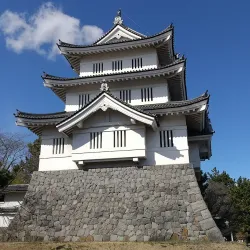
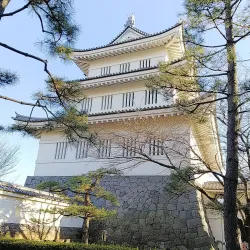
Oshi Castle is a historic Japanese castle located in Gyoda, known for its strategic importance during the Sengoku period. The castle features reconstructed walls and moats, offering visitors a glimpse into feudal Japan's military architecture.
The site also hosts a museum with exhibits on the castle's history and the local samurai culture, making it a popular destination for history enthusiasts.
Gyoda City Museum




The Gyoda City Museum showcases the history, culture, and natural environment of Gyoda and its surrounding areas. It features exhibits on local archaeology, traditional crafts, and the natural history of the region.
The museum is an excellent place to learn about Gyoda's development through the ages and its cultural heritage.
Hachiman Shrine
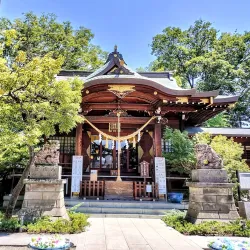
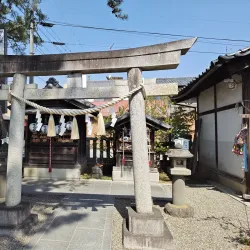
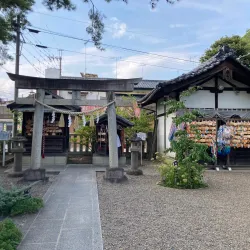
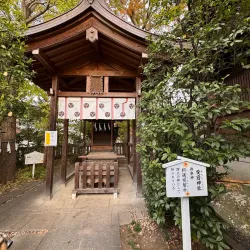
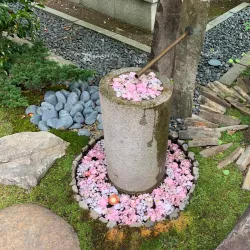
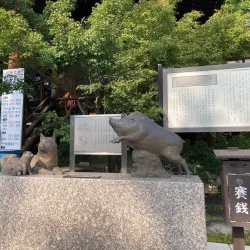
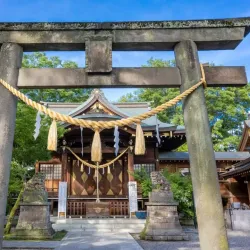
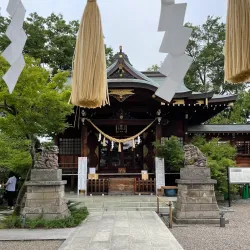
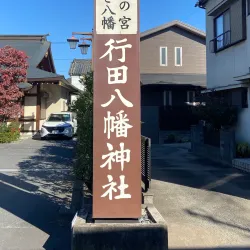
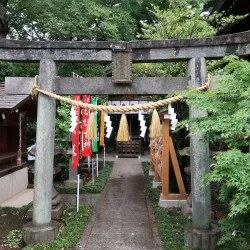
Hachiman Shrine is a traditional Shinto shrine in Gyoda, dedicated to the god of war and protector of the community. The shrine is known for its beautiful architecture and serene surroundings, providing a peaceful retreat for visitors.
It is also a site for local festivals and cultural events, offering a chance to experience traditional Japanese religious practices.
Gyoda Textile Center
The Gyoda Textile Center highlights the city's rich history in textile production, particularly its traditional weaving techniques. Visitors can see demonstrations, participate in workshops, and purchase locally made textiles.
The center serves as a cultural hub for preserving and promoting Gyoda's textile heritage.
Kofun-no-Mori Park
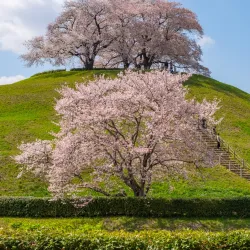
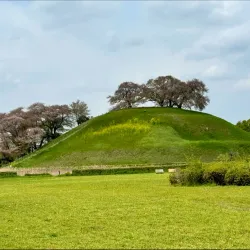
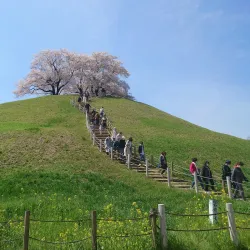
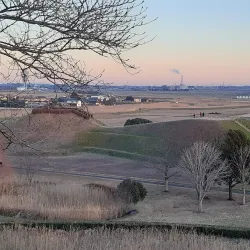
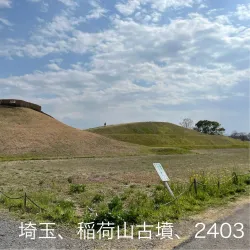
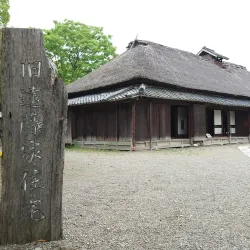
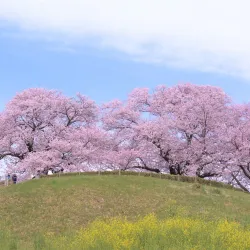
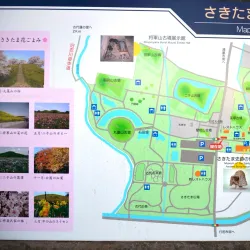
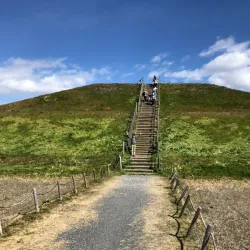
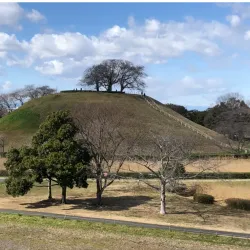
Kofun-no-Mori Park is a scenic park surrounding several ancient burial mounds, offering walking trails and picnic areas. It is a popular spot for both history buffs and nature lovers.
The park provides informative signage about the kofun and the area's archaeological significance.
Gyoda City Central Park


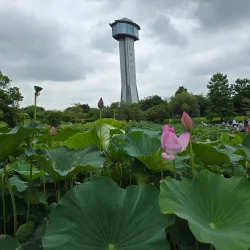

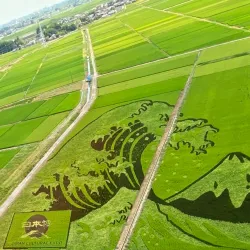
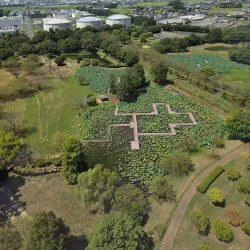
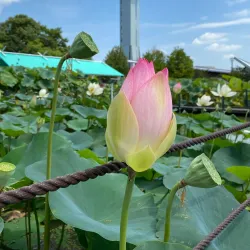

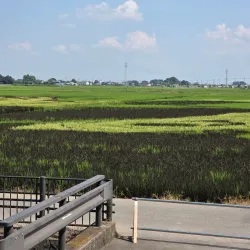

This large urban park in the heart of Gyoda offers recreational facilities, gardens, and open spaces for relaxation and community events.
It is a great place for families and visitors to enjoy outdoor activities and seasonal flower displays.
Kawagoe Festival Museum


While technically located in nearby Kawagoe, this museum is easily accessible from Gyoda and showcases the famous Kawagoe Festival, known for its elaborate floats and traditional performances.
The museum offers detailed exhibits on the festival's history, cultural significance, and the craftsmanship behind the floats.
Gyoda Local Craft Workshop

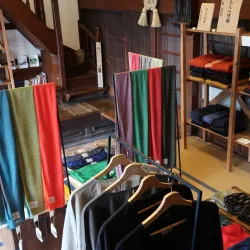
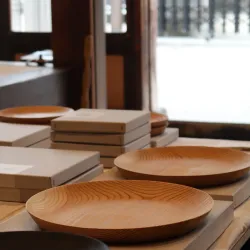

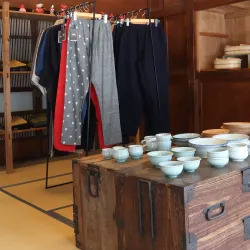


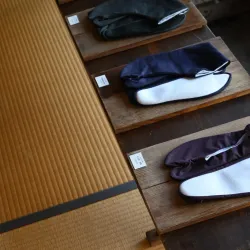

This workshop offers hands-on experiences in traditional crafts unique to Gyoda, such as pottery and weaving. Visitors can learn from local artisans and create their own souvenirs.
It is an excellent way to engage with the local culture and support traditional craftsmanship.