Things to do in Hachimantai
Hachimantai is a scenic city located in Iwate Prefecture, Japan, known for its stunning natural landscapes, volcanic plateaus, and abundant hot springs. It offers a perfect blend of outdoor activities and cultural experiences, making it a popular destination for nature lovers and those seeking relaxation.The city is part of the Towada-Hachimantai National Park, which features volcanic mountains, marshlands, and beautiful hiking trails. Visitors can explore various hot spring resorts, enjoy seasonal flower blooms, and experience traditional Japanese hospitality.Hachimantai Plateau

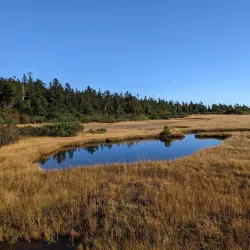

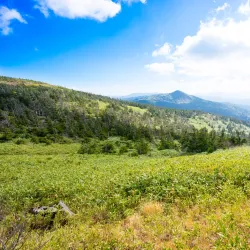
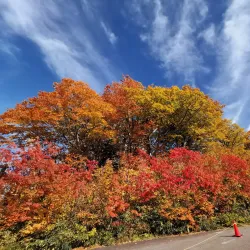
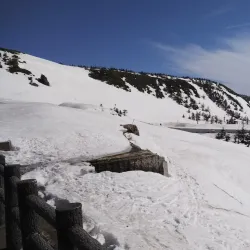


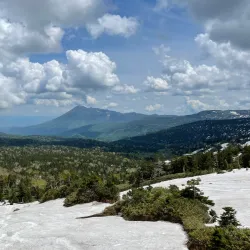
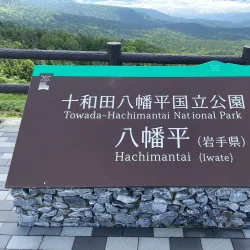
The Hachimantai Plateau is a volcanic plateau offering spectacular views of the surrounding mountains and valleys. It is a popular spot for hiking, photography, and enjoying the natural scenery throughout the year, especially during autumn when the foliage changes color.
The plateau is part of the Towada-Hachimantai National Park and features unique volcanic landscapes, including fumaroles and hot springs, making it a fascinating destination for nature enthusiasts.
Yumoto Hachimantai Onsen



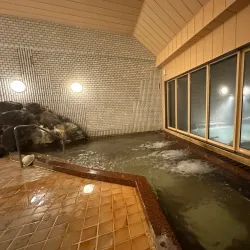
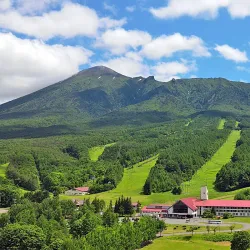
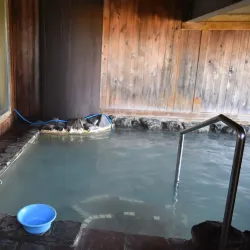




Yumoto Hachimantai Onsen is a renowned hot spring resort area known for its therapeutic waters and serene environment. Visitors can relax in traditional Japanese ryokan inns and public baths while enjoying views of the surrounding mountains.
The onsen waters are rich in minerals and are believed to have healing properties, attracting visitors seeking relaxation and wellness.
Hachimantai Aspite Line


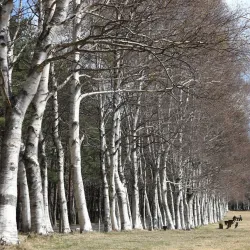
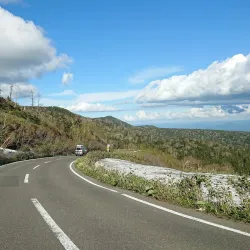
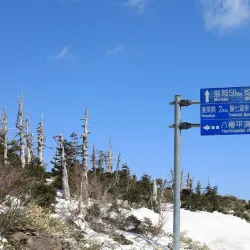
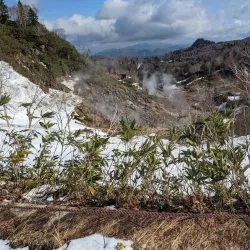
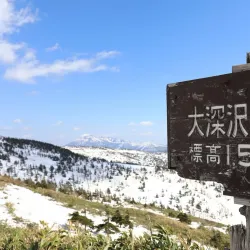
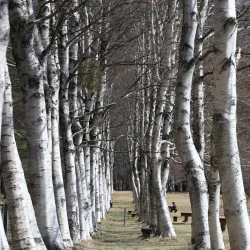

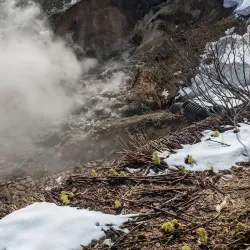
The Hachimantai Aspite Line is a scenic toll road that runs through the Hachimantai area, offering breathtaking views of the volcanic landscape, forests, and mountains. It is especially popular during the autumn foliage season and in early summer when alpine flowers bloom.
Driving or cycling along this route provides access to various hiking trails and viewpoints, making it a favorite for outdoor enthusiasts.
Hachimantai Ski Resort


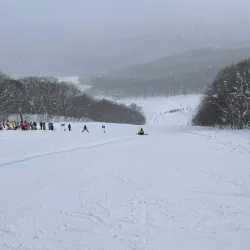
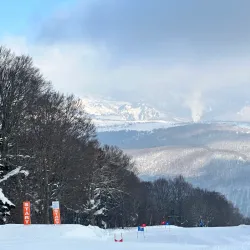
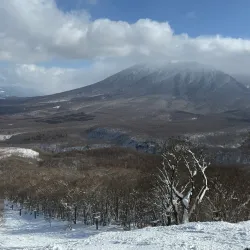

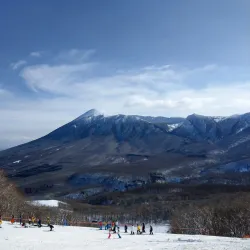

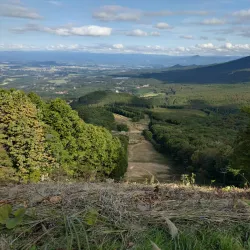

Hachimantai Ski Resort is a popular winter destination offering a variety of ski slopes suitable for beginners to advanced skiers. The resort features well-maintained facilities and beautiful snowy landscapes.
In addition to skiing, visitors can enjoy snowboarding and other winter sports, making it a vibrant spot during the winter season.
Hachimantai Nature Observation Center
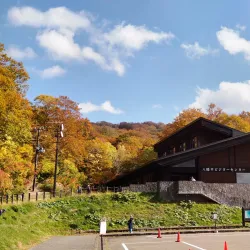
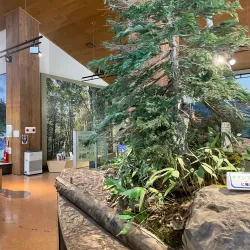
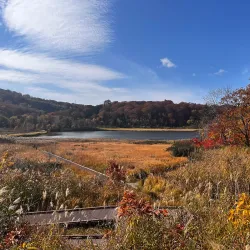
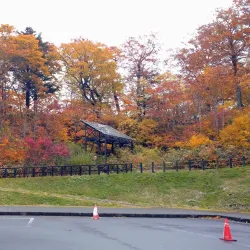
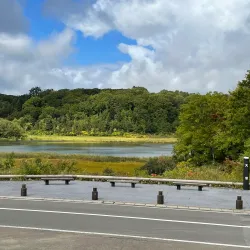

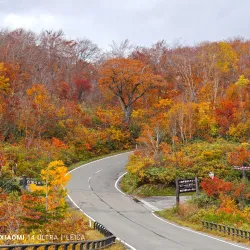
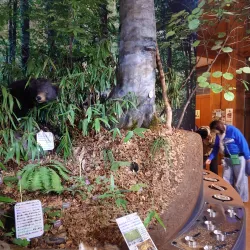

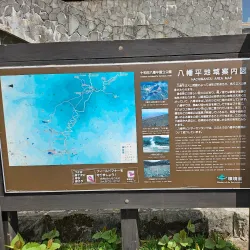
The Hachimantai Nature Observation Center provides educational exhibits about the local flora, fauna, and geology of the Hachimantai region. It is an excellent starting point for visitors interested in learning about the natural environment before exploring the area.
The center also offers guided tours and information on hiking routes and seasonal wildlife sightings.
Goshogake Onsen
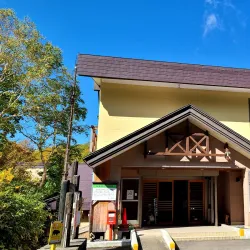
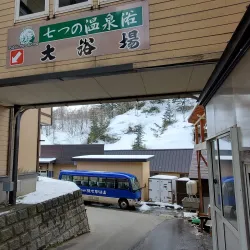

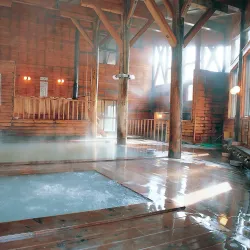
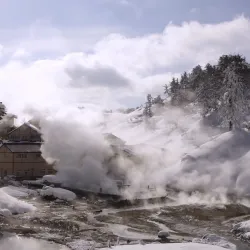
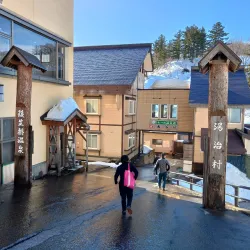
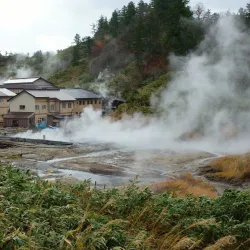
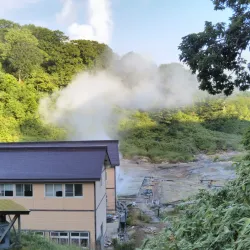
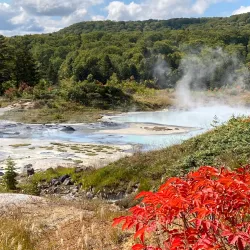
Goshogake Onsen is another hot spring area in Hachimantai known for its sulfur-rich waters and scenic surroundings. It is less crowded than some other onsen areas, providing a peaceful retreat for visitors.
The area features several ryokan and public baths where guests can enjoy the therapeutic benefits of the hot springs.
Hachimantai Art Museum

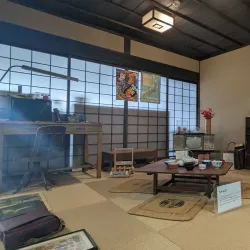

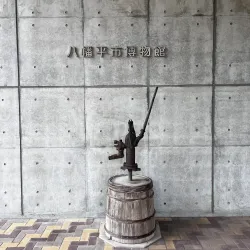

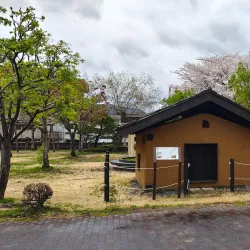
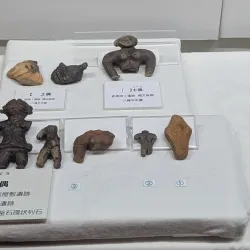


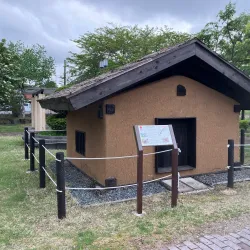
The Hachimantai Art Museum showcases contemporary and traditional Japanese art, including works inspired by the natural beauty of the region. It offers a cultural complement to the outdoor attractions of Hachimantai.
The museum hosts temporary exhibitions, workshops, and events that highlight local artists and cultural heritage.
Matsukawa Onsen
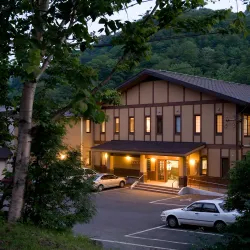
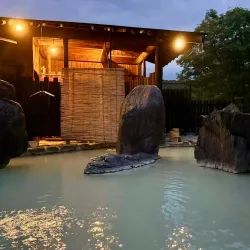



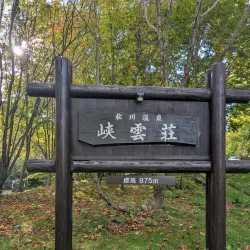
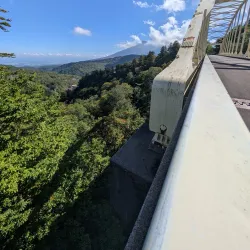
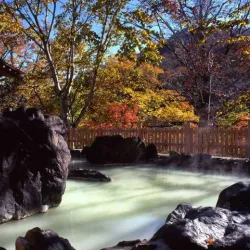
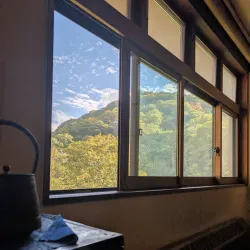
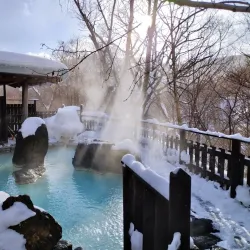
Matsukawa Onsen is a charming hot spring village known for its rustic atmosphere and healing waters. It is a great place to experience traditional Japanese onsen culture in a tranquil setting.
Visitors can enjoy outdoor baths with views of the surrounding forests and mountains, making it a perfect spot for relaxation.
Hachimantai Marshland
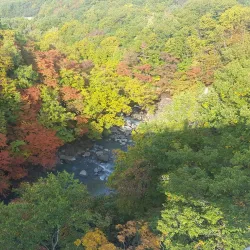
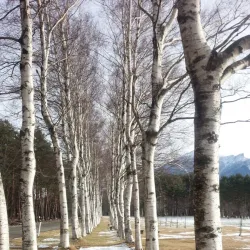
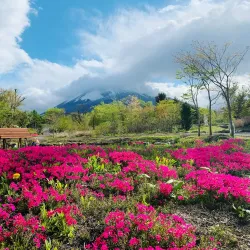
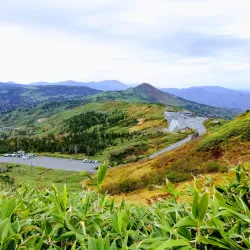
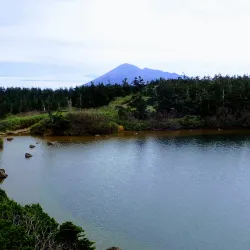


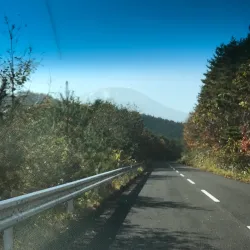

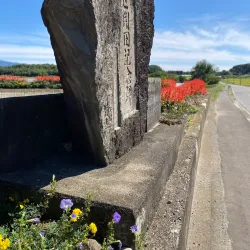
The Hachimantai Marshland is a unique wetland area within the Towada-Hachimantai National Park, known for its diverse plant species and birdlife. It is accessible via walking trails that allow visitors to explore the fragile ecosystem without disturbing it.
The marshland is particularly beautiful during the summer months when wildflowers bloom, attracting nature photographers and bird watchers.
Kozan Shrine
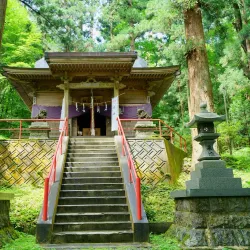
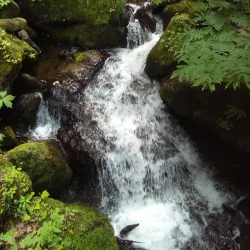
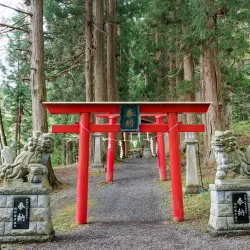
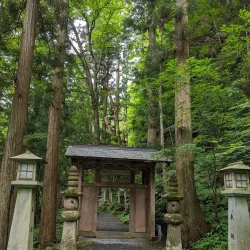
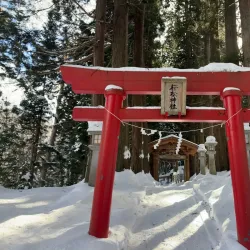
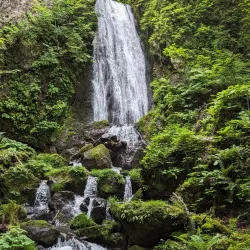
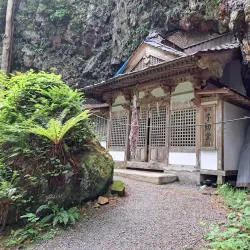
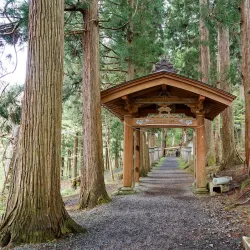
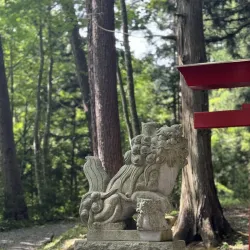
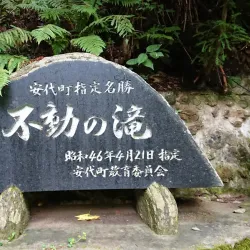
Kozan Shrine is a historic Shinto shrine located in Hachimantai, offering visitors a glimpse into the spiritual heritage of the region. The shrine is surrounded by natural beauty and is a peaceful place for reflection and cultural appreciation.
Seasonal festivals and traditional ceremonies are held at the shrine, providing cultural insights and community engagement opportunities.