Things to do in Kanazawa
Kanazawa, located in Ishikawa Prefecture on Japan's Honshu island, is renowned for its well-preserved Edo-era districts, traditional crafts, and stunning gardens. The city offers a rich cultural experience with its blend of historical sites, museums, and vibrant local markets.Visitors to Kanazawa can explore samurai and geisha districts, enjoy exquisite Japanese gardens, and immerse themselves in the city's artistic heritage, including gold leaf production and contemporary art.Kenrokuen Garden
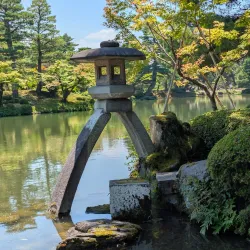
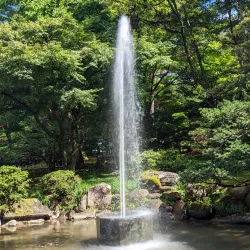
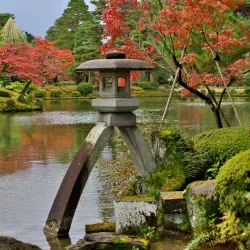
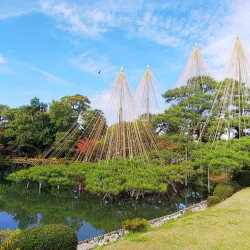
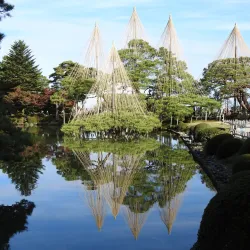
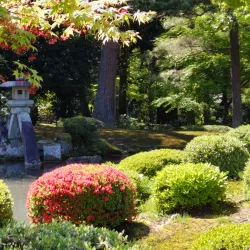
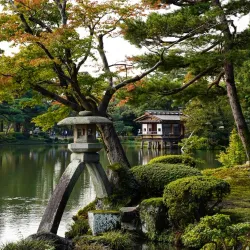
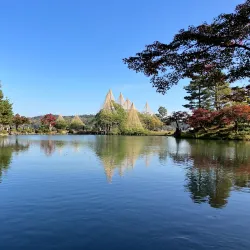
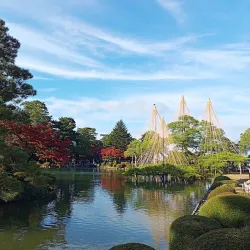
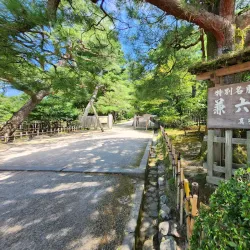
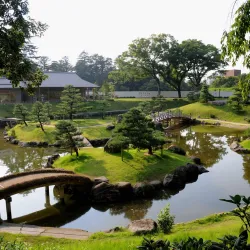
Kenrokuen Garden is one of Japan's Three Great Gardens, famous for its beauty throughout all seasons. It features ponds, streams, waterfalls, bridges, teahouses, trees, and flowers, creating a picturesque landscape that reflects traditional Japanese garden design.
Visitors can enjoy seasonal changes such as cherry blossoms in spring, lush greenery in summer, colorful foliage in autumn, and snow-covered scenery in winter.
Kanazawa Castle
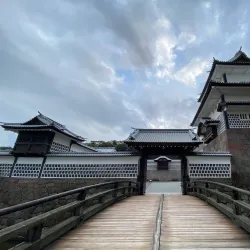
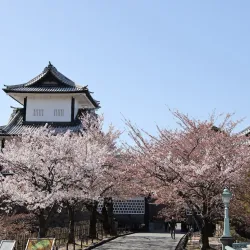
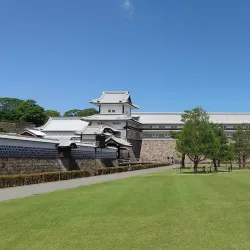
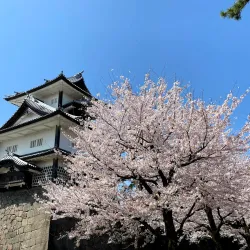
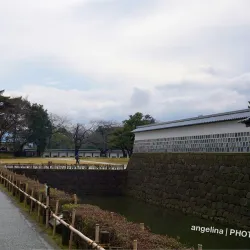
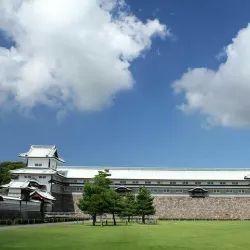
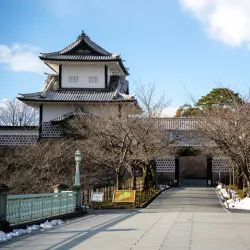
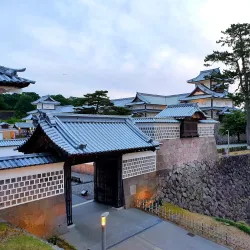
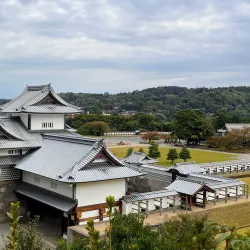
Kanazawa Castle, adjacent to Kenrokuen Garden, is a historic castle that was the seat of the Maeda Clan, rulers of the Kaga Domain. The castle grounds include reconstructed buildings, stone walls, and gates that showcase traditional Japanese architecture.
The castle park offers scenic walking paths and views of the city, making it a popular spot for history enthusiasts and photographers.
21st Century Museum of Contemporary Art
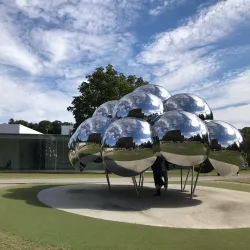

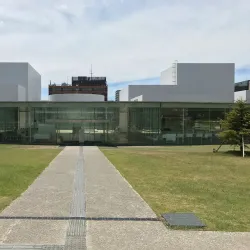

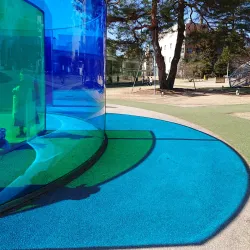
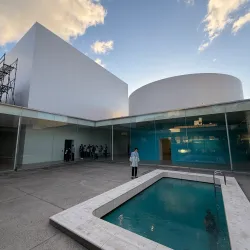
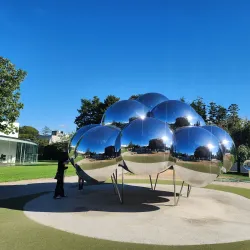
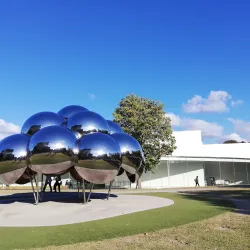
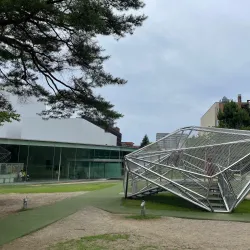
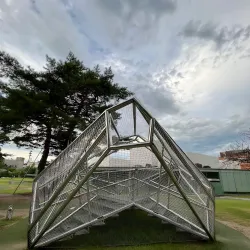
This museum is known for its innovative and interactive contemporary art exhibitions. The circular building design allows natural light to fill the galleries, enhancing the visitor experience.
The museum features works by both Japanese and international artists, making it a cultural highlight for art lovers visiting Kanazawa.
Higashi Chaya District
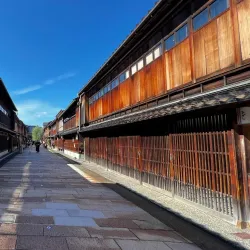
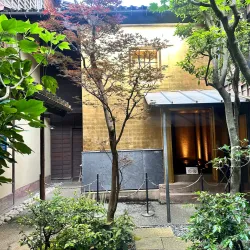
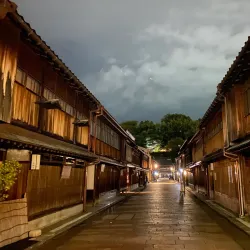
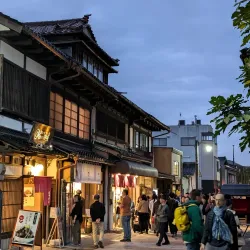
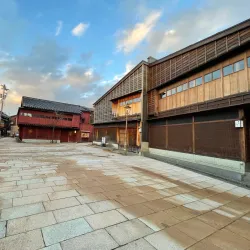
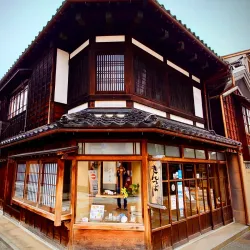
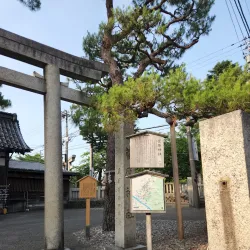
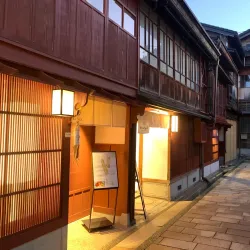
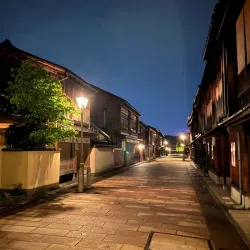
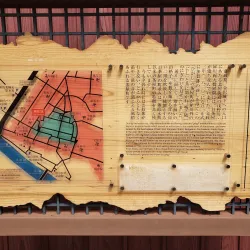
Higashi Chaya is one of Kanazawa's historic geisha districts, characterized by traditional wooden teahouses and narrow streets. Visitors can explore shops selling local crafts and enjoy performances or tea ceremonies.
The district offers a glimpse into the city's cultural past and is a great place to experience traditional Japanese hospitality.
Nagamachi Samurai District
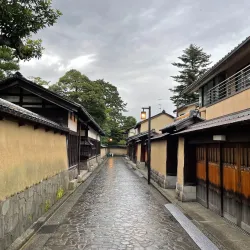

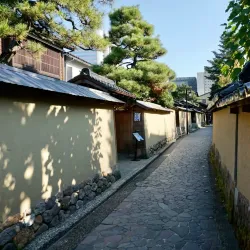
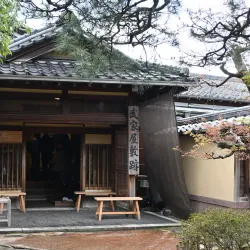
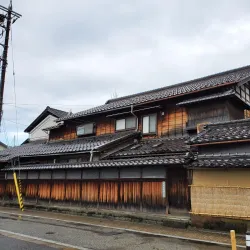
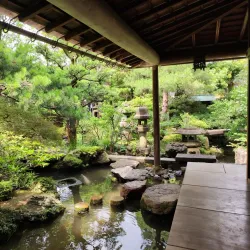
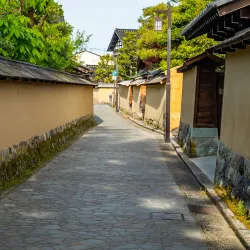
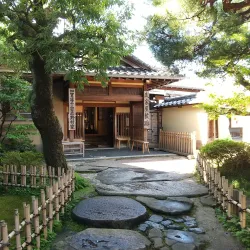
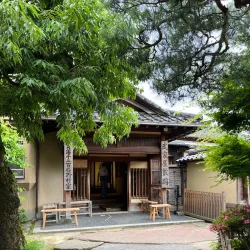
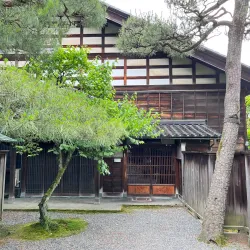
Nagamachi is a preserved samurai neighborhood where visitors can walk through narrow lanes lined with earthen walls and traditional residences. Some houses are open to the public as museums, showcasing samurai lifestyle and artifacts.
This district provides insight into the social structure and architecture of the Edo period in Japan.
Omicho Market
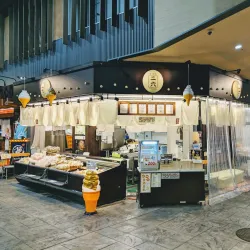



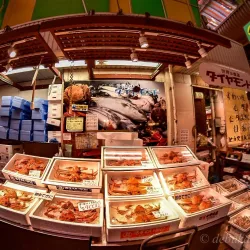





Omicho Market is Kanazawa's bustling fresh food market, known for its seafood, produce, and local delicacies. It has been serving the city since the Edo period and remains a lively spot for both locals and tourists.
Visitors can sample fresh sushi, buy regional specialties, and experience the vibrant atmosphere of a traditional Japanese market.
D.T. Suzuki Museum
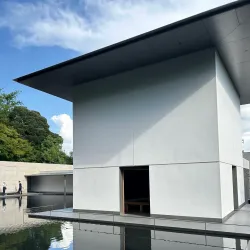
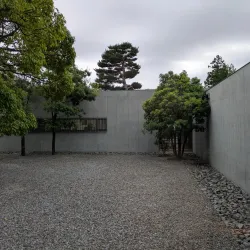
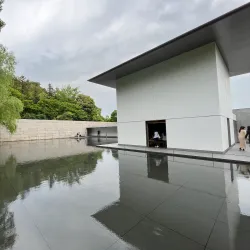


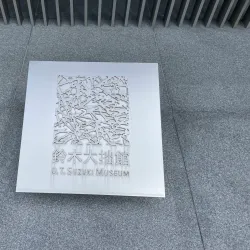

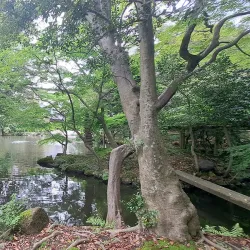
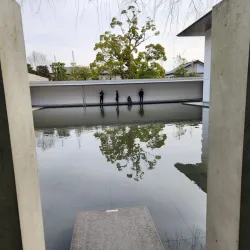
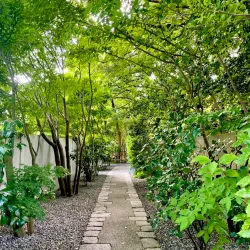
This museum is dedicated to Daisetz Teitaro Suzuki, a prominent Buddhist philosopher who helped introduce Zen Buddhism to the West. The museum's minimalist design and tranquil gardens reflect Zen principles.
Exhibits include Suzuki's writings, photographs, and personal effects, offering a contemplative space for visitors interested in philosophy and spirituality.
Myoryuji Temple (Ninja Temple)
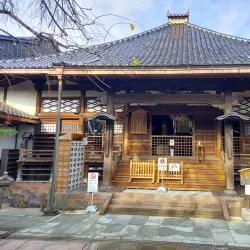
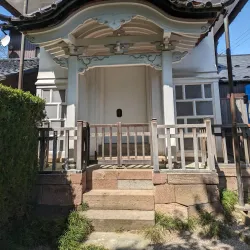
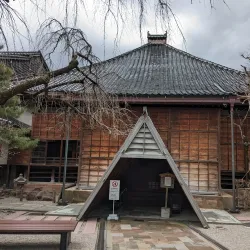
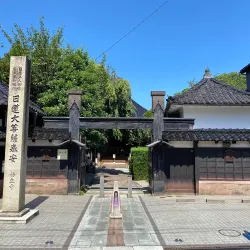
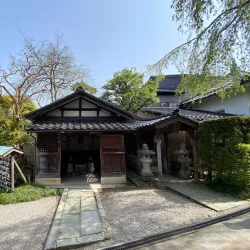
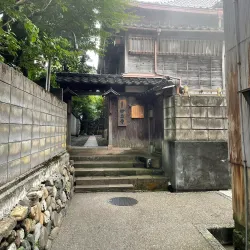
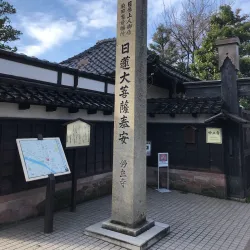
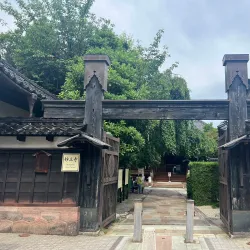
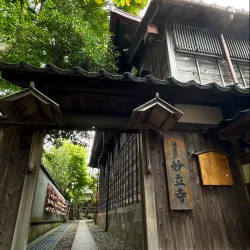
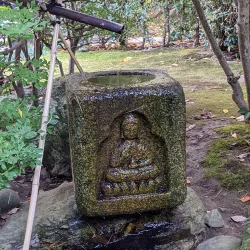
Known as the Ninja Temple, Myoryuji is famous for its deceptive defenses, hidden rooms, secret tunnels, and traps designed to thwart attackers. Guided tours explain the temple's unique features and history.
The temple provides an intriguing look at the ingenuity of samurai-era architecture and security measures.
Seisonkaku Villa
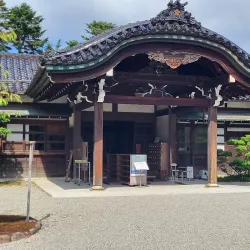
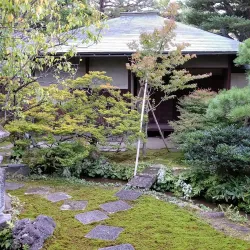
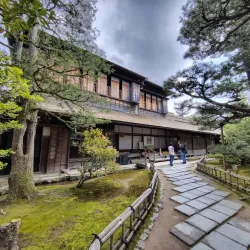
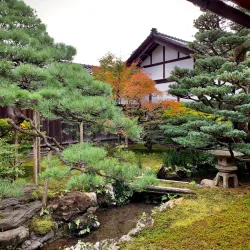
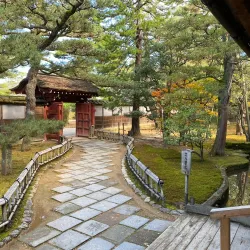
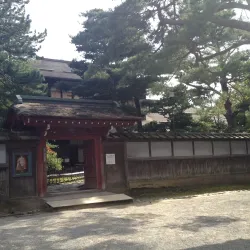
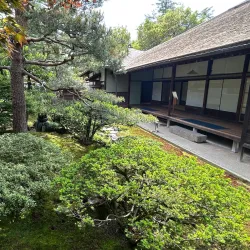
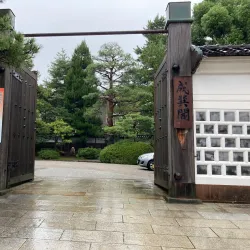
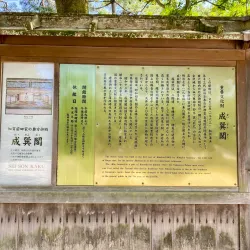
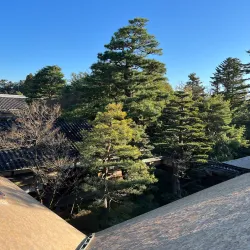
Seisonkaku Villa is a historic samurai residence built in 1863, known for its beautiful architecture, traditional gardens, and exquisite interior decorations including painted sliding doors and tatami rooms.
The villa offers insight into the lifestyle of the Maeda family and the aesthetics of the late Edo period.
Kanazawa Yasue Gold Leaf Museum


This museum showcases the history and craft of gold leaf production, a traditional art form for which Kanazawa is famous. Visitors can learn about the techniques and see intricate gold leaf artworks.
The museum also offers hands-on experiences where visitors can try applying gold leaf themselves.