Things to do in Mito
Mito, the capital city of Ibaraki Prefecture in Japan, is renowned for its rich history, cultural heritage, and beautiful natural landscapes. The city is famous for Kairakuen Garden, one of Japan's three great gardens, which attracts visitors with its plum blossoms and serene atmosphere.Mito offers a blend of traditional and modern experiences, from historic sites and museums to vibrant local festivals. The city is also known for its connection to the Tokugawa family and its role in Japanese history during the Edo period.Kairakuen Garden
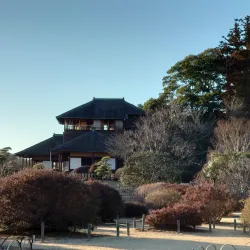
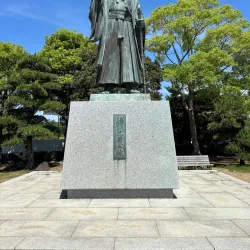
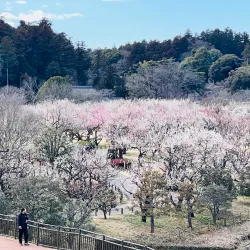
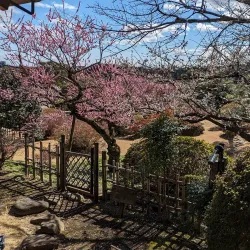
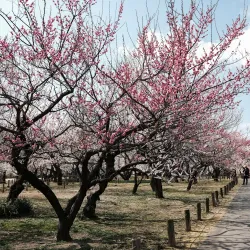
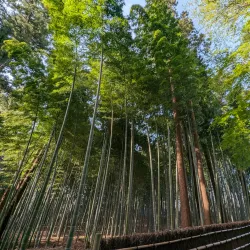
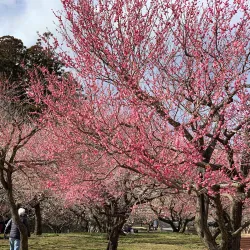
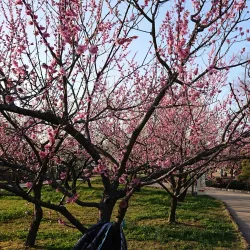
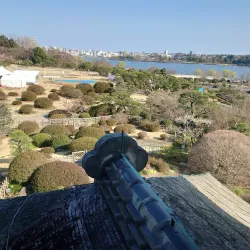
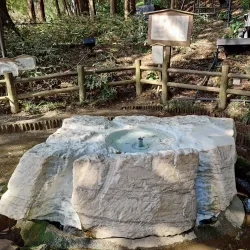
Kairakuen Garden is one of Japan's three most celebrated gardens, famous for its plum trees that bloom spectacularly in early spring. The garden was originally built in 1842 by Tokugawa Nariaki, the ninth lord of the Mito domain, as a place for the public to enjoy nature.
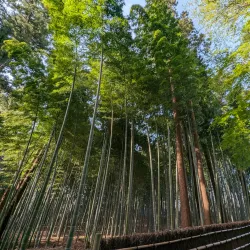
The garden features a variety of plum trees, a bamboo grove, a traditional tea house, and a museum showcasing local history and art. It is especially popular during the Plum Blossom Festival.
Tokugawa Museum
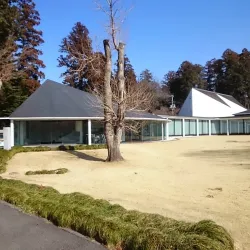
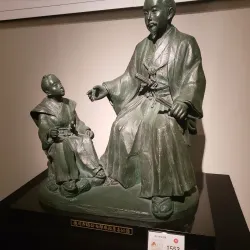

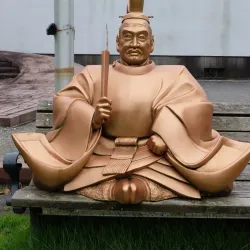
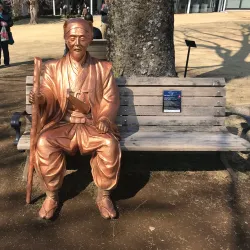
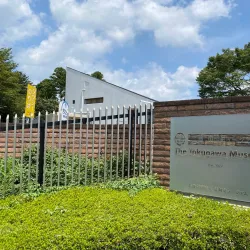

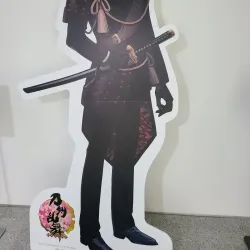

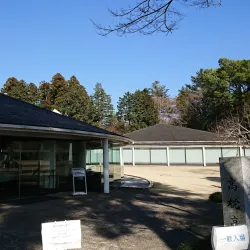
The Tokugawa Museum houses a collection of artifacts related to the Tokugawa family, who ruled Japan during the Edo period. The museum exhibits samurai armor, swords, calligraphy, and other historical items that provide insight into the life and culture of the samurai era.
It is an important cultural site that helps visitors understand the historical significance of the Tokugawa clan in Mito and Japan as a whole.
Art Tower Mito

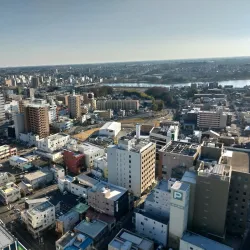

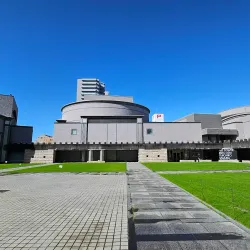
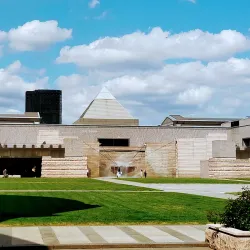

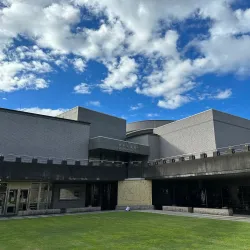
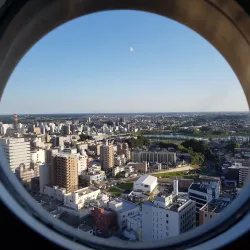
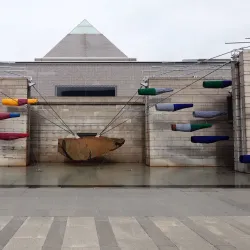

Art Tower Mito is a cultural complex that includes a concert hall, theater, and contemporary art gallery. It is a hub for performing arts and exhibitions, hosting a variety of events ranging from classical music concerts to avant-garde performances.
The architecture of the building itself is notable, and it serves as a vibrant center for arts and culture in Mito.
Mito Castle Ruins
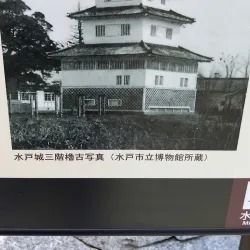
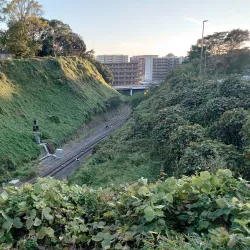
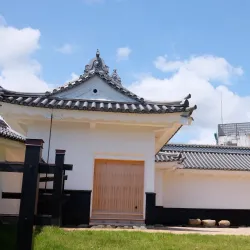

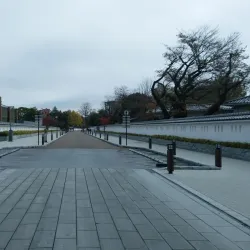
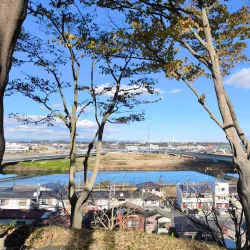
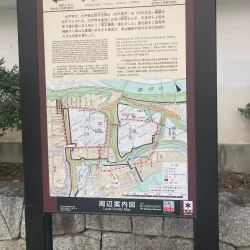
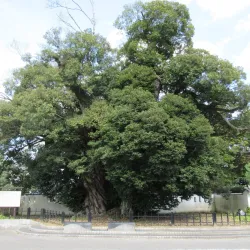
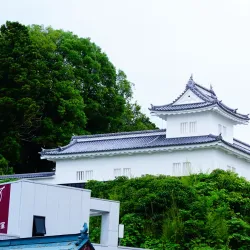
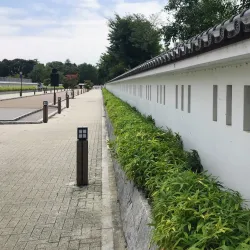
The ruins of Mito Castle, once the seat of the Mito branch of the Tokugawa family, are located in the city center. While much of the original castle has been lost, the site includes reconstructed gates and walls, as well as a park that offers a peaceful place for a stroll.
The castle grounds are historically significant and provide a glimpse into the feudal past of Mito.
Kodokan
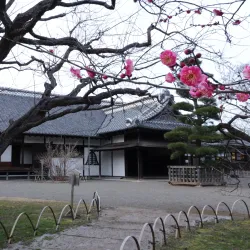

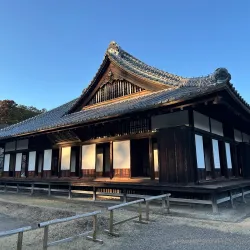
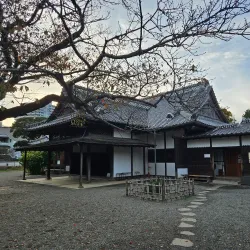
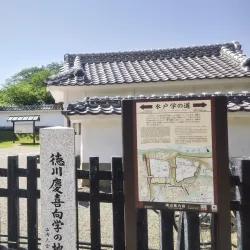
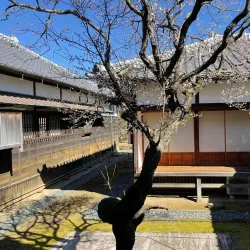
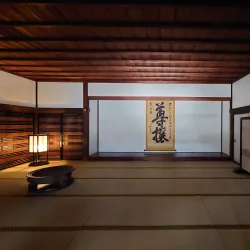
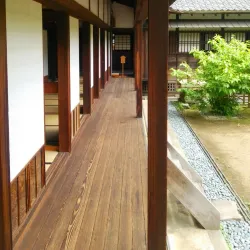
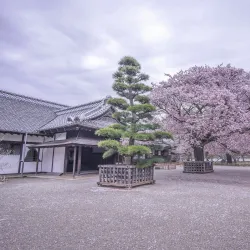
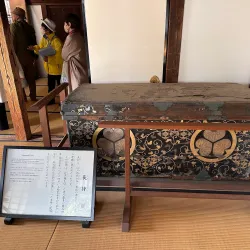
Kodokan is a historic school founded by Tokugawa Nariaki in 1841, known as one of the oldest educational institutions in Japan. It played a key role in the education of samurai and the promotion of Confucian studies.
Today, the site includes a museum and preserved buildings that highlight the educational and cultural history of the Edo period.
Senba Lake Park
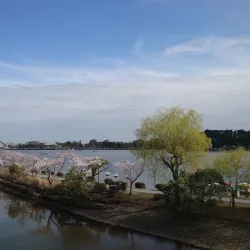
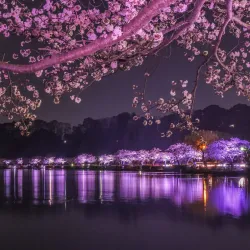
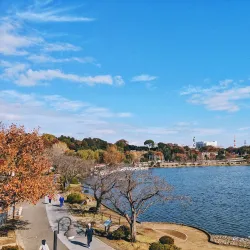

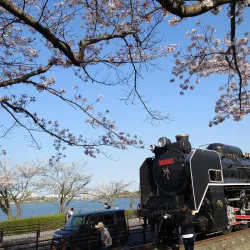
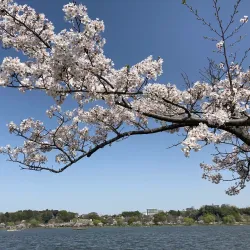

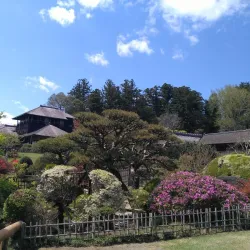

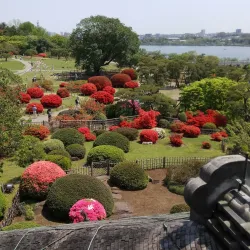
Senba Lake Park is a scenic urban park centered around a large lake, offering walking paths, boating, and seasonal flower displays. It is a popular spot for relaxation and outdoor activities among locals and visitors alike.
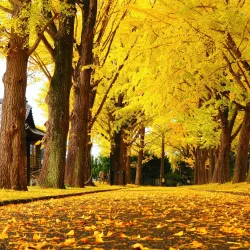
The park is especially beautiful during cherry blossom season and autumn foliage.
Ibaraki Prefectural Museum of History
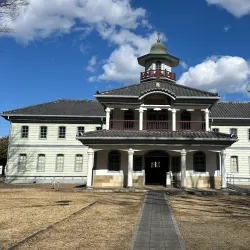
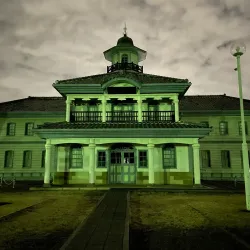
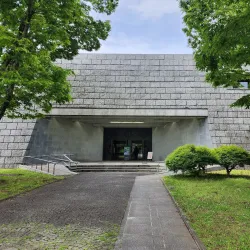
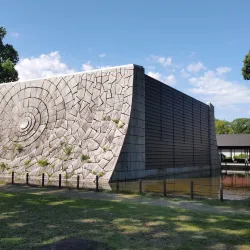
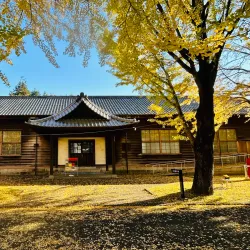


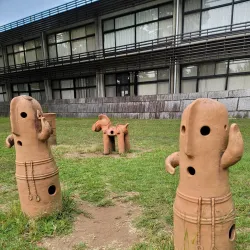
This museum showcases the history and culture of Ibaraki Prefecture, including archaeological finds, folk crafts, and historical documents. It provides a comprehensive overview of the region's development from ancient times to the modern era.
The museum is educational and family-friendly, with exhibits that engage visitors of all ages.
Mito City Museum of Literature
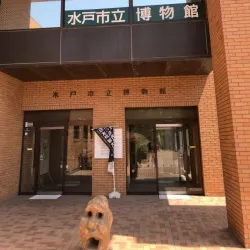
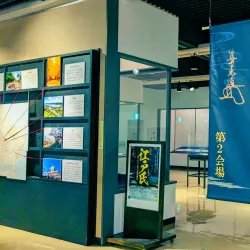
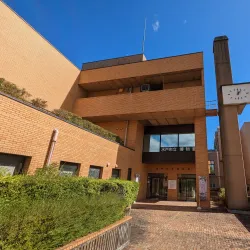
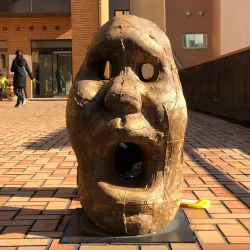
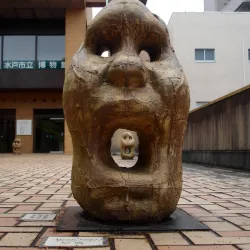
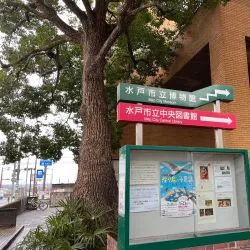
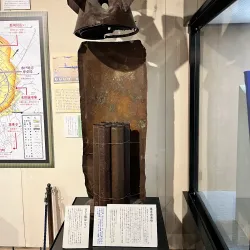
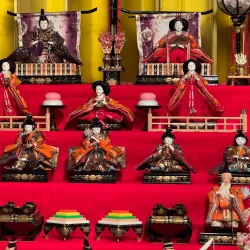
Dedicated to literary works and authors associated with Mito, this museum offers exhibits on local writers and their contributions to Japanese literature. It also hosts literary events and readings.
The museum is a cultural gem for literature enthusiasts and those interested in the city's artistic heritage.
Tokiwa Shrine
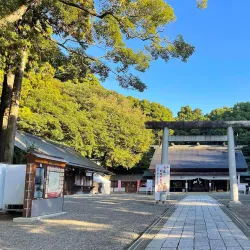
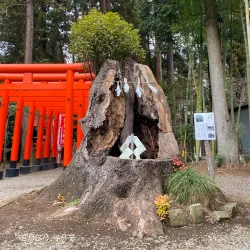
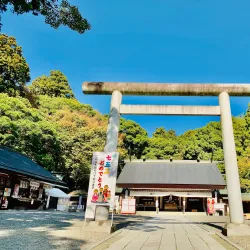
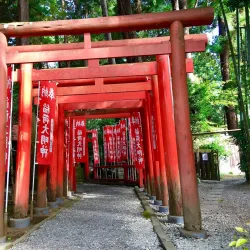
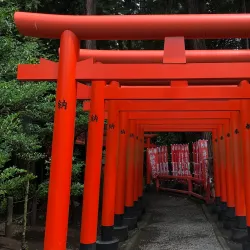
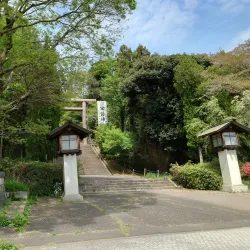
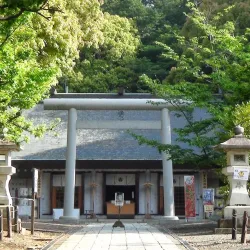
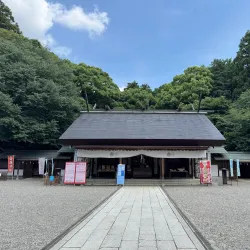
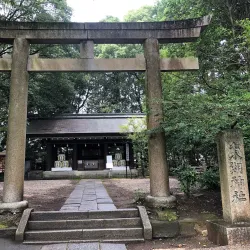
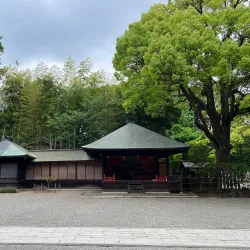
Tokiwa Shrine is a Shinto shrine located in Mito, known for its peaceful atmosphere and traditional architecture. It is a place of worship and cultural significance, often visited during festivals and special ceremonies.
The shrine grounds are beautifully maintained and provide a serene environment for visitors.
Mito Plum Blossom Festival
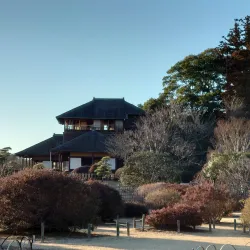
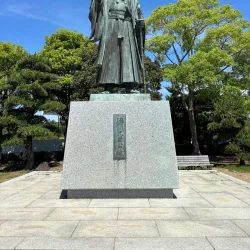
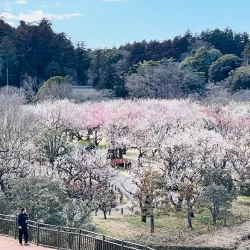
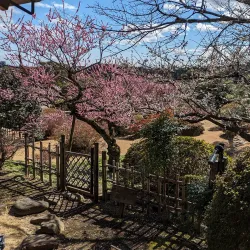
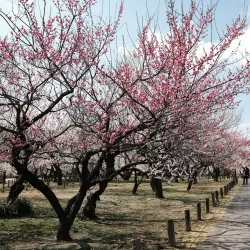
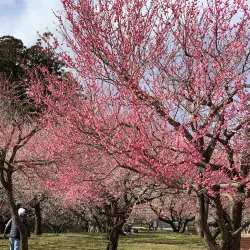
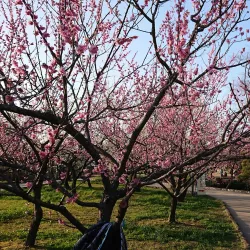
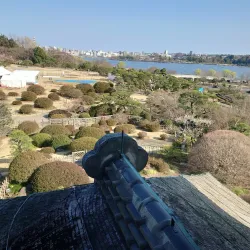
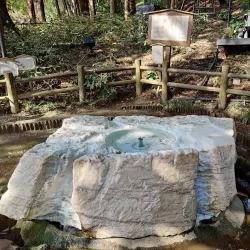
Held annually in Kairakuen Garden, the Mito Plum Blossom Festival celebrates the blooming of thousands of plum trees. The festival features traditional music, food stalls, and cultural performances, attracting visitors from across Japan.
It is one of the city's most famous events, highlighting the natural beauty and cultural vibrancy of Mito.