Things to do in Okinawa
Okinawa, a prefecture of Japan, is renowned for its beautiful beaches, vibrant culture, and historical significance. Located in the southernmost part of Japan, Okinawa offers a unique blend of traditional Ryukyu culture and modern attractions.The islands of Okinawa are famous for their crystal-clear waters, coral reefs, and subtropical climate, making it a popular destination for beach lovers and divers. Additionally, Okinawa's rich history, including its role in World War II and its distinct cultural heritage, provides visitors with a diverse range of experiences.Shurijo Castle
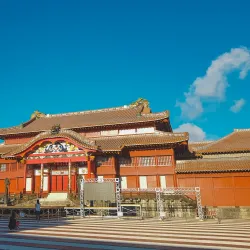
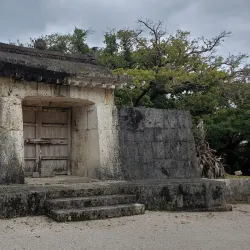
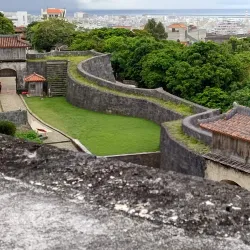
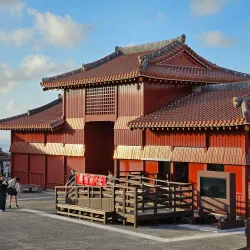
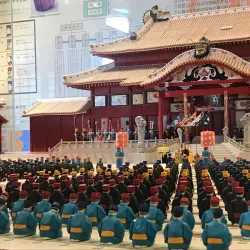
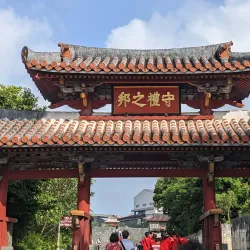
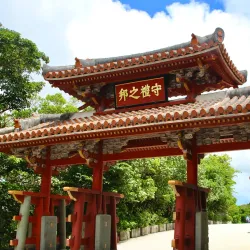
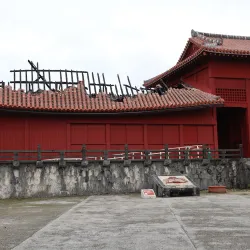
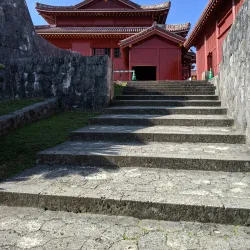
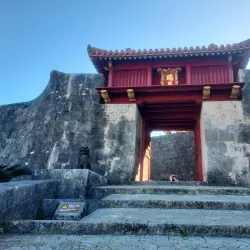
Shurijo Castle is a UNESCO World Heritage Site and was the palace of the Ryukyu Kingdom. It is an iconic symbol of Okinawa's history and culture, showcasing traditional Ryukyuan architecture and beautiful gardens.
Although the castle suffered damage from a fire in 2019, restoration efforts are ongoing, and it remains a significant cultural landmark and popular tourist destination.
Churaumi Aquarium

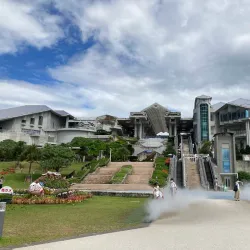
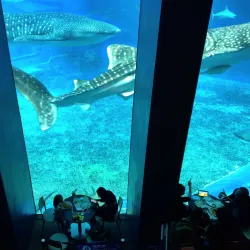
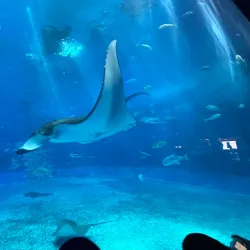
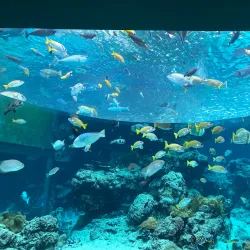
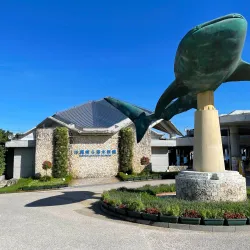
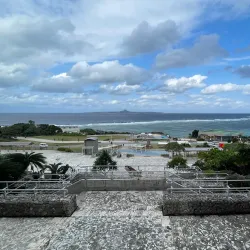
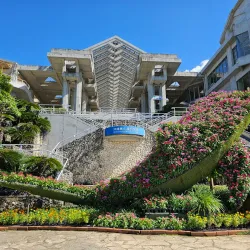
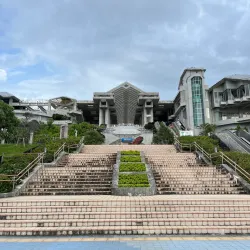
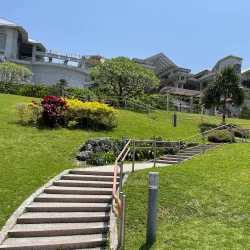
One of the largest aquariums in the world, the Okinawa Churaumi Aquarium features a massive tank called the Kuroshio Sea, home to whale sharks, manta rays, and a variety of marine life native to the region.
The aquarium also offers interactive exhibits and educational programs about Okinawa's marine ecosystem and conservation efforts.
Cape Manzamo
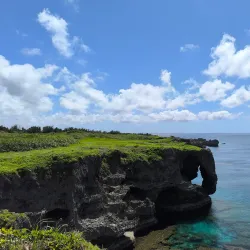
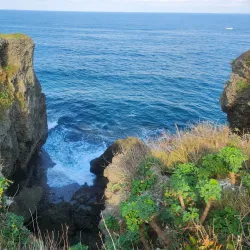
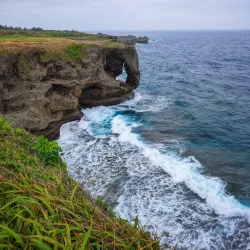
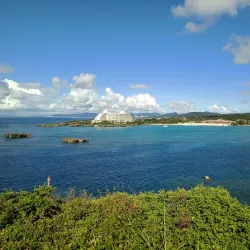
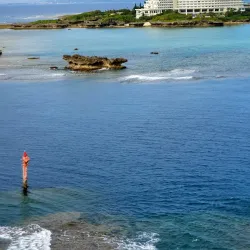
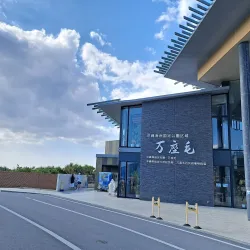
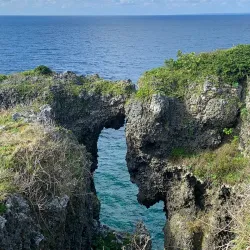
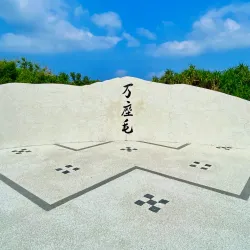
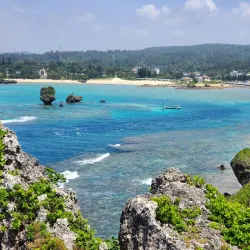
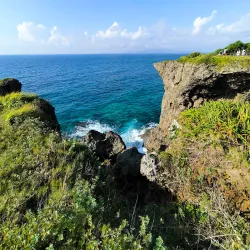
Cape Manzamo is a scenic cliff on the western coast of Okinawa Island, known for its elephant trunk-shaped rock formation and stunning ocean views.
It is a popular spot for photography, picnics, and enjoying the sunset over the East China Sea.
Kokusai Street (Kokusai Dori)
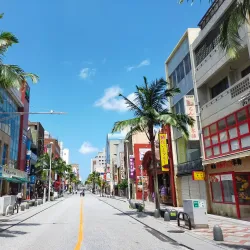

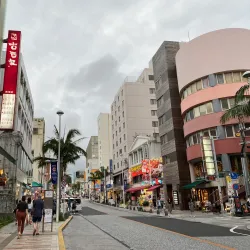
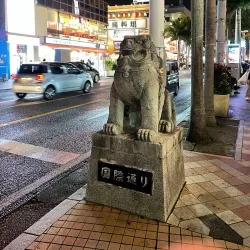
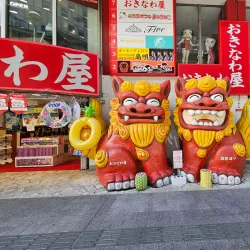

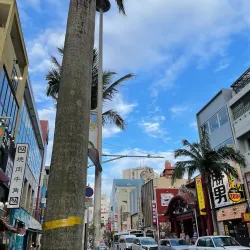
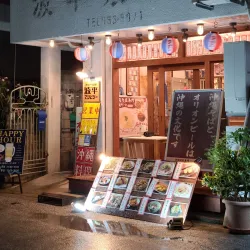
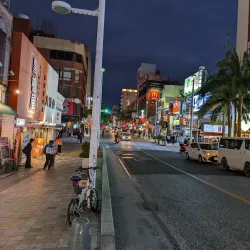
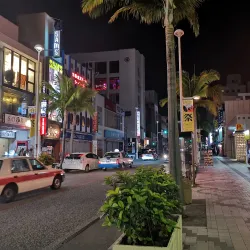
Kokusai Street is the main shopping and entertainment street in Naha, Okinawa's capital city. It is lined with shops, restaurants, bars, and markets offering local crafts, souvenirs, and Okinawan cuisine.
The street is lively both day and night, providing visitors with a taste of Okinawa's urban culture and nightlife.
Okinawa World
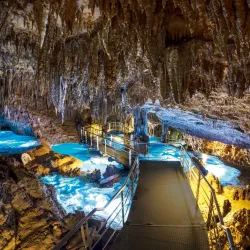
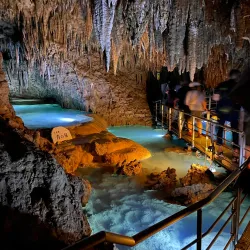
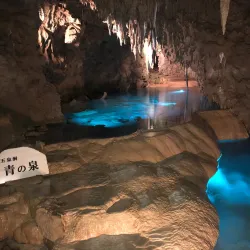
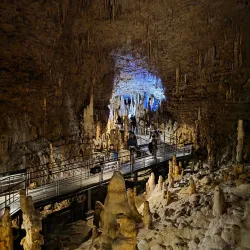
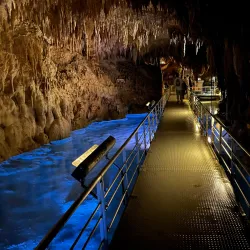
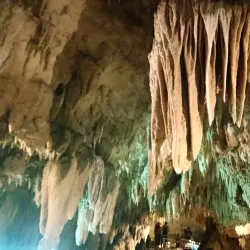
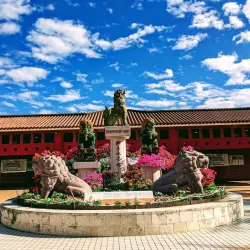
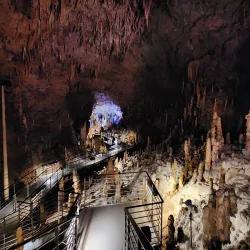
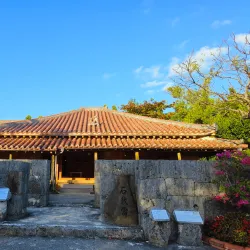
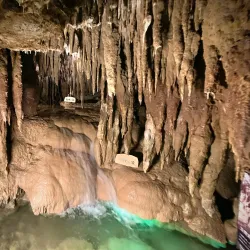
Okinawa World is a theme park that showcases Okinawan culture, crafts, and natural wonders. It features the Gyokusendo Cave, one of Japan's longest limestone caves, with impressive stalactites and stalagmites.
Visitors can also experience traditional Ryukyu dance performances, craft workshops, and sample local foods.
Nakijin Castle Ruins
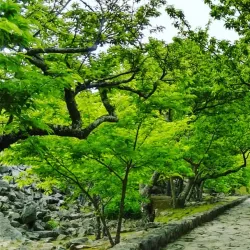
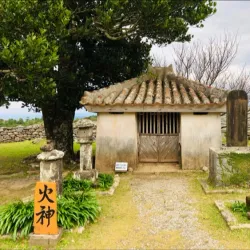
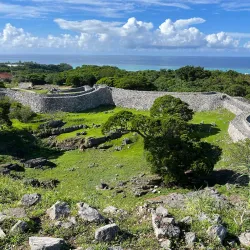
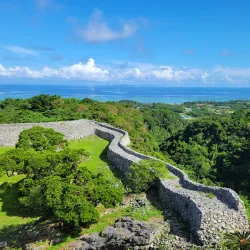
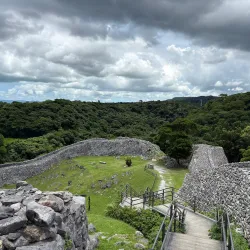
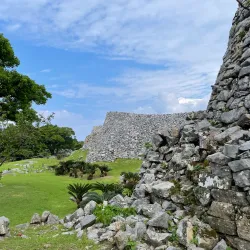
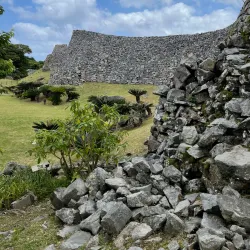
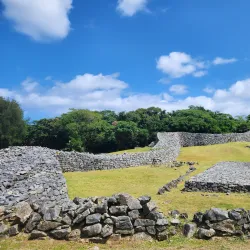
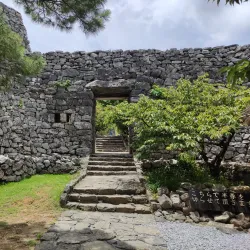
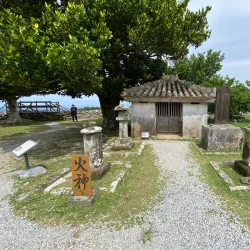
Nakijin Castle Ruins are the remains of a 14th-century Ryukyu fortress located in northern Okinawa Island. The site offers panoramic views of the surrounding landscape and the East China Sea.
It is a designated UNESCO World Heritage Site and a popular spot for cherry blossom viewing in early spring.
Sefa Utaki
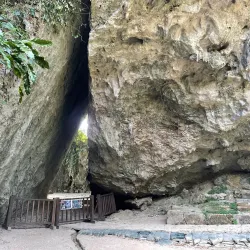
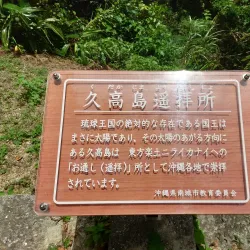
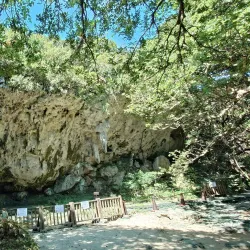
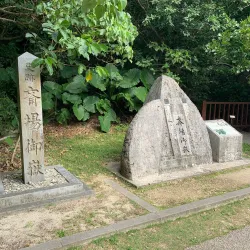
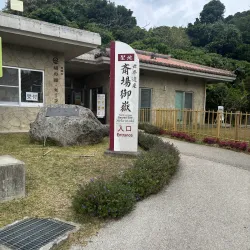
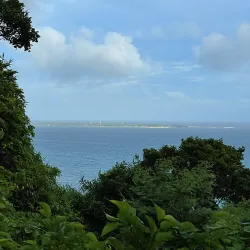
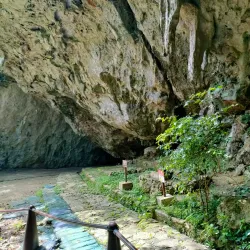
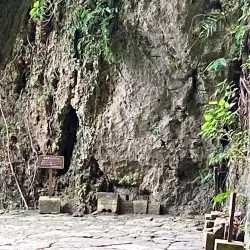
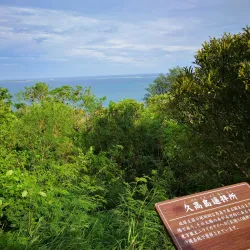
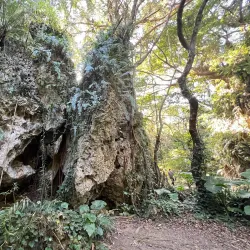
Sefa Utaki is a sacred site of the Ryukyu Kingdom and one of Okinawa's most important spiritual locations. It consists of natural rock formations and ancient stone altars used for religious ceremonies.
The site is recognized as a UNESCO World Heritage Site and offers insight into Okinawa's indigenous beliefs and traditions.
Zamami Island
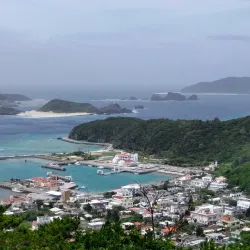
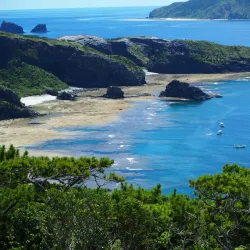
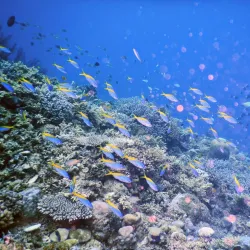
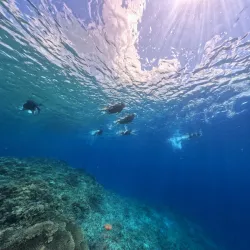
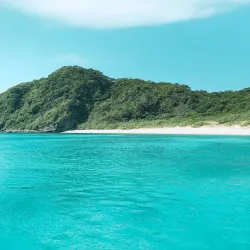
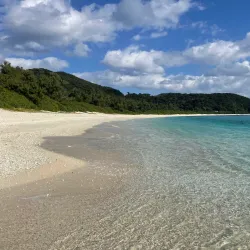
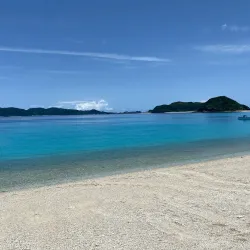
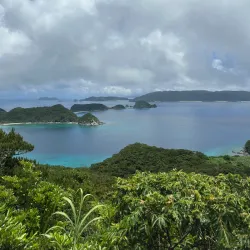
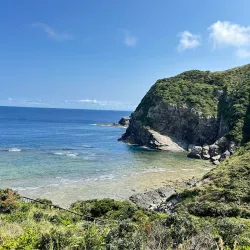
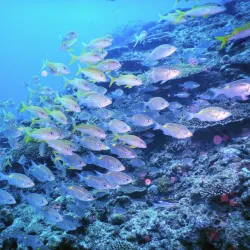
Zamami Island is part of the Kerama Islands, known for its pristine beaches, clear blue waters, and excellent snorkeling and diving opportunities.
The island is a peaceful retreat from the busier main island and is ideal for nature lovers and those seeking tranquility.
Peace Memorial Park
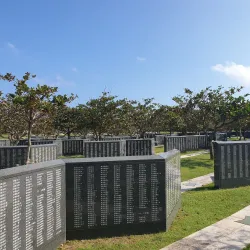
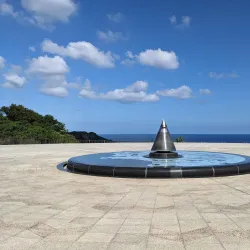
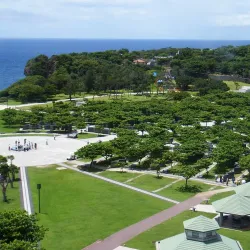
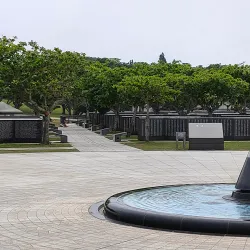
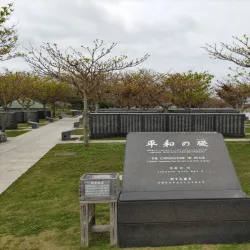
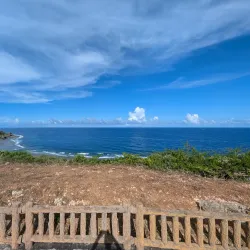
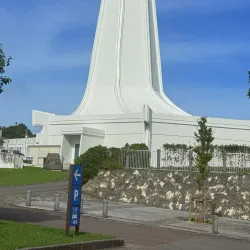
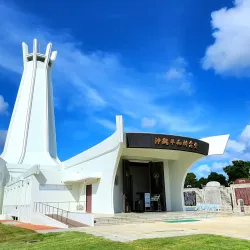
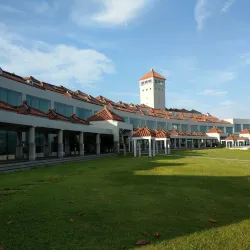
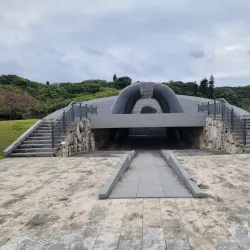
Peace Memorial Park is dedicated to the Battle of Okinawa during World War II and honors the lives lost during the conflict. The park includes monuments, a museum, and memorial halls.
It serves as a place for reflection and education about the impact of war and the importance of peace.
Tamaudun Mausoleum
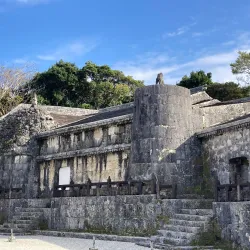
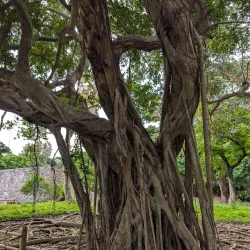
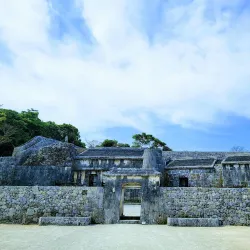
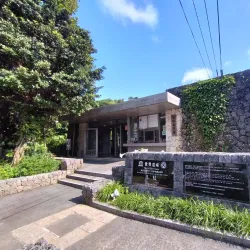
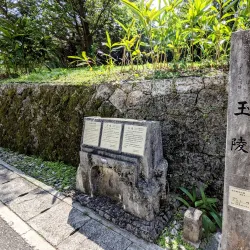
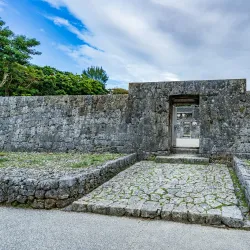
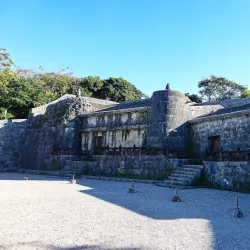
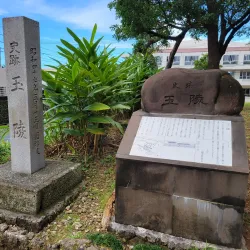
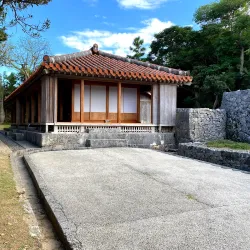
Tamaudun is a royal mausoleum of the Ryukyu Kingdom located near Shurijo Castle. It is an important cultural site where members of the royal family were entombed.
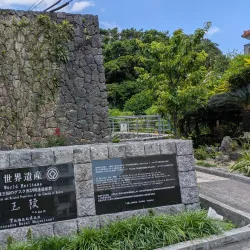
The mausoleum is a UNESCO World Heritage Site and offers visitors a glimpse into the funerary customs of the Ryukyu Kingdom.