Things to do in 'al'al
Al'al is a town in Jordan known for its rich history and cultural heritage. It offers visitors a glimpse into traditional Jordanian life and access to nearby natural and historical sites.The town is a gateway to exploring the diverse landscapes and archaeological treasures of the region, making it an interesting destination for travelers interested in history, culture, and nature.Ajloun Castle

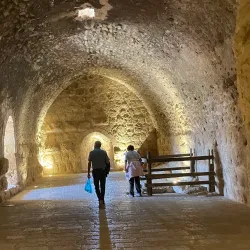
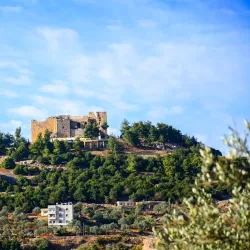
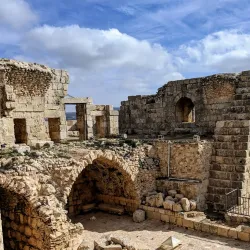
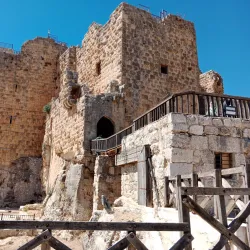
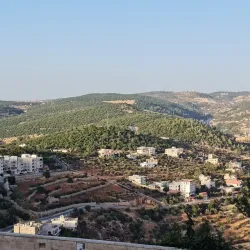
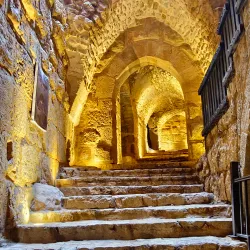
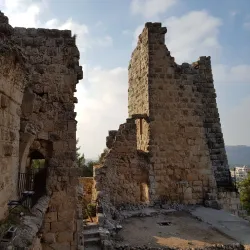
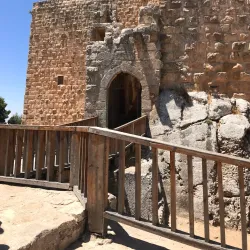
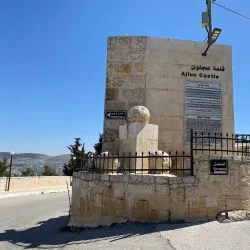
Ajloun Castle is a 12th-century Muslim castle situated on a hilltop, offering panoramic views of the surrounding countryside. It was built to protect the region from Crusader invasions and is a fine example of Islamic military architecture.
Visitors can explore the castle's towers, battlements, and historical exhibits that detail its strategic importance and the history of the area.
Ajloun Forest Reserve
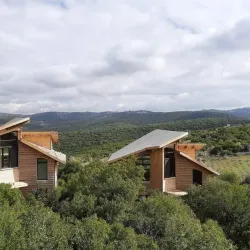
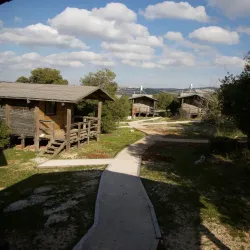
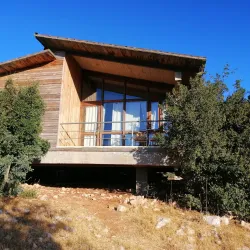
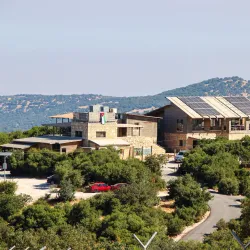
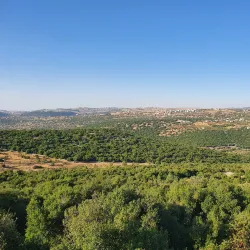
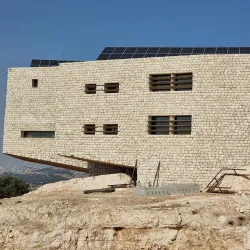
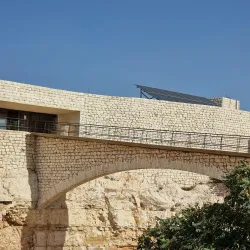
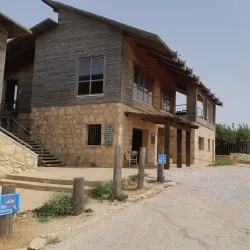
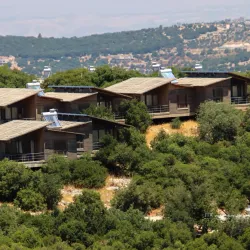
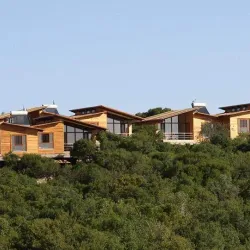
This nature reserve is known for its lush oak woodlands and diverse wildlife. It provides hiking trails and picnic areas, making it a popular spot for nature lovers and families.
The reserve plays an important role in conservation and offers visitors a chance to experience Jordan's natural environment away from urban centers.
Tell Mar Elias
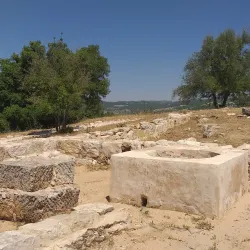
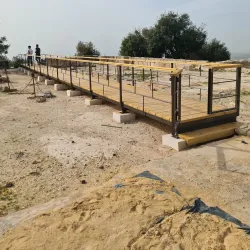
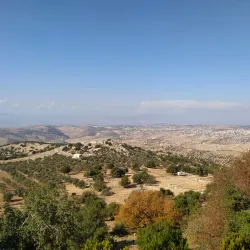
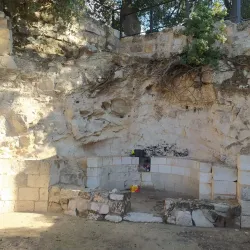
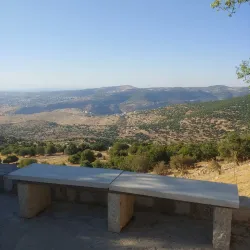
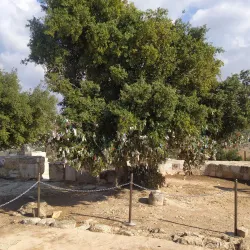
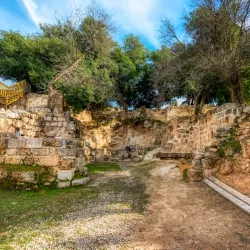
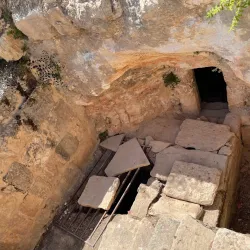
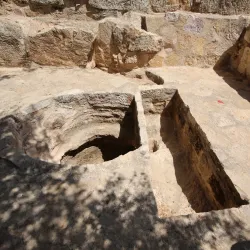
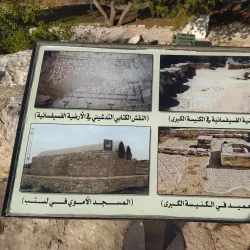
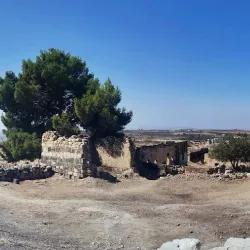
Tell Mar Elias is an archaeological site believed to be the birthplace of the prophet Elijah. The site contains ruins from various periods, including Byzantine churches and ancient settlements.
It is a place of religious and historical significance, attracting visitors interested in biblical history and archaeology.
Al'al Traditional Market
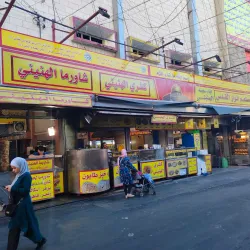

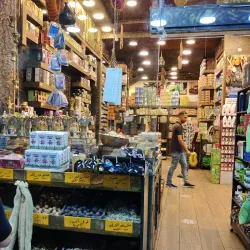
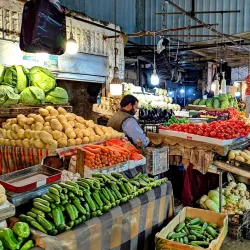
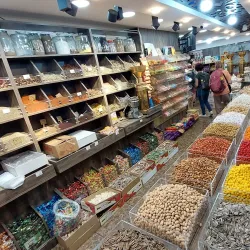
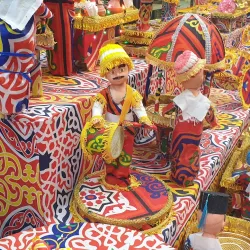
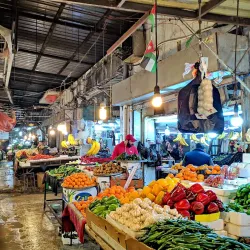
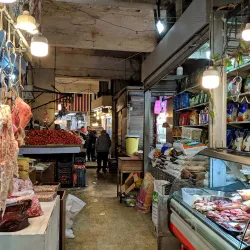
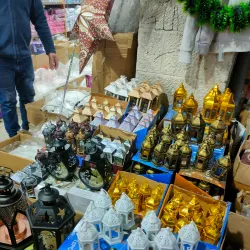

The traditional market in Al'al offers a vibrant atmosphere where visitors can experience local culture, buy handicrafts, and taste traditional Jordanian foods.
It is an excellent place to interact with locals and learn about the daily life and customs of the town.
Umm Qais
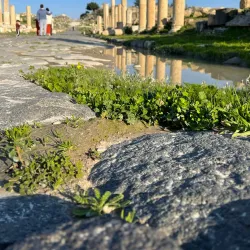
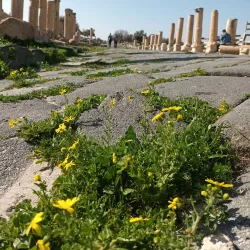
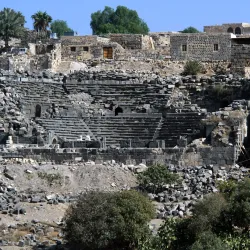
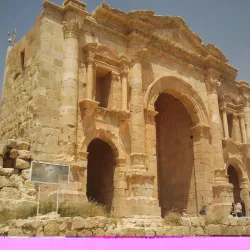
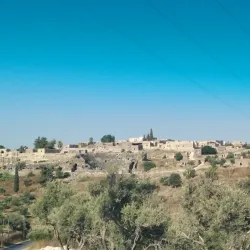
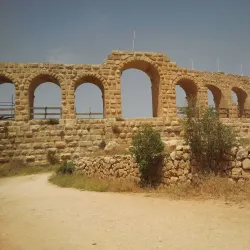
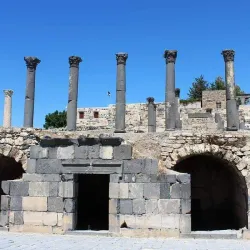
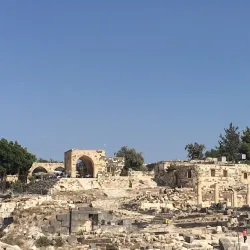
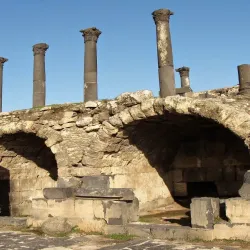
Located a short drive from Al'al, Umm Qais is an ancient Greco-Roman city with impressive ruins including a theater, basilica, and colonnaded streets.
The site offers stunning views of the Sea of Galilee and the Golan Heights, making it a must-visit for history enthusiasts and photographers.
Yarmouk River Valley
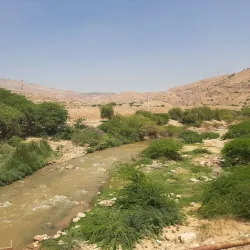
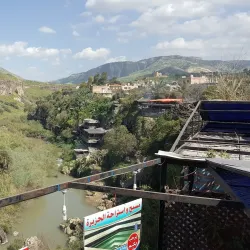
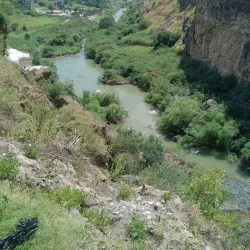
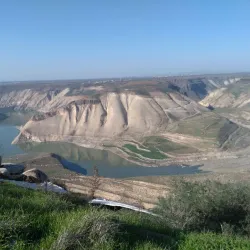
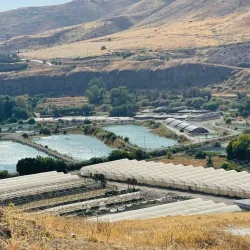
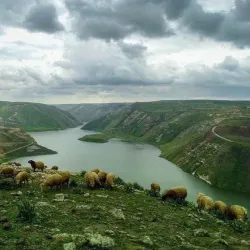
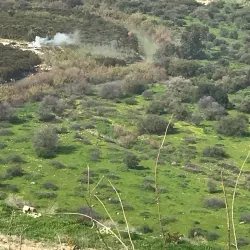
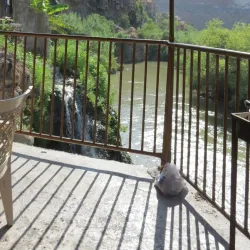
The Yarmouk River Valley is known for its scenic beauty and historical significance. It provides opportunities for hiking and exploring the natural landscape.
The valley has archaeological sites and is important for understanding the region's geography and history.
Pella (Tabaqat Fahl) Archaeological Site
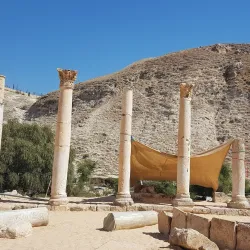
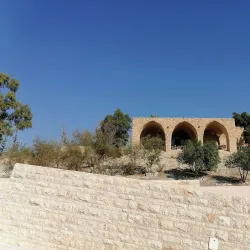
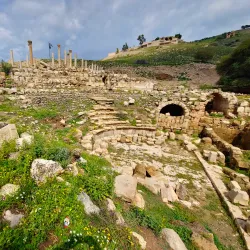
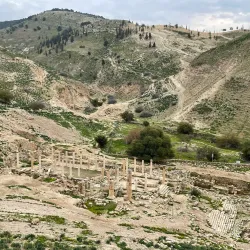
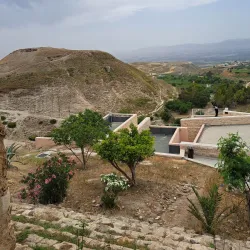
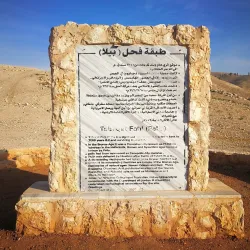
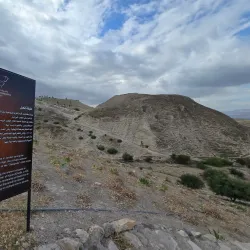
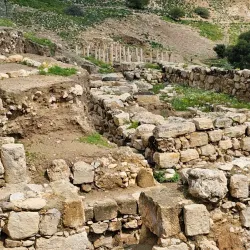
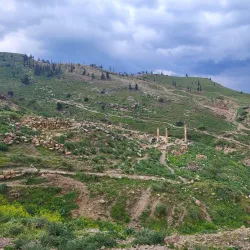
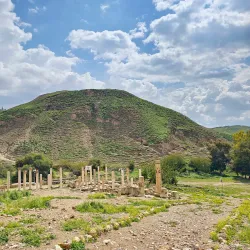
Pella is one of the oldest cities in Jordan with ruins spanning several civilizations including Neolithic, Roman, and Byzantine.
Visitors can explore ancient streets, temples, and mosaics, gaining insight into the long history of human settlement in the area.
Jordan River
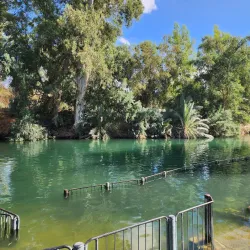
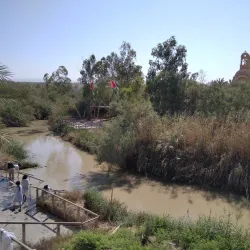
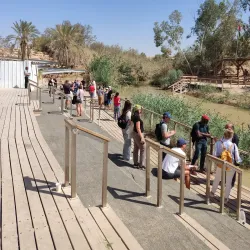
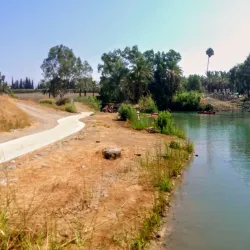
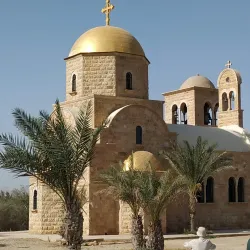
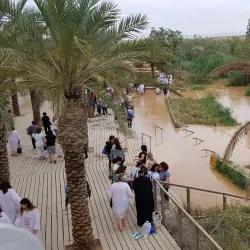
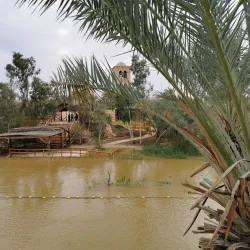
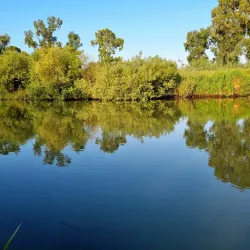
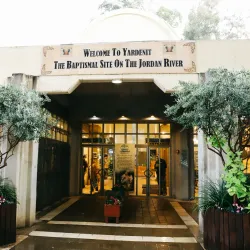
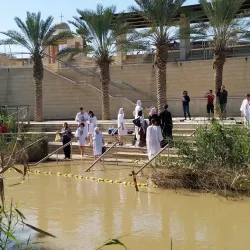
The Jordan River is a significant waterway in the region, known for its religious and historical importance.
Visitors can explore sites along the river, enjoy the natural surroundings, and learn about its role in the cultural heritage of Jordan and neighboring countries.
Mount Nebo
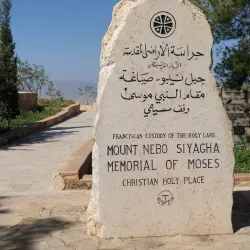
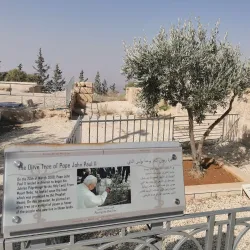
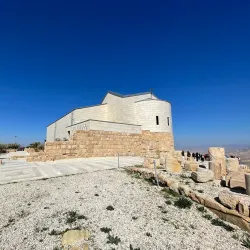
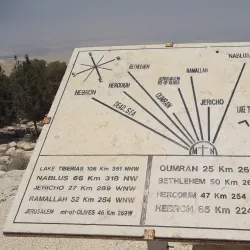
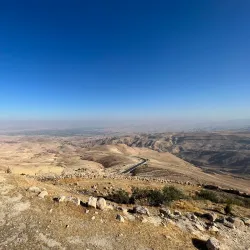
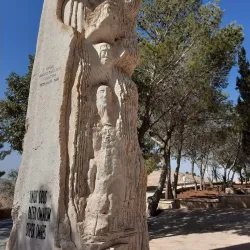
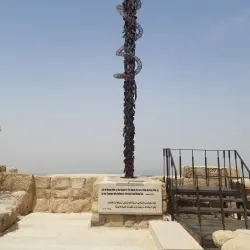
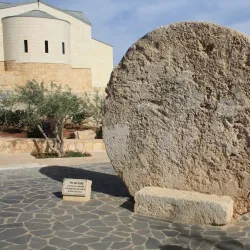
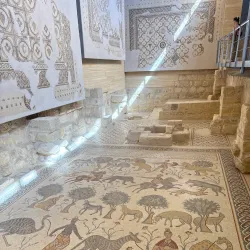
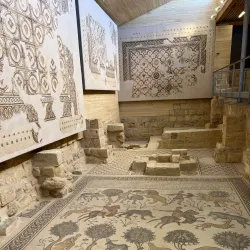
Mount Nebo is a historic site believed to be the place where Moses viewed the Promised Land. It features a memorial church with ancient mosaics and offers panoramic views of the Jordan Valley and the Dead Sea.
It is a pilgrimage site and a popular destination for visitors interested in biblical history and stunning landscapes.
Dead Sea
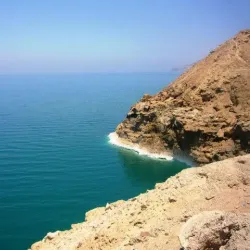
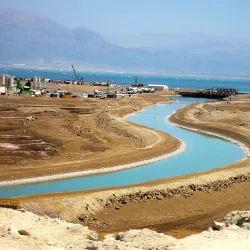
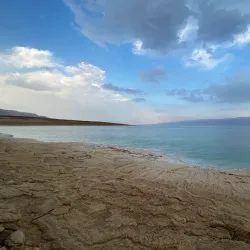
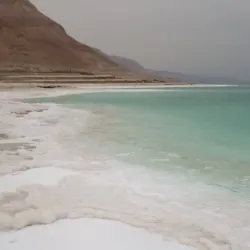
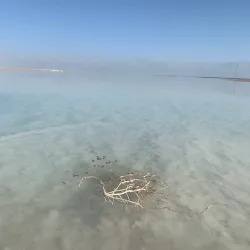
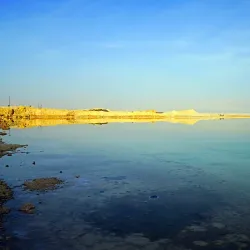

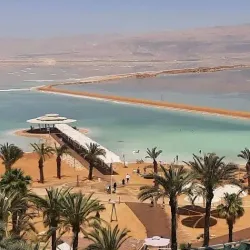
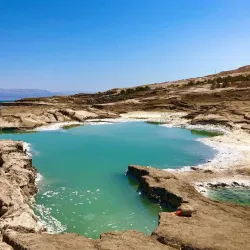
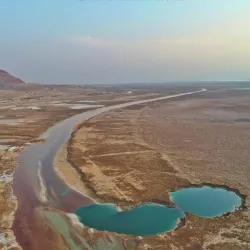
The Dead Sea is the lowest point on earth and famous for its extremely salty water that allows swimmers to float effortlessly.
It is a major tourist attraction known for its therapeutic properties, resorts, and unique natural environment.