
Quality of life in Al-Qurain
Cost of Living, Healthcare, Safety, Education, and More
About Al-Qurain
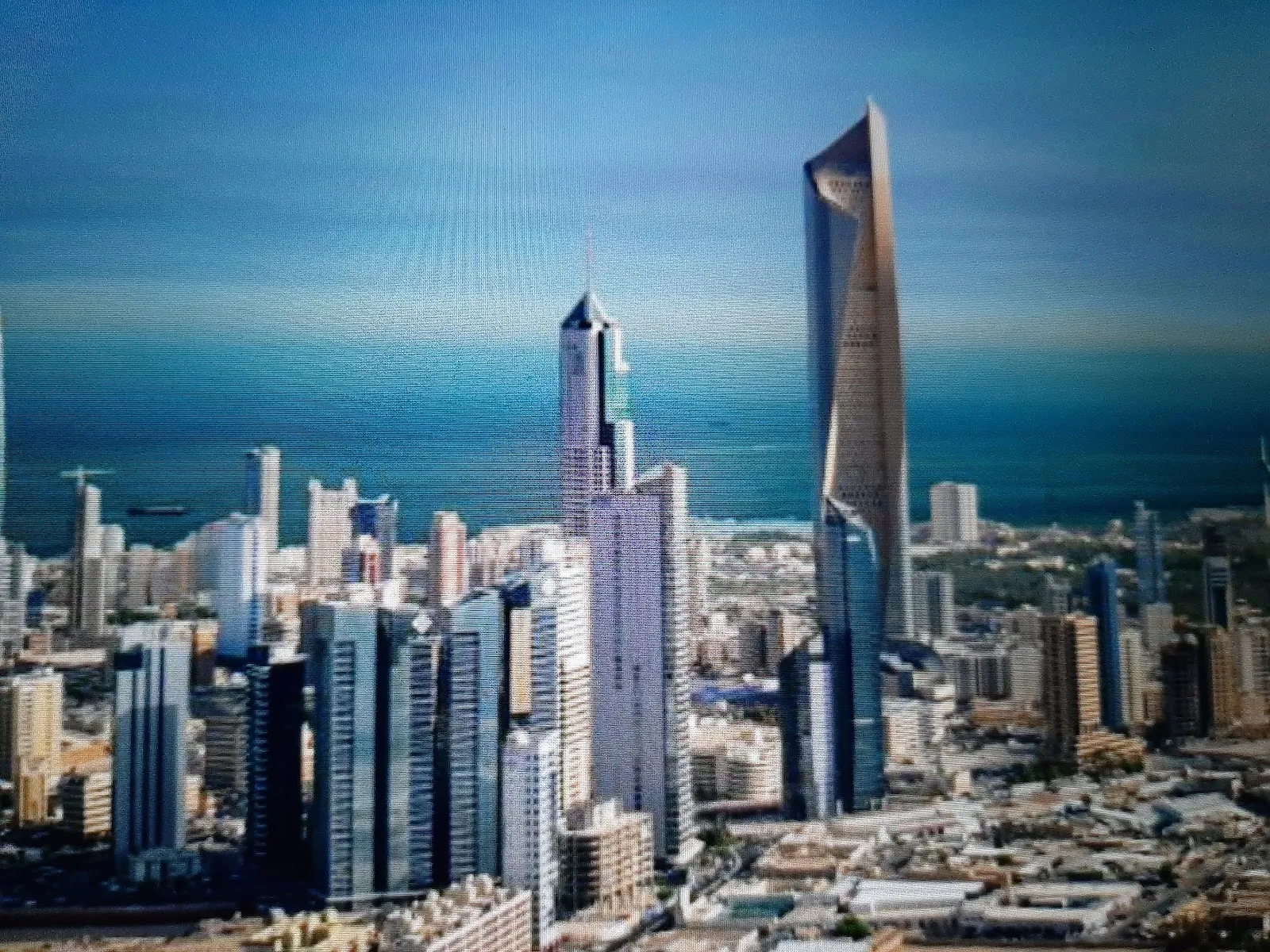
Al-Qurain, located in Kuwait, is a city that embodies a blend of traditional and modern influences. Known for its rich cultural heritage and dynamic urban life, Al-Qurain offers a unique experience for both residents and visitors. The city is characterized by its vibrant community life, bustling markets, and a growing emphasis on cultural and recreational activities.In recent years, Al-Qurain has seen significant development in infrastructure and public amenities, making it an attractive destination for families and professionals alike. The city's strategic location within Kuwait enhances its appeal, providing easy access to major economic and cultural hubs in the region.


History and Culture
Al-Qurain has a storied past that reflects the broader history of Kuwait. Historically, the area has been a site of significant cultural and economic activity, contributing to Kuwait's development as a nation. The city's name, Al-Qurain, is derived from the Arabic word for 'hillock,' indicative of its geographical features.
The city played a crucial role during the Gulf War, particularly during the Battle of Al-Qurain, which is remembered for the bravery and resilience of its defenders. This event is commemorated annually, highlighting the city's historical significance and the spirit of its people.
Culturally, Al-Qurain is home to a diverse population that contributes to its rich tapestry of traditions and customs. The city hosts various cultural festivals and events that celebrate its heritage, including traditional music and dance performances, art exhibitions, and culinary festivals. These events not only preserve the cultural identity of Al-Qurain but also promote cultural exchange and understanding.
Things to do in Al-Qurain
Visitors to Al-Qurain can explore a variety of attractions and activities that showcase the city's unique character. The Al-Qurain Martyrs Museum is a must-visit, offering insights into the city's role during the Gulf War and honoring those who fought bravely.
For those interested in outdoor activities, the city offers several parks and recreational areas where families can enjoy picnics and leisure activities. The local markets are vibrant and bustling, providing a taste of traditional Kuwaiti commerce and an opportunity to purchase local crafts and goods.
Culinary enthusiasts will find a range of dining options in Al-Qurain, from traditional Kuwaiti cuisine to international flavors. The city's food scene is a reflection of its diverse population, offering something for every palate.
Quality of Life Rankings
Weather in Al-Qurain
Al-Qurain, Kuwait experiences a desert climate characterized by extremely hot summers and mild winters. The city receives minimal annual precipitation, averaging around 4.5 inches (115 mm), with November being the wettest month, averaging about 1 inch (25 mm) of rainfall.
Seasonal Breakdown
- Spring (March to May)Temperatures begin to rise significantly, with average highs ranging from 77°F (25°C) in March to 100°F (38°C) in May. Rainfall is minimal, with occasional brief showers.
- Summer (June to August)The hottest months, with average highs soaring from 108°F (42°C) in June to 115°F (46°C) in July and August. Rainfall is virtually nonexistent during the summer months.
- Autumn (September to November)Temperatures gradually decrease from an average high of 104°F (40°C) in September to 82°F (28°C) in November. November sees a slight increase in rainfall, making it the wettest month.
- Winter (December to February)The mildest period, with average highs ranging from 68°F (20°C) in December to 72°F (22°C) in February. Rainfall is sparse, with occasional light showers.
Notable Weather Events
- Heatwaves during the summer months with temperatures often exceeding 115°F (46°C).
- Dust storms are common, particularly in the spring and summer.
- Occasional heavy rain showers in November, which can lead to brief flooding in low-lying areas.
Al-Qurain's Political Climate
Al-Qurain, located in Kuwait, is a city that reflects the broader political climate of the country, characterized by a blend of traditional governance and modern political influences. Kuwait operates under a constitutional monarchy, with the Emir as the head of state and a Prime Minister who is appointed by the Emir. The political landscape in Al-Qurain is influenced by the national political structure, where the ruling family plays a significant role in governance.
Historically, Kuwait has been known for its relatively open political environment compared to its regional neighbors, with a National Assembly that has legislative powers. In Al-Qurain, the political discourse often revolves around issues such as economic diversification, social welfare, and infrastructure development. The city has seen a growing interest in sustainability and environmental policies, aligning with Kuwait's national vision for sustainable development.
Recent political trends in Al-Qurain include increased civic engagement, particularly among the youth, who are advocating for more transparency and reforms in governance. This has led to a more vibrant political scene, with discussions on social justice and economic reforms gaining traction. The city's political climate is also shaped by its strategic economic position, influencing decisions on urban development and public services.
Political Quick Facts
- Voter Turnout65%
- City GovernanceMunicipal Council with appointed members
- CompositionMajority aligned with national ruling party
- Recent Political ChangesIncreased youth participation in local governance
- EngagementModerate to high, with active civic groups
- Political ScorecardB+ for governance and transparency
- Legislative PrioritiesEconomic diversification Sustainability initiatives Social welfare improvements
- Public OpinionGenerally supportive of progressive economic and social policies
Notable Political Figures
- Sheikh Nawaf Al-Ahmad Al-Jaber Al-SabahThe current Emir of Kuwait, playing a crucial role in national and local governance.
- Marzouq Al-GhanimSpeaker of the National Assembly, known for his influence in legislative matters.
- Hind Al-SabeehFormer Minister of Social Affairs and Labor, advocate for social reforms.
- Bader Al-MukhaizeemLocal business leader and philanthropist, involved in civic initiatives.
- Faisal Al-MutairiYouth activist known for promoting transparency and civic engagement.