
Quality of life in Shaab
Cost of Living, Healthcare, Safety, Education, and More
About Shaab
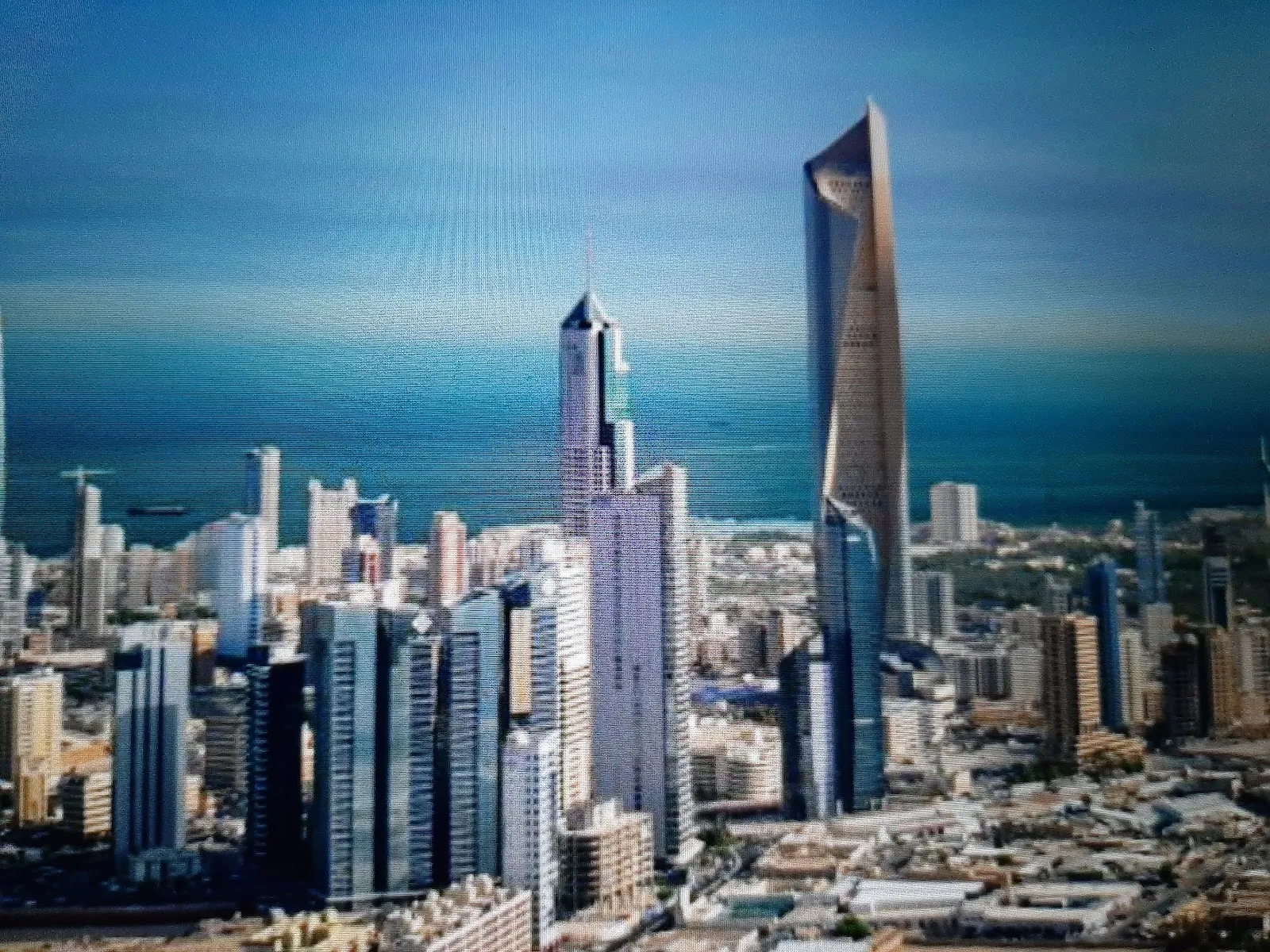
Shaab, a vibrant district in Kuwait, is known for its blend of modernity and tradition. Situated along the Arabian Gulf, it offers a unique coastal lifestyle that attracts both locals and expatriates. The area is characterized by its upscale residential neighborhoods, bustling commercial centers, and a variety of recreational facilities.In recent years, Shaab has seen significant development, with new infrastructure projects enhancing its appeal. The district is also known for its cultural diversity, with a mix of traditional Kuwaiti culture and influences from the expatriate community. This blend creates a dynamic environment that is both welcoming and cosmopolitan.


History and Culture
Shaab's history is deeply intertwined with the broader history of Kuwait. Originally a small fishing village, it has grown into a thriving urban area. The district's development accelerated in the mid-20th century, paralleling Kuwait's oil boom, which brought wealth and modernization to the region.
Culturally, Shaab reflects the rich heritage of Kuwait. Traditional Kuwaiti customs and practices are still evident in daily life, from the architecture of older buildings to the local cuisine. The district is home to several cultural institutions that celebrate Kuwaiti art, music, and history, providing residents and visitors with a deep appreciation of the local culture.
Shaab is also known for its vibrant community events and festivals, which highlight the district's cultural diversity. These events often feature traditional music, dance, and food, offering a glimpse into the rich tapestry of Kuwaiti life.
Things to do in Shaab
Visitors to Shaab can enjoy a variety of activities, from exploring its beautiful coastline to indulging in its culinary delights. The district's beaches are popular spots for relaxation and water sports, offering stunning views of the Arabian Gulf.
For those interested in shopping and dining, Shaab boasts a range of options, from high-end boutiques to local markets, and a variety of restaurants serving both international and traditional Kuwaiti cuisine.
Cultural enthusiasts will find plenty to explore in Shaab, with its museums and galleries showcasing local art and history. The district also hosts numerous cultural events throughout the year, providing a vibrant and engaging experience for all visitors.
Quality of Life Rankings
Weather in Shaab
Shaab, Kuwait experiences a desert climate characterized by extremely hot summers and mild winters. The city receives minimal annual precipitation, averaging around 4.5 inches (115 mm), with November being the wettest month, averaging about 1 inch (25 mm) of rainfall.
Seasonal Breakdown
- Spring (March to May)Temperatures rise significantly, with average highs increasing from 77°F (25°C) in March to 95°F (35°C) in May. Rainfall is scarce, with occasional showers in March.
- Summer (June to August)The hottest months, with average highs soaring from 104°F (40°C) in June to 113°F (45°C) in July and August. Rainfall is virtually nonexistent during the summer.
- Autumn (September to November)Temperatures gradually decrease from an average high of 104°F (40°C) in September to 81°F (27°C) in November. November sees the most rainfall, averaging about 1 inch (25 mm).
- Winter (December to February)The mildest period, with average highs ranging from 68°F (20°C) in December to 72°F (22°C) in February. Rainfall is minimal, with occasional light showers.
Notable Weather Events
- Heatwaves during the summer months with temperatures exceeding 113°F (45°C).
- Occasional dust storms, particularly in the spring and summer.
- Rare but possible heavy rain showers in November, leading to temporary flooding.
Shaab's Political Climate
Shaab, a district in Kuwait, is characterized by a political climate that reflects the broader national governance structure of Kuwait. As part of the capital, Kuwait City, Shaab is influenced by the country's constitutional monarchy, where the Emir holds significant power alongside a parliamentary system. The political landscape in Shaab is shaped by Kuwait's unique blend of traditional governance and modern legislative frameworks.
Historically, Kuwait has been known for its relatively progressive political environment in the Gulf region, with a parliament that has legislative powers and a history of political activism. In Shaab, as in other parts of Kuwait, key political issues include economic diversification, social welfare, and infrastructure development. The district has seen efforts to improve public services and enhance quality of life, aligning with national goals.
Shaab's political climate is also influenced by Kuwait's commitment to social justice and sustainability. Recent initiatives have focused on environmental sustainability, reflecting a growing awareness of climate change impacts. Additionally, there is a strong emphasis on education and healthcare reforms, which are critical components of the district's policy agenda.
The political engagement in Shaab is indicative of a broader national trend towards increased civic participation. While voter turnout can vary, there is a noticeable interest in local governance and policy-making, driven by a well-informed populace. This engagement is crucial in shaping the district's future, as residents actively participate in discussions on economic and social policies.
Political Quick Facts
- Voter Turnout65%
- City GovernanceMunicipal governance under the jurisdiction of Kuwait City
- CompositionMixed representation with a focus on independent and national party-affiliated members
- Recent Political ChangesIncreased focus on sustainability and infrastructure development
- EngagementModerate to high, with active civic participation
- Political ScorecardHigh transparency and moderate efficiency in governance
- Legislative PrioritiesEconomic diversification Social welfare enhancement Infrastructure development
- Public OpinionGenerally supportive of progressive policies with a focus on economic growth and social stability
Notable Political Figures
- Sheikh Nawaf Al-Ahmad Al-Jaber Al-SabahThe current Emir of Kuwait, known for his leadership and efforts in national development.
- Marzouq Al-GhanimSpeaker of the National Assembly, influential in legislative reforms.
- Hind Al-SabeehFormer Minister of Social Affairs and Labor, recognized for her work in social welfare policies.