Things to do in Xiangkhouang
Xiangkhouang Province, located in northeastern Laos, is renowned for its rich history, cultural heritage, and stunning natural landscapes. The region is most famous for the Plain of Jars, an archaeological mystery that attracts visitors from around the world. Beyond the jars, Xiangkhouang offers a variety of experiences including traditional villages, scenic mountains, and historical sites related to the Indochina wars.Plain of Jars
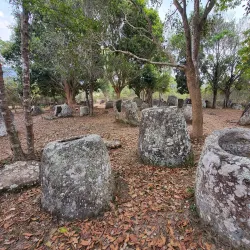
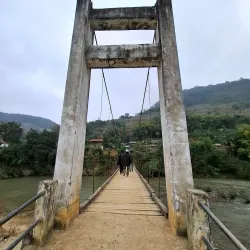
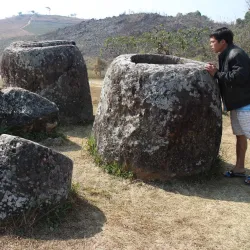
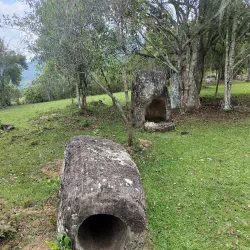
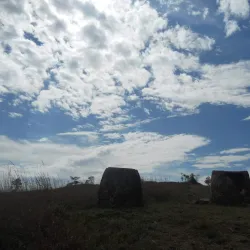
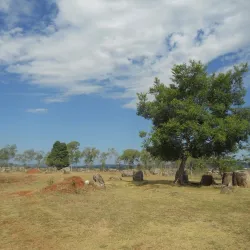
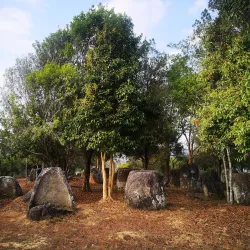
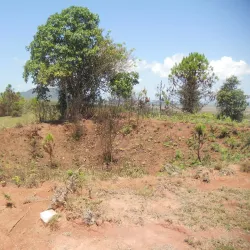
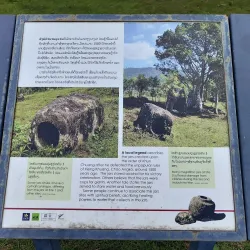
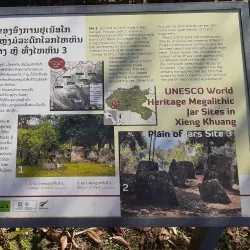
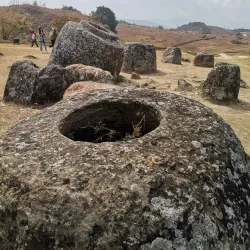
The Plain of Jars is the most iconic attraction in Xiangkhouang. It consists of thousands of large stone jars scattered across several sites in the province. These jars date back to the Iron Age and their exact purpose remains a mystery, though they are believed to have been used for burial or funerary practices.
The site is also notable for its scenic surroundings and the opportunity to learn about the region's ancient history and archaeology. Visitors should be cautious and respect unexploded ordnance areas, as the region was heavily bombed during the Indochina wars.
Phonsavan
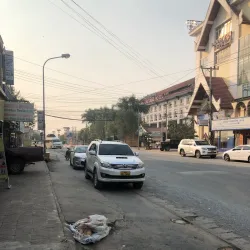
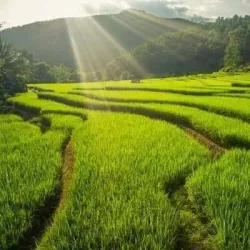
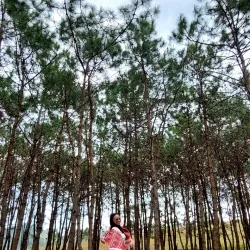
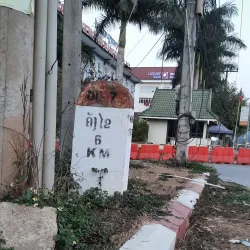
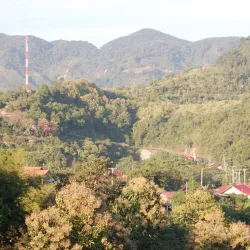
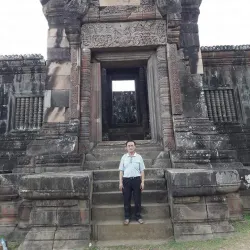
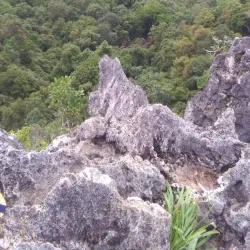
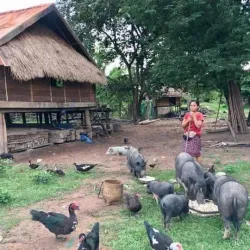
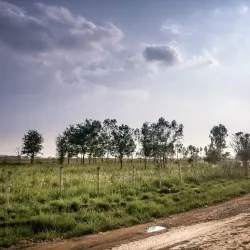
Phonsavan is the capital town of Xiangkhouang Province and serves as the main gateway to the Plain of Jars. It offers basic amenities, markets, and cultural experiences. The town is a good base for exploring the surrounding attractions and provides insight into local life and traditions.
Muang Khoun
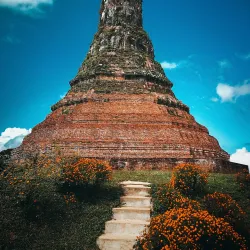
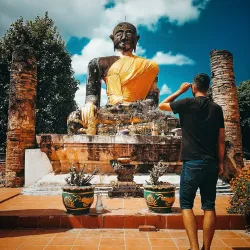
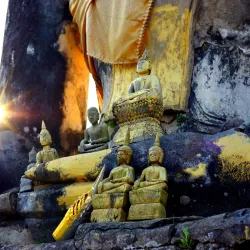
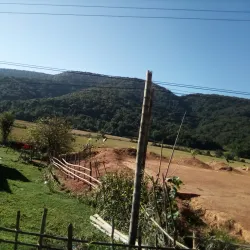
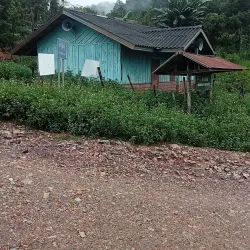
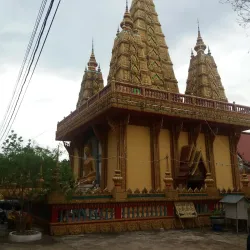
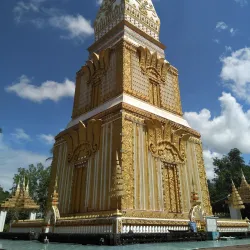
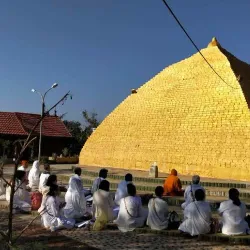
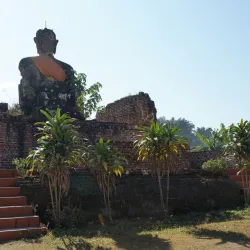
Muang Khoun is an ancient city that was once the capital of Xiangkhouang Province before being destroyed during the Indochina wars. Today, visitors can explore the ruins of temples and stupas, which offer a glimpse into the region's historical and religious past.
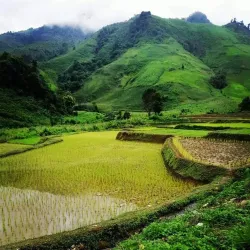
The site is peaceful and reflective, with remnants of old architecture set against a mountainous backdrop.
Phou Khao Khouay National Protected Area
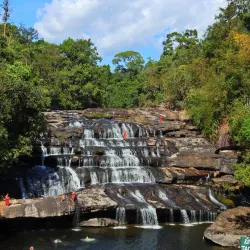
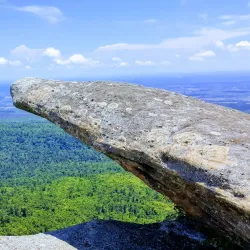
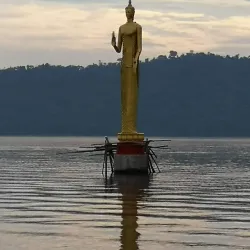
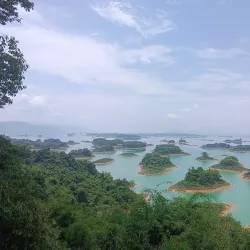
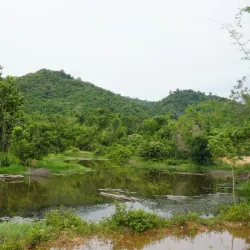
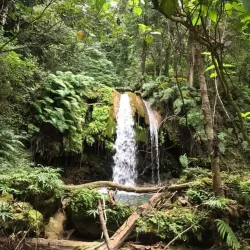
This protected area is known for its rich biodiversity, including forests, waterfalls, and wildlife. It is a great destination for nature lovers interested in hiking, bird watching, and exploring Laos' natural environment.
The park offers trails and scenic spots that showcase the province's ecological diversity.
Nam Et-Phou Louey National Protected Area
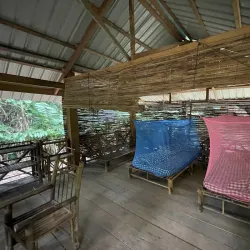
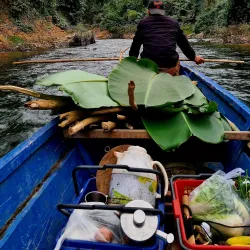
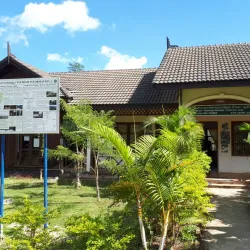
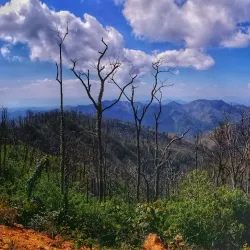
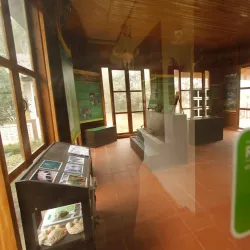
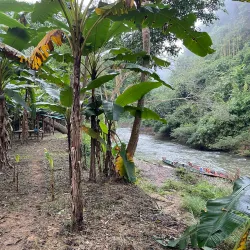
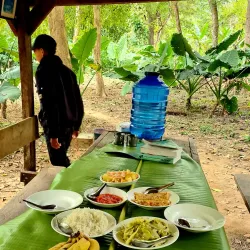
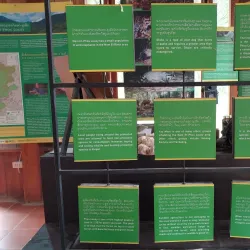
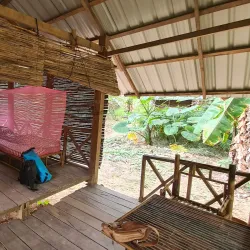
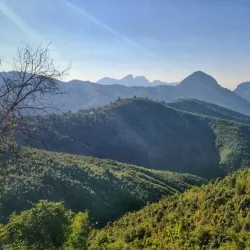
A large conservation area that spans multiple provinces including parts of Xiangkhouang. It is home to diverse flora and fauna, including endangered species. Visitors can experience guided tours focusing on wildlife observation and conservation efforts.
The area is ideal for eco-tourism and adventure activities such as trekking and camping.
Phou Bia Mountain
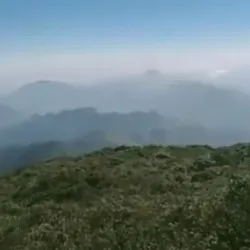
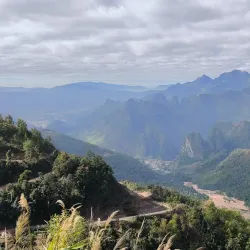
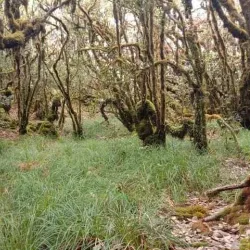
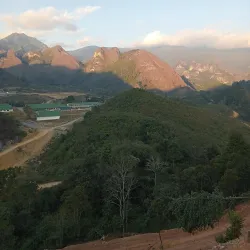
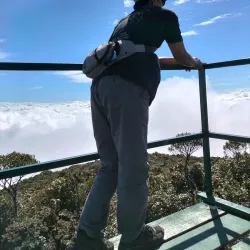
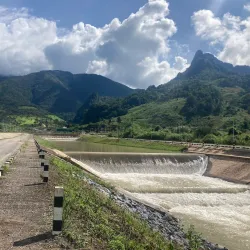
Phou Bia is the highest mountain in Laos, located in Xiangkhouang Province. It is a challenging destination for experienced hikers and offers spectacular views from the summit.
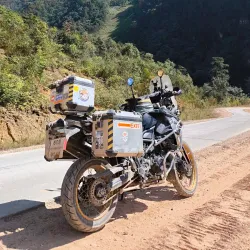
The mountain is part of a remote and rugged landscape, providing a sense of adventure and natural beauty.
Tad Fane Waterfall
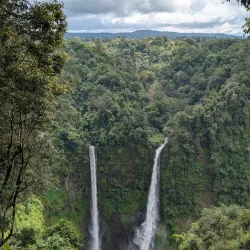

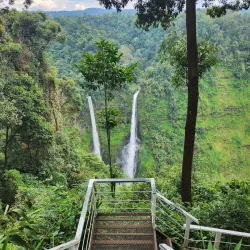
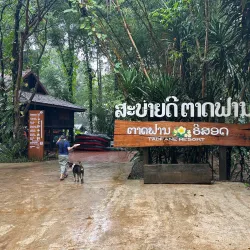
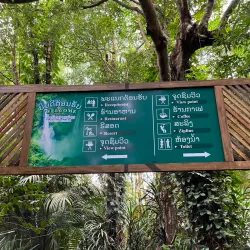
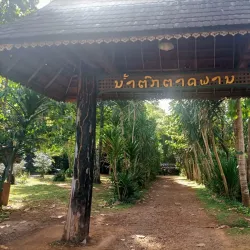
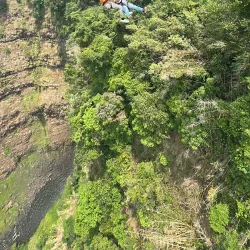
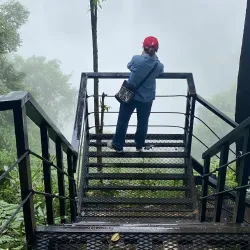
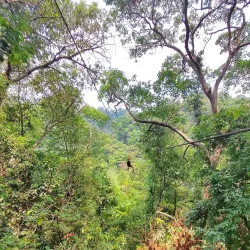
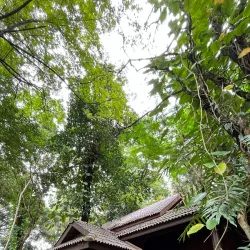
Located in the nearby Bolaven Plateau but often visited by travelers to Xiangkhouang, Tad Fane is a stunning double waterfall surrounded by lush forest. It is a popular spot for nature photography and relaxation.
The falls are accessible via well-maintained trails and offer a refreshing break from exploring historical sites.
Local Ethnic Villages
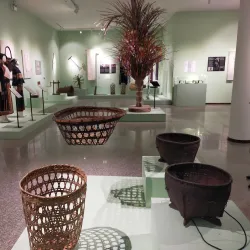
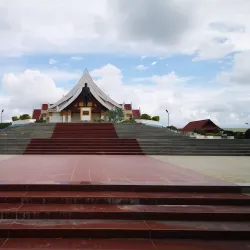
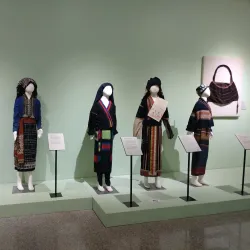
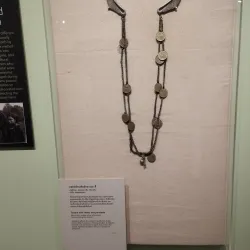
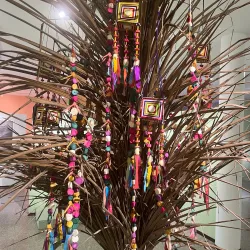
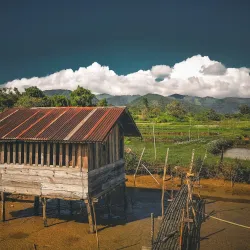
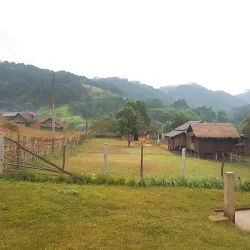
Xiangkhouang is home to various ethnic groups including the Hmong, Khmu, and Tai Dam. Visiting local villages provides insight into traditional lifestyles, crafts, and customs.
Many tours offer visits to these villages where visitors can experience local hospitality, traditional dress, and cultural performances.
Wat Piawat
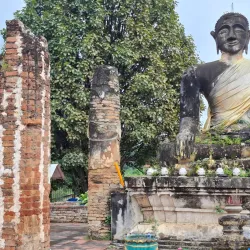
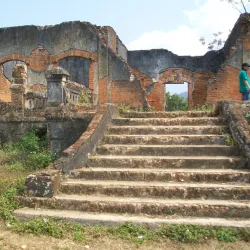
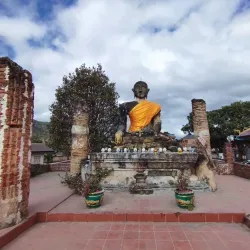
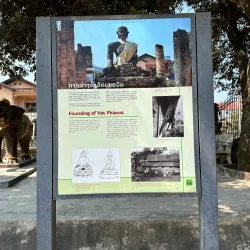
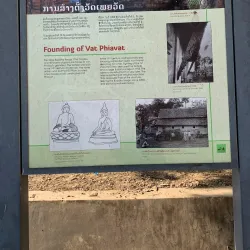
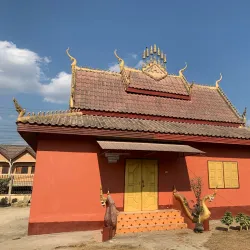
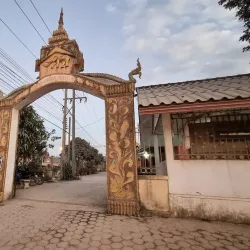
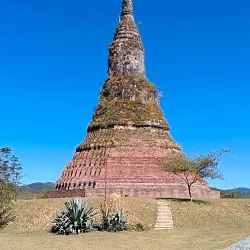
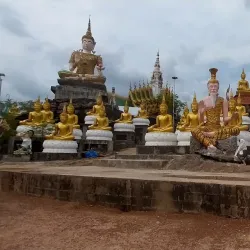
Wat Piawat is a Buddhist temple near Phonsavan known for its serene atmosphere and traditional Lao architecture. It is a place of worship and cultural significance for locals.
Visitors can observe religious practices and appreciate the temple's artistic details.
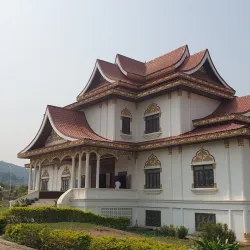
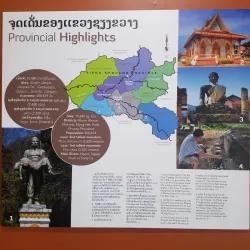
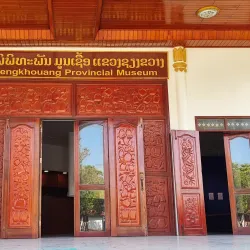
Xiangkhouang Provincial Museum
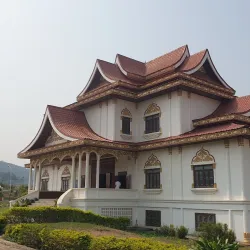
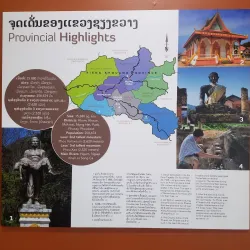
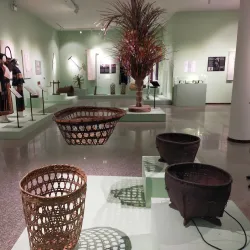
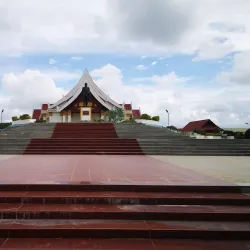
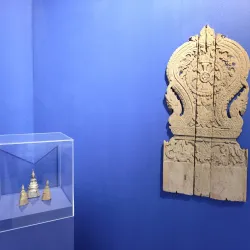
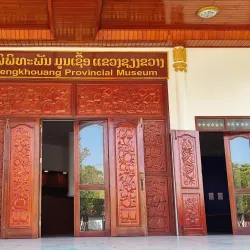
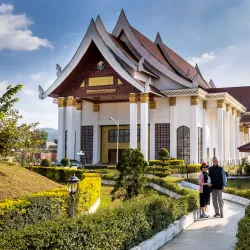
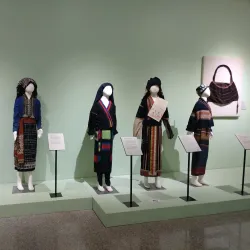
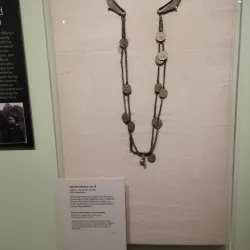
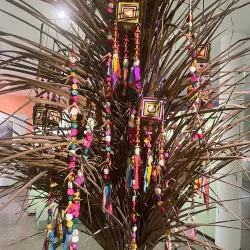
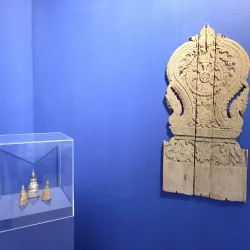
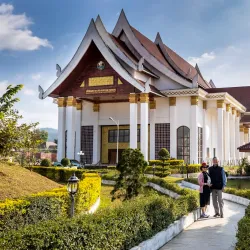
This museum in Phonsavan showcases artifacts, photographs, and exhibits related to the history, culture, and archaeology of Xiangkhouang Province. It provides valuable context for understanding the Plain of Jars and the region's heritage.
The museum is a good starting point for visitors wanting to deepen their knowledge before exploring the province.