Things to do in Byblos (Jbail
Byblos, also known as Jbail, is one of the oldest continuously inhabited cities in the world, located on the Mediterranean coast of Lebanon. It offers a unique blend of ancient history, archaeological sites, charming old souks, and beautiful seaside views.The city is renowned for its well-preserved ruins, historic churches, and vibrant cultural scene. Visitors can explore the layers of civilizations that have shaped Byblos, from the Phoenicians to the Crusaders, while enjoying the modern amenities and hospitality of this coastal town.Byblos Castle
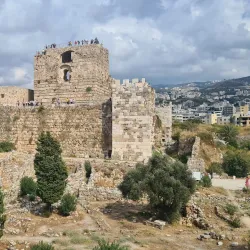
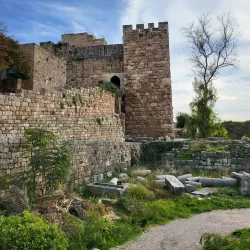
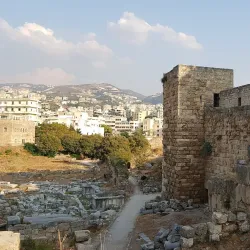
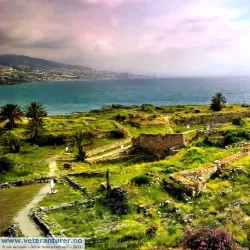
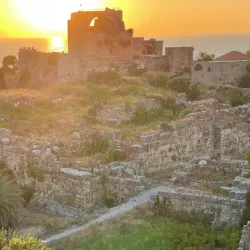
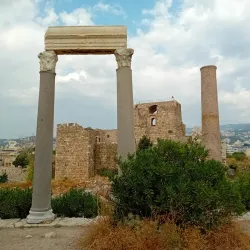
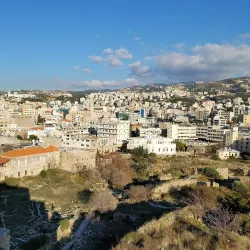
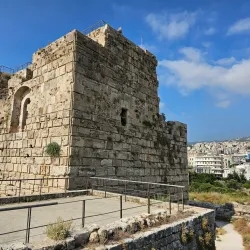
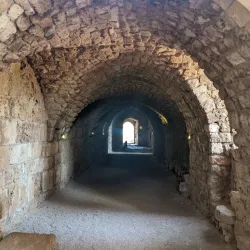
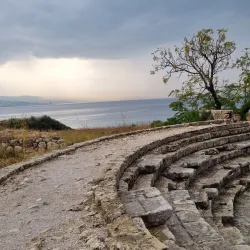
A prominent Crusader castle built in the 12th century, Byblos Castle stands as a testament to the city's medieval history. It offers panoramic views of the Mediterranean Sea and the ancient city ruins.
The castle is well-preserved and includes towers, battlements, and a moat, providing insight into the military architecture of the Crusader period.
Byblos Archaeological Site
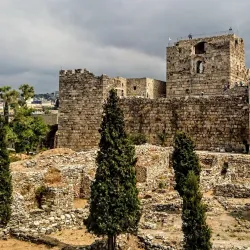
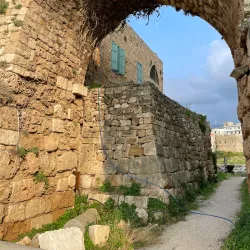
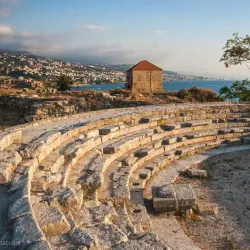
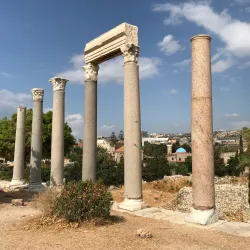
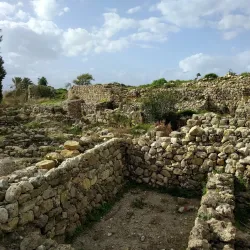
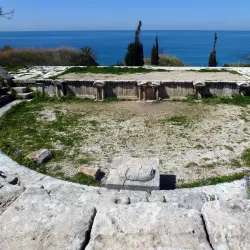
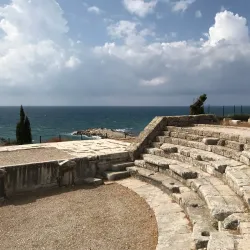
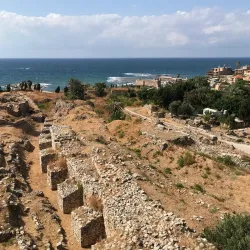
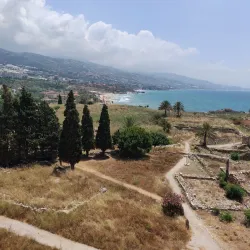
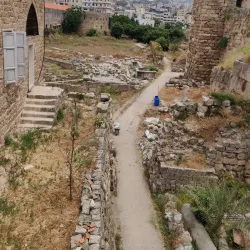
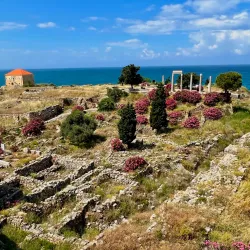
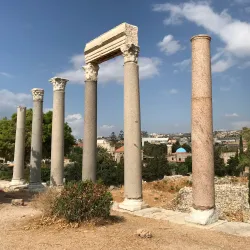
This extensive archaeological site reveals layers of history dating back over 7,000 years, including Phoenician temples, Roman ruins, and Byzantine structures.
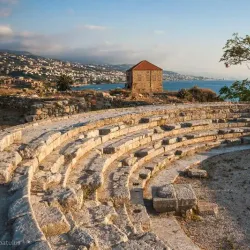
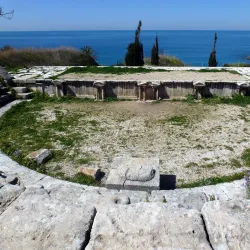
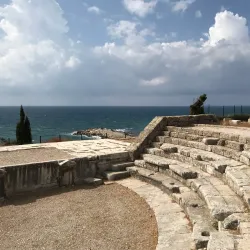
Visitors can explore ancient city walls, a Roman theater, and various artifacts that showcase Byblos' significance as a major ancient port city.
Old Souk of Byblos
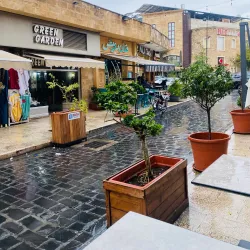
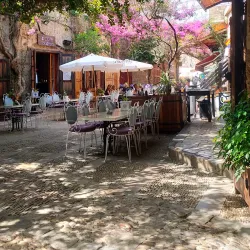
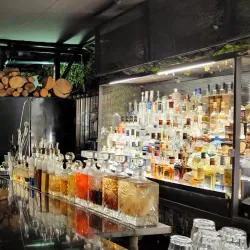
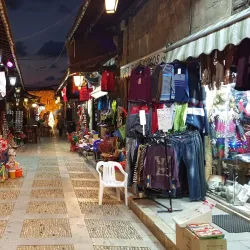
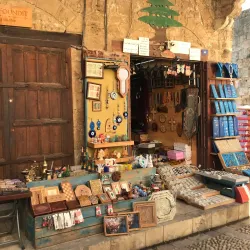
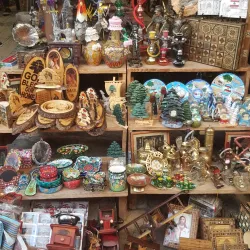
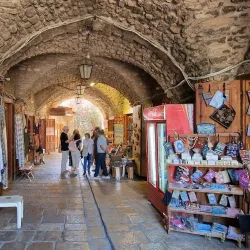
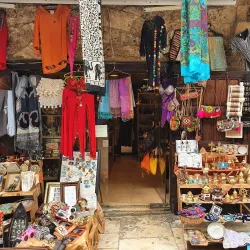
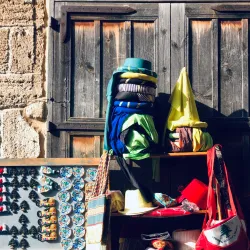
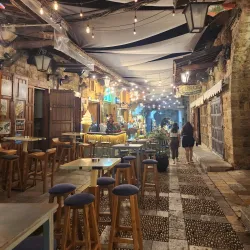
The Old Souk is a charming market area filled with shops selling traditional crafts, souvenirs, and local products.
It is also home to numerous cafes and restaurants where visitors can enjoy Lebanese cuisine and soak in the vibrant atmosphere of the historic town center.
St. John the Baptist Church
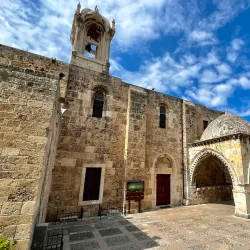
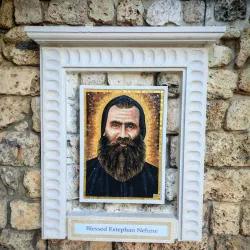
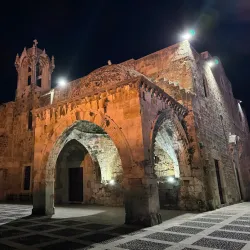
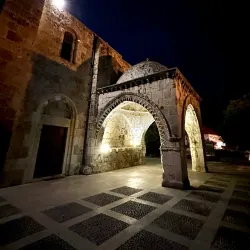
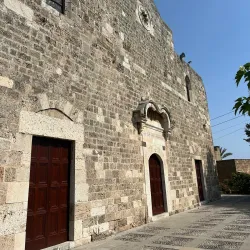
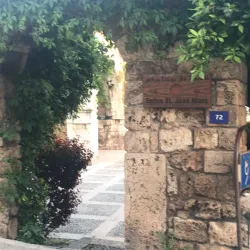

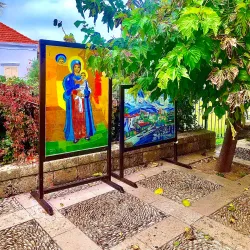
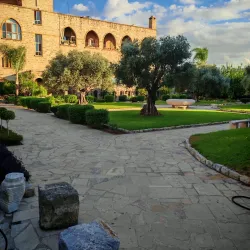

A historic church dating back to the Crusader era, known for its beautiful architecture and religious significance.
The church is located near the harbor and is a peaceful spot for visitors interested in religious history and architecture.
Byblos Harbor
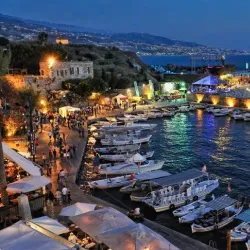
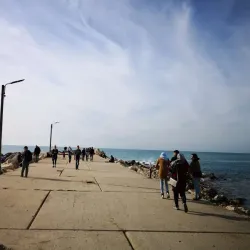
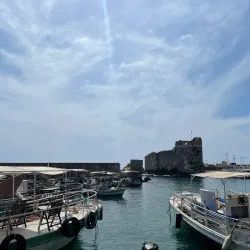
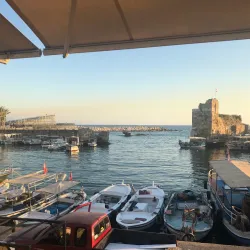
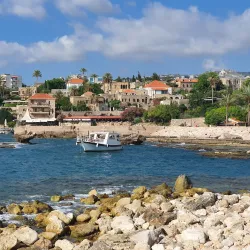
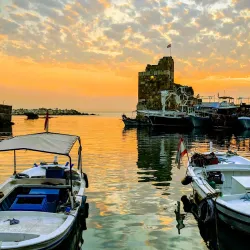
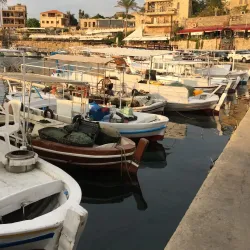
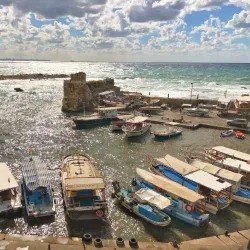
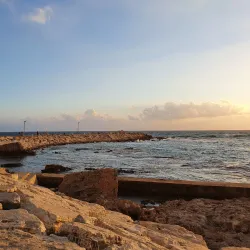
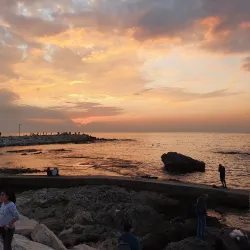
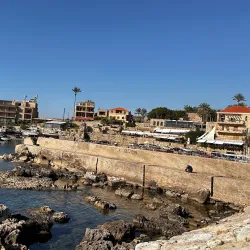
The picturesque harbor is a great place for a leisurely stroll, offering views of fishing boats, yachts, and the Mediterranean Sea.
It is surrounded by cafes and restaurants, making it a popular spot for dining and relaxation.
Byblos Wax Museum
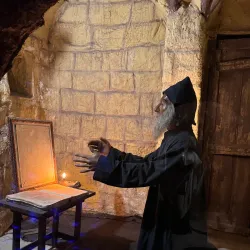

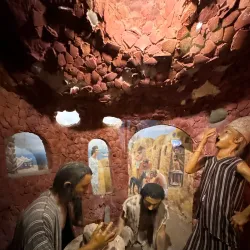
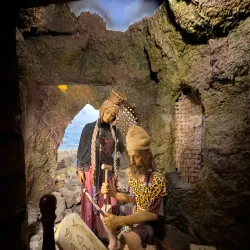
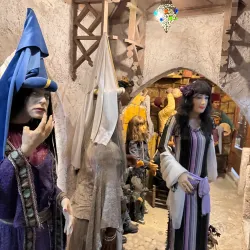
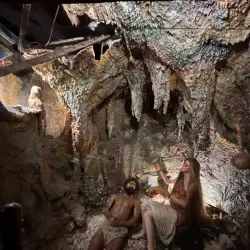
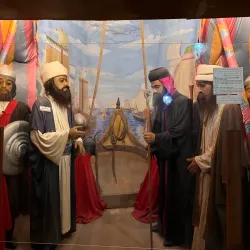
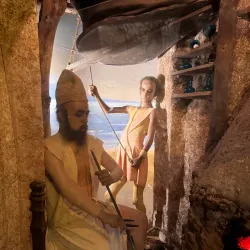


This museum features wax figures depicting important historical and cultural scenes from Byblos and Lebanon.
It provides an engaging way to learn about the city's heritage and notable personalities.
Roman Amphitheater
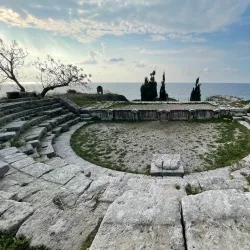
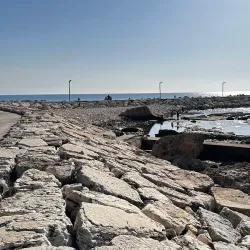
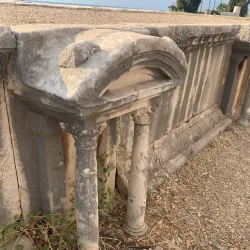
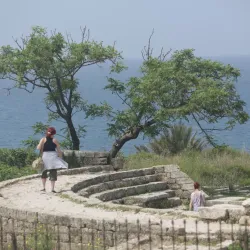
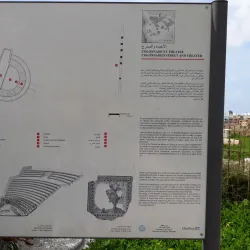
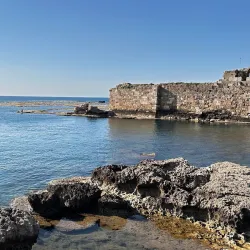
An ancient Roman amphitheater located within the archaeological site, used historically for performances and gatherings.
The structure is well-preserved and offers a glimpse into the entertainment culture of Roman Byblos.
Qartaba Beach
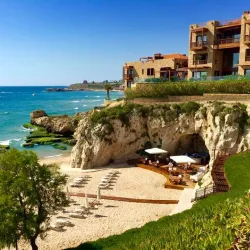
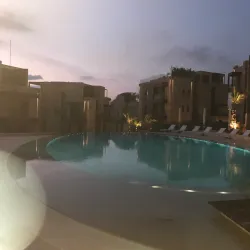
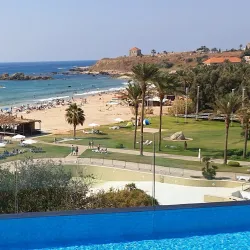
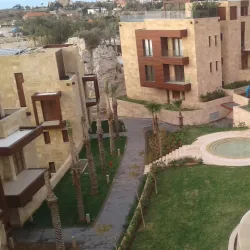
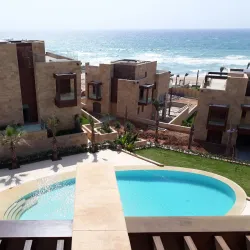
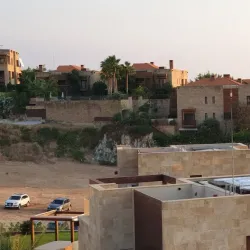
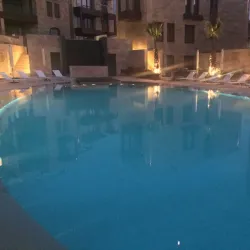
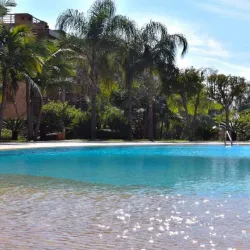
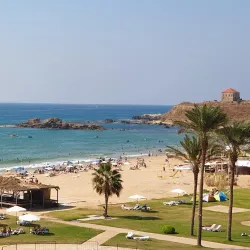
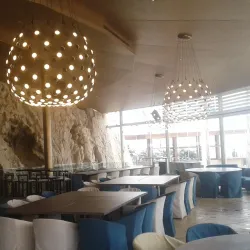
A nearby beach area offering a relaxing spot for swimming and sunbathing along the Mediterranean coast.
It is less crowded than the main harbor area, providing a more tranquil seaside experience.
Byblos Fishing Port
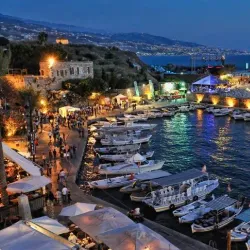
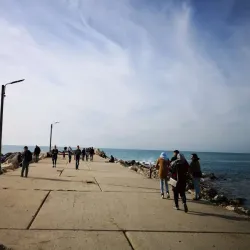
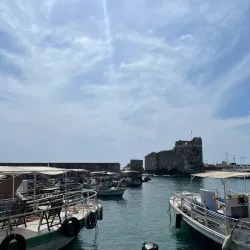
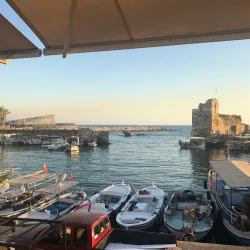
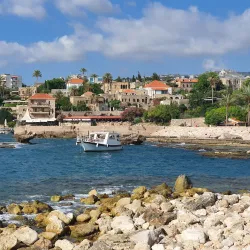
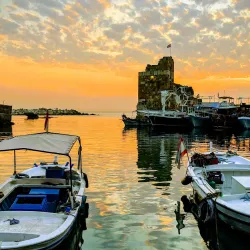
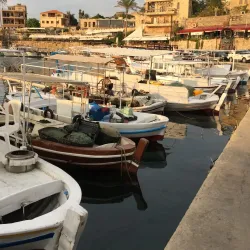
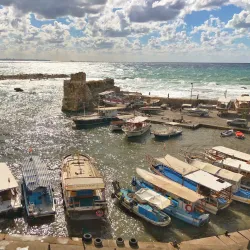
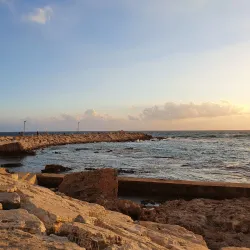

A traditional fishing port where visitors can observe local fishermen at work and enjoy fresh seafood.
The port area is lively and provides an authentic glimpse into the daily life of Byblos residents.
Old City Walls
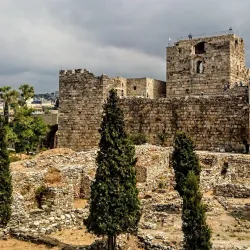
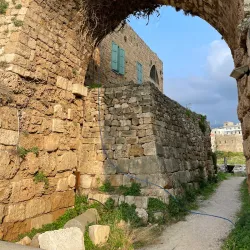
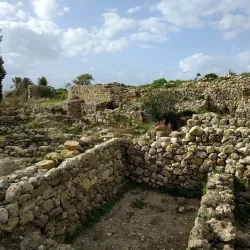
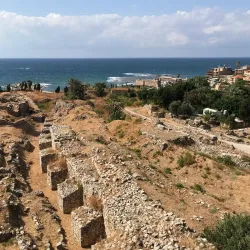
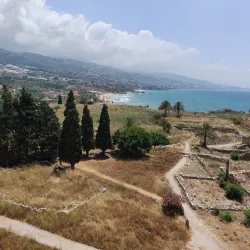
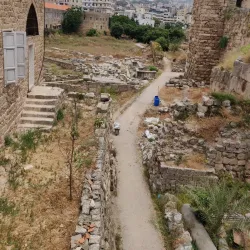
Remnants of ancient city walls that once protected Byblos, showcasing the city's long history of defense and settlement.
Walking along these walls offers a sense of the city's historical scale and strategic importance.