
Quality of life in Sin el Fil
Cost of Living, Healthcare, Safety, Education, and More
About Sin el Fil
Sin el Fil, located in the heart of Lebanon, is a bustling suburb of Beirut known for its vibrant atmosphere and cultural diversity. As a key commercial hub, it hosts a variety of businesses and industries, contributing significantly to the local economy. The city is characterized by its blend of modernity and tradition, offering a unique lifestyle that attracts both locals and expatriates.In recent years, Sin el Fil has seen a surge in development, with new residential and commercial projects reshaping its skyline. This growth is complemented by a thriving cultural scene, with numerous events and festivals celebrating the rich heritage of Lebanon. The city's strategic location near Beirut makes it an attractive destination for those seeking a dynamic urban experience.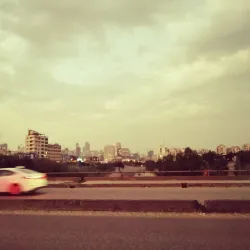


History and Culture
Sin el Fil has a rich history that reflects the broader historical narratives of Lebanon. Originally a small village, it has grown into a significant urban area due to its proximity to Beirut. Throughout its development, Sin el Fil has been influenced by various cultures and civilizations, including the Phoenicians, Romans, and Ottomans, each leaving a distinct mark on its cultural landscape.
The city is home to several cultural institutions and landmarks that highlight its diverse heritage. Notable among these is the St. Michael Church, a testament to the city's Christian roots and architectural beauty. Sin el Fil also hosts numerous cultural events that celebrate Lebanese traditions, from music festivals to art exhibitions, showcasing the talents of local and international artists.
The ethnic diversity of Sin el Fil is one of its defining characteristics, with communities from different backgrounds contributing to its vibrant cultural tapestry. This diversity is reflected in the city's culinary scene, where one can find a wide array of Lebanese and international cuisines.
Things to do in Sin el Fil
Visitors to Sin el Fil can enjoy a variety of activities and attractions that cater to different interests. The city offers a range of shopping experiences, from modern malls to traditional markets, where visitors can find everything from fashion to local crafts.
For those interested in history and culture, exploring the local churches and historical sites provides insight into the city's rich past. Additionally, Sin el Fil's proximity to Beirut allows easy access to the capital's museums and cultural institutions.
Food enthusiasts will appreciate the diverse dining options available in Sin el Fil, with restaurants offering both traditional Lebanese dishes and international cuisine. The city's vibrant nightlife, with its cafes and bars, provides ample opportunities for socializing and entertainment.
Quality of Life Rankings
Weather in Sin el Fil
Sin el Fil, Lebanon experiences a Mediterranean climate characterized by hot, dry summers and mild, wet winters. The city receives an average annual precipitation of approximately 35 inches (900 mm), with January being the wettest month, averaging around 6 inches (150 mm) of rainfall.
Seasonal Breakdown
- Spring (March to May)Temperatures gradually rise from an average high of 68°F (20°C) in March to 77°F (25°C) in May. Rainfall decreases during this period, with March receiving the most precipitation, averaging around 3 inches (75 mm).
- Summer (June to August)The hottest months, with average highs ranging from 86°F (30°C) in June to 90°F (32°C) in July and August. Rainfall is minimal during the summer, averaging less than 0.5 inches (12 mm) per month.
- Autumn (September to November)Temperatures gradually decrease from an average high of 85°F (29°C) in September to 72°F (22°C) in November. Rainfall begins to increase, especially in November, averaging around 4 inches (100 mm).
- Winter (December to February)The coldest period, with average highs ranging from 64°F (18°C) in December to 61°F (16°C) in February. January is the wettest month, with significant rainfall averaging about 6 inches (150 mm).
Notable Weather Events
- Occasional heatwaves during the summer months.
- Heavy rainfall and potential flooding during the winter months.
- Rare occurrences of snow in the nearby mountains during winter.
Sin el Fil's Political Climate
Sin el Fil, a bustling suburb of Beirut, Lebanon, is characterized by a dynamic political climate that reflects the broader complexities of Lebanese politics. Governed by a municipal council, the city is influenced by the intricate tapestry of Lebanon's sectarian political system. This system often sees power shared among various religious and political groups, which can lead to both collaboration and tension.
Historically, Sin el Fil has been a microcosm of Lebanon's political landscape, with its governance often mirroring the national political scene. The city has seen its share of political shifts, especially during periods of national upheaval. The current political leadership in Sin el Fil is focused on addressing local issues such as infrastructure development, public services, and economic revitalization, while also navigating the broader national challenges.
In recent years, Sin el Fil has made strides in implementing progressive policies, particularly in areas like waste management and urban development. These efforts are part of a larger movement within Lebanon to address environmental concerns and improve living conditions. The city's political climate is also shaped by its residents' active engagement in social justice initiatives, reflecting a growing trend of civic activism across the country.
The political climate in Sin el Fil significantly influences its economic and social decisions. Economic policies are often crafted with an eye towards fostering local business growth and attracting investment, while social policies aim to enhance community welfare and cohesion. Environmental decisions, such as those related to urban planning and sustainability, are increasingly prioritized as the city seeks to balance development with ecological preservation.
Political Quick Facts
- Voter Turnout55%
- City GovernanceMunicipal council
- CompositionMixed representation of various political and sectarian groups
- Recent Political ChangesIncreased focus on infrastructure and public service improvements
- EngagementHigh, with active participation in local and national issues
- Political ScorecardModerate, with room for improvement in transparency and efficiency
- Legislative PrioritiesInfrastructure development Economic revitalization Environmental sustainability
- Public OpinionDiverse, with a mix of conservative and progressive views
Notable Political Figures
- Michel MurrA prominent political figure with a long history in Lebanese politics, known for his influence in the Metn region.
- Elias MurrFormer Deputy Prime Minister and Minister of Defense, known for his role in security and defense matters.
- Nicolas SehnaouiFormer Minister of Telecommunications, recognized for his efforts in modernizing Lebanon's telecommunications infrastructure.