Things to do in Gharyan
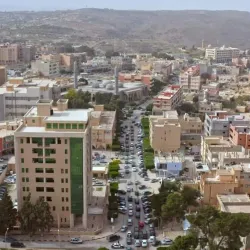
Gharyan is a city located in northwestern Libya, known for its rich history, traditional architecture, and scenic landscapes. It serves as a cultural hub with a blend of ancient and modern influences, offering visitors a glimpse into Libyan heritage and lifestyle.The city is surrounded by the Nafusa Mountains, providing beautiful natural scenery and opportunities for outdoor activities. Gharyan's markets, historical sites, and local crafts make it a unique destination for travelers interested in exploring Libya beyond its major cities.Gharyan Old Town
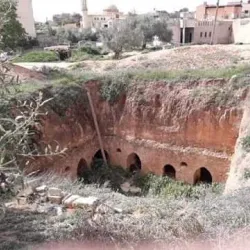
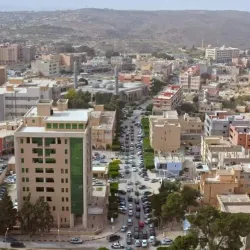
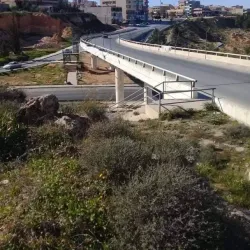
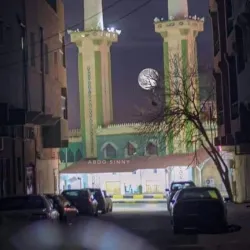
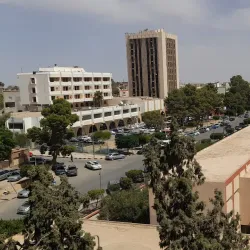
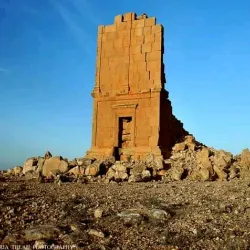
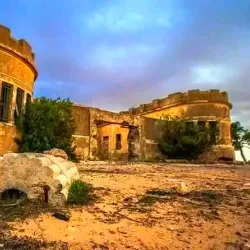
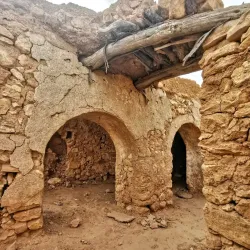
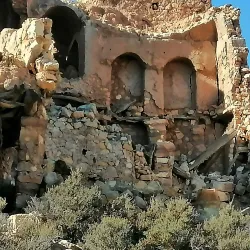
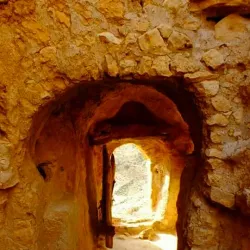
The old town of Gharyan is known for its traditional Berber architecture, narrow streets, and historic buildings. It provides a glimpse into the city's past and the lifestyle of its inhabitants over the centuries.
Visitors can explore ancient homes, local markets, and small mosques that reflect the cultural heritage of the region.
Nafusa Mountains
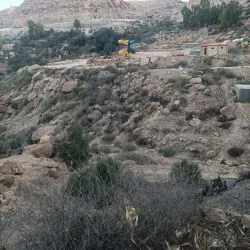
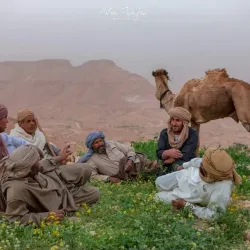
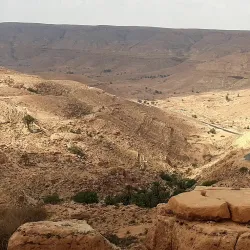
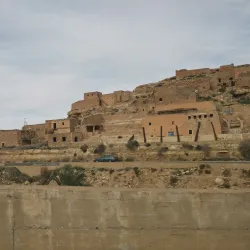
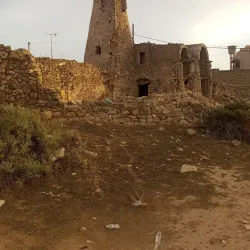
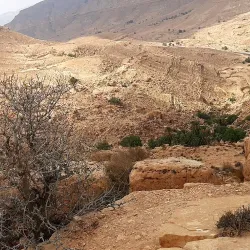
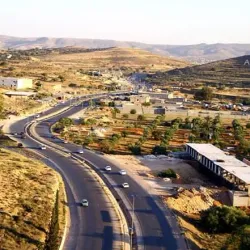
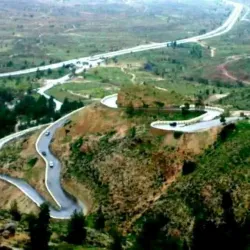
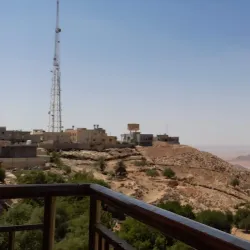
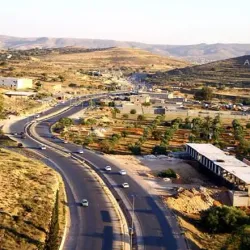
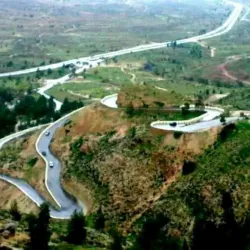
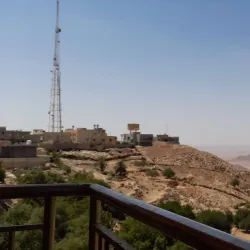
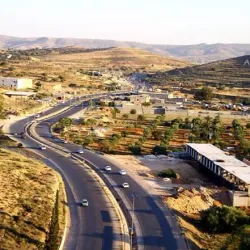
The Nafusa Mountains surrounding Gharyan offer stunning natural landscapes and opportunities for hiking and outdoor exploration. The mountains are home to various flora and fauna and provide panoramic views of the city and surrounding areas.
This region is also culturally significant, inhabited by Berber communities with unique traditions and crafts.
Gharyan Market (Souq)





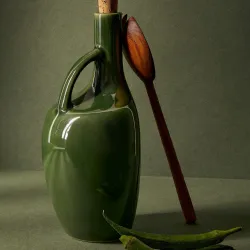
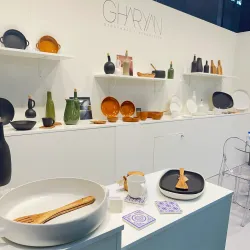

The local market in Gharyan is a vibrant place where visitors can experience traditional Libyan commerce. It features stalls selling spices, textiles, pottery, and handmade crafts.
The market is a great place to interact with locals and purchase authentic souvenirs.
Roman Ruins of Gharyan
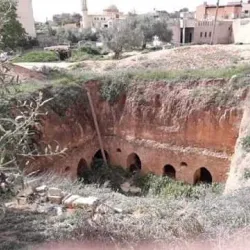
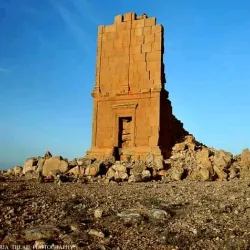
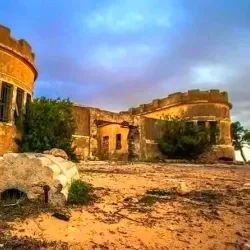
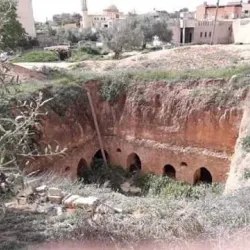
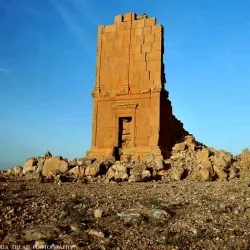
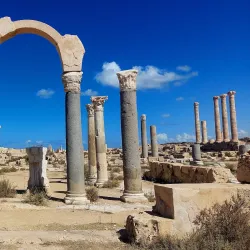
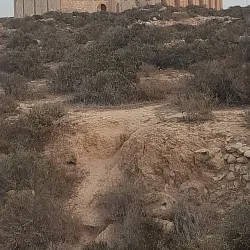
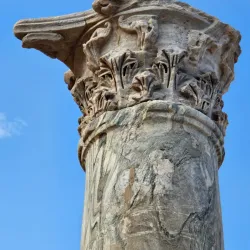
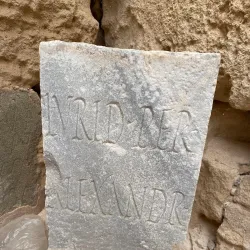
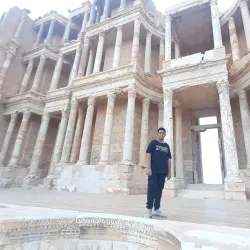
Gharyan is home to some ancient Roman ruins that highlight the city's historical significance during the Roman Empire. These ruins include remnants of buildings and artifacts that provide insight into the area's past.
Though not as extensive as other Roman sites in Libya, these ruins are an important cultural and historical attraction.
Traditional Pottery Workshops
Gharyan is famous for its traditional pottery, crafted using techniques passed down through generations. Visitors can tour workshops to see artisans at work and purchase unique handmade pottery items.
This craft is an important part of the city's cultural identity and economy.
Al-Mansur Mosque
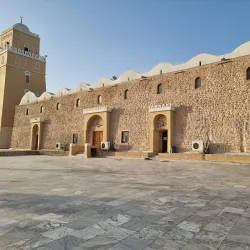
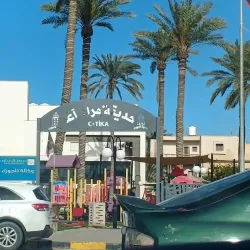
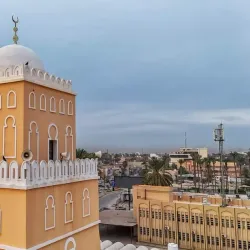
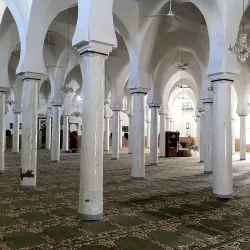
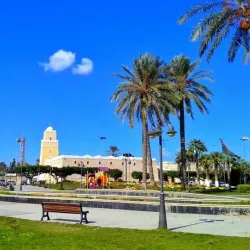
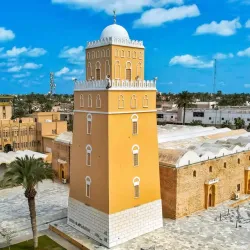
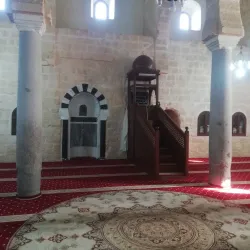
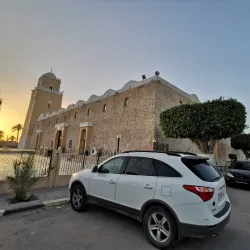
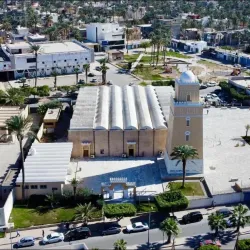
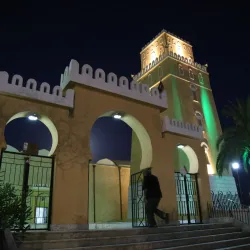
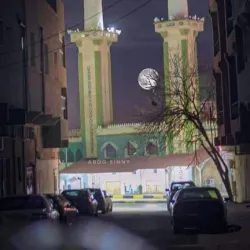
A notable mosque in Gharyan, Al-Mansur Mosque is an example of Islamic architecture in the city. It serves as a religious and community center for locals.
The mosque's design and decoration reflect the cultural and religious heritage of the area.
Gharyan Museum
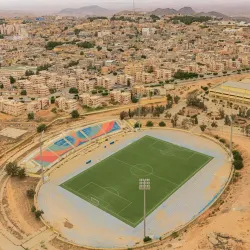
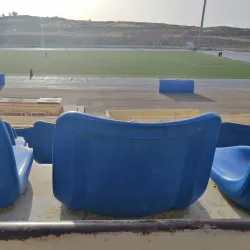
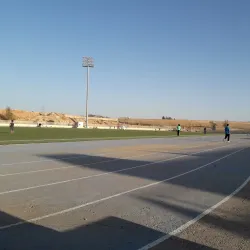
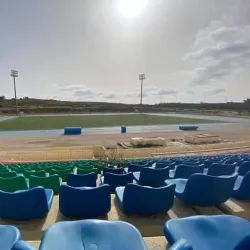

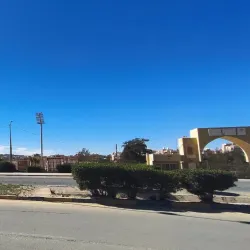
The Gharyan Museum showcases artifacts and exhibits related to the city's history, culture, and traditional crafts. It provides educational insights into the region's past and present.
The museum is a valuable stop for those interested in learning more about Gharyan and its people.
Local Olive Groves
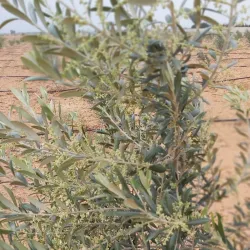
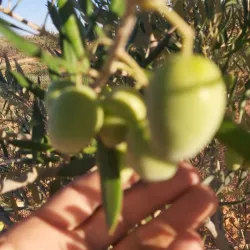

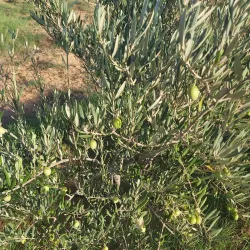

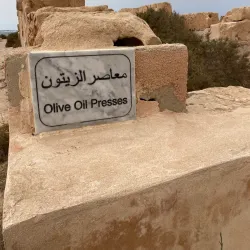
The area around Gharyan is known for its olive groves, which are an important part of the local agriculture and economy. Visitors can tour these groves and learn about olive cultivation and olive oil production.
Olive oil from this region is prized for its quality and flavor.
Wadi Gharyan



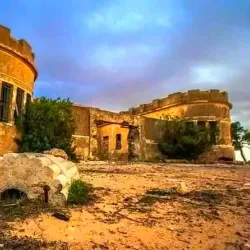
Wadi Gharyan is a valley near the city that offers scenic views and opportunities for nature walks and picnics. It is a peaceful natural area where visitors can enjoy the outdoors and observe local wildlife.
The wadi is also culturally significant as a traditional route and settlement area.
Traditional Berber Villages


Surrounding Gharyan are several traditional Berber villages that offer insight into the indigenous culture and way of life. These villages feature unique architecture, crafts, and customs.
Visiting these villages provides a deeper understanding of the region's cultural diversity and history.