
Quality of life in Kedainiai
Cost of Living, Healthcare, Safety, Education, and More
About Kedainiai
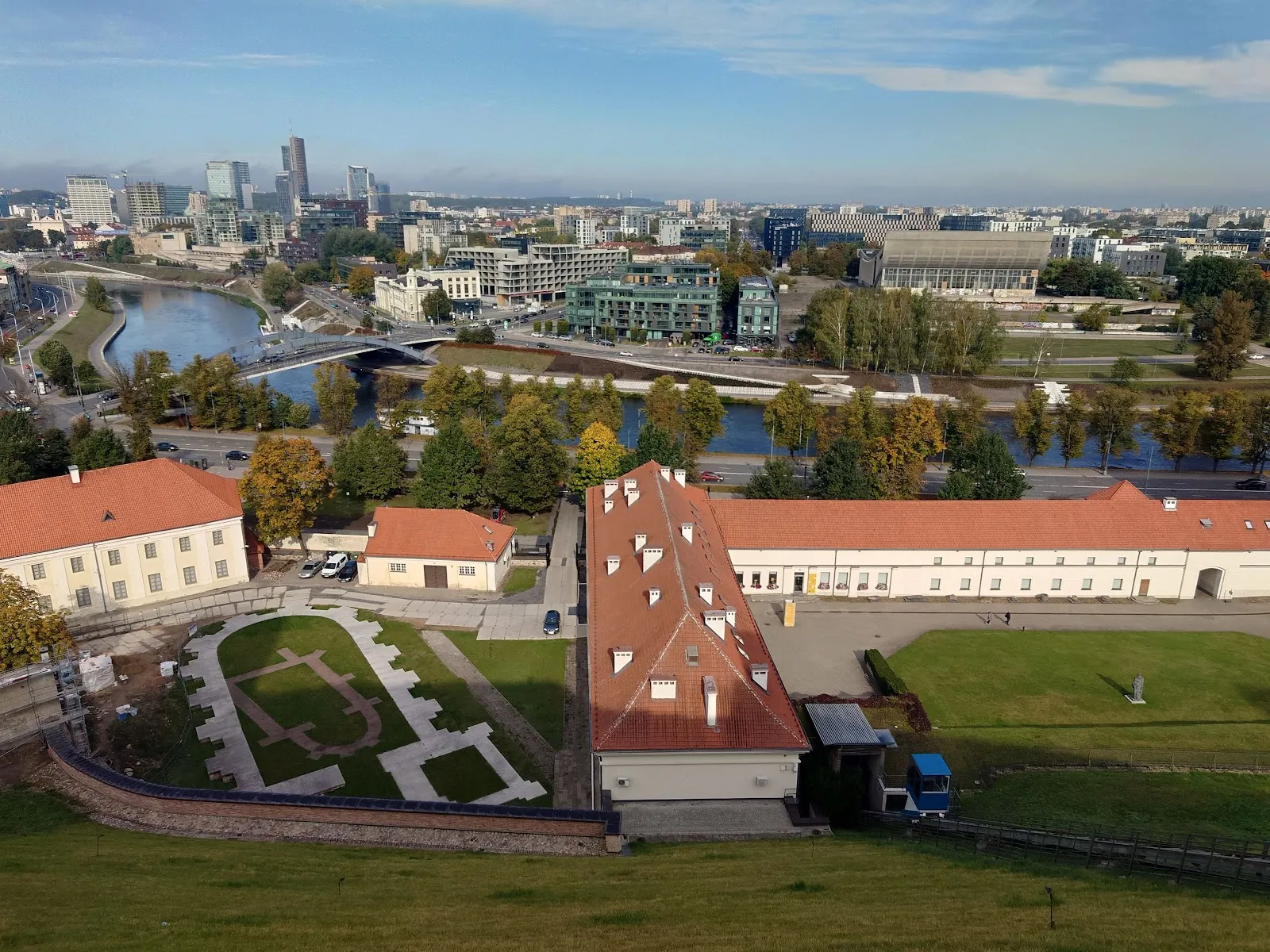
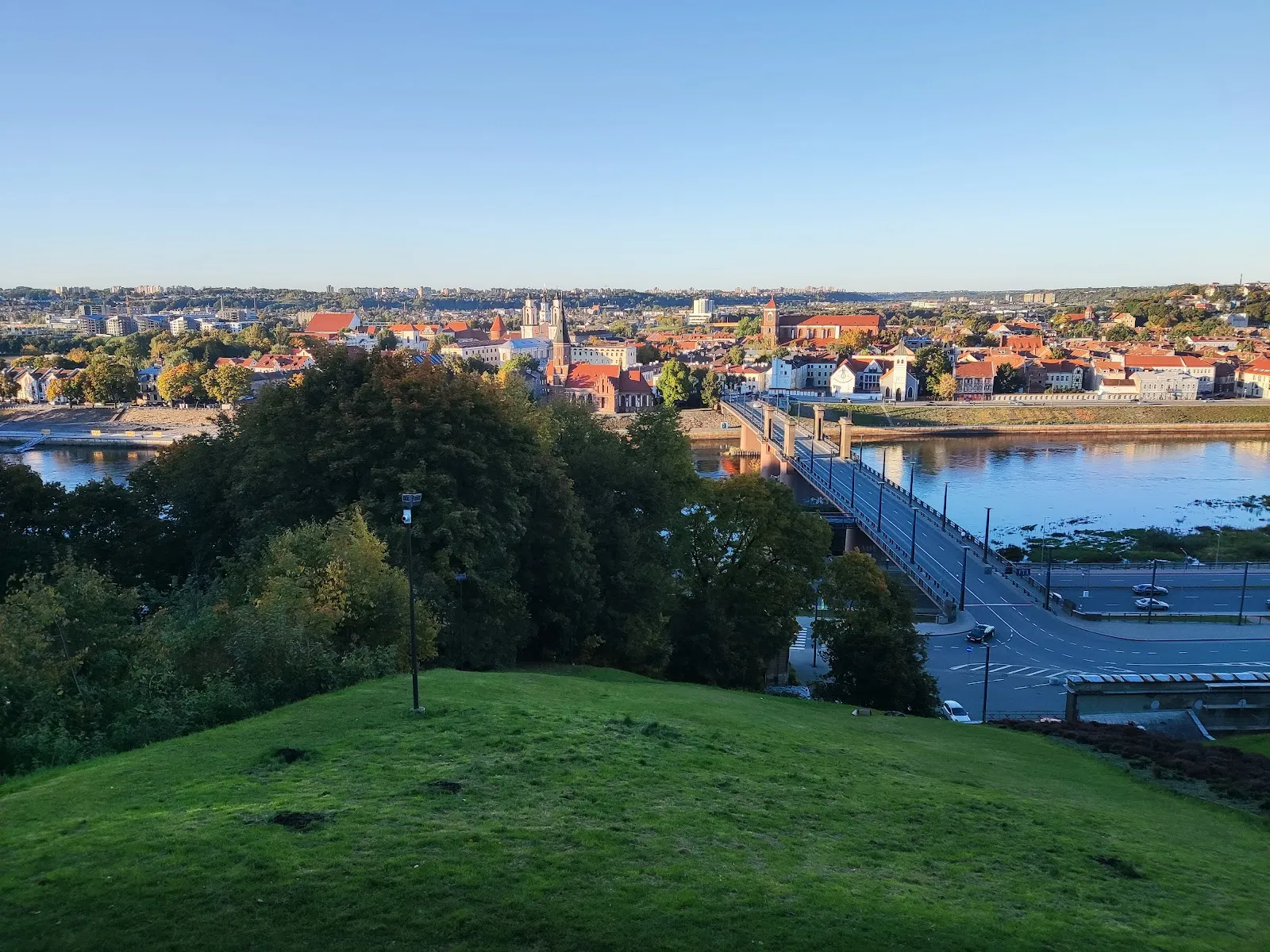
Kedainiai, located in the heart of Lithuania, is a city that beautifully blends its historical roots with modern-day charm. Known for its rich cultural heritage and vibrant community life, Kedainiai offers a unique glimpse into Lithuania's past while embracing contemporary trends.The city is a hub for agriculture and industry, contributing significantly to the region's economy. Its strategic location makes it an important center for trade and commerce, attracting businesses and visitors alike.Kedainiai is also recognized for its picturesque landscapes and well-preserved architecture, making it a delightful destination for tourists seeking both relaxation and exploration.


History and Culture
Kedainiai boasts a rich history that dates back to the 14th century. It was first mentioned in historical records in 1372 and has since played a significant role in Lithuania's development. The city was a major center during the Polish-Lithuanian Commonwealth, known for its diverse population and thriving trade.
Throughout its history, Kedainiai has been home to various ethnic communities, including Lithuanians, Poles, Jews, and Germans, each contributing to the city's cultural tapestry. This diversity is reflected in the city's architecture, with notable landmarks such as the Reformed Church and the Great Synagogue.
Cultural institutions like the Kedainiai Regional Museum offer insights into the city's past, showcasing artifacts and exhibitions that highlight its historical significance. The city also hosts numerous cultural events and festivals, celebrating its heritage and fostering community spirit.
Things to do in Kedainiai
Visitors to Kedainiai can explore a variety of attractions and activities. The Old Town is a must-see, with its charming streets and historical buildings that tell the story of the city's past.
Nature enthusiasts will enjoy the nearby parks and natural reserves, offering opportunities for hiking, bird watching, and picnicking. The Nevėžis River provides a scenic backdrop for outdoor activities and leisurely strolls.
Kedainiai is also known for its vibrant cultural scene, with events such as the Kedainiai City Festival and various art exhibitions held throughout the year. Local markets and restaurants offer a taste of traditional Lithuanian cuisine, providing a delightful culinary experience.
Quality of Life Rankings
Weather in Kedainiai
Kedainiai, Lithuania experiences a humid continental climate characterized by cold winters and warm summers. The city receives an average annual precipitation of approximately 24 inches (600 mm), with July being the wettest month, averaging about 3 inches (75 mm) of rainfall.
Seasonal Breakdown
- Spring (March to May)Temperatures gradually rise from an average high of 41°F (5°C) in March to 64°F (18°C) in May. Rainfall increases during this period, with May receiving the most precipitation, averaging around 2.5 inches (65 mm).
- Summer (June to August)The hottest months, with average highs ranging from 70°F (21°C) in June to 75°F (24°C) in July. Rainfall is moderate, averaging around 3 inches (75 mm) per month, with July being the wettest month.
- Autumn (September to November)Temperatures gradually decrease from an average high of 64°F (18°C) in September to 41°F (5°C) in November. Rainfall remains moderate, averaging around 2 inches (50 mm) per month.
- Winter (December to February)The coldest period, with average highs ranging from 32°F (0°C) in December to 28°F (-2°C) in February. Snowfall is common, especially in January, averaging about 6 inches (150 mm) of snow.
Notable Weather Events
- Occasional heatwaves during summer months.
- Heavy snowfall during winter, particularly in January.
- Spring and autumn can experience sudden temperature changes and windy conditions.
Kedainiai's Political Climate
Kedainiai, a city in central Lithuania, is known for its rich historical and cultural heritage. Politically, it is part of a country that has undergone significant transformations since regaining independence from the Soviet Union in 1990. The city operates under the governance of the Kedainiai District Municipality, which is responsible for local administration and policy implementation.
The political landscape in Kedainiai is influenced by Lithuania's broader national politics, which are characterized by a multi-party system. The city has seen a mix of political affiliations over the years, with a strong presence of centrist and right-leaning parties. Recent years have seen a focus on economic development, infrastructure improvement, and social welfare policies.
Kedainiai has been proactive in implementing progressive policies, particularly in areas such as environmental sustainability and cultural preservation. The city has invested in green initiatives, aiming to reduce carbon emissions and promote renewable energy sources. Social justice and community engagement are also key areas of focus, with efforts to enhance public services and support for marginalized groups.
The political climate in Kedainiai is reflective of Lithuania's commitment to European Union standards, influencing economic, social, and environmental policies. The city's leadership is keen on maintaining transparency and fostering civic engagement, encouraging residents to participate actively in local governance. Recent political events have included discussions on regional development and the integration of digital technologies in public services.
Political Quick Facts
- Voter Turnout68%
- City GovernanceKedainiai District Municipality
- CompositionMajority centrist with a significant right-leaning minority
- Recent Political ChangesIncreased focus on digital transformation and regional development
- EngagementModerate to high, with active community participation
- Political ScorecardHigh transparency and governance ratings
- Legislative PrioritiesEconomic development Environmental sustainability Social welfare enhancement
- Public OpinionGenerally supportive of EU integration and progressive policies
Notable Political Figures
- Jonas TalmantasCurrent mayor known for his focus on economic growth and infrastructure.
- Asta KubilieneCity council member advocating for environmental policies and green initiatives.
- Vytautas GriciusLocal politician with a strong emphasis on social justice and community services.