
Quality of life in Panemune
Cost of Living, Healthcare, Safety, Education, and More
About Panemune
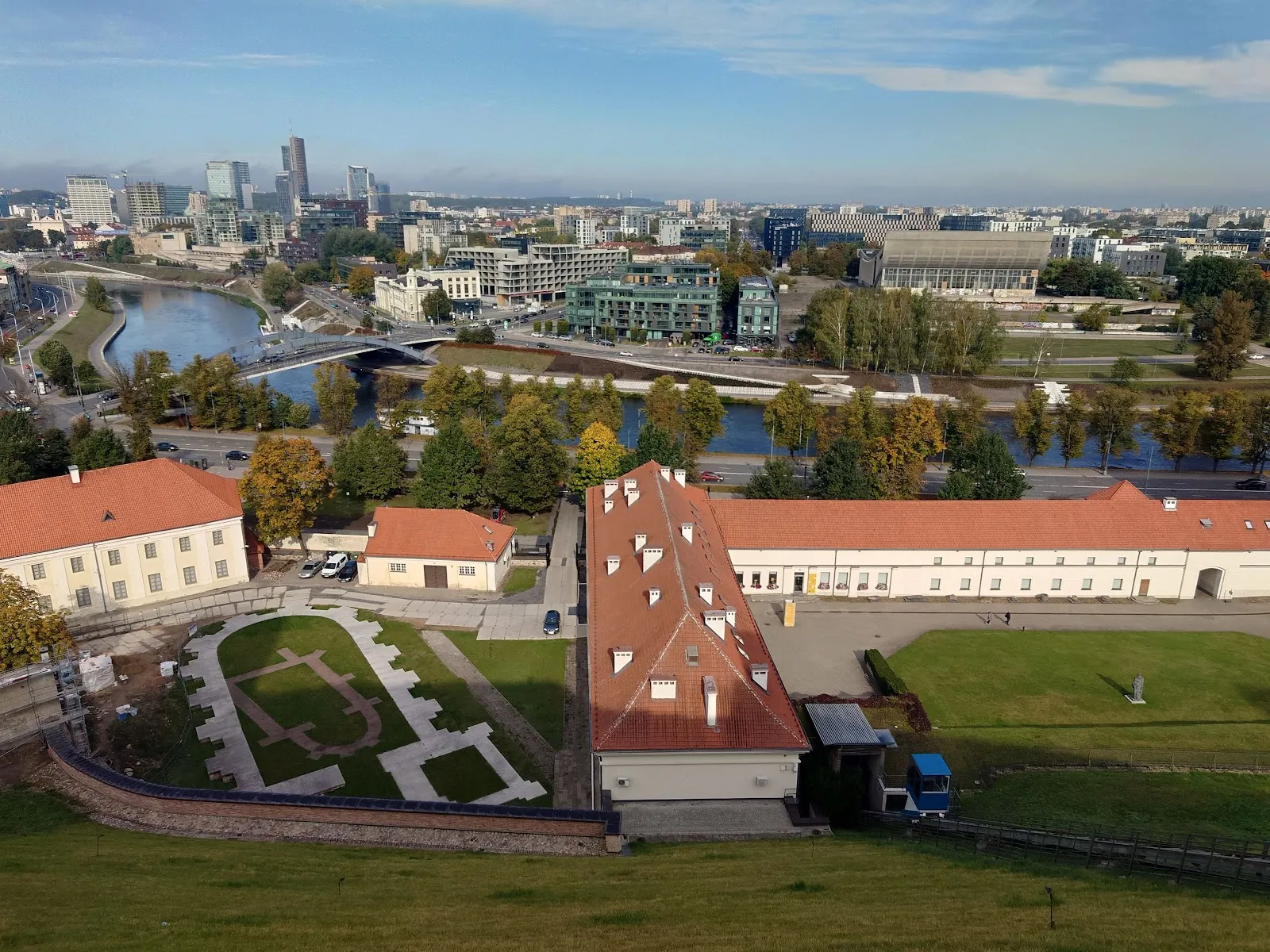
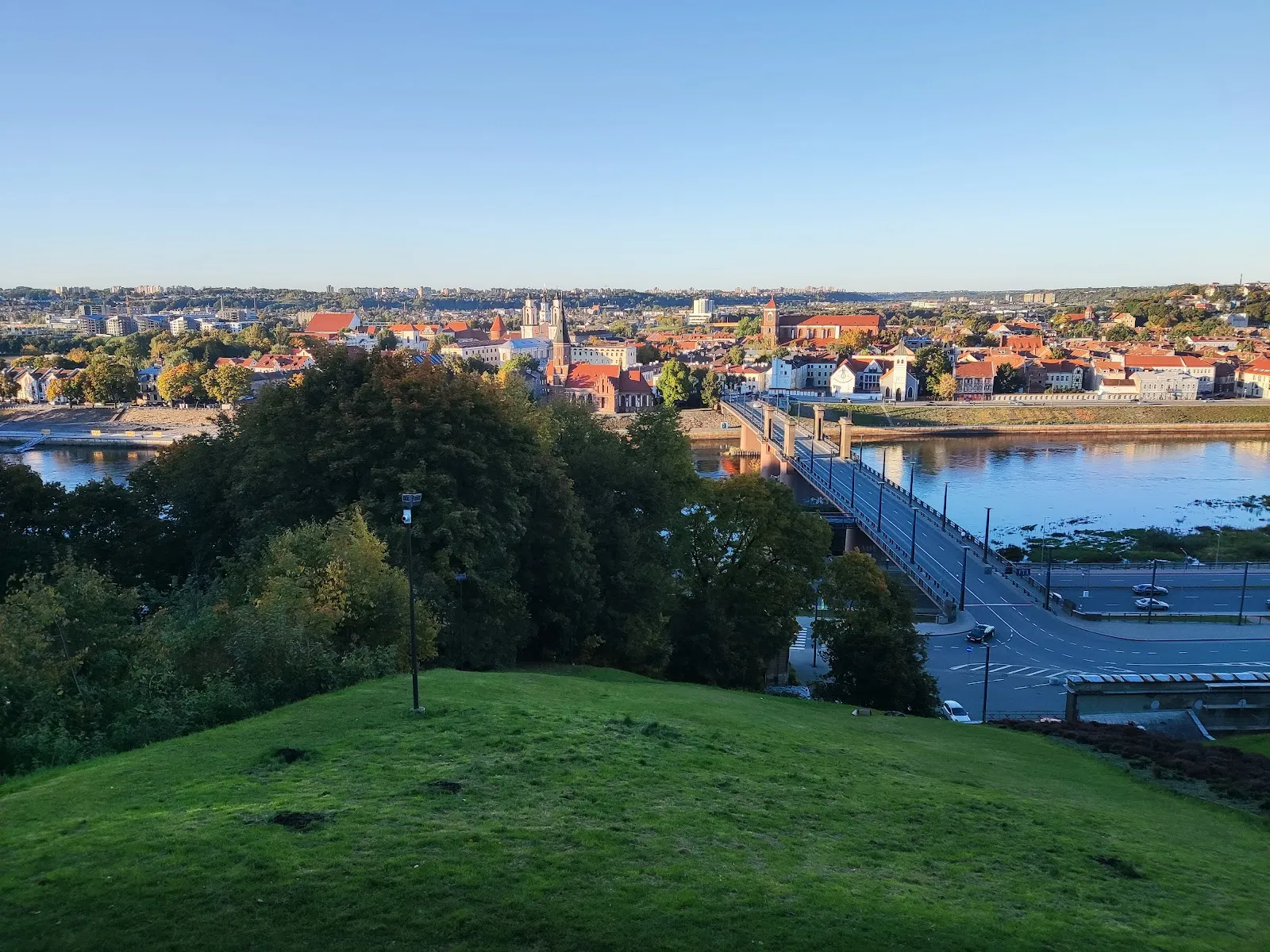
Panemune, located in Lithuania, is a city that beautifully blends historical charm with modern vibrancy. Known for its picturesque landscapes and rich cultural heritage, Panemune offers a unique experience for both residents and visitors. The city is characterized by its serene environment, making it an ideal destination for those seeking tranquility and a connection with nature.In recent years, Panemune has seen a rise in cultural activities and community events, reflecting its dynamic and evolving nature. The city is also becoming a hub for local artisans and craftsmen, showcasing Lithuania's traditional arts and crafts. This blend of old and new makes Panemune a fascinating place to explore.


History and Culture
Panemune's history is deeply intertwined with the broader historical narratives of Lithuania. The city has been a witness to various historical events, from medieval times to the modern era. Its strategic location has made it a significant site throughout history, often serving as a crossroads for trade and cultural exchange.
Culturally, Panemune is a tapestry of influences, with a rich tradition of folklore and music that continues to thrive today. The city is home to several cultural institutions, including museums and galleries that celebrate its artistic heritage. Notable figures from Panemune have contributed to Lithuania's cultural landscape, leaving a lasting impact on the arts and literature.
The city's ethnic diversity is reflected in its vibrant festivals and celebrations, which highlight the contributions of various communities. Events such as the annual Panemune Folk Festival showcase traditional music, dance, and crafts, drawing visitors from across the region.
Things to do in Panemune
Visitors to Panemune can enjoy a variety of activities that highlight the city's natural beauty and cultural richness. The Panemune Castle, a historical landmark, offers a glimpse into the region's past and is a must-visit for history enthusiasts. The surrounding parklands provide ample opportunities for hiking and picnicking, making it a perfect spot for outdoor lovers.
Cultural events are a staple in Panemune, with numerous festivals and markets held throughout the year. The local food scene is also worth exploring, with traditional Lithuanian dishes served in cozy restaurants and cafes. For those interested in arts and crafts, the city's artisan markets offer unique handmade goods that reflect the local culture.
Additionally, Panemune's proximity to the Nemunas River allows for various water activities, including boating and fishing, providing a refreshing escape during the warmer months.
Quality of Life Rankings
Weather in Panemune
Panemune, Lithuania experiences a humid continental climate characterized by cold winters and warm summers. The city receives an average annual precipitation of approximately 25 inches (635 mm), with July being the wettest month, averaging around 3 inches (76 mm) of rainfall.
Seasonal Breakdown
- Spring (March to May)Temperatures gradually rise from an average high of 41°F (5°C) in March to 64°F (18°C) in May. Rainfall increases during this period, with May receiving the most precipitation, averaging around 2.5 inches (64 mm).
- Summer (June to August)The hottest months, with average highs ranging from 70°F (21°C) in June to 75°F (24°C) in July. Rainfall is moderate, averaging around 3 inches (76 mm) per month, with July being the wettest month.
- Autumn (September to November)Temperatures gradually decrease from an average high of 66°F (19°C) in September to 41°F (5°C) in November. Rainfall remains moderate, averaging around 2.5 inches (64 mm) per month.
- Winter (December to February)The coldest period, with average highs ranging from 32°F (0°C) in December to 28°F (-2°C) in February. Snowfall is common, especially in January, averaging about 6 inches (152 mm) of snow.
Notable Weather Events
- Occasional heatwaves during summer months.
- Heavy snowfall events in winter, particularly in January.
- Spring and autumn can experience sudden temperature changes and occasional storms.
Panemune's Political Climate
Panemune, a city in Lithuania, is characterized by a dynamic political climate that reflects both its historical roots and modern aspirations. The city operates under a municipal government system, which is common in Lithuania, and is influenced by the broader national political trends. Historically, Panemune has been a hub for political activism, often reflecting the broader national movements for independence and democratic governance.
Currently, the city's political leadership is aligned with centrist and progressive ideologies, focusing on sustainable urban development and social equity. The local government has been proactive in implementing green policies, aiming to reduce carbon emissions and promote renewable energy sources. These initiatives are part of a broader strategy to position Panemune as a leader in environmental sustainability within Lithuania.
Social justice is another key area of focus for Panemune's political agenda. The city has launched several programs aimed at improving social welfare and reducing inequality. This includes initiatives to support marginalized communities and enhance public services. The political climate in Panemune is also shaped by its commitment to transparency and civic engagement, encouraging residents to participate actively in local governance.
Recent political events in Panemune include a shift towards more inclusive policy-making processes, with increased public consultations and community involvement in decision-making. This trend reflects a growing demand for accountability and responsiveness from the city's leadership. The political landscape in Panemune continues to evolve, influenced by both local and national developments, as well as the broader European context.
Political Quick Facts
- Voter Turnout68%
- City GovernanceMunicipal government
- CompositionMajority centrist with minority progressive representation
- Recent Political ChangesIncreased public consultations and community involvement
- EngagementHigh, with active civic participation
- Political ScorecardB+ for governance and transparency
- Legislative PrioritiesSustainable urban development Social equity and welfare Renewable energy initiatives
- Public OpinionGenerally supportive of progressive policies, with a strong emphasis on environmental and social issues
Notable Political Figures
- Jonas PetraitisMayor of Panemune known for his environmental initiatives.
- Austeja ZukauskaiteCity council member advocating for social justice reforms.
- Darius KazlauskasLocal activist and leader in civic engagement movements.