Compare cities by Property Prices metrics and find the best places to live
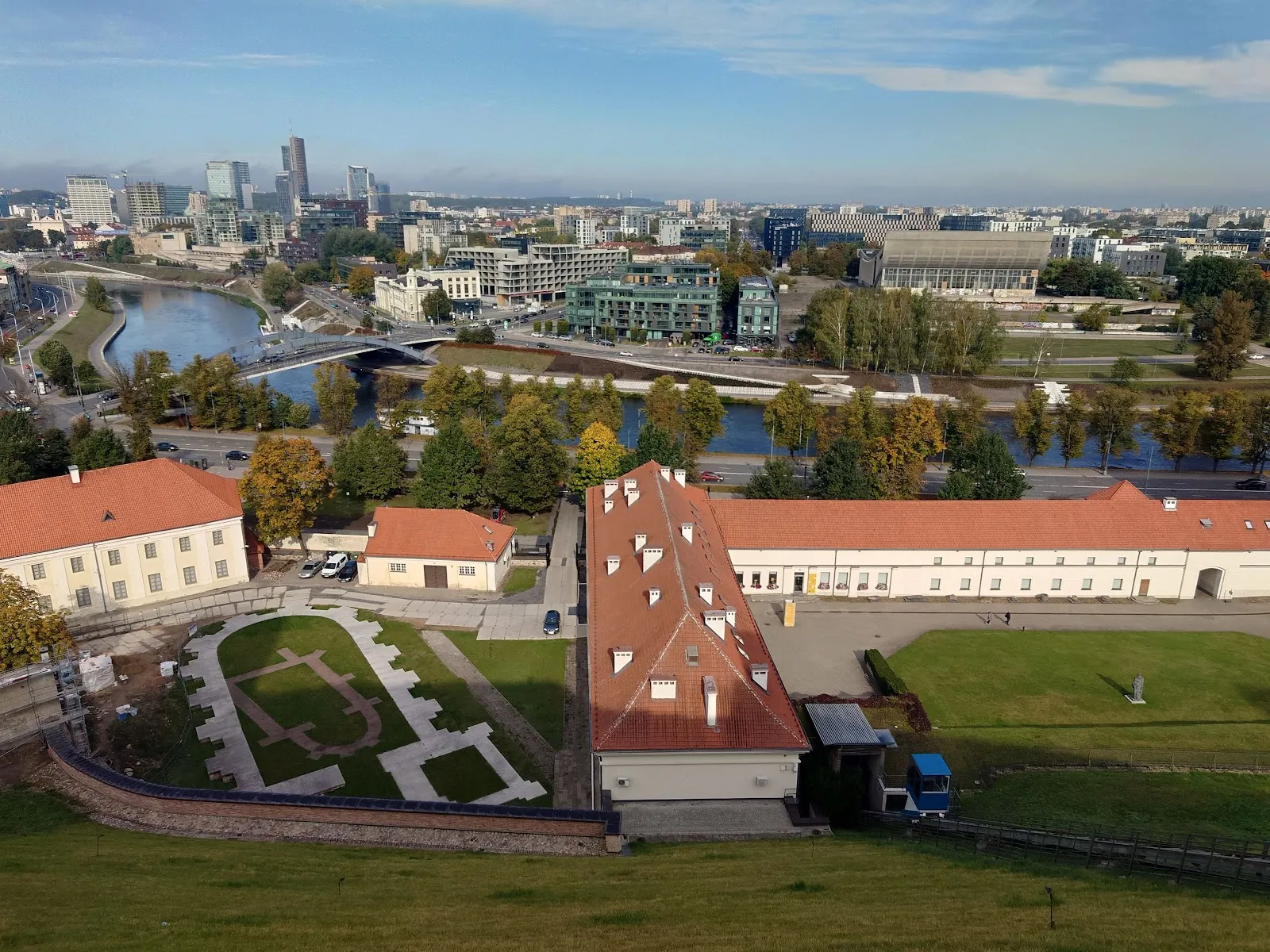
Vilnius, the capital of Lithuania, is a city that beautifully blends its rich historical heritage with modern vibrancy. Known for its stunning Baroque architecture, Vilnius is a cultural hub that attracts visitors with its charming old town, which is a UNESCO World Heritage site. The city is also a center for education and innovation, with a growing tech industry and a vibrant arts scene. In recent years, Vilnius has emerged as a dynamic city with a focus on sustainability and innovation. The city's commitment to green initiatives and smart city solutions has made it a model for urban development in the region. With a diverse population and a welcoming atmosphere, Vilnius offers a unique blend of traditional Lithuanian culture and contemporary European influences.
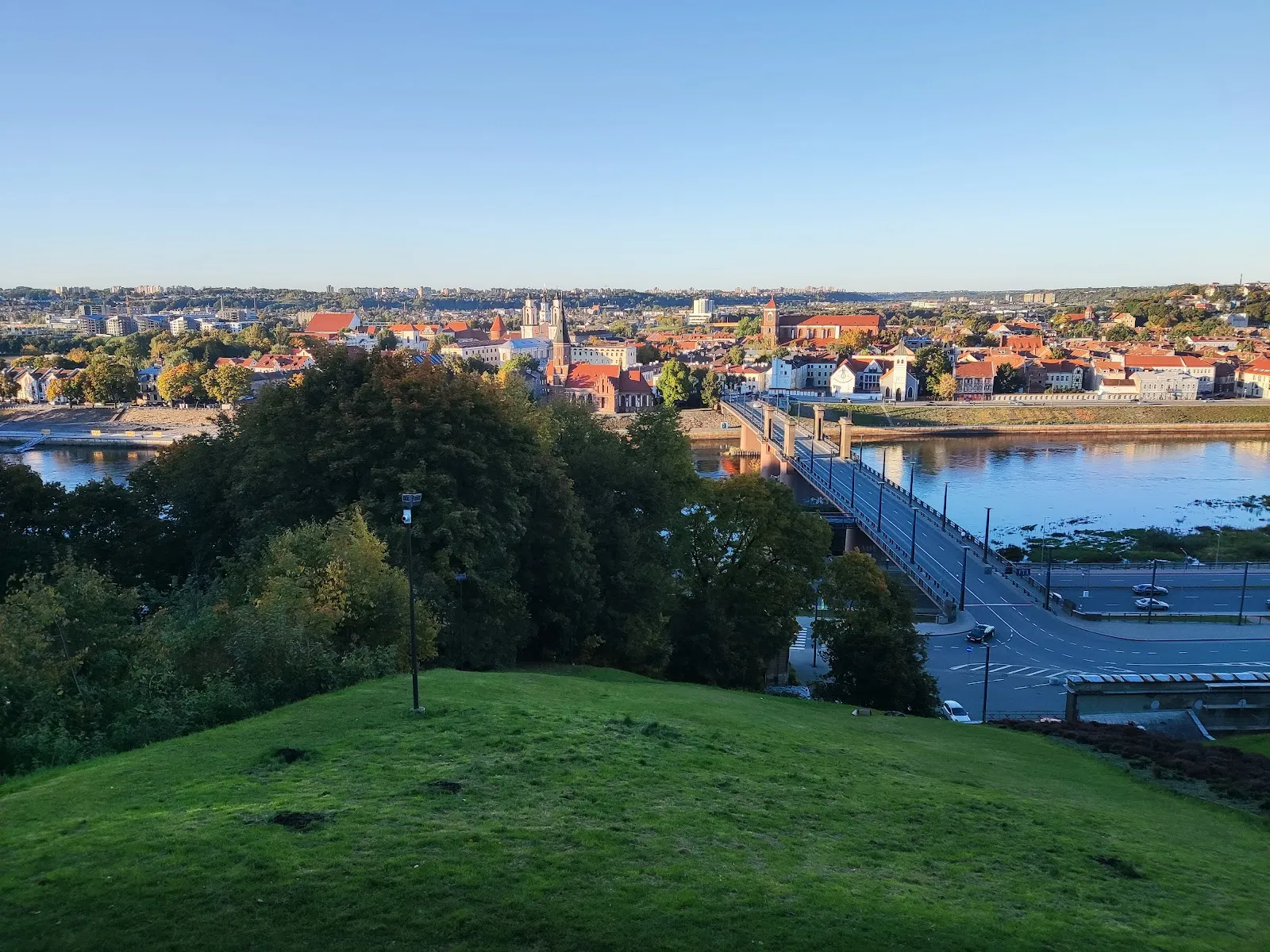
Kaunas, the second-largest city in Lithuania, is a vibrant hub of culture and history. Known for its rich architectural heritage and dynamic cultural scene, Kaunas offers a unique blend of old-world charm and modern innovation. The city is strategically located at the confluence of the Nemunas and Neris rivers, making it a significant center for trade and commerce throughout history. In recent years, Kaunas has emerged as a cultural hotspot, hosting numerous international events and festivals. The city's commitment to preserving its historical legacy while embracing contemporary trends makes it a fascinating destination for both residents and visitors. With a growing focus on sustainability and innovation, Kaunas is poised to continue its development as a leading city in Lithuania.
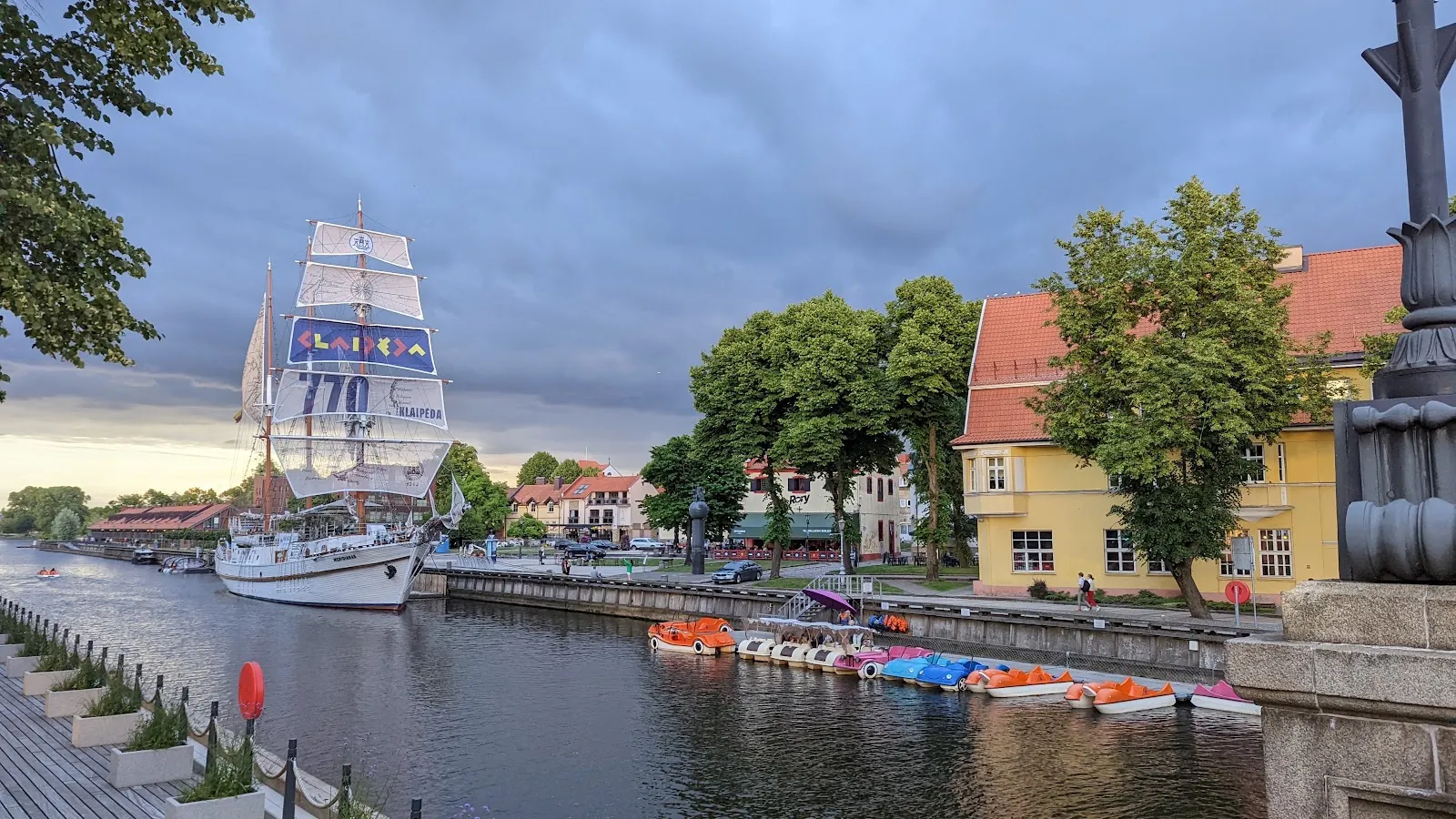
Klaipeda, Lithuania's third-largest city, is a vibrant port city located on the Baltic Sea. Known for its rich maritime history and diverse cultural influences, Klaipeda offers a unique blend of old-world charm and modern amenities. The city serves as a crucial economic hub, with its port being one of the most significant in the Baltic region. Klaipeda is renowned for its lively cultural scene, featuring numerous festivals, art exhibitions, and music events throughout the year. The city's architecture reflects its complex history, with influences from German, Swedish, and Russian styles. As a gateway to the Curonian Spit, a UNESCO World Heritage site, Klaipeda attracts tourists seeking both cultural experiences and natural beauty.