Things to do in Malacca (Melaka)
Malacca, also known as Melaka, is a historic city located on the west coast of Peninsular Malaysia. It is renowned for its rich cultural heritage, blending Malay, Chinese, Portuguese, Dutch, and British influences. The city is a UNESCO World Heritage Site, celebrated for its well-preserved colonial architecture and vibrant street life.Visitors to Malacca can explore its charming old town, bustling night markets, and riverside attractions. The city offers a unique mix of historical landmarks, museums, religious sites, and local cuisine that reflect its diverse cultural tapestry.A Famosa


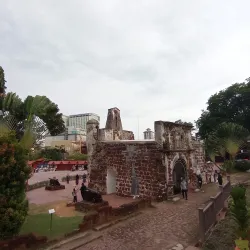




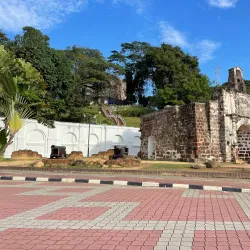
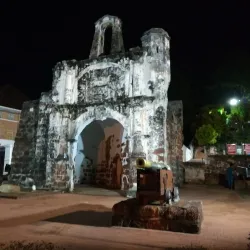

A Famosa is a Portuguese fortress built in the early 16th century and is one of the oldest surviving European architectural remains in Southeast Asia. The iconic gatehouse, Porta de Santiago, is a symbol of Malacca’s colonial past and a popular photo spot.
Visitors can explore the ruins and learn about the Portuguese influence on Malacca’s history through nearby museums and guided tours.
St. Paul's Hill and Church
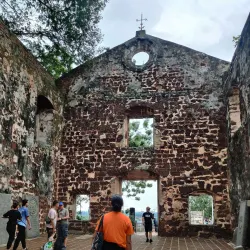
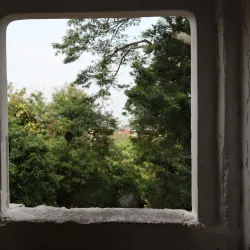


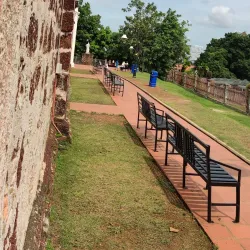

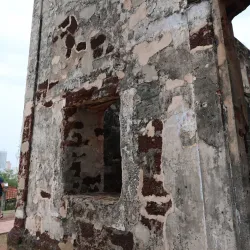


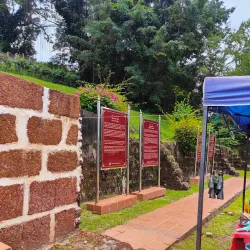
St. Paul's Hill offers panoramic views of Malacca and is home to the ruins of St. Paul's Church, originally built by the Portuguese in 1521. The church is a significant historical site that reflects the city’s colonial religious heritage.
The hill is a peaceful spot for visitors to explore the remnants of the church and enjoy the surrounding gardens.
Dutch Square (Red Square)
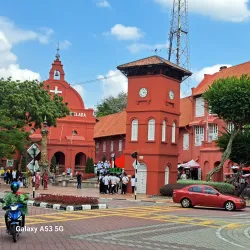
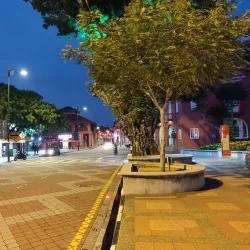
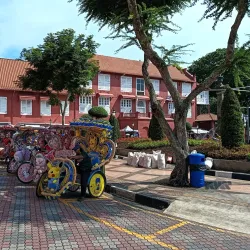
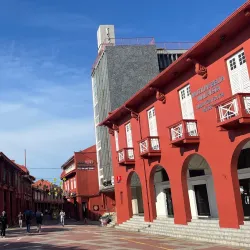
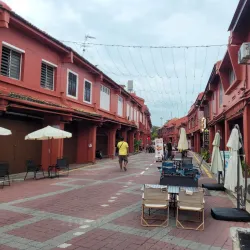
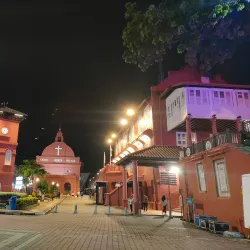
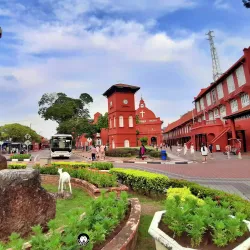
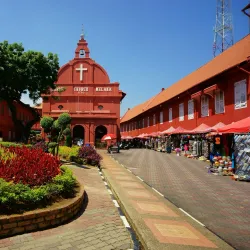
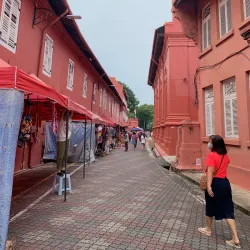
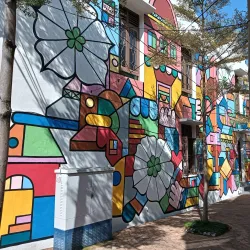
Dutch Square is famous for its striking red buildings, including the Stadthuys, Christ Church, and the Queen Victoria Fountain. These structures date back to the Dutch colonial period and showcase Dutch colonial architecture.
The square is a bustling area with cafes, shops, and street performers, making it a lively place to experience Malacca’s cultural vibe.
Jonker Street (Jalan Hang Jebat)


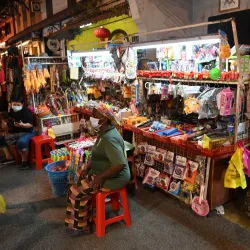
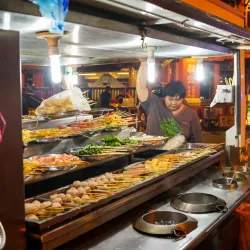



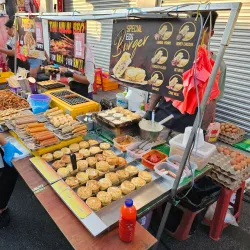
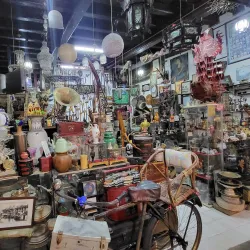
Jonker Street is the heart of Malacca’s Chinatown and is renowned for its vibrant night market, antique shops, and street food stalls. It is a must-visit for those wanting to experience local culture and cuisine.
The street comes alive in the evenings with performances, food vendors, and a festive atmosphere that attracts both locals and tourists.
Malacca Sultanate Palace Museum
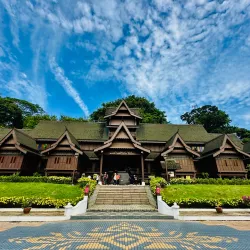
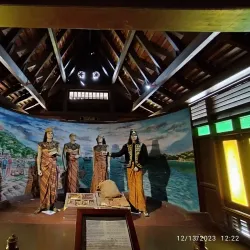
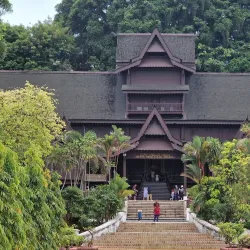
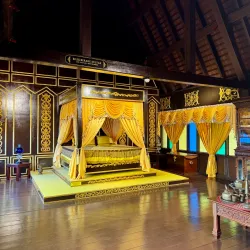
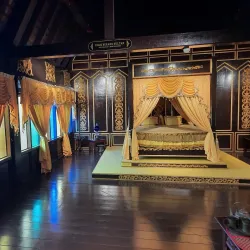
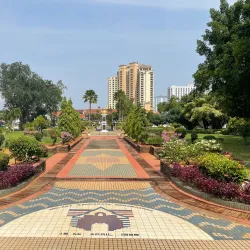
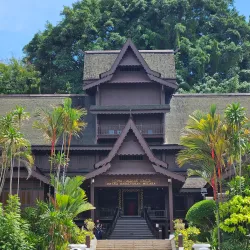
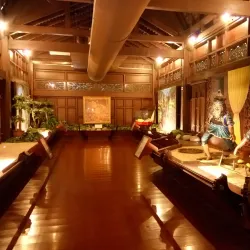
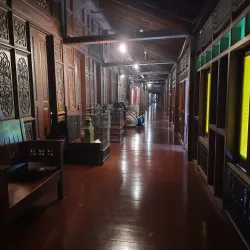
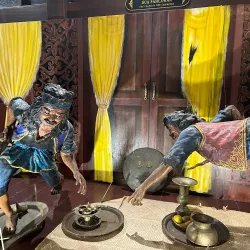
This museum is a replica of the 15th-century palace of the Malacca Sultanate and showcases the history and culture of the Malay Sultanate era. It features traditional architecture and exhibits on royal customs, artifacts, and historical events.
The museum provides insight into Malacca’s pre-colonial history and Malay heritage.
Cheng Hoon Teng Temple
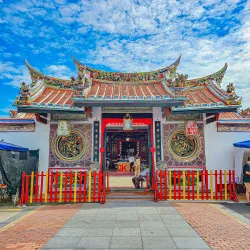
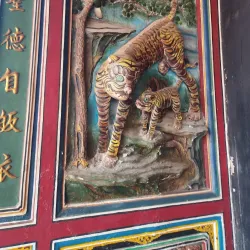
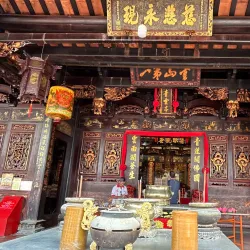
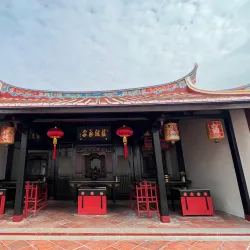
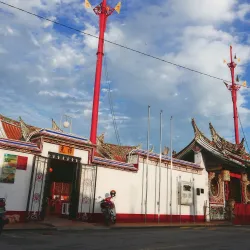
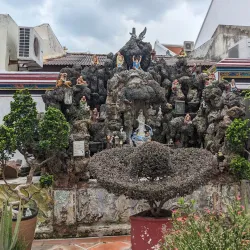
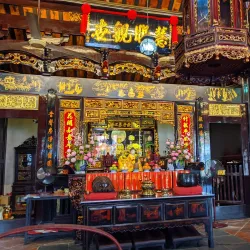
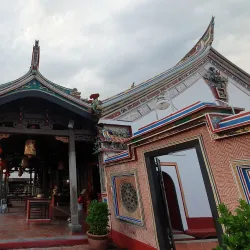
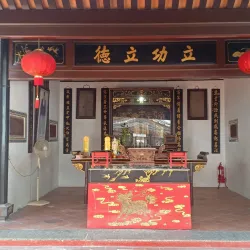
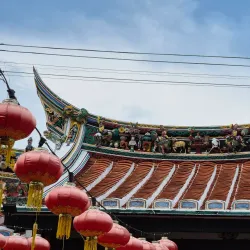
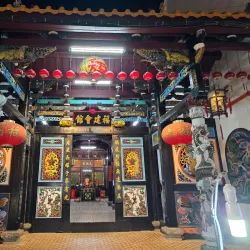
Cheng Hoon Teng is the oldest functioning Chinese temple in Malaysia, dating back to the 17th century. It is dedicated to the goddess of mercy and reflects the religious and cultural practices of the Chinese community in Malacca.
The temple’s intricate wood carvings, stone sculptures, and peaceful courtyard attract visitors interested in religious history and architecture.
Baba & Nyonya Heritage Museum
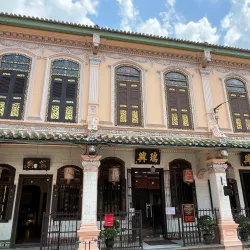
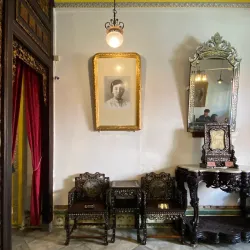
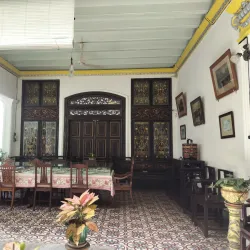
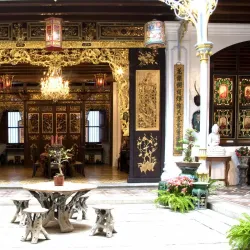
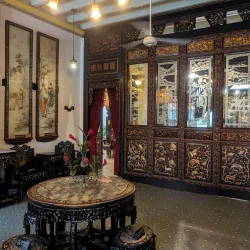
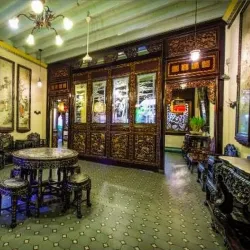
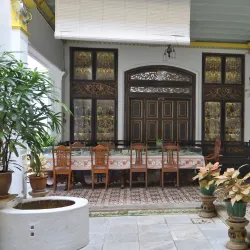
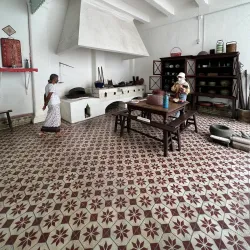
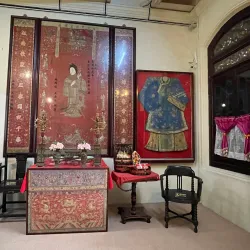
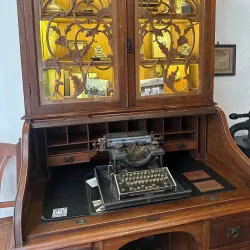
This museum offers a glimpse into the Peranakan culture, showcasing the lifestyle, customs, and artifacts of the Straits Chinese community. The museum is housed in a traditional Peranakan house with beautifully preserved interiors.
Visitors can learn about the unique blend of Chinese and Malay influences that define the Peranakan heritage.
Malacca River Cruise
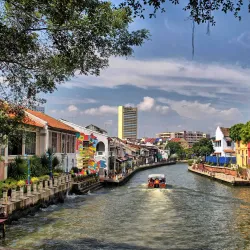
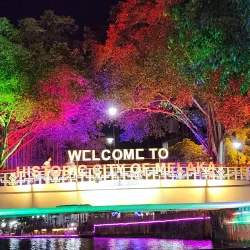
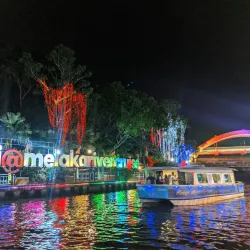
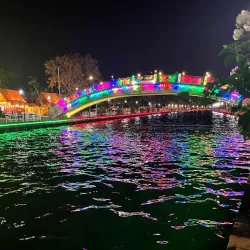
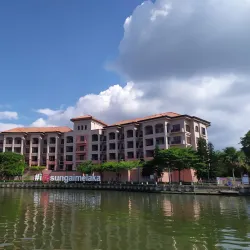
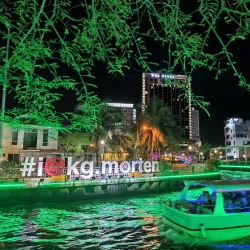
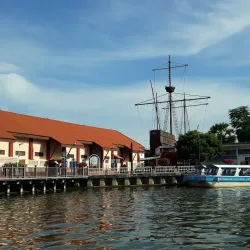
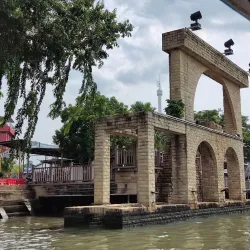
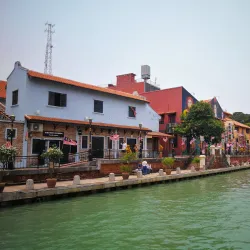
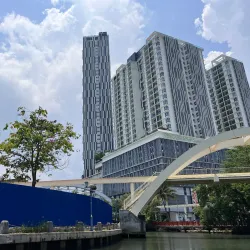
The Malacca River Cruise provides a scenic boat ride along the Malacca River, passing by historical buildings, old warehouses, and colorful murals. It is a relaxing way to see the city from a different perspective.
The cruise is especially popular in the evening when the riverbanks are illuminated with lights, creating a charming atmosphere.
Maritime Museum (Flor de la Mar)
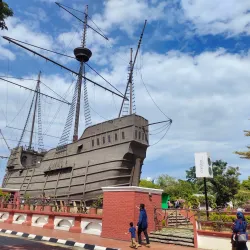
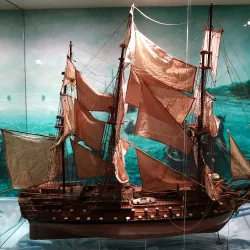
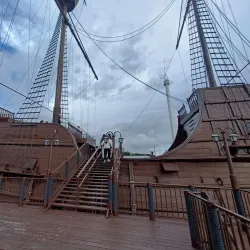
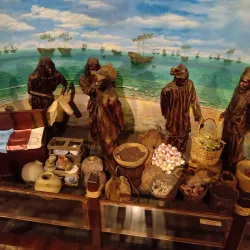
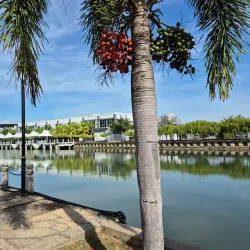
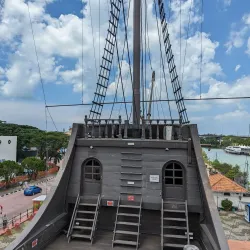
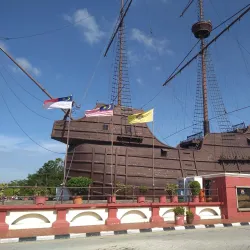
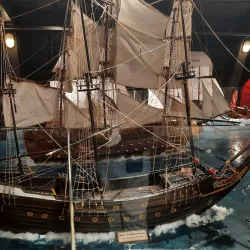
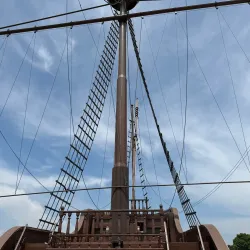
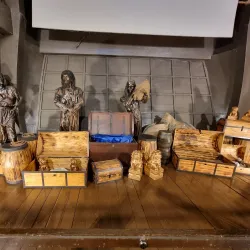
The Maritime Museum is housed in a replica of the Flor de la Mar, a Portuguese ship that sank off the coast of Malacca. The museum exhibits Malacca’s maritime history, including trade, naval battles, and shipbuilding.
It is an educational attraction that highlights the city’s strategic importance as a historic trading port.
St. John's Fort
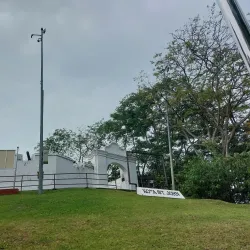
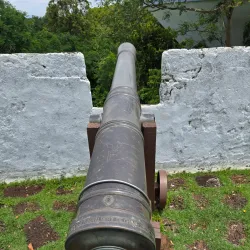
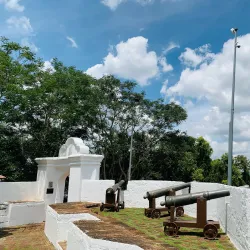
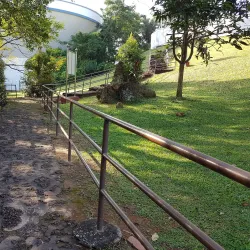
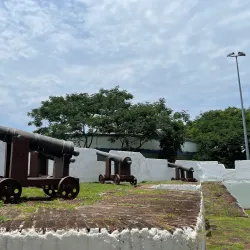
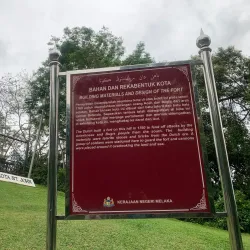
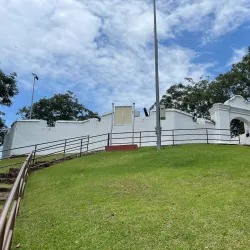
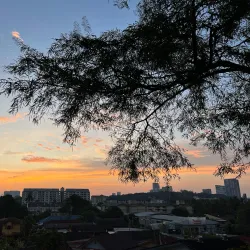
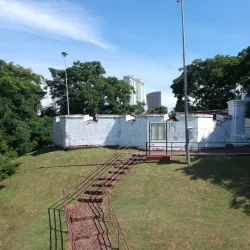
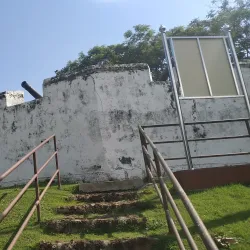
St. John's Fort is a small hilltop fort built by the Portuguese in the 16th century. It offers panoramic views of Malacca and the Strait of Malacca.
The fort is less crowded than other sites and provides a quiet spot for history enthusiasts and photographers.