Things to do in Gao
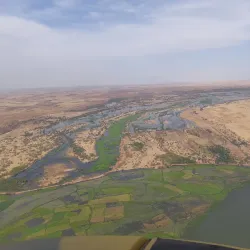
Gao, located in eastern Mali along the Niger River, is a city rich in history and culture. Once the capital of the Songhai Empire, it offers visitors a glimpse into West Africa's medieval past alongside vibrant local traditions.The city is known for its historic sites, bustling markets, and proximity to natural landscapes, making it a unique destination for travelers interested in history, culture, and nature.The Tomb of Askia
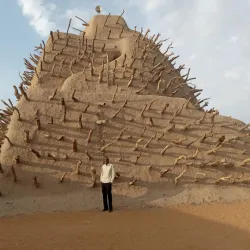
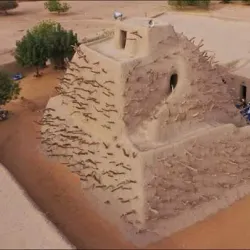
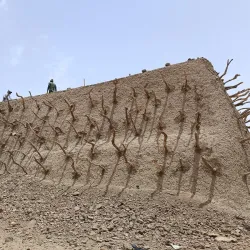
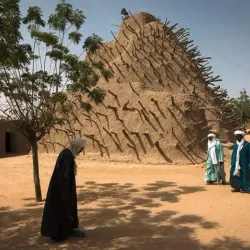
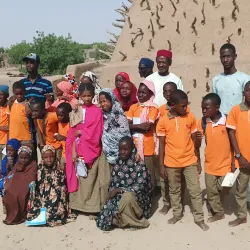
The Tomb of Askia is a UNESCO World Heritage site and one of Gao's most iconic landmarks. It is the burial place of Askia Mohammad I, the ruler of the Songhai Empire in the late 15th century.
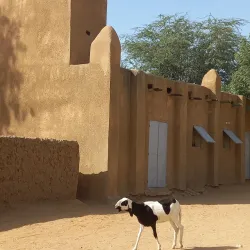
The tomb is an impressive mud-brick structure that exemplifies Sahelian architecture and holds great historical and cultural significance.
Gao Old Town
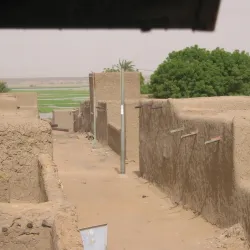
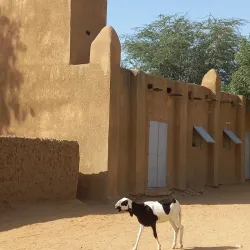
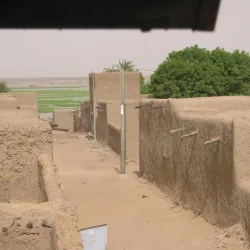
The Old Town of Gao offers a glimpse into the city's past with its traditional architecture and narrow streets. It is a place where visitors can experience the local way of life and see historic buildings.
The area is also home to markets where traditional crafts and goods are sold, providing a vibrant cultural experience.
Niger River
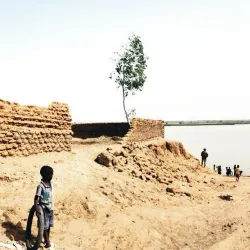
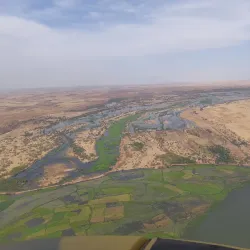
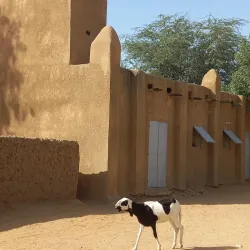
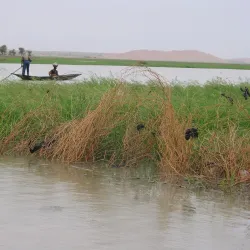
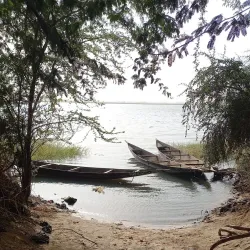
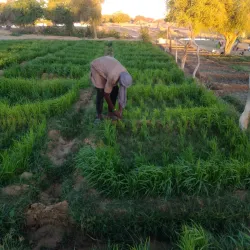

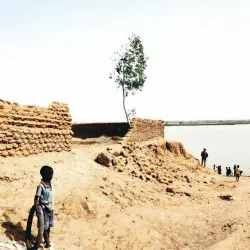
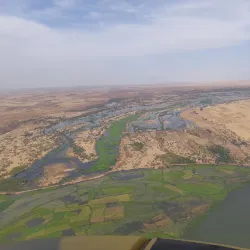
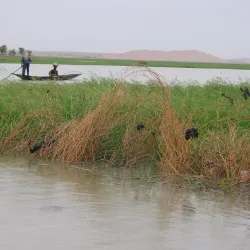
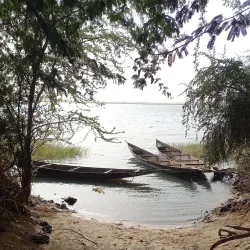
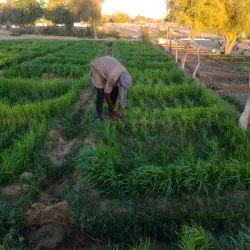
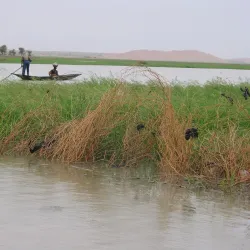
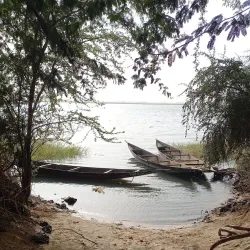
The Niger River is central to life in Gao, providing water, transportation, and fishing opportunities. Visitors can enjoy boat rides and observe the daily activities along the riverbanks.
The river's scenic views and natural environment make it a peaceful spot for relaxation and photography.
Gao Market
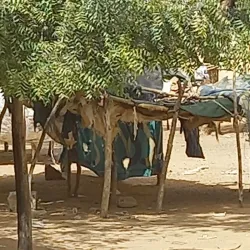
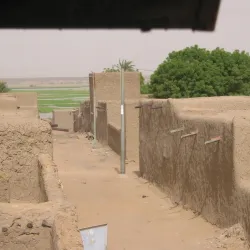

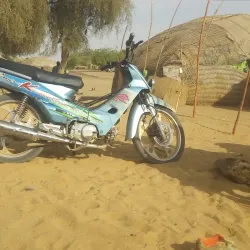
The Gao Market is a bustling hub of commerce where locals sell a variety of goods including food, textiles, and crafts. It is an excellent place to experience the local culture and interact with residents.
The market is lively and colorful, offering a sensory-rich experience with sights, sounds, and smells unique to the region.
Museum of Gao
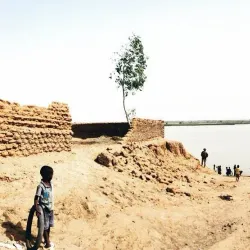

The Museum of Gao showcases artifacts and exhibits related to the history and culture of the Songhai Empire and the broader region.
It provides educational insights into the area's archaeological finds, traditional crafts, and historical narratives.
Grand Mosque of Gao
The Grand Mosque of Gao is an important religious site and a fine example of Sahelian mud-brick architecture. It serves as a center for Islamic worship and community gatherings.
The mosque's distinctive design and historical significance make it a notable attraction for visitors interested in religious and architectural heritage.
Koumbi Saleh Ruins
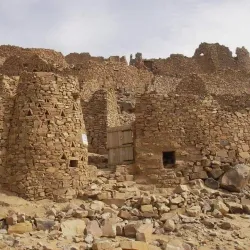
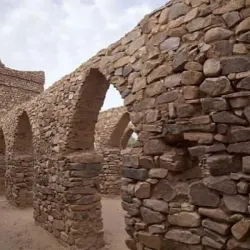
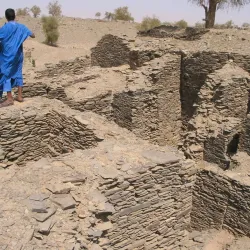
Located near Gao, the ruins of Koumbi Saleh are believed to be the remains of the ancient capital of the Ghana Empire, predating the Songhai Empire.
These archaeological ruins offer a fascinating look into early West African civilizations and their urban development.
Timbuktu (Day Trip)
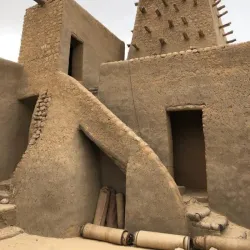
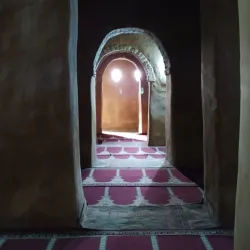
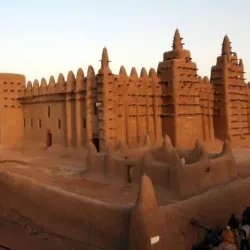
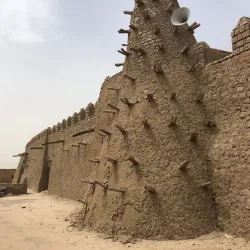
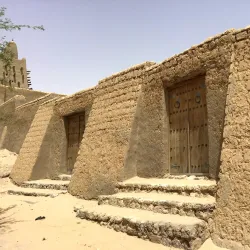
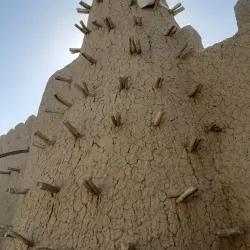
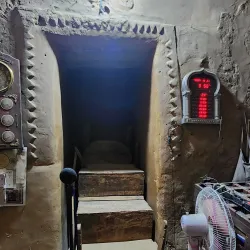
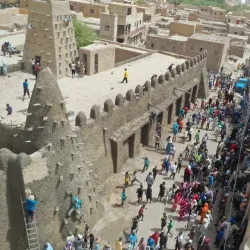
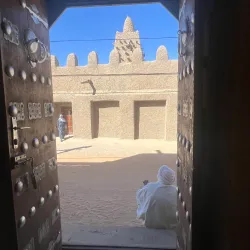
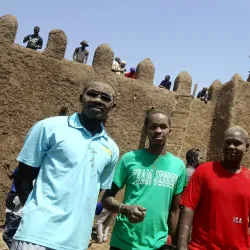
Though not in Gao itself, Timbuktu is accessible as a day trip and is famous for its historic manuscripts, ancient mosques, and role as a center of Islamic learning.
Visitors often combine trips to Gao and Timbuktu to explore the rich history of the region.
Local Handicraft Workshops
Visitors can explore local workshops where artisans create traditional crafts such as leather goods, jewelry, and textiles.
These workshops provide insight into the craftsmanship and cultural heritage of the Gao region.
Traditional Music and Dance Performances
Gao is known for its vibrant traditional music and dance, which visitors can experience during local festivals and cultural events.
These performances highlight the rich artistic traditions of the Songhai people and other ethnic groups in the area.