Things to do in Gudja
Gudja is a charming village located in the southern region of Malta, known for its rich history, traditional Maltese architecture, and peaceful rural atmosphere. It offers visitors a glimpse into Malta's past with its ancient churches, chapels, and archaeological sites.The village is characterized by narrow streets, quaint houses, and a strong sense of community, making it a perfect destination for those interested in cultural heritage and local Maltese life.Parish Church of the Assumption (Gudja Parish Church)

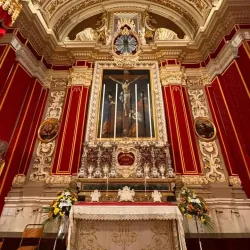
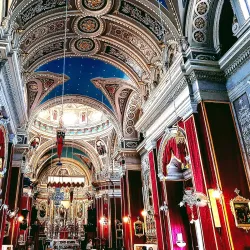
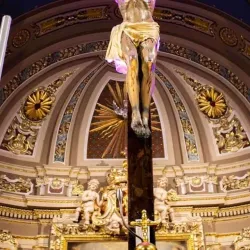
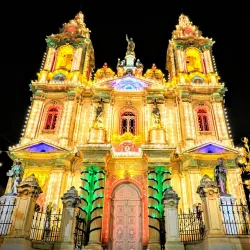
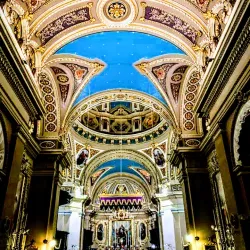
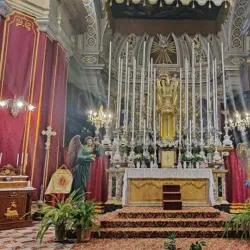
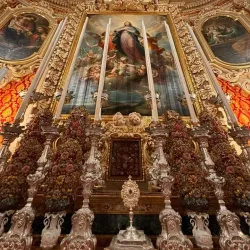
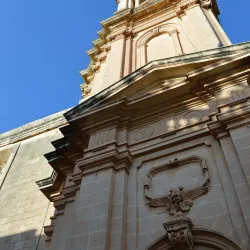

This baroque-style church is the centerpiece of Gudja, known for its impressive architecture and beautiful interior artworks. It serves as the main place of worship for the local community and is a fine example of Maltese ecclesiastical architecture.
The church is dedicated to the Assumption of Mary and features notable paintings, sculptures, and a striking dome visible from various points in the village.
Ħal Resqun Catacombs
These ancient catacombs date back to the early Christian period and are part of Malta's rich archaeological heritage. The site includes underground burial chambers and intricate carvings, offering a fascinating glimpse into early Maltese religious practices.
Visitors interested in history and archaeology will find the catacombs a compelling site to explore, reflecting the island's long-standing cultural and religious traditions.
Chapel of St. Mary

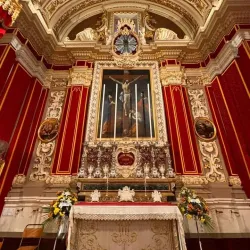
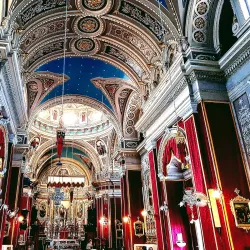
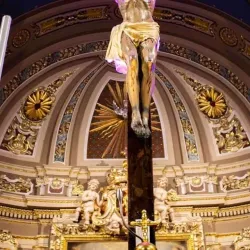
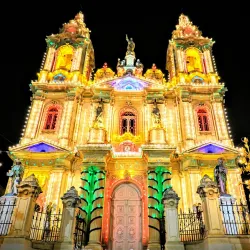
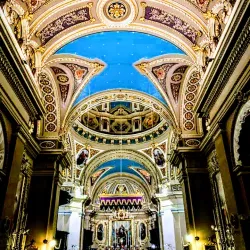
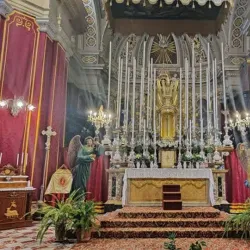
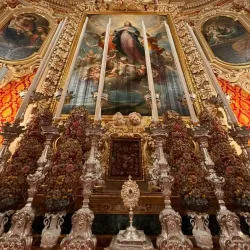
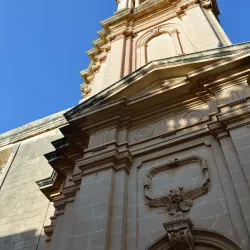

A small, historic chapel located within Gudja, known for its quaint charm and religious significance. It is one of several chapels in the village that reflect the deep-rooted Catholic faith of the local population.
The chapel is often visited by those interested in Maltese religious architecture and local traditions.
Villa Bologna Gardens

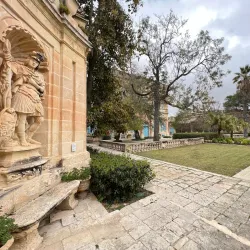
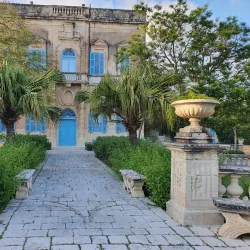
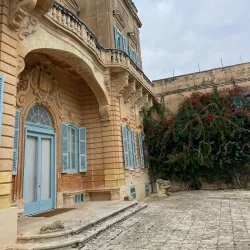
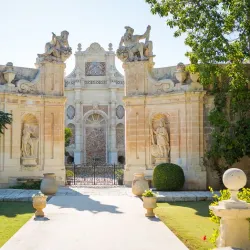
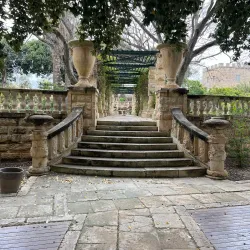
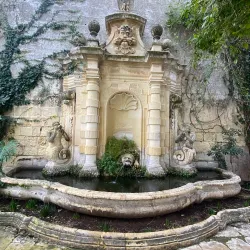
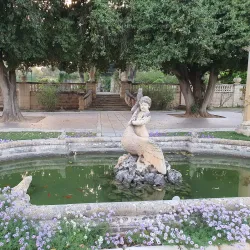
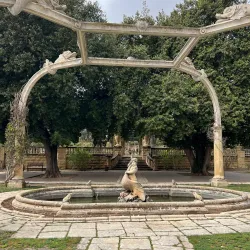
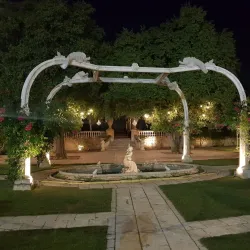
Located near Gudja, Villa Bologna is a historic villa with beautifully maintained gardens open to the public. The gardens feature a variety of Mediterranean plants, fountains, and walking paths, providing a peaceful retreat.
The villa itself is an example of Maltese aristocratic architecture, and the gardens are a highlight for visitors seeking natural beauty and tranquility.
Gudja Local Museum

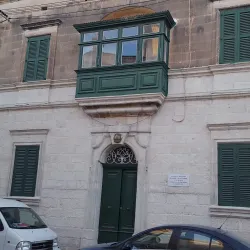

This small museum showcases the history and culture of Gudja and its surroundings, including artifacts, photographs, and exhibits related to the village's development over the centuries.
It offers visitors an educational experience about the local heritage and the everyday life of past generations in Gudja.
Ta' Ħal Resqun Tower

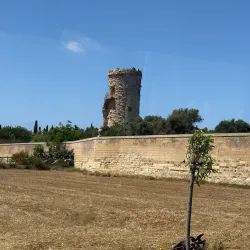
An old watchtower located near the catacombs, historically used for coastal defense and surveillance. The tower is part of Malta's network of fortifications and offers insight into the island's military history.
Though not always open to the public, the tower is a notable landmark in the Gudja area.
St. Catherine's Chapel


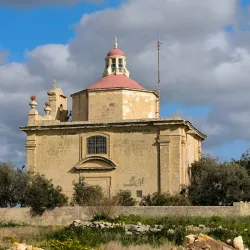
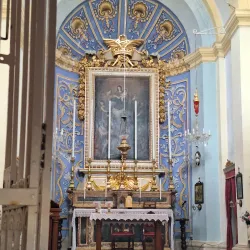
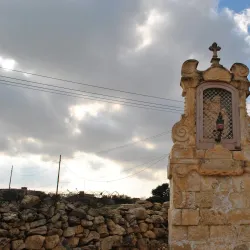
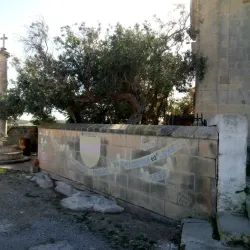
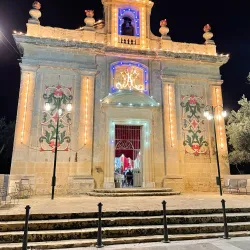
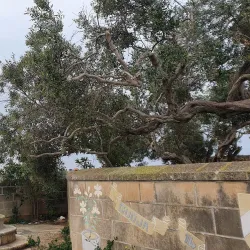
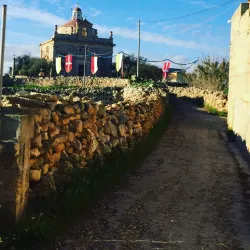
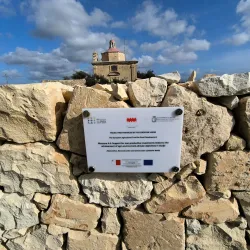
Another historic chapel in Gudja, dedicated to St. Catherine. It is known for its simple yet elegant design and is part of the village's religious heritage.
The chapel is a quiet place for reflection and is often included in local religious tours.
Gudja Village Square

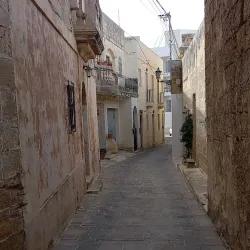
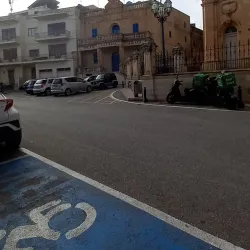
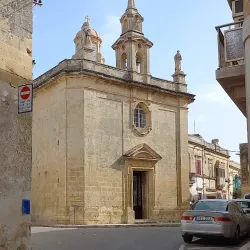
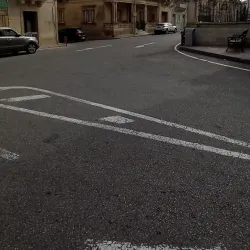
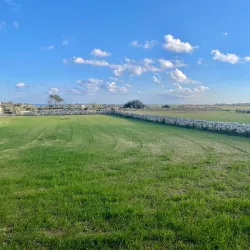
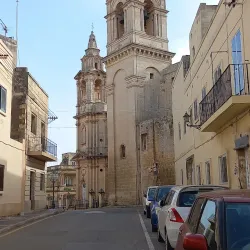
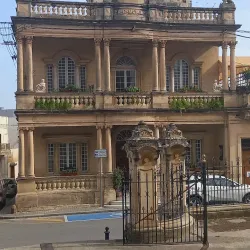
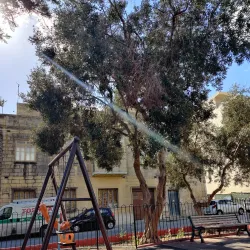

The central square of Gudja is a lively spot where locals gather for social events, markets, and festivals. It is surrounded by traditional Maltese buildings and offers a glimpse into everyday village life.
Visitors can enjoy local cafes and shops while experiencing the authentic atmosphere of a Maltese rural community.
Maltese Traditional Houses

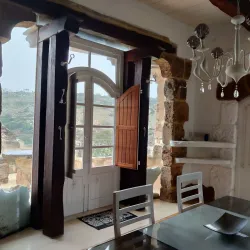
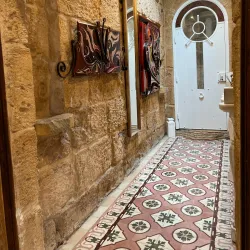
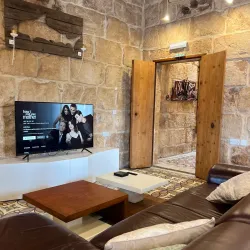

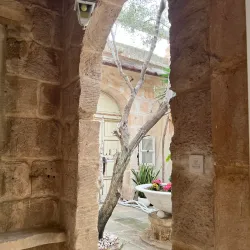
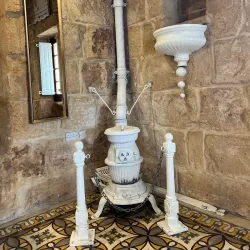
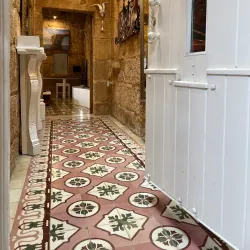
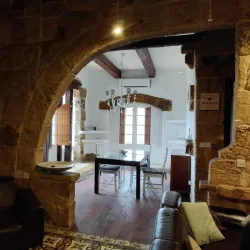
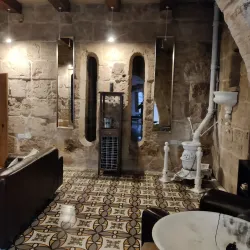
Gudja is home to many traditional Maltese houses featuring characteristic limestone facades, wooden balconies, and colorful doors. Walking through the village streets offers a visual journey through Maltese architectural styles.
These houses reflect the cultural identity and historical development of the village and are a favorite subject for photographers and architecture enthusiasts.
St. Luke's Chapel

A small chapel dedicated to St. Luke, known for its historical significance and religious art. It is one of the lesser-known but charming religious sites in Gudja.
The chapel contributes to the village's rich tapestry of religious landmarks and is appreciated by visitors interested in Maltese spirituality and history.